Consider this: the quality of your catfish feed can directly influence both the health of your fish and the profitability of your aquaculture business. Are you ready to unlock the potential of affordable feed formulation? Let's explore how to make it happen!
What You Will Learn
The significance of quality feed in enhancing catfish growth and minimizing disease risks.
How utilizing local ingredients can reduce costs and improve feed quality.
The role of local feed suppliers in promoting sustainable aquaculture practices.
Essential ingredients that contribute to cost-effective catfish feed formulations.
Economic and environmental benefits of sourcing feed ingredients locally.
The positive impact of aquaculture on local economies and food security.
Key Aspects of Low-Cost Catfish Feed Formulation
Successful aquaculture relies on understanding essential ingredients, economic benefits, and environmental impacts of local feed. Below, we compare these crucial factors for effective catfish farming.
Essential Ingredients
✓Protein Sources
✓Energy Sources
✓Vitamins & Minerals
Foundation for growth
Economic Benefits
►Reduced Feed Costs
►Local Economy Boost
►Bulk Purchasing Savings
Cost-effective solutions
Environmental Impact
●Reduced Carbon Footprint
●Encourage Biodiversity
●Wise By-product Utilization
Sustainable aquaculture
Community Impact
★Job Creation
★Enhanced Food Security
★Skills & Knowledge Growth
Local development
Understanding Low-Cost Catfish Feed Formulation
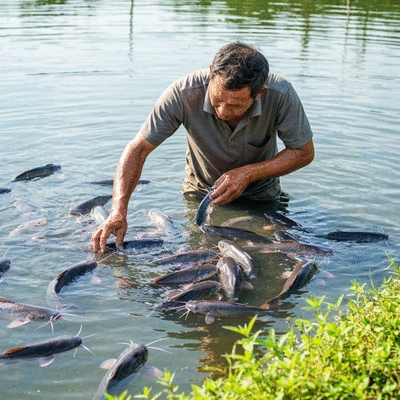
Formulating affordable catfish feed is a crucial aspect of successful aquaculture. The right feed not only promotes healthy growth but also plays a significant role in the overall productivity of your catfish farm. When I started my journey in fish farming, I quickly realized that the quality of feed directly impacts the health of the fish and, ultimately, the profitability of the farm! For more insights into optimizing your farm's output, consider exploring our guide on maximizing aquaculture profits.
Understanding the nutritional needs of catfish allows farmers to craft feed formulations that maximize growth while minimizing costs. With a well-planned feed strategy, you can achieve great results without breaking the bank. Let's dive deeper into this subject!
Why Catfish Feed is Crucial for Aquaculture Success
Catfish feed is more than just a source of energy; it’s the foundation of healthy fish growth. A balanced diet provides essential nutrients that catfish need to thrive. Here are some key reasons why feed formulation is so important:
Growth Performance: Quality feed enhances weight gain and minimizes feed conversion ratios.
Health Maintenance: Proper nutrition helps prevent diseases and promotes a robust immune system.
Cost Efficiency: Effective feed formulations can lower costs while maximizing production yields.
By focusing on these aspects, farmers can ensure their catfish reach market size more efficiently. Remember, investing in good feed now will save you money and headaches later! Our article on common catfish diseases and prevention offers additional tips for maintaining fish health.
Exploring the Benefits of Using Local Ingredients for Catfish Feed
Utilizing local ingredients in catfish feed formulation brings numerous benefits. Local sourcing not only reduces costs but also supports the community and strengthens local economies. Here’s why considering local ingredients can be a game changer:
Cost Reduction: Local ingredients can be more economical than imported ones, helping farmers save money.
Freshness and Quality: Locally sourced ingredients are often fresher, which can improve feed quality.
Community Support: Buying local fosters relationships with suppliers and encourages sustainable practices.
When I began focusing on local sourcing, I noticed not only cost savings but also an improvement in the quality of my fish. Supporting the local economy while improving my own operations has been incredibly rewarding. For a deeper look into selecting the best feed, check out our catfish feed selection guide.
How Local Feed Suppliers Contribute to Sustainable Aquaculture
Local feed suppliers play a vital role in promoting sustainable aquaculture practices. They often understand the unique challenges and opportunities that farmers face, which allows them to provide tailored solutions. Here are a few ways they contribute:
Customized Feed Solutions: Suppliers can formulate feeds based on local fish species and available ingredients.
Technical Support: Many suppliers offer guidance on feed formulation and management practices.
Sustainability Practices: Local suppliers are more likely to use environmentally friendly practices, benefiting the whole community.
Working closely with local feed suppliers has opened up many opportunities for my farming business, driving both growth and sustainability! For more information on sustainable farming techniques, visit sustainable aquaculture practices.
Essential Ingredients for Cost-Effective Catfish Feed
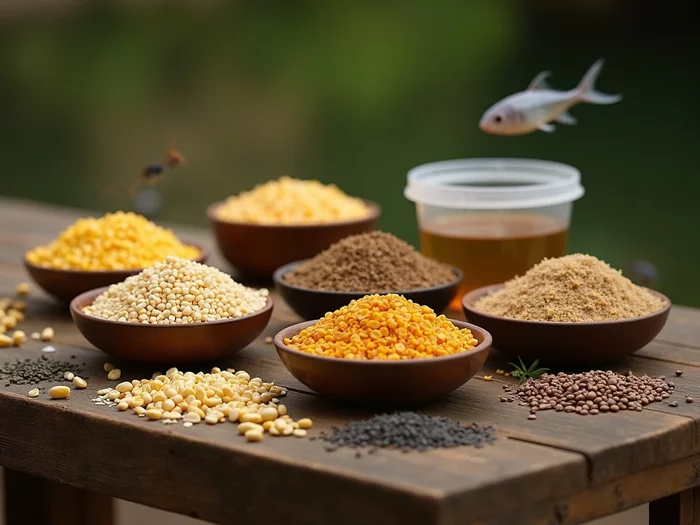
Creating a cost-effective catfish feed starts with understanding the essential ingredients that should be included in your formulations. By utilizing the right sources of protein and energy, you can produce feed that supports healthy growth without overspending. For comprehensive information on various feed components, our catfish nutrition guide provides in-depth details.
Let’s explore some key ingredients that can help you formulate effective, low-cost catfish feed!
Pro Tip
To enhance the nutritional value of your catfish feed while keeping costs low, consider incorporating locally available by-products. For example, using groundnut cake or soybean meal can provide essential proteins without the high price tag of conventional feed ingredients. This not only promotes healthy growth but also supports local agriculture!
Evaluating the Economic and Environmental Impact of Local Feed
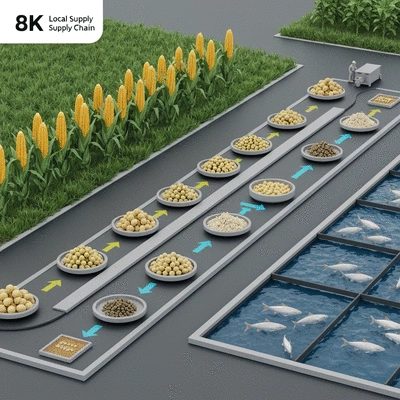
As I engage with farmers through African Catfish Farming, it’s clear that the choice of feed significantly influences both the financial and ecological landscape of their operations. By utilizing locally sourced ingredients, farmers can tap into cost savings while contributing positively to their communities. Here’s how local feed can pave the way for a more sustainable aquaculture practice:
Reduced Feed Costs: Using ingredients available in your vicinity helps cut transportation and sourcing costs.
Supporting Local Economies: Sourcing locally strengthens community ties and boosts local agricultural sectors.
Minimized Waste: Local feed ingredients often come from by-products of other industries, reducing overall waste.
These factors not only lower production costs but also allow farmers to reinvest savings into their operations, enhancing overall productivity and sustainability!
Cost Savings from Using Locally Sourced Ingredients
When I speak to farmers about cost efficiency, one recurring theme is the financial relief that comes from local ingredient sourcing. Here are some of the primary advantages:
Lower Transport Fees: Ingredients grown nearby eliminate long-distance shipping costs, making feed more affordable.
Bulk Purchasing: Farmers can often buy in bulk from local suppliers, which further reduces per-unit prices.
Less Dependency on Imported Feed: By relying on local resources, farmers avoid market fluctuations and tariffs associated with imported feed.
These savings can significantly enhance a farmer's ability to invest in other critical areas of their operation, such as pond maintenance and disease prevention strategies.
Understanding the Environmental Benefits of Sustainable Feed Practices
Using local feed not only has economic implications but also fosters environmental sustainability. By choosing local ingredients, farmers can:
Reduce Carbon Footprint: Shorter transportation routes mean lower greenhouse gas emissions.
Encourage Biodiversity: Supporting local agriculture promotes diverse farming practices and ecosystems.
Utilize By-products Wisely: Many local ingredients come from waste streams, reducing overall environmental impact.
Adopting these practices helps create a more resilient ecosystem that supports both fish farming and the environment. It’s about creating harmony with nature!
Assessing the Economic Impact of Aquaculture on Local Communities
Through African Catfish Farming, I’ve witnessed the ripple effects of aquaculture on local economies. The benefits extend beyond individual farms to entire communities:
Job Creation: Aquaculture provides employment opportunities in fish farming, processing, and distribution.
Enhanced Food Security: Local fish production contributes to the availability of affordable protein sources for communities.
Empowerment through Education: Farmers gain valuable skills and knowledge that can elevate their economic status.
These impacts illustrate the profound role aquaculture plays in fostering economic growth and community development. By embracing local feed practices, we contribute to a future of sustainable prosperity.
Frequently Asked Questions About Low-Cost Catfish Feed Formulation
Why is quality feed important for catfish farming? Quality feed is crucial for enhancing catfish growth performance, maintaining fish health by preventing diseases, and improving cost efficiency by maximizing production yields.
What are the benefits of using local ingredients in catfish feed? Using local ingredients reduces feed costs, ensures fresher and higher-quality feed, and supports local communities and economies by fostering relationships with local suppliers.
How do local feed suppliers support sustainable aquaculture? Local feed suppliers offer customized feed solutions tailored to local species and ingredients, provide technical support and guidance, and are more likely to implement environmentally friendly practices.
What are some essential ingredients for cost-effective catfish feed? Essential ingredients include various protein sources (like groundnut cake or soybean meal), energy sources, and necessary vitamins and minerals. The specific ingredients will depend on local availability and cost.
What are the economic impacts of local feed sourcing? Local feed sourcing leads to reduced feed costs due to lower transportation fees and opportunities for bulk purchasing. It also lessens dependency on imported feeds, providing stability against market fluctuations and tariffs.
What are the environmental benefits of sustainable feed practices? Sustainable feed practices, especially using local ingredients, reduce the carbon footprint by minimizing transportation, encourage biodiversity by supporting local agriculture, and wisely utilize by-products, reducing overall waste.
How does aquaculture impact local communities economically? Aquaculture creates job opportunities in various sectors, enhances food security by providing affordable protein, and empowers local farmers through the growth of skills and knowledge.
Recap of Key Points
Here is a quick recap of the important points discussed in the article:
Importance of Quality Feed: Proper feed formulation boosts growth performance, health maintenance, and cost efficiency in catfish farming.
Benefits of Local Ingredients: Utilizing local ingredients can lead to cost reduction, improved freshness, and support for local communities.
Role of Local Suppliers: Local feed suppliers provide customized solutions and technical support, promoting sustainable aquaculture practices.
Environmental Benefits: Sourcing local feed reduces transportation costs and carbon footprints, while enhancing biodiversity.
Economic Impact: Aquaculture creates jobs, enhances food security, and empowers local farmers through education and skills development.
Yomi Adisa is the lead researcher at Fish Farming Business, where he studies what makes aquaculture ventures profitable across Africa. His research focuses on market patterns, buyer preferences, and the business decisions that determine success or failure in fish farming.