Catfish Feeding Guide: Fingerling to Market Size
Posted on: 2025-11-17
By: Yomi Adisa
You've invested in fingerlings, built your ponds, and now you're ready to grow catfish to market size. But without understanding proper feeding rates and schedules, you're essentially guessing with every bag of feed you open. In Nigeria alone, farmers waste thousands of naira monthly on overfeeding or lose growth potential through underfeeding.
Feed represents 60-70% of your total production costs in catfish farming. Getting it wrong means watching your profits disappear whilst your fish struggle to reach market weight. Getting it right transforms your operation from break-even to profitable.
This comprehensive guide provides the technical knowledge you need to feed African catfish (Clarias gariepinus) efficiently from fingerling stage through to harvest. You'll learn specific nutritional requirements for each growth phase, calculate proper feeding rates based on water temperature and fish size, and understand how to monitor feed conversion ratios.
Whether you're managing earthen ponds in Ghana or concrete tanks in Kenya, the feeding strategies covered here will help you achieve consistent growth rates whilst controlling costs. You'll discover how to avoid common feeding mistakes that plague many African catfish farmers and learn to recognise the signs of optimal nutrition in your stock.
By applying these evidence-based feeding practices, you'll reduce waste, improve growth performance, and ultimately increase your return on investment in catfish production.
Understanding the economic impact of feeding decisions becomes crucial when you consider that improving feed conversion ratio can make the difference between profitable and marginal operations across African aquaculture systems.
What You Will Learn
- Learn the specific nutritional requirements for African catfish (Clarias gariepinus) at each growth stage.
- Discover how to calculate precise feeding rates based on fish size and water temperature.
- Master effective feeding practices to optimise feed conversion ratios and minimise waste.
- Understand how to monitor and maintain water quality for improved growth and health in your catfish.
- Recognise common feeding mistakes and learn strategies to avoid them for better economic outcomes.
Understanding Catfish Growth Stages
You need to understand that African catfish (Clarias gariepinus) don't grow at the same rate throughout their lives—their nutritional needs change dramatically as they develop from tiny fingerlings into market-ready fish. Most farmers in Nigeria and Ghana make the costly mistake of feeding the same way from stocking to harvest, which either wastes expensive feed or stunts growth potential.
Your catfish will pass through distinct growth phases, each requiring different feeding strategies and feed formulations. A 5-gram fingerling needs 40-45% protein to build muscle and organs rapidly, whilst a 500-gram market fish can thrive on 32-35% protein as it focuses on weight gain rather than development.
Understanding these growth stages helps you calculate precise feeding rates, choose appropriate feed types, and predict harvest timing. This knowledge directly impacts your profitability—farmers in Kenya who adjust feeding strategies by growth stage typically achieve 20-30% better feed conversion ratios than those using fixed feeding approaches.
Overview of Catfish Species
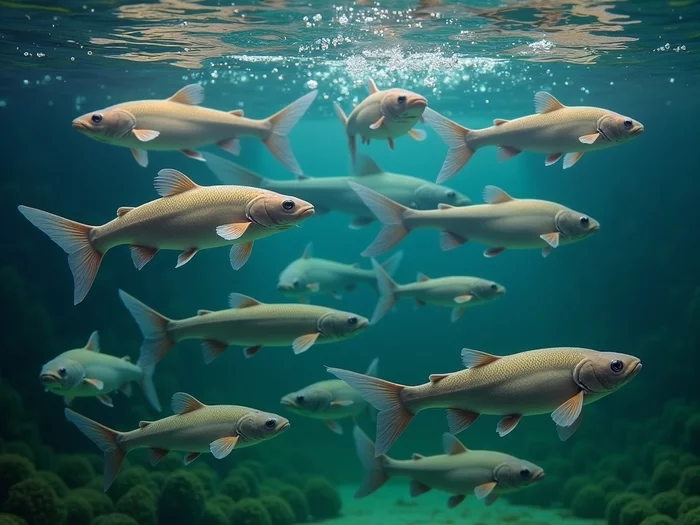
African catfish (Clarias gariepinus) dominates commercial aquaculture across sub-Saharan Africa because of its exceptional growth characteristics and environmental tolerance. You'll find this species thriving in earthen ponds from Lagos to Kampala, reaching market weights of 800-1,200 grams in 4-6 months under optimal conditions.
Unlike channel catfish popular in North America, African catfish can survive in lower oxygen conditions and tolerate temperature fluctuations between 20-35°C. This hardiness makes them ideal for African farming conditions where power outages affect aeration systems and seasonal temperature variations are common. Your Clarias gariepinus can achieve daily weight gains of 8-12 grams during peak growing season, significantly faster than most other catfish species.
Growth Milestones and Weight Ranges
Your catfish journey begins with fingerlings weighing 3-8 grams at stocking, typically 4-6 weeks old from hatcheries in major aquaculture centres like Ibadan or Kisumu. During the first 30 days, you should expect daily weight gains of 0.5-1.0 grams as fingerlings adapt to pond conditions and establish feeding patterns.
The juvenile phase (30-90 days) represents your fastest growth period, with healthy catfish gaining 2-4 grams daily and reaching 50-150 grams. This acceleration occurs because their digestive systems mature and they can process larger quantities of high-protein feed efficiently. By day 120-150, your catfish enter the market-size phase at 400-800 grams, with growth rates slowing to 4-8 grams daily as they approach biological maturity.
You can expect total production cycles of 120-180 days depending on target market weight, water temperature, and feeding intensity. Farmers in warmer regions like northern Nigeria often achieve faster growth than those in cooler highland areas of Kenya or Ethiopia, where lower temperatures extend production cycles by 2-4 weeks.
Fingerling and Growing-Fingerling Nutrition
Your success in catfish farming hinges on getting the nutrition right during those critical first 60-90 days when fingerlings establish their growth patterns. This phase determines whether your fish will reach market size efficiently or struggle with stunted growth throughout the production cycle. Farmers across Nigeria and Kenya who master fingerling nutrition typically see 40-50% better survival rates and faster growth compared to those using generic feeding approaches.
The fingerling stage represents your highest-cost, highest-risk period in catfish production. You're feeding expensive high-protein feeds to small fish that are vulnerable to disease and environmental stress. However, this investment in quality nutrition during early development pays dividends later—well-fed fingerlings develop stronger immune systems and more efficient digestive capabilities that benefit them throughout their lives.
Understanding the specific nutritional requirements and feeding practices for fingerlings and growing fingerlings will help you maximise survival rates, achieve consistent growth, and establish the foundation for profitable catfish production. The feeding strategies you implement now directly impact your harvest weight and feed conversion efficiency months later.
Nutritional Requirements
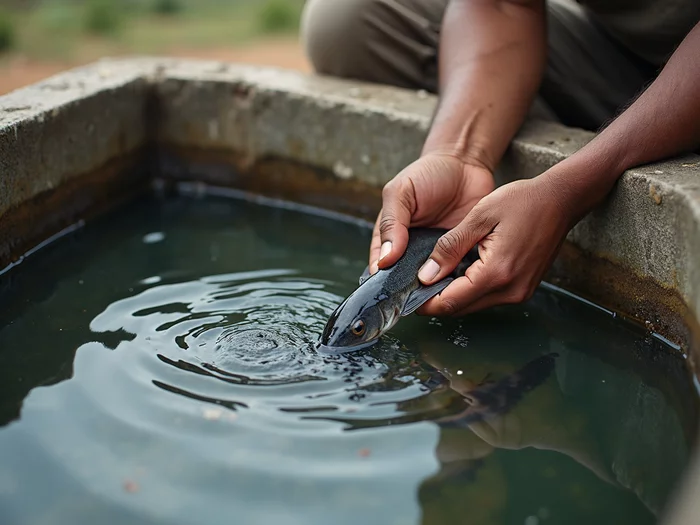
Your fingerlings need 40-45% crude protein during their first 30-45 days to support rapid muscle development and organ formation. This high protein requirement reflects their incredible growth rate—healthy fingerlings can double their body weight every 10-14 days when fed properly. You'll want feeds containing quality fish meal, soybean meal, or blood meal as primary protein sources rather than cheaper plant-based alternatives that fingerlings struggle to digest efficiently.
Fat content should range between 8-12% to provide essential fatty acids and energy for growth, whilst carbohydrates should remain below 30% since young catfish have limited ability to process starches. Your fingerlings also require specific vitamins and minerals—vitamin C for immune function, phosphorus for bone development, and lysine for protein synthesis. Commercial fingerling feeds from reputable Nigerian manufacturers like Coppens or Top Feeds typically contain these balanced nutrient profiles.
Growing fingerlings (30-90 days old, 10-100 grams) can transition to slightly lower protein levels of 35-40% as their digestive systems mature. You should maintain fat levels at 6-10% whilst allowing carbohydrate content to increase to 35% maximum. This nutritional adjustment reflects their changing metabolism as they shift from rapid cellular development to steady weight gain.
Feeding Methods and Practices
You should feed fingerlings 4-6 times daily during daylight hours, starting at sunrise and finishing before sunset when water temperatures begin dropping. Hand feeding remains the most effective method for fingerlings because you can observe feeding behaviour, adjust quantities based on appetite, and ensure even distribution across the pond. Scatter feed slowly over 10-15 minutes, allowing fish to consume each handful before adding more.
Your daily feeding rate should equal 8-15% of total fish biomass for fingerlings under 10 grams, reducing to 5-8% for growing fingerlings between 10-50 grams. In practical terms, if you stock 1,000 fingerlings averaging 5 grams each (5kg total biomass), you'll feed 400-750 grams of feed daily. Water temperature significantly affects feeding rates—reduce quantities by 25-30% when temperatures drop below 25°C, as commonly occurs during harmattan season in northern Nigeria.
Monitor feeding response carefully during each session. Healthy fingerlings should show aggressive feeding behaviour within 2-3 minutes of feed application. If fish appear sluggish or ignore feed, check water quality parameters immediately—ammonia levels above 0.5mg/L or dissolved oxygen below 4mg/L will suppress appetite and growth.
Feed Types and Monitoring Growth
Floating pellets work best for fingerling feeding because you can observe consumption rates and remove uneaten feed before it decomposes. Choose pellet sizes appropriate for fish mouth size—0.5-1.0mm diameter for fingerlings under 5 grams, increasing to 1.5-2.0mm for growing fingerlings up to 50 grams. Sinking pellets often result in overfeeding and water quality problems since you cannot easily monitor consumption.
You should conduct weekly growth sampling to calculate feed conversion ratios (FCR) and adjust feeding rates accordingly. Sample 20-30 fish randomly, weigh them collectively, and calculate average individual weight. Healthy fingerlings should achieve FCR values of 1.2-1.5 (1.2-1.5kg feed produces 1kg fish weight gain). If your FCR exceeds 2.0, investigate water quality issues, feed quality problems, or disease presence.
Track daily feed consumption, weekly weight gains, and mortality rates in a simple logbook. Farmers in Ghana using systematic record-keeping typically identify feeding problems 7-10 days earlier than those relying on visual observation alone. This early detection allows for corrective action before growth rates decline significantly or mortality increases.
Stocker Catfish Feeding Strategies
The transition from fingerling to stocker phase marks a critical turning point in your catfish production cycle where feeding strategies must evolve to match changing nutritional needs and growth patterns. Stocker catfish (100-400 grams) represent your most cost-effective growth period—they consume feed efficiently whilst maintaining rapid weight gains that directly impact your profitability. Farmers in Uganda and Ghana who optimise stocker feeding typically achieve their best feed conversion ratios during this phase.
Your stocker phase feeding decisions determine whether you'll harvest market-size fish in 4-5 months or struggle with extended production cycles that increase costs and reduce annual pond turnover. During this 60-90 day period, your catfish develop the bulk of their marketable weight whilst their feed requirements become more predictable and manageable than the intensive fingerling phase.
Understanding how to transition feeding protocols smoothly and adjust nutritional programmes for stocker catfish will help you maximise growth rates whilst controlling feed costs. The feeding strategies you implement during this phase directly influence your final harvest weights and overall production economics.
Transitioning from Fingerling to Stocker
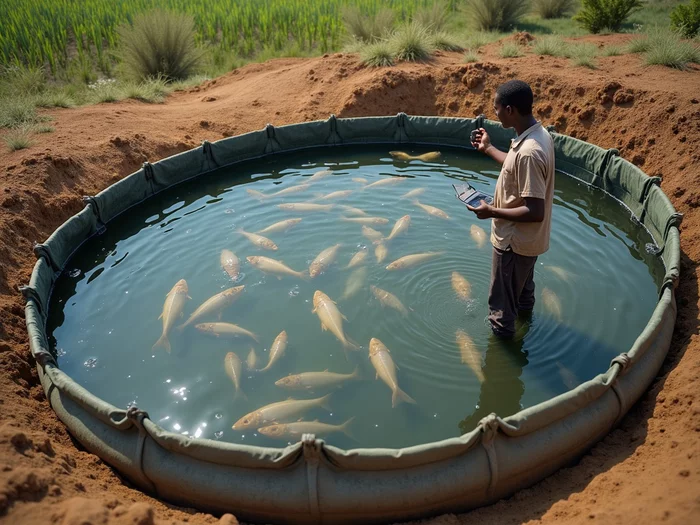
You should begin transitioning your feeding approach when fish reach 80-120 grams, typically 60-75 days after stocking fingerlings. This transition involves gradually reducing feeding frequency from 4-6 times daily to 3-4 times daily over a 10-14 day period. Your catfish digestive systems can now handle larger meals with longer intervals between feedings, making management more efficient whilst maintaining growth rates.
Reduce your daily feeding rate from 5-8% of biomass to 3-5% as fish enter the stocker phase. For example, if your 1,000 fish now average 100 grams each (100kg total biomass), you'll feed 3-5kg daily instead of the 5-8kg you were providing as growing fingerlings. This reduction reflects improved feed conversion efficiency as larger fish utilise nutrients more effectively for weight gain.
Monitor water quality closely during this transition period because increased individual fish size means higher waste production per fish. Ammonia and nitrite levels can spike if you maintain fingerling feeding rates with stocker-size fish. Farmers in Nigeria often install additional aeration during this phase to maintain dissolved oxygen levels above 5mg/L, especially in high-density systems exceeding 50 fish per square metre.
Nutritional Needs of Stocker Catfish
Your stocker catfish require 32-38% crude protein, representing a significant reduction from the 40-45% needed during fingerling stage. This lower protein requirement allows you to use less expensive feeds whilst maintaining excellent growth rates of 5-8 grams daily. Quality commercial feeds from manufacturers like Vital Feed in Nigeria or Unga Feeds in Kenya typically formulate stocker feeds with 35% protein, 6-8% fat, and 40% maximum carbohydrates.
Energy requirements increase during the stocker phase as fish focus on weight gain rather than organ development. Your feeds should contain 3,200-3,500 kcal/kg digestible energy, primarily from carbohydrate sources like maize, wheat, or cassava meal. This energy density supports rapid weight gain whilst keeping feed costs manageable—energy ingredients typically cost 30-40% less than protein sources in most African markets.
Essential amino acid requirements remain critical, particularly lysine (2.2-2.5% of diet) and methionine (0.8-1.0% of diet) for continued muscle development. Your stocker feeds should also contain adequate phosphorus (0.8-1.0%) for bone strength as fish reach larger sizes. Vitamin C supplementation at 100-200mg/kg feed helps maintain immune function as stocking densities and fish size increase stress levels in pond systems.
Market-Size Catfish: Final Growth Phase
The final growth phase represents your most economically important period in catfish production, where fish transform from 400-gram stockers into 800-1,200 gram market-ready products. During these final 30-60 days, your feeding strategy shifts from maximising growth rates to optimising feed conversion efficiency and preparing fish for harvest. Farmers across Kenya and Nigeria who master this phase often achieve the difference between profitable and marginal operations.
Your market-size catfish require different nutritional approaches because their growth rate naturally slows as they approach biological maturity. However, this phase offers opportunities to improve flesh quality, reduce production costs through lower-protein feeds, and time harvests to coincide with peak market prices. The feeding protocols you implement now determine your final harvest weights and the quality premium you can command in local markets.
Understanding how to adjust feeding schedules, optimise water quality interactions, and calculate the economic returns of different feeding intensities will help you maximise profitability during this crucial final phase. Your decisions during these last weeks of production directly impact your return on investment for the entire production cycle.
Feeding Protocols
You should reduce feeding frequency to 2-3 times daily for market-size catfish, concentrating feeds during peak activity periods in early morning (6-8 AM) and late afternoon (4-6 PM). Your daily feeding rate should decrease to 2-3% of total biomass as fish growth rates slow and feed conversion efficiency naturally declines. For 1,000 fish averaging 600 grams each (600kg biomass), you'll provide 12-18kg of feed daily compared to the 18-30kg you fed during stocker phase.
Water temperature becomes increasingly critical during this phase because larger fish have higher oxygen demands and produce more waste. You should reduce feeding rates by 30-40% when water temperatures exceed 32°C or drop below 22°C, conditions common during dry season in northern Nigeria or cool season in highland areas of Ethiopia. Monitor dissolved oxygen levels closely—if readings drop below 4mg/L, skip the next feeding session and increase aeration.
Implement strategic feeding holds 24-48 hours before harvest to reduce stress and improve flesh quality. This practice, common among commercial producers in Ghana, helps empty digestive tracts and reduces mortality during harvesting and transport. Your fish can easily tolerate these short fasting periods without significant weight loss, whilst the improved handling quality often commands 5-10% price premiums in urban markets.
Economic Analysis and Cost Optimisation of Feeding Practices
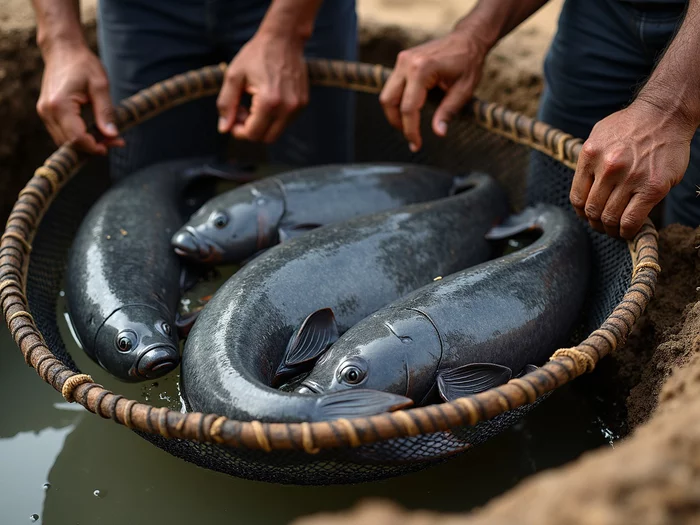
Your feed costs during the market-size phase should represent 25-30% of total production expenses, down from 40-45% during fingerling and stocker phases. Calculate your cost per kilogram of weight gain by dividing total feed costs by total weight gained—efficient operations achieve costs of ₦180-220 per kilogram in Nigeria or KSh 120-150 per kilogram in Kenya. If your costs exceed these ranges, evaluate feed quality, water conditions, or stocking density issues.
Consider transitioning to lower-cost finishing feeds containing 28-32% protein during the final 30 days before harvest. These feeds cost 15-20% less than stocker feeds whilst maintaining adequate nutrition for final weight gains. Farmers in Uganda successfully use locally-produced feeds containing fish meal, maize, soybean cake, and vitamin premixes, reducing feed costs by ₦30-50 per kilogram compared to imported commercial feeds.
Monitor your feed conversion ratio weekly during this phase—values should remain between 1.5-2.0 for market-size catfish. If FCR exceeds 2.2, investigate water quality problems, disease issues, or feed storage conditions. Poor feed storage in humid conditions common across tropical Africa can reduce feed quality significantly, with mouldy feeds causing FCR increases of 0.3-0.5 points and potential mycotoxin problems affecting fish health.
Common Feeding Mistakes to Avoid
Even experienced catfish farmers across Nigeria, Kenya, and Ghana make feeding mistakes that can devastate production economics and fish health. These errors often develop gradually, making them difficult to recognise until significant damage occurs to growth rates, survival, or feed conversion efficiency. Understanding and avoiding these common pitfalls can mean the difference between profitable harvests and disappointing losses that force farmers out of aquaculture.
The most costly feeding mistakes typically involve timing, quantity, or quality decisions that seem minor but compound over the 4-6 month production cycle. A seemingly small overfeeding habit can waste 20-30% of your feed budget, whilst underfeeding during critical growth phases can extend production cycles by 4-6 weeks, dramatically increasing operational costs.
Learning to recognise the early warning signs of feeding problems and implementing corrective measures quickly will protect your investment and ensure consistent production results. The feeding discipline you maintain throughout the production cycle directly determines your profitability and long-term success in catfish farming.
Overfeeding and Underfeeding
Overfeeding represents the most expensive mistake in catfish production, with farmers typically wasting 15-25% of their feed budget through excessive feeding rates or frequencies. You'll recognise overfeeding when uneaten pellets accumulate on pond bottoms, water develops a milky appearance, or ammonia levels consistently exceed 1.0mg/L despite adequate aeration. Overfeeding also leads to poor feed conversion ratios above 2.5 and increased disease susceptibility as decomposing feed creates ideal conditions for harmful bacteria.
The economic impact of overfeeding compounds quickly—if you overfeed by just 20% throughout a 150-day production cycle, you'll waste approximately ₦50,000-80,000 per 1,000 fish in Nigeria or KSh 35,000-55,000 in Kenya. This waste directly reduces your profit margins and can transform profitable operations into break-even ventures. Overfeeding also degrades water quality, requiring additional inputs for water treatment and aeration.
Underfeeding appears less costly initially but creates hidden expenses through extended production cycles and reduced harvest weights. Underfed catfish show aggressive feeding behaviour, uneven growth rates, and increased cannibalism as larger fish prey on smaller ones. You'll notice fish gathering at feeding areas long before scheduled feeding times and consuming feed within 30-60 seconds of application. Chronic underfeeding can extend production cycles by 30-45 days, increasing labour, electricity, and pond rental costs significantly.
Ignoring Water Quality
Water quality problems often masquerade as feeding issues, leading farmers to adjust feeding rates when they should address environmental conditions. Poor water quality reduces feed conversion efficiency by 20-40% even when feeding rates appear appropriate. You should test ammonia, nitrite, dissolved oxygen, and pH weekly—ammonia above 0.5mg/L or dissolved oxygen below 4mg/L will suppress appetite and growth regardless of feed quality or quantity.
Temperature fluctuations common during seasonal transitions in tropical Africa significantly affect feeding efficiency. When water temperatures drop below 24°C during harmattan season in Nigeria or cool periods in highland Kenya, your catfish metabolism slows and feed conversion ratios increase by 0.3-0.5 points. Continuing normal feeding rates during these periods wastes feed and degrades water quality as fish cannot process normal quantities efficiently.
Algae blooms, common in earthen ponds during rainy seasons, create oxygen depletion that makes feeding counterproductive. You should reduce feeding by 50% or suspend feeding entirely when algae blooms occur, focusing on water treatment through lime application or partial water changes. Farmers who continue normal feeding during algae blooms often experience fish kills and total production losses, particularly in high-density systems exceeding 100 fish per square metre.
While catfish farming presents unique challenges, many of the feeding principles and water quality management techniques also apply to optimizing tilapia feed conversion ratio in mixed aquaculture systems across Africa.
Summary Table
| Key Points | Details |
|---|---|
| Feeding Costs | Feed constitutes 60-70% of total production costs in catfish farming. |
| Growth Stages | Fingerlings (3-8g), juveniles (50-150g), and market fish (800-1200g). |
| Nutritional Needs | Fingerlings need 40-45% protein; stockers require 32-38% protein. |
| Feeding Rates | Fingerlings: 8-15% of biomass; stockers: 3-5% of biomass. |
| Daily Growth | Healthy fingerlings gain 0.5-1.0g/day; stockers gain 5-8g/day. |
| Feed Conversion Ratio (FCR) | Target FCR: 1.2-1.5 for fingerlings; 1.5-2.0 for market-size fish. |
| Weight Gains | Market-size fish (800-1200g) can achieve daily weight gains of 4-8g. |
| Water Quality | Monitor ammonia (<0.5mg/L) and dissolved oxygen (>4mg/L) weekly. |
| Feeding Frequency | Fingerlings: 4-6 times; stockers: 3-4 times; market-size: 2-3 times daily. |
| Common Mistakes | Avoid overfeeding (>20% waste) and underfeeding (stunted growth). |
Conclusion
Successful catfish feeding requires matching your approach to each growth stage—high-protein feeds and frequent feeding for fingerlings, balanced nutrition during the stocker phase, and cost-optimised protocols for market-size fish. By adjusting protein levels from 45% for fingerlings down to 28-32% for finishing fish, you control costs whilst maintaining growth rates. Regular monitoring of feed conversion ratios and water quality parameters ensures your feeding programme stays on track.
You now have the technical knowledge to feed African catfish efficiently from stocking to harvest. Start with proper fingerling nutrition to establish strong growth patterns, then adjust your approach as fish develop. Your feeding discipline during each phase directly impacts your profitability and harvest success.
As you implement these feeding strategies, focus next on developing reliable suppliers for quality feeds and establishing consistent daily routines. Consider exploring local feed ingredients and alternative protein sources to reduce costs further whilst maintaining the nutritional standards your catfish need for optimal growth.
Frequently Asked Questions
Why is adjusting feed protein levels important for African catfish at different growth stages?
Adjusting protein levels is crucial because African catfish (Clarias gariepinus) have different nutritional needs as they grow. Fingerlings require 40-45% protein for rapid development, while market-size fish can thrive on 28-32% protein. This optimisation reduces feed costs and prevents wasted expensive high-protein feed on larger fish.
How often should I feed African catfish fingerlings, and what method is best?
You should feed fingerlings 4-6 times daily during daylight hours, starting at sunrise. Hand feeding is the most effective method as it allows you to observe feeding behaviour, adjust quantities based on appetite, and ensure even distribution of feed across the pond.
What are the key signs that I might be overfeeding my stocker catfish?
Signs of overfeeding include uneaten pellets accumulating on the pond bottom, the water developing a milky appearance, or ammonia levels consistently exceeding 1.0mg/L. Overfeeding also leads to poor feed conversion ratios (above 2.5) and increased susceptibility to disease due to degraded water quality.
When should I transition my African catfish from fingerling feed to stocker feed?
You should begin transitioning your feeding approach when your African catfish reach 80-120 grams, typically 60-75 days after stocking fingerlings. Gradually reduce feeding frequency and daily feeding rates over a 10-14 day period to allow their digestive systems to adapt.
How does water temperature affect the feeding rates of market-size African catfish?
Water temperature significantly affects feeding efficiency. You should reduce feeding rates by 30-40% when water temperatures exceed 32°C or drop below 22°C, as the catfish's metabolism slows, making them unable to process normal quantities of feed efficiently. Always monitor dissolved oxygen levels alongside temperature.


Yomi Adisa Lead Researcher
Yomi Adisa is the lead researcher at Fish Farming Business, where he studies what makes aquaculture ventures profitable across Africa. His research focuses on market patterns, buyer preferences, and the business decisions that determine success or failure in fish farming.