
Water Management
Water quality determines whether your catfish thrive or merely survive. Poor water management causes stress, disease, slow growth, and mortality—yet it's often invisible until problems become severe. Understanding water chemistry and management techniques gives you control over the single most important factor in catfish production success.
This section teaches you practical water quality management for African catfish farming—from monitoring critical parameters like dissolved oxygen and pH to managing ammonia build-up and implementing effective aeration strategies.
You'll learn to recognise water quality problems before they affect your fish, understand when and how to exchange water, and develop the management routines that maintain the stable conditions catfish need for rapid growth and high survival rates in commercial production systems.
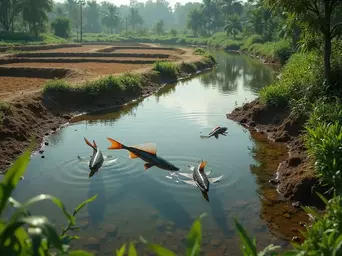
Managing Water Through the Seasons: Practical Guide for Tropical Catfish Farms
Picture this: It's the height of the rainy season, and you're watching helplessly as muddy runoff cascades into your carefully...
read more →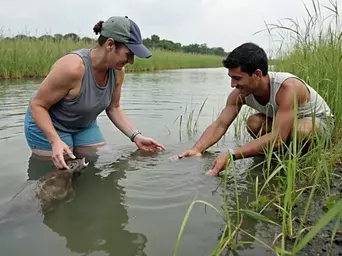
Water Exchange for Catfish Ponds: When, How Much and Practical Best Practices for Successful Farming
Water Exchange for Catfish Ponds: When, How Much and Practical Best Practices for Successful FarmingPicture this: You walk to your...
read more →
pH Management in Catfish Ponds: How to Test, Adjust and Maintain Optimal Levels
pH Management in Catfish Ponds: How to Test, Adjust and Maintain Optimal Levels You've invested heavily in quality fingerlings, premium feed,...
read more →
Managing Dissolved Oxygen in Catfish Ponds: Monitoring Techniques and Emergency Aeration Response
Managing Dissolved Oxygen in Catfish Ponds: Monitoring Techniques and Emergency Aeration Response Picture this: You arrive at your catfish pond on...
read more →