Feed Storage and Handling for Catfish: Prevent Nutrient Loss and Contamination
Posted on: 2025-11-28
By: Yomi Adisa
You've carefully selected your catfish fingerlings and prepared your ponds, but there's one critical factor that could make or break your farming success: how you store and handle your feed. Poor feed storage practices can destroy up to 30% of essential nutrients before the feed even reaches your fish, directly impacting growth rates and your profit margins.
In Ghana's humid climate, many catfish farmers discover too late that improperly stored feed has developed mould or lost its nutritional value. The result? Slower growth, increased feed conversion ratios, and reduced profitability that can turn a promising venture into a financial struggle.
This comprehensive guide will teach you the technical knowledge needed to maintain feed quality from purchase to feeding. You'll learn optimal storage conditions, proper handling techniques, and contamination prevention methods that preserve nutrients and protect your investment.
Understanding these storage and handling principles matters because feed typically represents 60-70% of your production costs. When you master proper feed management, you ensure your catfish receive maximum nutrition from every kilogramme of feed, leading to faster growth, better health, and improved farm profitability.
By implementing these proven practices, you'll prevent costly feed spoilage, maintain consistent fish performance, and build a more sustainable catfish farming operation. Effective feed management becomes even more critical when you consider improving feed conversion ratio in fish farming as a key profitability factor across all aquaculture operations.
What You Will Learn
- Understand optimal storage conditions to prevent nutrient loss in catfish feed.
- Discover effective moisture and temperature control techniques tailored for African climates.
- Master packaging methods that protect feed from oxygen and moisture contamination.
- Learn handling best practices to minimise physical damage and maintain pellet integrity.
- Implement contamination prevention strategies to safeguard your catfish from harmful toxins.
Optimal Storage Conditions
You cannot afford to ignore storage conditions if you want your catfish feed to maintain its nutritional value. Poor storage destroys vitamins, allows harmful bacteria to multiply, and creates toxic compounds that can kill your fish. African catfish (Clarias gariepinus) require high-quality protein and essential nutrients to achieve optimal growth rates, but these nutrients deteriorate rapidly under improper storage conditions.
Most catfish farmers in Nigeria lose money because they focus on buying quality feed but neglect proper storage afterwards. Feed stored in hot, humid conditions can lose up to 50% of its vitamin C content within just two weeks. When you store 50kg bags of feed worth ₦18,000 each in poor conditions, you're essentially throwing away ₦9,000 per bag in nutritional value.
Creating optimal storage conditions requires attention to four critical factors: moisture control, temperature management, proper ventilation, and environmental adaptation. Get these right, and your feed will maintain its nutritional integrity for months rather than weeks.
Moisture and Microbial Control
You need to keep feed moisture content below 12% to prevent mould growth and bacterial contamination. When moisture levels exceed 14%, harmful microorganisms multiply rapidly, producing toxins that damage catfish liver and kidneys. Aflatoxins from mould can kill fingerlings within 48 hours and cause chronic health problems in adult fish.
Store your feed in areas where relative humidity stays below 65%. In Lagos during rainy season, humidity often reaches 85%, so you'll need dehumidifiers or moisture-absorbing materials like silica gel packets. Place these packets (available at agricultural supply stores in Ibadan for ₦500 each) inside storage containers to absorb excess moisture.
Check feed moisture using a simple grain moisture metre (₦12,000 from agricultural equipment suppliers in Kano). Test random samples from different bags monthly, and discard any feed showing moisture levels above 14% or visible mould growth.
Temperature Management
You want to maintain storage temperatures between 15-25°C to preserve feed quality and prevent nutrient degradation. Higher temperatures accelerate fat oxidation, destroying essential fatty acids that catfish need for healthy growth. When temperatures exceed 30°C, vitamin E breaks down within weeks, leaving your fish vulnerable to diseases.
Install digital thermometers with data logging capabilities (₦8,000 from electronics stores in Accra) to monitor temperature fluctuations. In tropical climates like Ghana's, you'll need insulated storage rooms or air conditioning to maintain optimal temperatures. Many successful farms in Kumasi use evaporative cooling systems that cost ₦150,000 but reduce storage temperatures by 8-10°C.
Never store feed in direct sunlight or metal containers that heat up during the day. Concrete block buildings with proper insulation work best for maintaining stable temperatures year-round.
Ventilation and Airflow
You must ensure adequate airflow around stored feed to prevent condensation and hot spots that encourage mould growth. Stagnant air creates pockets of high humidity where bacteria multiply rapidly. Poor ventilation also allows carbon dioxide to accumulate, which accelerates feed deterioration.
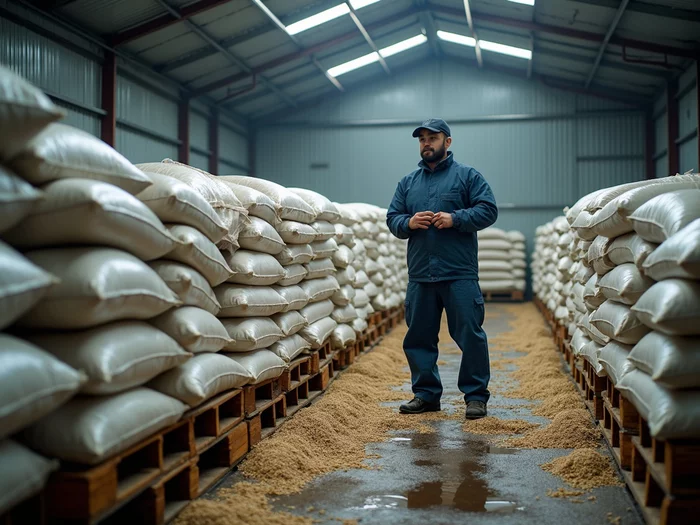
Install exhaust fans (₦25,000 each from electrical suppliers in Port Harcourt) to create continuous air circulation. Position fans to create cross-ventilation, with intake vents near the floor and exhaust vents near the ceiling. Run fans for at least 4 hours daily, preferably during cooler morning and evening hours.
Stack feed bags on wooden pallets raised 15cm off the floor to allow air circulation underneath. Leave 60cm gaps between stacks and walls to ensure airflow reaches all stored feed. This simple practice prevents moisture accumulation and reduces mould risk by 70%.
Environmental Considerations
You need to adapt your storage strategy based on local climate conditions and seasonal variations. During Kenya's long rains (March-May), humidity levels spike and require more aggressive moisture control measures. In Egypt's dry climate, you'll focus more on temperature control and dust prevention.
Monitor weather forecasts and adjust storage conditions accordingly. Before rainy seasons, increase dehumidifier capacity and check building seals for leaks. During hot, dry periods, focus on maintaining cool temperatures and preventing dust infiltration that can contaminate feed.
Consider your farm's location when designing storage facilities. Farms near Lake Victoria in Uganda face higher humidity than those in drier inland areas. Coastal farms in Ghana deal with salt air that can corrode storage equipment, requiring stainless steel or plastic containers instead of metal ones.
Packaging Methods
You've established optimal storage conditions, but your feed quality depends equally on proper packaging methods that create barriers against moisture, oxygen, and contaminants. Even the best storage environment cannot protect feed that's packaged incorrectly, and African catfish farmers lose thousands of naira annually because they underestimate packaging's role in nutrient preservation. Poor packaging allows air infiltration that oxidises fats and destroys vitamins within days rather than months.
The packaging materials you choose directly impact how long your feed maintains its nutritional value during storage and transport. Standard woven polypropylene bags used by many suppliers in Kampala allow moisture penetration and provide minimal protection against oxygen exposure. When you upgrade to proper barrier packaging, you can extend feed shelf life by 3-6 months whilst maintaining protein quality above 95%.
Understanding packaging principles becomes crucial when you consider that feed travels from mills in Lagos to farms across Nigeria, often spending weeks in transit and temporary storage. During this journey, temperature fluctuations and humidity changes test your packaging's protective capabilities, making proper sealing and material selection essential for maintaining water quality for catfish through consistent feed quality.
Best Practices for Feed Packaging
You need airtight, polyethylene-lined bags to create effective moisture and oxygen barriers for your catfish feed. Standard packaging allows oxygen levels inside bags to reach 18-20%, which accelerates fat oxidation and vitamin degradation. Polyethylene liners reduce oxygen infiltration to below 2%, preserving essential fatty acids that Clarias gariepinus requires for optimal growth and disease resistance.
Look for multi-layer packaging with outer woven polypropylene for strength and inner polyethylene film (minimum 150 microns thick) for barrier protection. Quality suppliers in Accra charge ₵2-3 extra per 25kg bag for proper liner materials, but this investment prevents feed spoilage worth ₵50-80 per bag. The inner liner should be heat-sealable and food-grade certified to prevent chemical contamination.
Avoid packaging with visible tears, punctures, or loose seals that compromise barrier properties. Check that polyethylene liners extend fully to bag corners without gaps where air can enter. Reputable feed mills in Ibadan use vacuum packaging that removes 99% of air before sealing, extending shelf life from 3 months to 8 months under proper storage conditions.
Sealing Techniques
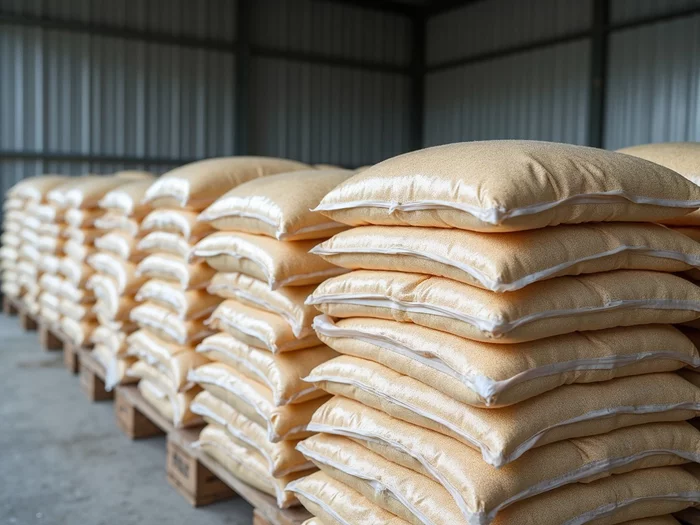
You must achieve complete hermetic seals to prevent air and moisture infiltration that destroys feed quality. Poor sealing allows oxygen to enter bags gradually, creating conditions where beneficial nutrients oxidise whilst harmful bacteria multiply. Even small gaps in seals can reduce feed shelf life by 60% in humid climates like southern Ghana.
Use heat sealing equipment (₦45,000 from packaging suppliers in Kano) to create consistent, airtight seals across the full width of polyethylene liners. Apply steady pressure for 3-5 seconds at 180-200°C to achieve proper seal strength without melting through the material. Test seal integrity by gently pulling sealed edges - properly sealed bags should not separate under moderate tension.
Double-seal critical areas where bags experience stress during handling and transport. Create primary seals 2cm from bag edges, then fold edges over and create secondary seals for extra protection. Mark sealed bags with production dates using waterproof markers, and store sealed bags with seams facing upward to prevent stress on sealed areas during stacking.
Transportation Considerations
You cannot maintain feed quality during transport without protecting packages from temperature extremes, physical damage, and moisture exposure. Transport vehicles in Nigeria often lack climate control, subjecting feed to temperatures exceeding 40°C that accelerate nutrient degradation even in properly sealed packages. Vibration and rough handling during transport can compromise package integrity and create entry points for contaminants.
Use insulated transport containers or cover feed loads with reflective tarps to reduce heat absorption during daylight transport. Schedule feed deliveries during cooler morning hours (6-9 AM) when temperatures stay below 28°C. Many successful farms in Nairobi coordinate with suppliers to use refrigerated trucks (costing ₦15,000 extra per tonne) for long-distance transport during hot seasons.
Secure packages properly to prevent shifting and impact damage that can tear packaging materials. Use wooden pallets and cargo straps to immobilise feed stacks, and avoid stacking heights exceeding 2 metres that create excessive pressure on bottom bags. Inspect all packages immediately upon delivery, and isolate any bags showing packaging damage for immediate use rather than long-term storage.
Handling Best Practices
You've mastered storage conditions and packaging methods, but improper handling can destroy feed quality within minutes of removing it from storage. Physical damage during handling breaks feed pellets, creating dust that loses nutritional value and becomes difficult for catfish to consume efficiently. When you handle 25kg feed bags roughly, you can lose 5-10% of pellet integrity, reducing feed conversion efficiency and increasing waste in your ponds.
African catfish (Clarias gariepinus) prefer intact pellets that maintain their shape in water for 15-20 minutes, allowing fish to consume them before nutrients leach out. Broken pellets dissolve faster, creating water quality problems and reducing feeding efficiency. Poor handling practices that create excessive dust and broken pellets can increase your feed conversion ratio from 1.2:1 to 1.8:1, significantly impacting profitability.
Implementing proper handling techniques protects your investment whilst ensuring your catfish receive maximum nutrition from every feeding. These practices become especially critical when you consider that handling occurs multiple times - from delivery to storage, storage to preparation areas, and during daily feeding routines.
Safe Feed Handling Techniques
You need to minimise physical impact and rough handling that breaks feed pellets and creates dust during transport and storage operations. Dropping 25kg bags from heights exceeding 30cm can break up to 15% of pellets, creating fine particles that catfish cannot consume effectively. Use proper lifting techniques and mechanical aids to prevent damage that reduces feed quality and increases waste.
Install conveyor systems or use pallet jacks (₦85,000 from equipment suppliers in Lagos) to move feed bags without dropping or dragging them across rough surfaces. When manual handling is necessary, use two-person teams for bags exceeding 20kg to maintain control and prevent accidental drops. Many successful farms in Kisumu use pneumatic bag lifters that cost ₦120,000 but eliminate physical stress on both workers and feed bags.
Store handling equipment properly to prevent contamination transfer between different feed batches. Clean pallet jacks and conveyor belts weekly with food-grade sanitisers, and inspect equipment regularly for sharp edges or rough surfaces that could tear packaging materials during transport.
FIFO Inventory Management
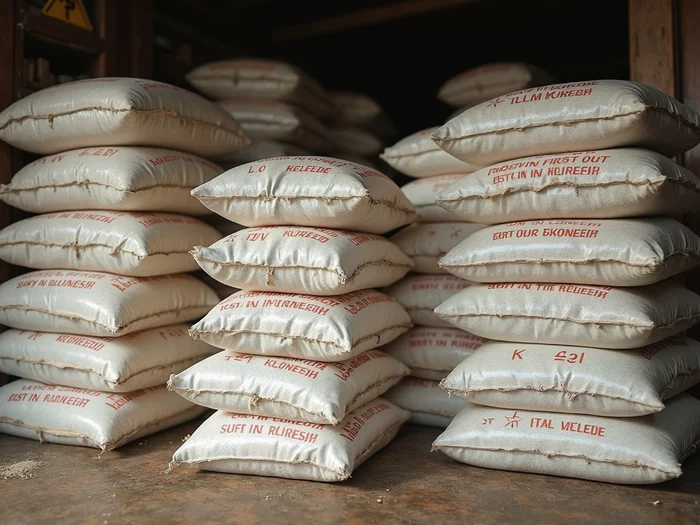
You must implement First-In, First-Out (FIFO) inventory rotation to ensure older feed gets used before newer deliveries, preventing nutrient degradation in stored feed. Feed stored longer than 3 months loses significant vitamin content even under optimal conditions, and using old feed reduces catfish growth rates by 20-30%. Proper FIFO management maintains consistent feed quality and prevents costly waste from expired inventory.
Label all feed deliveries with clear date markings using waterproof markers or printed labels that won't fade in humid conditions. Create designated storage areas where older stock stays easily accessible whilst newer deliveries go to separate sections. Use colour-coded tags (available from office suppliers in Accra for ₵50 per pack) to identify different delivery dates - red for immediate use, yellow for next week, green for future use.
Conduct weekly inventory checks to verify FIFO compliance and identify any feed approaching expiration dates. Train all farm workers on FIFO principles and create simple charts showing which feed to use first. Document feed usage patterns to optimise ordering schedules and reduce inventory holding times that increase nutrient loss risks.
Dust and Contamination Control
You need effective dust suppression methods during feed handling because dust particles lose nutritional value rapidly and create respiratory problems for both workers and fish. Excessive dust indicates pellet breakdown that reduces feed quality and creates water quality issues when fine particles dissolve quickly in ponds. Dust also provides surfaces where harmful bacteria can multiply, increasing contamination risks.
Use enclosed conveyor systems or covered transport containers to minimise dust generation during feed movement. Install dust collection systems (₦200,000 from industrial suppliers in Port Harcourt) in feed preparation areas, or use simple exhaust fans to remove airborne particles before they settle on equipment and surfaces. Wet down work areas lightly before handling dusty feed, but ensure surfaces dry completely to prevent mould growth.
Implement strict hygiene protocols including hand washing stations and clean work clothing for staff handling feed. Provide dust masks for workers in feed preparation areas, and schedule regular cleaning of all surfaces where feed dust might accumulate. Store cleaning equipment separately from feed areas to prevent cross-contamination between cleaning chemicals and feed materials.
Nutrient Preservation Techniques
You've established proper storage and handling procedures, but maintaining peak nutritional value requires active preservation techniques that protect vulnerable nutrients from degradation. Vitamins A, C, and E deteriorate rapidly even under optimal storage conditions, losing 20-40% of their potency within 60 days of feed production. Without proper preservation methods, your catfish receive suboptimal nutrition that directly impacts growth rates, disease resistance, and reproductive performance.
African catfish (Clarias gariepinus) require specific nutrient profiles to achieve optimal growth and health, but these nutrients face constant threats from oxidation, light exposure, and enzymatic breakdown during storage. Essential fatty acids that support immune function and growth can become rancid within weeks, creating compounds that actually harm fish health rather than supporting it.
Understanding and implementing nutrient preservation techniques allows you to maintain feed quality for extended periods, reducing waste and ensuring consistent fish performance. These methods become particularly important in tropical climates where high temperatures and humidity accelerate nutrient degradation processes. Similar preservation principles apply across aquaculture species, as demonstrated by successful optimizing tilapia feed conversion ratio through proper feed management techniques.
Use of Antioxidants
You should incorporate natural and synthetic antioxidants into your feed preservation strategy to prevent fat oxidation and vitamin degradation that occurs during storage. Vitamin E (tocopherols) and BHT (butylated hydroxytoluene) effectively prevent rancidity in fish oils and protect fat-soluble vitamins from breakdown. Quality feed manufacturers in Ibadan add 200-400 IU of vitamin E per kilogram of feed specifically to maintain nutritional integrity during storage.
Look for feeds containing mixed tocopherols rather than single antioxidants, as combinations provide broader protection against different types of oxidation. Ethoxyquin, whilst controversial in some markets, remains highly effective at preventing nutrient loss in tropical storage conditions. Feeds with proper antioxidant systems maintain 90% of their original vitamin content after 4 months of storage, compared to 60% for unprotected feeds.
Monitor antioxidant effectiveness by checking for rancid odours or off-flavours that indicate oxidation has begun. Fresh catfish feed should smell mildly fishy or grain-like, never sharp, sour, or chemical-like. Replace feeds showing signs of oxidation immediately, as rancid fats can damage catfish liver function and reduce growth performance significantly.
Additives for Nutrient Retention
You can enhance nutrient stability by selecting feeds containing stabilising additives that protect vitamins and minerals during storage and digestion. Chelated minerals resist degradation better than inorganic mineral salts, maintaining bioavailability for catfish absorption. Vitamin C in stabilised forms (calcium ascorbate or magnesium ascorbate) retains potency 3-4 times longer than standard ascorbic acid in tropical storage conditions.
Request feed analysis certificates from suppliers showing stabilised nutrient forms rather than basic vitamin and mineral listings. Quality feeds from mills in Kumasi contain protected choline, stabilised vitamin A palmitate, and chelated trace minerals that maintain activity throughout the recommended storage period. These enhanced formulations cost ₵5-8 more per 25kg bag but prevent nutrient losses worth ₵20-30 in reduced fish performance.
Track nutrient retention by monitoring fish growth rates and health indicators over time. Catfish receiving properly preserved nutrients should maintain consistent growth rates throughout the storage period of their feed. Declining growth performance often indicates nutrient degradation even when feed appears visually acceptable.
Impact on Catfish Health and Growth
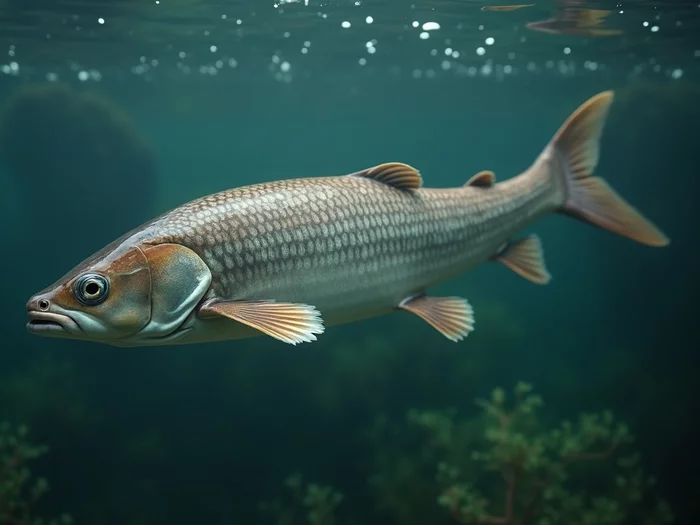
You'll observe direct correlations between feed nutrient preservation and catfish performance metrics including growth rate, feed conversion efficiency, and disease resistance. Well-preserved feeds support growth rates of 8-12g per day in juvenile Clarias gariepinus, whilst degraded feeds may only achieve 4-6g daily growth under identical conditions. This performance difference translates to 30-60 days longer production cycles and significantly reduced profitability.
Monitor key performance indicators that reflect nutrient quality including feed conversion ratios, mortality rates, and fish behaviour during feeding. Healthy catfish consuming properly preserved feed show aggressive feeding behaviour and complete feed consumption within 15-20 minutes. Poor appetite, slow feeding responses, or unconsumed feed often indicate nutrient degradation affecting palatability and nutritional value.
Document feed expiry dates and correlate them with fish performance data to establish optimal usage timelines for your specific storage conditions. Many farms in Nairobi find that feeds maintain peak nutritional value for 90-120 days under proper storage, after which growth rates begin declining even though feed appears acceptable. Use this data to optimise ordering schedules and inventory management practices.
Contamination Prevention
You cannot afford contamination in your feed storage system because even small amounts of harmful bacteria, toxins, or foreign materials can devastate your entire catfish population. Contaminated feed kills fish faster than poor water quality, and mycotoxins from mouldy feed can cause liver damage that affects catfish for months even after switching to clean feed. Prevention costs far less than treating contamination problems or replacing dead fish.
African catfish (Clarias gariepinus) are particularly sensitive to aflatoxins and other mycotoxins that develop in improperly stored feed, with fingerlings showing symptoms within 24-48 hours of consuming contaminated feed. Adult fish may survive initial exposure but suffer reduced growth rates, compromised immune systems, and increased susceptibility to bacterial infections that can spread throughout your ponds.
Implementing comprehensive contamination prevention requires systematic approaches that address biological, chemical, and physical contamination sources. These prevention strategies protect both your immediate fish stock and long-term farm sustainability by maintaining consistent feed quality and fish health.
Pest Control Measures
You must establish integrated pest management systems that prevent rodents, insects, and birds from accessing stored feed without using toxic chemicals that could contaminate feed supplies. Rats can consume 10-15% of stored feed whilst contaminating much larger quantities with urine and faeces that carry dangerous pathogens. A single rat family can contaminate 200kg of feed in one month, creating health risks and economic losses exceeding ₦50,000.
Install physical barriers including metal storage containers with tight-fitting lids, wire mesh screens over ventilation openings, and door seals that prevent pest entry. Use snap traps and glue boards (₦200 each from agricultural suppliers in Kano) positioned around storage areas, checking and replacing them weekly. Many successful farms in Kampala use ultrasonic pest deterrents costing ₦15,000 that repel rodents without chemicals or noise disturbance.
Monitor for pest activity through regular inspections looking for droppings, gnaw marks, or damaged packaging materials. Establish bait stations outside storage buildings to intercept pests before they reach feed supplies, and maintain vegetation-free zones around storage facilities that eliminate pest hiding places and nesting sites.
Microbial Contamination Prevention
You need systematic sanitation protocols that prevent harmful bacteria, moulds, and yeasts from establishing colonies in your feed storage environment. Salmonella, E. coli, and Clostridium species can multiply rapidly in feed under warm, humid conditions, producing toxins that cause acute poisoning in catfish. Even low levels of bacterial contamination can stress fish immune systems, making them vulnerable to secondary infections.
Implement regular cleaning schedules using food-grade disinfectants (sodium hypochlorite solutions at 200ppm concentration) to sanitise storage surfaces, equipment, and containers. Clean storage areas monthly when empty, allowing complete drying before introducing new feed supplies. Use HEPA air filtration systems (₦180,000 from industrial suppliers in Lagos) in enclosed storage facilities to remove airborne spores and bacteria.
Test feed samples quarterly for microbial contamination using simple agar plate tests available from veterinary laboratories in major cities for ₦5,000 per sample. Establish baseline contamination levels for your storage system, and investigate any increases that might indicate sanitation problems or equipment contamination sources.
Climate-Specific Considerations
You must adapt your feed storage strategies to match local climate conditions because what works in Egypt's dry climate will fail catastrophically in Ghana's humid coastal regions. Temperature and humidity variations across Africa create vastly different challenges for maintaining feed quality, and ignoring these differences leads to rapid nutrient degradation and contamination problems. Understanding your specific climate allows you to implement targeted solutions that protect feed quality year-round.
African catfish farming spans diverse climate zones from the Sahel's arid conditions to equatorial rainforest regions, each presenting unique storage challenges. Farmers in northern Nigeria face extreme temperature fluctuations and dust contamination, whilst those in southern regions battle constant humidity and mould growth. Your storage system must account for these environmental realities to maintain consistent feed quality.
Successful feed storage requires climate-specific equipment, procedures, and monitoring systems that address local environmental stresses. These adaptations often determine the difference between profitable operations and costly failures, making climate considerations essential for sustainable catfish farming across Africa's varied environments.
Tropical vs. Temperate Climates
You face fundamentally different storage challenges in tropical climates where high humidity and temperatures accelerate feed degradation compared to temperate regions with more stable conditions. Tropical areas like southern Ghana maintain 80-90% humidity year-round, requiring aggressive moisture control measures that temperate climates don't need. Feed stored in tropical conditions without proper protection loses nutritional value 2-3 times faster than identical feed in temperate storage.
Install industrial dehumidifiers (₵25,000 from equipment suppliers in Accra) capable of maintaining 50-60% relative humidity in tropical storage facilities, compared to simple ventilation systems sufficient for temperate climates. Use vapour barrier materials and sealed storage containers that would be unnecessary in drier temperate regions. Many farms in equatorial regions invest ₦300,000 in climate-controlled storage rooms that would be excessive in temperate areas.
Monitor temperature fluctuations more closely in tropical climates where daily variations of 15-20°C stress packaging materials and accelerate nutrient breakdown. Temperate regions with stable temperatures allow simpler monitoring systems, whilst tropical operations require continuous data logging and automated climate control responses.
Seasonal Adjustments
You must modify storage procedures seasonally to address changing environmental conditions that affect feed quality throughout the year. During Kenya's dry season (June-October), focus on dust control and temperature management, whilst wet seasons (March-May and November-December) require intensive moisture control and mould prevention measures. Failing to adjust storage practices seasonally can destroy months of properly stored feed within weeks of environmental changes.
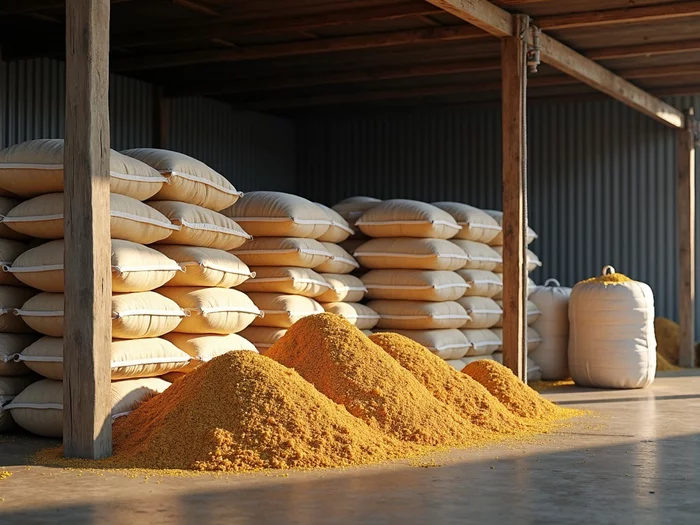
Increase dehumidifier capacity by 50% during rainy seasons when ambient humidity exceeds storage facility capabilities. Schedule major feed deliveries during dry seasons when transport and storage conditions are optimal, and reduce inventory levels during high-risk wet periods. Many successful farms in Nairobi order 3-month supplies before rainy seasons rather than maintaining 6-month inventories that risk spoilage.
Adjust ventilation patterns seasonally - increase airflow during humid periods to prevent condensation, but reduce ventilation during dusty dry seasons to prevent contamination. Install seasonal equipment like additional fans or moisture barriers that deploy only during high-risk periods, optimising costs whilst maintaining protection.
Practical Application Strategies
You can learn from successful climate-specific adaptations implemented by established catfish farms across different African regions. Farms in Egypt's Nile Delta use solar-powered cooling systems that reduce storage temperatures by 12-15°C during summer months, whilst operations in Uganda's highland regions focus on moisture control during extended rainy seasons. These proven strategies provide templates for adapting storage systems to local conditions.
Document seasonal patterns affecting your specific location including temperature ranges, humidity levels, and precipitation patterns that impact storage conditions. Create seasonal checklists for storage adjustments, equipment maintenance, and monitoring procedures that ensure consistent feed quality throughout the year. Many farms in Ibadan maintain detailed climate logs that help predict storage challenges and prevent feed quality problems.
Network with other catfish farmers in similar climate zones to share successful storage strategies and learn from their experiences. Regional farmer associations in countries like Ghana and Nigeria often organise knowledge-sharing sessions where successful storage techniques are demonstrated and discussed, providing valuable practical insights for local conditions.
Prevention and Troubleshooting of Storage Problems
You need systematic approaches for identifying and resolving storage problems before they destroy your feed investment and harm your catfish. Early detection of mould growth, oxidation, or contamination allows corrective action that can save thousands of naira in feed costs and prevent fish health disasters. Most storage problems develop gradually, giving you opportunities to intervene if you know what warning signs to monitor.
African catfish (Clarias gariepinus) show immediate responses to poor-quality feed through reduced appetite, slower growth, and increased susceptibility to diseases. These fish health indicators often provide the first warnings of storage problems, but by then significant damage may have already occurred. Proactive monitoring and rapid response protocols prevent minor storage issues from becoming major operational disasters.
Developing troubleshooting skills and maintaining detailed records allows you to identify problem patterns, implement preventive measures, and respond quickly when issues arise. This systematic approach protects both your immediate feed supplies and long-term farm profitability by maintaining consistent feed quality standards.
Identifying Mould Outbreaks
You must recognise early signs of mould development including musty odours, visible discolouration, and clumping of feed pellets that indicate fungal growth has begun. Mould often starts in small pockets where moisture accumulates, then spreads rapidly throughout stored feed if environmental conditions remain favourable. Early-stage mould may appear as white, green, or black spots on individual pellets before becoming visible on bag surfaces.
Conduct weekly visual inspections of all stored feed, paying particular attention to bags stored near walls, floors, or ventilation systems where condensation might occur. Use UV lights (₦8,000 from laboratory suppliers in Lagos) to detect fluorescent compounds produced by certain moulds that aren't visible under normal lighting. Many dangerous moulds like Aspergillus species produce aflatoxins that fluoresce under UV light, providing early warning of contamination.
Test suspicious feed samples using rapid mould detection kits (₦2,500 per test from veterinary suppliers in Kampala) that provide results within 24 hours. Isolate any bags showing mould signs immediately, and increase ventilation and dehumidification in affected storage areas. Never attempt to salvage mouldy feed by removing visible contamination - mycotoxins penetrate throughout affected materials and remain dangerous even after visible mould removal.
Signs of Oxidation
You can detect feed oxidation through sensory evaluation including rancid odours, off-flavours, and colour changes that indicate fat breakdown and vitamin degradation. Fresh catfish feed should smell mildly fishy or grain-like, never sharp, sour, or paint-like odours that signal rancidity. Oxidised feed often develops yellowish or brownish discolouration as natural pigments break down and reaction products accumulate.
Monitor feed temperature during storage because oxidation generates heat that creates warm spots in stored feed. Use infrared thermometers (₦12,000 from equipment suppliers in Accra) to check for temperature variations within storage areas that might indicate active oxidation processes. Feed temperatures exceeding ambient storage temperature by more than 3°C suggest oxidation reactions are occurring.
Test feed samples for peroxide values using simple chemical test kits (₦5,000 from laboratory suppliers in Ibadan) that measure oxidation levels quantitatively. Peroxide values above 10 milliequivalents per kilogram indicate significant oxidation that reduces nutritional value and palatability. Document oxidation trends to identify storage conditions or handling practices that accelerate nutrient degradation.
Record Keeping and Monitoring
You must maintain detailed records of storage conditions, feed quality assessments, and fish performance data that allow pattern recognition and problem prevention. Document daily temperature and humidity readings, weekly feed inspections, and monthly quality tests that provide baseline data for identifying developing problems. Consistent record keeping helps you correlate storage conditions with feed quality outcomes and fish performance metrics.
Use simple data logging systems including digital thermometers with memory functions, humidity metres with data storage, and smartphone apps for recording inspection results. Create standardised forms for feed quality assessments that ensure consistent evaluation criteria and make trend analysis easier. Many successful farms in Nairobi use cloud-based record systems that allow remote monitoring and automatic alert generation when conditions exceed acceptable ranges.
Analyse records monthly to identify patterns that predict storage problems or correlate with fish performance changes. Look for relationships between environmental conditions, storage practices, and feed quality outcomes that help optimise your storage system. Share relevant data with feed suppliers and veterinary advisors who can provide additional insights for improving storage effectiveness and preventing future problems.
Summary Table
| Key Points | Details |
|---|---|
| Moisture Control | Keep feed moisture below 12% to prevent mould; store in areas with humidity below 65%. |
| Temperature Management | Maintain storage temperatures between 15-25°C; higher temps can degrade vitamins. |
| Ventilation | Ensure adequate airflow to prevent condensation; stack bags on pallets 15cm off the floor. |
| Packaging | Use airtight polyethylene-lined bags; aim for multi-layer packaging for added protection. |
| Handling Techniques | Minimise physical impact; use mechanical aids for heavy bags to prevent breakage. |
| FIFO Management | Implement First-In, First-Out to use older stock first; label feeds with clear dates. |
| Contamination Prevention | Establish pest control measures; implement sanitation protocols to avoid microbial growth. |
| Nutrient Preservation | Incorporate antioxidants and stabilising additives to maintain vitamin integrity during storage. |
| Record Keeping | Maintain logs of storage conditions, feed quality, and fish performance to detect issues early. |
Conclusion
Proper feed storage and handling protects your investment whilst ensuring your catfish receive maximum nutrition from every kilogramme of feed. By maintaining storage temperatures between 15-25°C, humidity below 65%, and implementing FIFO inventory management, you prevent the nutrient losses that destroy profitability. Quality packaging, careful handling, and contamination prevention measures keep your feed fresh and safe for months rather than weeks.
You now understand the technical principles behind effective feed management for African catfish operations. Start with basic moisture control and temperature monitoring, then gradually implement advanced preservation techniques as your operation grows. These practices become routine with experience, and the improved feed conversion ratios will demonstrate their value quickly.
With feed storage mastered, focus next on optimising your feeding schedule for African catfish and techniques. Proper storage ensures your feed maintains its nutritional value, whilst correct feeding practices ensure your catfish can utilise those nutrients efficiently for maximum growth and health.
Frequently Asked Questions
How often should I check the moisture content of my African catfish feed?
You should test random samples from different feed bags monthly using a grain moisture metre to ensure levels stay below 14%. If you notice any visible mould or suspect high humidity, increase your testing frequency. Discard any feed exceeding 14% moisture or showing mould growth immediately.
What temperature range is optimal for storing catfish feed to prevent nutrient loss?
You should aim to maintain storage temperatures between 15-25°C to preserve feed quality. Higher temperatures accelerate fat oxidation and vitamin degradation, particularly for essential nutrients vital for African catfish. Insulated storage rooms or evaporative cooling systems can help achieve this in tropical climates.
Can I just use standard woven polypropylene bags for storing my catfish feed?
Whilst standard woven polypropylene bags are common, they allow moisture and oxygen penetration, which degrades feed quality rapidly. For better protection of your African catfish feed, use multi-layer packaging with an inner polyethylene film (at least 150 microns thick) and ensure airtight, heat-sealed closures. This extends shelf life significantly.
Why is FIFO (First-In, First-Out) important for managing catfish feed inventory?
Implementing FIFO ensures that older feed is used before newer deliveries, preventing nutrient degradation from prolonged storage. Feed stored longer than three months can lose significant vitamin content, negatively impacting African catfish growth rates. Proper rotation maintains consistent feed quality and reduces costly waste.
What are the immediate signs of mould development in stored catfish feed?
You should look for musty odours, visible discolouration (white, green, or black spots), and clumping of feed pellets. These are early indicators of fungal growth. Conduct weekly visual inspections, especially for bags near walls or floors, and consider using UV lights to detect fluorescent compounds from certain moulds.


Yomi Adisa Lead Researcher
Yomi Adisa is the lead researcher at Fish Farming Business, where he studies what makes aquaculture ventures profitable across Africa. His research focuses on market patterns, buyer preferences, and the business decisions that determine success or failure in fish farming.