Maintaining Water Quality for Catfish
Posted on: 2025-09-29
By: Yomi Adisa
Have you ever considered how the health of your catfish hinges on the quality of their water? Understanding the nuances of water management can transform your farming operation, making it not just profitable but sustainable.
What You Will Learn
- Importance of Water Quality: Optimal water conditions are crucial for the health and growth of catfish, impacting yields significantly.
- Key Parameters to Monitor: Regularly test water temperature, pH, dissolved oxygen, and ammonia levels to maintain a healthy pond environment.
- Effects of Eutrophication: Understand how excessive nutrients can lead to algal blooms, suffocating fish and depleting oxygen levels.
- Temperature Regulation: Maintain ideal water temperatures between 25°C and 30°C to optimize growth and metabolic processes.
- pH Balance: Keep pH levels between 6.5 and 8.5 for nutrient availability and fish health.
- Oxygen Management: Use aerators and aquatic plants to ensure sufficient dissolved oxygen levels in your ponds.
- Ammonia Control: Implement regular water changes and biological filters to manage ammonia levels and prevent toxicity.
Key Water Quality Parameters for African Catfish
Maintaining optimal water quality is paramount for the health and growth of African catfish. The following parameters are crucial for a thriving aquaculture environment. For more insights on maximizing your yields, explore our guide on maximizing catfish yields.
Temperature Regulation
Ideal range for African catfish is 25°C to 30°C. Fluctuations cause stress and reduce growth.
- • Use thermometers
- • Implement shading
- • Install aerators
pH Levels
Maintain pH between 6.5 and 8.5 for optimal growth. Imbalance affects nutrient availability.
- • Use pH testing kits
- • Add lime for alkalinity
- • Use sodium bicarbonate
Dissolved Oxygen (DO)
Levels below 5 mg/L are detrimental. Essential for survival and growth.
- • Install mechanical aerators
- • Optimize pond design
- • Encourage aquatic plants
Ammonia & Nitrogen
High ammonia is toxic. Understanding the nitrogen cycle is key to management.
- • Regular water changes
- • Biological filters
- • Planting techniques
Turbidity
Cloudiness from sediment/algae. High turbidity blocks sunlight, reducing oxygen.
- • Clear debris regularly
- • Sediment control
- • Aquatic vegetation
Eutrophication Risks
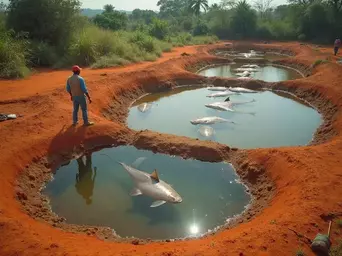
Excess nutrients lead to algal blooms, reducing oxygen and harming fish.
- • Detect via water color
- • Nutrient management
- • Regular water changes
Understanding the Importance of Water Quality for African Catfish
As an aquaculture expert, my experience has taught me that water quality is the lifeblood of a successful catfish farming operation. In Africa, where many farmers rely on earthen ponds, understanding how to maintain optimal water conditions can significantly affect the health and growth of the fish. Let's dive into why these water conditions matter.
Why Optimal Water Conditions Matter in Earthen Ponds
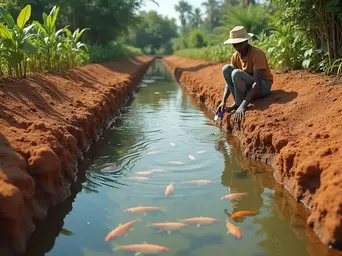
Earthen ponds are often the primary choice for catfish farming due to their cost-effectiveness and ease of construction. However, maintaining optimal water conditions in these ponds can be challenging. Poor water quality can lead to decreased fish health, slower growth rates, and ultimately lower yields.
- Water temperature: Affects metabolic rates and growth.
- Dissolved oxygen: Essential for respiration and overall fish well-being.
- pH levels: Impacts nutrient availability and fish health.
When we prioritize water quality management, we create a thriving environment for our catfish. It’s crucial for farmers to regularly monitor these parameters to prevent any adverse effects on their stock. For more comprehensive insights, consider reading our detailed guide on catfish farming for beginners.
The Role of Water Quality in Catfish Health and Growth
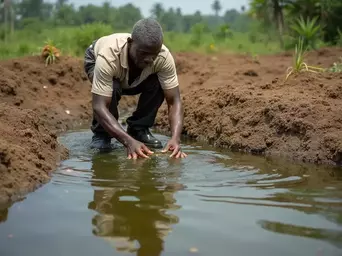
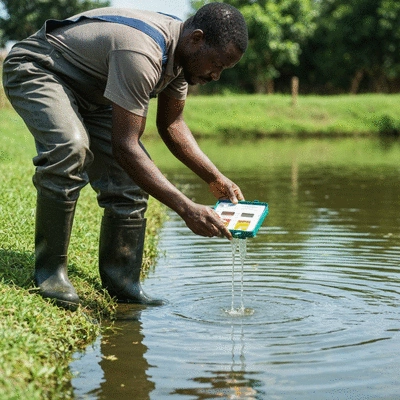
The health of your catfish is directly linked to the quality of water they inhabit. When water quality is compromised, fish become more susceptible to diseases and stress, which can stunt their growth. One of my key recommendations is to establish regular water testing routines.
- Test for dissolved oxygen levels to ensure adequate oxygenation.
- Monitor ammonia and nitrogen levels to prevent toxicity.
- Check pH regularly to keep the environment balanced.
By keeping a close eye on these factors, farmers can create a sustainable and healthy habitat that promotes optimal growth and reduces mortality rates.
Exploring the Impact of Eutrophication on Catfish Farming
Eutrophication is a process that can severely impact our catfish ponds. It occurs when excessive nutrients, especially nitrogen and phosphorus, enter the water, leading to algal blooms. These blooms can suffocate fish and drastically reduce oxygen levels.
- Detect signs of eutrophication through water color changes and algal growth.
- Implement best practices for nutrient management to mitigate risks.
- Regularly perform water changes to refresh nutrients.
As catfish farmers, we have a responsibility to manage our ponds effectively to avoid these pitfalls. Understanding the implications of eutrophication is essential for ensuring the sustainability of our farming practices.
Key Water Quality Parameters to Monitor
Moving forward, it's vital to focus on specific water quality parameters that can make or break your catfish farming success. Regularly monitoring these aspects will empower you to maintain a stable and healthy environment for your fish.
Temperature Regulation: Maintaining Ideal Conditions for Growth
Temperature plays a critical role in the growth and metabolic processes of catfish. The ideal temperature range for African catfish is between 25°C and 30°C. Deviations from this range can lead to stress and reduced growth rates.
Understanding the Impact of Temperature Fluctuations
Temperature fluctuations can significantly affect fish behavior and health. During hot seasons, it's crucial to monitor pond temperatures closely and provide shade or aeration if necessary.
- Use thermometers to regularly check water temperatures.
- Implement shading techniques using aquatic plants or structures.
- Install aerators to help regulate heat during peak temperatures.
By being proactive about temperature management, you can significantly enhance your catfish's growth potential and overall health. For more on advanced farming techniques, visit our resources on advanced aquaculture techniques.
pH Levels: Balancing Acidity and Alkalinity
The pH level of your pond water can greatly influence the health of your catfish. Ideally, the pH should be maintained between 6.5 and 8.5 for optimal growth. Regular testing is necessary to avoid acidic or overly alkaline conditions.
How pH Affects Catfish Development
Maintaining a balanced pH is crucial for nutrient availability and the overall health of your fish. An imbalanced pH can lead to stress and compromised immune systems.
- Utilize pH testing kits to monitor levels regularly.
- Add lime to increase alkalinity if needed.
- Use sodium bicarbonate to lower acidity effectively.
By ensuring the right pH level, we can set the stage for our catfish to thrive in a healthy environment.
Dissolved Oxygen: Essential for Aquatic Life
Dissolved oxygen is crucial for the survival of catfish. Levels below 5 mg/L can be detrimental, leading to stress and potential mortality. It's essential to maintain adequate oxygen levels in your ponds.
Methods to Ensure Sufficient Oxygen Levels in Ponds
To ensure your pond has sufficient oxygen, consider various methods of aeration. Regular monitoring and aerator installation can make a significant difference.
- Install mechanical aerators to increase oxygen levels.
- Optimize pond design to enhance water movement.
- Encourage aquatic plants that produce oxygen during photosynthesis.
By focusing on these methods, we can create a more oxygen-rich environment that benefits our catfish and promotes better growth rates.
Ammonia and Nitrogen Cycle: Understanding Their Effects on Water Quality
Managing ammonia levels is essential to maintaining water quality. High ammonia concentrations can be toxic to fish and lead to poor health outcomes. Understanding the nitrogen cycle in your pond helps in managing these levels effectively.
Managing Ammonia Levels for Healthy Aquaculture
To keep ammonia levels in check, implementing good management practices is crucial. This includes monitoring waste build-up and ensuring proper filtration.
- Perform regular water changes to dilute ammonia concentration.
- Incorporate biological filters to break down waste.
- Use planting techniques to enhance filtration naturally.
Through proper management of ammonia levels, we can promote a healthier environment for our catfish and prevent toxic effects. You can find more practical advice on pond maintenance in our article on essential pond maintenance tips.
Assessing Turbidity and Its Implications for Pond Health
Turbidity refers to the cloudiness of water, which can result from sediment, algae, or organic matter. High turbidity can block sunlight, impairing photosynthesis, and reducing oxygen levels.
Monitoring turbidity is essential for maintaining a healthy pond ecosystem. A few strategies to tackle turbidity include:
- Regularly clearing debris and organic waste from the pond.
- Utilizing sediment control measures during rainfall.
- Implementing aquatic vegetation to stabilize sediments.
By addressing turbidity issues, farmers can ensure their ponds remain healthy and conducive to catfish growth.
Pro Tip
To further enhance your catfish farming success, consider implementing a comprehensive water quality management plan. Regularly schedule water tests and maintain optimal levels of dissolved oxygen, pH, and ammonia. Additionally, introducing aquatic plants not only aids in oxygenation but also provides natural filtration, creating a healthier environment for your catfish.
Frequently Asked Questions About Catfish Pond Water Quality
- What are the most important water quality parameters for African catfish?
- The most important parameters are temperature (25°C-30°C), pH (6.5-8.5), dissolved oxygen (above 5 mg/L), and ammonia/nitrogen levels. Turbidity and the risk of eutrophication also require close monitoring.
- Why is temperature regulation critical for catfish growth?
- Temperature directly affects the metabolic rates and growth of catfish. Maintaining the ideal range (25°C-30°C) prevents stress and optimizes growth. Fluctuations outside this range can lead to slower growth and health issues.
- How can I prevent high ammonia levels in my catfish pond?
- To manage ammonia, regularly perform water changes to dilute concentrations, incorporate biological filters to break down waste, and use planting techniques to enhance natural filtration. Understanding the nitrogen cycle is also crucial.
- What is eutrophication, and how does it affect catfish farming?
- Eutrophication is caused by excessive nutrients (nitrogen and phosphorus) leading to algal blooms. These blooms can drastically reduce dissolved oxygen, suffocate fish, and negatively impact overall pond health and sustainability.
- What methods can be used to ensure sufficient dissolved oxygen in ponds?
- Methods to maintain adequate dissolved oxygen include installing mechanical aerators, optimizing pond design for better water movement, and encouraging aquatic plants that produce oxygen through photosynthesis.
Summarizing Key Takeaways for Optimal Water Quality Maintenance
Maintaining optimal water quality in your earthen ponds is crucial for the success of your African catfish farming operation. As I’ve often shared with farmers, the health and growth of your fish largely depend on the right water conditions. Here are the essential practices you should remember:
- Regular Monitoring: Routinely check key parameters such as temperature, pH, and dissolved oxygen levels.
- Maintain Cleanliness: Ensure ponds are regularly cleaned to prevent waste buildup.
- Manage Stocking Densities: Keep an eye on the number of fish in your ponds to avoid overcrowding.
- Implement Aeration: This will help maintain adequate oxygen levels, especially during warmer months.
- Water Exchange Practices: Regularly change a portion of the pond water to maintain quality.
By integrating these practices into your daily routine, you’ll foster a healthy environment for your catfish. Remember, prevention is always better than cure!
Recap of Essential Practices for African Catfish in Earthen Ponds
To ensure the success of your catfish farming, it’s important to understand and implement the following critical aspects:
- Monitor and adjust water temperature to promote growth.
- Balance pH levels for optimal fish development.
- Maintain sufficient dissolved oxygen for healthy aquatic life.
- Regularly manage ammonia levels to prevent toxicity.
- Keep turbidity in check for clear and healthy water.
Practicing these recommendations will not only improve the health of your fish but also enhance the overall productivity of your farming operation.
Encouraging Sustainable Practices in Aquaculture
Call to Action: Implementing Effective Water Quality Management
As farmers, we all have a role to play in promoting sustainable aquaculture practices. I encourage you to take immediate action by implementing the water quality management techniques discussed here. Your efforts can lead to a more productive and responsible farming operation. Let’s work together to elevate the standards of catfish farming in Africa!
Exploring Further Resources and Community Support for Fish Farmers
For those looking to deepen their knowledge, I recommend connecting with local aquaculture organizations and participating in workshops or forums. These platforms provide invaluable resources and support systems for fish farmers. Additionally, our website at African Catfish Farming offers a wealth of information tailored to your unique farming needs. Don't hesitate to reach out!
Highlighting the Role of Aquatic Plants in Sustainable Pond Management
Integrating aquatic plants into your pond management strategy can significantly enhance water quality. They play a vital role in oxygen production and provide shelter for your catfish. Here are some benefits of incorporating aquatic plants:
- Natural Filtration: They help filter out impurities and improve water clarity.
- Habitat Creation: Plants provide shelter and breeding grounds for fish.
- Oxygenation: During photosynthesis, aquatic plants release oxygen into the water.
Including these plants not only supports your fish but also contributes to a well-balanced ecosystem within your ponds. Together, we can create sustainable and thriving aquaculture environments!
Recap of Key Points
Here is a quick recap of the important points discussed in the article:
- Regular Monitoring: Routinely check key parameters such as temperature, pH, and dissolved oxygen levels.
- Maintain Cleanliness: Ensure ponds are regularly cleaned to prevent waste buildup.
- Manage Stocking Densities: Keep an eye on the number of fish in your ponds to avoid overcrowding.
- Implement Aeration: This will help maintain adequate oxygen levels, especially during warmer months.
- Water Exchange Practices: Regularly change a portion of the pond water to maintain quality.


Yomi Adisa Lead Researcher
Yomi Adisa is the lead researcher at Fish Farming Business, where he studies what makes aquaculture ventures profitable across Africa. His research focuses on market patterns, buyer preferences, and the business decisions that determine success or failure in fish farming.