Formulating Affordable Catfish Feed Using Local Ingredients for Best Growth
Posted on: 2025-11-09
By: Yomi Adisa
You've invested in fingerlings, built your ponds, and now face the reality that commercial catfish feed can consume up to 70% of your production costs. In Ghana, many farmers struggle to maintain consistent feeding programmes when imported feeds become unaffordable, leading to stunted growth and extended production cycles.
The solution lies in understanding how to formulate nutritious catfish feed using ingredients readily available in your local market. This article provides you with the technical knowledge to identify suitable local ingredients, balance their nutritional profiles, and produce cost-effective feed that supports optimal growth rates.
Learning to formulate your own feed matters because it directly impacts your profitability and production consistency. When you master local feed formulation, you reduce dependency on expensive commercial feeds whilst maintaining the protein and energy levels your catfish need for healthy development.
You'll discover how ingredients like rice bran, cassava leaves, and local oilseed cakes can replace costly imported components without compromising fish performance. We'll guide you through the complete production process, from ingredient selection and grinding to pelleting and storage, ensuring you can implement these techniques immediately.
By the end of this guide, you'll understand how to adjust feed formulations for different growth stages, monitor feed effectiveness, and troubleshoot common production challenges that small-scale farmers encounter when producing their own catfish feed.
What You Will Learn
- Learn how to identify and source local ingredients that provide essential nutrients for African catfish (Clarias gariepinus).
- Discover effective methods for balancing nutritional profiles to formulate cost-effective feeds tailored to different catfish growth stages.
- Master the step-by-step processes of grinding, mixing, pelleting, and storing catfish feed using local resources.
- Understand how to monitor feed effectiveness and adjust formulations based on growth performance and feed conversion ratios.
- Explore practical feeding strategies that enhance growth rates and optimise feed efficiency in your catfish farming operations.
Benefits and Cost Implications of Local Feed Formulation
You can reduce your feed costs by 40-60% when you formulate catfish feed using local ingredients instead of relying entirely on commercial feeds. Most farmers in Nigeria spend ₦180-220 per kilogram on imported commercial feeds, whilst locally formulated feeds cost ₦70-120 per kilogram depending on ingredient availability. This cost difference becomes substantial when you're feeding 2,000-5,000 catfish through a complete production cycle.
Local feed formulation also gives you control over ingredient quality and nutritional consistency. When commercial feed prices spike due to foreign exchange fluctuations—as happened across West Africa in 2023—you maintain stable production costs. Your catfish continue receiving adequate nutrition without forcing you to reduce feeding rates or extend production cycles.
The environmental and economic benefits extend beyond your farm gate. You support local agricultural value chains whilst reducing transportation costs and packaging waste associated with imported feeds. Here's how local feed formulation transforms your production economics and fish performance.
Cost-Effectiveness and Availability
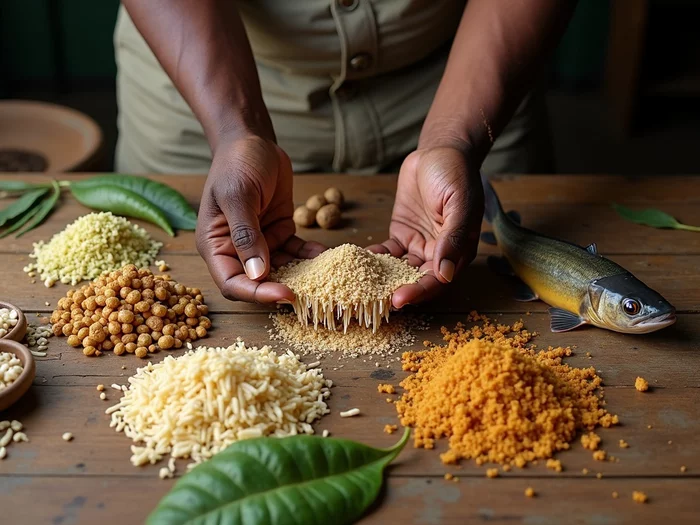
You'll find rice bran available year-round at ₦40-60 per 50kg bag from rice mills in Kebbi, Kaduna, and Niger states. Compare this to fishmeal imports costing ₦350-450 per kilogram, and you understand why local ingredients matter for profitability. Cassava leaves cost nothing if you grow cassava or ₦20-30 per wheelbarrow load from local farmers.
Palm kernel cake from oil mills in Rivers and Cross River states costs ₦80-120 per 50kg bag and provides 16-18% crude protein. You can substitute this for expensive soybean meal (₦180-220 per 50kg) in grow-out feeds without compromising growth rates. Groundnut cake from northern Nigeria offers 45-50% protein at ₦150-180 per 50kg bag—still cheaper than imported protein sources.
Sustainability and Environmental Impact
You reduce your carbon footprint significantly when sourcing ingredients within 50-100 kilometres of your farm instead of importing feeds manufactured thousands of kilometres away. Local sourcing eliminates the environmental costs of long-distance transportation and reduces packaging waste from commercial feed bags. Your feed production creates demand for agricultural by-products that might otherwise go to waste.
Supporting local ingredient suppliers strengthens rural economies in your region. When you purchase rice bran from nearby mills or palm kernel cake from local processors, you create sustainable income streams for other agricultural enterprises. This economic multiplier effect benefits your entire farming community whilst ensuring consistent ingredient availability.
Nutritional Benefits and Growth Impact
You can achieve protein levels of 35-40% for fingerling feeds and 28-32% for grow-out feeds using combinations of local ingredients. African catfish (Clarias gariepinus) efficiently utilise plant-based proteins when properly balanced with essential amino acids. Fresh cassava leaves provide lysine and methionine that complement the amino acid profile of cereal-based ingredients like rice bran and maize bran.
Your catfish actually prefer the taste and texture of properly formulated local feeds over some commercial alternatives. Local ingredients retain natural flavours and aromas that stimulate feeding behaviour, leading to better feed conversion ratios. You'll observe more aggressive feeding and consistent growth when fish receive fresh, locally-made feeds compared to stored commercial feeds that may have lost palatability during extended storage periods.
Key Ingredients for Catfish Feed
You need to understand the nutritional profile and availability of local ingredients before formulating effective catfish feed. The key to successful local feed production lies in combining readily available ingredients that provide the protein, energy, vitamins, and minerals your African catfish (Clarias gariepinus) require for optimal growth. Most successful formulations use 4-6 core ingredients that you can source consistently throughout the year.
Your ingredient selection strategy should focus on achieving the right balance between cost, nutritional value, and local availability. Rice bran forms the foundation of most local feeds because of its consistent supply and reasonable protein content, whilst cassava leaves provide essential amino acids that complement cereal-based ingredients. Understanding how these ingredients work together helps you create feeds that match or exceed commercial feed performance.
The following ingredients represent the most reliable options for catfish farmers across Africa, with specific attention to their nutritional contributions and practical sourcing considerations. You'll learn how to combine these ingredients effectively and substitute expensive components with affordable catfish feed from locals.
Common Local Ingredients
Rice bran contains 12-16% crude protein and provides excellent digestible energy for catfish growth. You can source rice bran from local mills in major rice-producing regions like Kebbi State (Nigeria), Mwea (Kenya), or the Volta Region (Ghana) at ₦40-60 per 50kg bag. The bran should smell fresh and sweet—avoid any with rancid odours that indicate spoilage from poor storage.
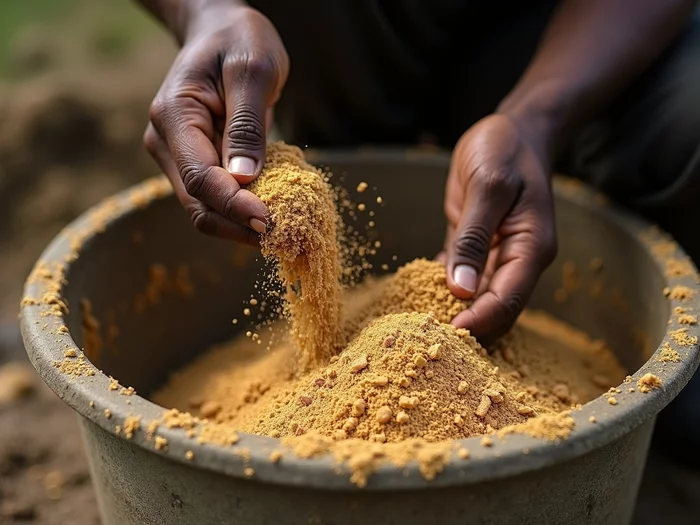
Cassava leaves offer 20-25% crude protein when properly dried and processed, making them an excellent protein supplement for your feed formulations. You can harvest fresh cassava leaves and sun-dry them for 2-3 days until they're crisp, then grind them into powder. Fresh leaves cost ₦20-30 per wheelbarrow load from cassava farmers, or you can grow your own cassava specifically for leaf production alongside tuber harvest.
Alternative Protein Sources
Palm kernel cake provides 16-18% crude protein and costs ₦80-120 per 50kg bag from oil mills across West Africa. You can substitute palm kernel cake for up to 30% of expensive soybean meal in grow-out feeds without affecting growth rates. The cake should be fresh with a nutty smell—reject any with mouldy odours or visible fungal growth that could harm your catfish.
Groundnut cake offers 45-50% crude protein and serves as an excellent fishmeal substitute in fingerling feeds. You'll find groundnut cake readily available in northern Nigeria, northern Ghana, and parts of Uganda at ₦150-180 per 50kg bag. Local fish processing waste from tilapia or other species can provide 55-65% protein when properly dried and ground, though you must ensure the fish waste is fresh and properly preserved to avoid bacterial contamination.
Nutritional Balancing
You need to balance crude protein, digestible energy, and essential amino acids when combining local ingredients. For fingerling feeds requiring 35-40% protein, combine 40% groundnut cake, 30% rice bran, 20% dried cassava leaves, and 10% palm kernel cake. This combination provides the lysine and methionine that African catfish need for efficient protein synthesis and rapid growth.
Your grow-out feeds requiring 28-32% protein work well with 25% groundnut cake, 40% rice bran, 20% maize bran, 10% cassava leaves, and 5% palm oil for energy. You should add 2-3% bone meal or limestone for calcium and phosphorus, plus 1% salt for essential minerals. This formulation costs approximately ₦85-110 per kilogram compared to ₦180-220 for commercial feeds whilst maintaining similar nutritional value.
Step-by-Step Feed Production Process
You need proper equipment and systematic procedures to transform raw local ingredients into nutritious catfish feed that your fish will readily consume. The production process involves three critical stages: grinding and mixing ingredients to achieve uniform particle size, pelleting the mixture into digestible forms, and properly drying and storing the finished feed. Each stage requires attention to detail because poor processing can reduce feed quality and fish performance.
Your success in feed production depends on maintaining consistency throughout the process. African catfish (Clarias gariepinus) perform best when receiving feeds with uniform particle size, consistent nutritional content, and proper texture that doesn't disintegrate quickly in water. You can achieve commercial-quality results using relatively simple equipment available in most African markets.
The following procedures will guide you through each production stage, from preparing raw ingredients to storing finished feed. You'll learn the specific techniques that ensure your locally-made feeds match or exceed the quality of expensive commercial alternatives whilst maintaining cost advantages.
Grinding and Mixing
You should grind all ingredients to pass through a 2-3mm screen for fingerling feeds or 4-5mm screen for grow-out feeds. Use a hammer mill or disc mill—available for ₦150,000-300,000 in Nigeria or KSh 80,000-150,000 in Kenya—to achieve consistent particle size. Grind fibrous ingredients like cassava leaves separately first, then combine with other ground ingredients to prevent uneven mixing.
Mix ingredients in specific order to ensure uniform distribution of nutrients throughout the feed. Start with the largest quantity ingredient (usually rice bran), add protein sources like groundnut cake, then incorporate smaller quantities like bone meal and salt. You need to mix for 10-15 minutes using a horizontal ribbon mixer or simple concrete mixer to achieve homogeneity—inadequate mixing creates nutritional hot spots that affect fish growth.
Pelleting Techniques
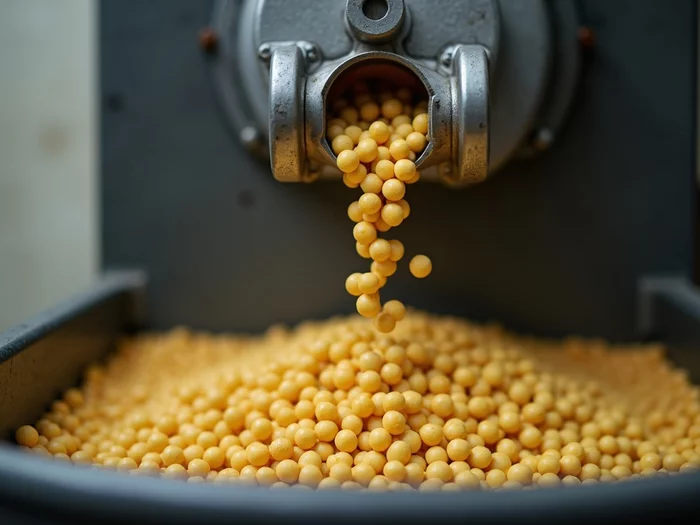
You can produce pellets using a simple meat mincer (₦25,000-45,000) for small quantities or invest in a pellet mill (₦200,000-500,000) for larger production. Add 15-20% water to the mixed ingredients and knead until the mixture holds together when squeezed. The mixture should feel like damp clay—too dry and pellets crumble, too wet and they don't hold shape.
Push the moistened mixture through your pelleting equipment to create uniform pellets 2-3mm diameter for fingerlings or 4-6mm for grow-out fish. Work quickly because the mixture becomes difficult to pellet as it dries. You can add 2-3% cassava starch or wheat flour as a binding agent if pellets don't hold together properly—this improves water stability and reduces feed waste in your ponds.
Drying and Storage
Spread fresh pellets on clean mats or trays in single layers and sun-dry for 6-8 hours until moisture content drops below 12%. You can test moisture by breaking pellets—they should snap cleanly without bending. Inadequate drying leads to mould growth within 2-3 days, especially during rainy seasons when humidity exceeds 70%.
Store dried feed in sealed plastic containers or metal drums with tight-fitting lids to prevent moisture absorption and pest infestation. Add a few dried neem leaves or bay leaves to deter insects naturally. Your properly stored feed maintains quality for 4-6 weeks in tropical conditions—longer storage reduces vitamin content and palatability, affecting fish performance and feed conversion ratios.
Nutritional Requirements by Life Stage
Your catfish have distinctly different nutritional needs at each life stage, requiring you to adjust feed formulations as they grow from fingerlings to market size. Young catfish need higher protein levels for rapid tissue development, whilst mature fish require more energy for weight gain and less protein for maintenance. Understanding these changing requirements helps you optimise feed costs whilst maintaining excellent growth rates.
African catfish (Clarias gariepinus) grow most efficiently when receiving feeds matched to their physiological needs at each stage. Overfeeding protein to mature fish wastes expensive ingredients and can actually slow growth, whilst underfeeding protein to fingerlings stunts development permanently. You can reduce feed costs by 20-30% simply by adjusting formulations appropriately for each growth phase.
The following guidelines help you formulate stage-specific feeds using local ingredients. You'll learn the exact protein and energy levels needed at each stage, plus practical formulations that deliver optimal performance without unnecessary costs.
Fingerling Stage
You need 35-40% crude protein for fingerlings weighing 5-50 grams because rapid muscle and organ development requires intensive protein synthesis. Combine 45% groundnut cake, 25% rice bran, 20% dried cassava leaves, 8% palm kernel cake, and 2% bone meal to achieve 38% protein content. This formulation costs approximately ₦120-140 per kilogram but produces growth rates of 8-12 grams per week under optimal conditions.
Your fingerling feeds must contain adequate lysine and methionine—the limiting amino acids in plant-based formulations. Cassava leaves provide lysine whilst groundnut cake supplies methionine, creating a balanced amino acid profile that supports efficient protein utilisation. Feed fingerlings 8-10% of their body weight daily, divided into 4-5 small meals to maximise nutrient absorption and growth response.
Grow-out Stage
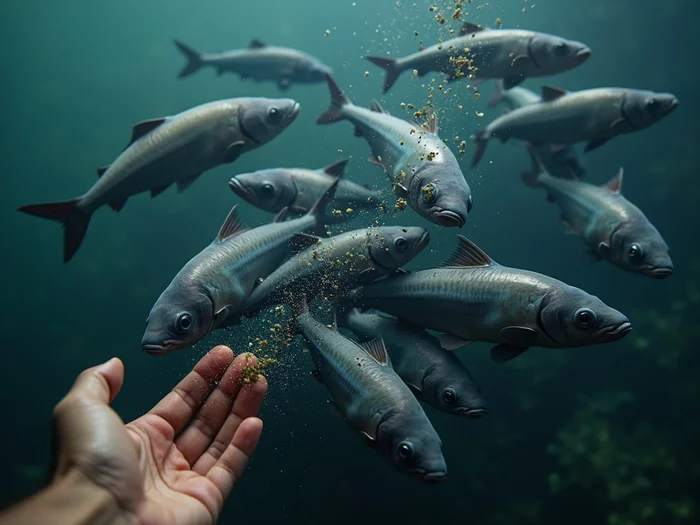
You can reduce protein levels to 28-32% for catfish weighing 50-500 grams because energy becomes more important than protein for weight gain at this stage. Use 30% groundnut cake, 35% rice bran, 20% maize bran, 10% cassava leaves, 3% palm oil, and 2% bone meal to create a balanced grow-out feed costing ₦85-105 per kilogram. This formulation supports growth rates of 15-25 grams per week whilst optimising feed conversion ratios.
Your grow-out feeds should emphasise digestible energy from carbohydrates and fats rather than expensive protein sources. Rice bran and maize bran provide readily available energy that catfish convert efficiently to body weight, whilst moderate protein levels maintain muscle development. Feed 3-5% of body weight daily in 2-3 meals, adjusting quantities based on feeding response and water temperature.
Broodfish Nutrition
You need specialised nutrition for broodfish to ensure successful spawning and high-quality egg production. Broodfish feeds require 32-35% protein plus enhanced levels of vitamins A, C, and E for reproductive health. Add 5-10% fresh fish or fish meal to your standard grow-out formulation during the 6-8 weeks before spawning season to provide essential fatty acids and fat-soluble vitamins.
Your broodfish benefit from natural carotenoids found in palm oil and fresh green vegetables that improve egg quality and fry survival rates. Include 3-5% palm oil and 15% fresh cassava leaves or other leafy vegetables in broodfish diets. Feed 2-3% of body weight daily year-round, increasing to 4-5% during conditioning periods before spawning to build energy reserves needed for successful reproduction.
Tips for Maximising Growth
You can significantly improve your catfish growth rates and feed efficiency through strategic feeding practices that go beyond simply providing nutritious feed. The timing, frequency, and method of feed delivery directly impact how well your fish utilise nutrients and convert feed into body weight. Many farmers achieve 20-30% better growth rates simply by optimising their feeding strategies without changing feed formulations.
Your feeding approach should respond to environmental conditions, fish behaviour, and seasonal variations that affect catfish metabolism and appetite. African catfish (Clarias gariepinus) are most active and feed aggressively during early morning and late afternoon when water temperatures are moderate. Understanding these natural feeding patterns helps you maximise nutrient uptake whilst minimising feed waste.
The following strategies will help you achieve optimal growth performance from your locally-formulated feeds. You'll learn how to adjust feeding practices based on fish response and environmental conditions, plus key indicators that signal when adjustments are needed.
Feeding Strategies
You should feed your catfish 2-3 times daily at consistent intervals, with the largest meal in early morning (6-7 AM) when fish are most active after the cool night period. Provide 40% of daily ration in the morning, 35% in late afternoon (4-5 PM), and 25% in early evening if feeding three times daily. This schedule matches natural feeding behaviour and maximises nutrient absorption when fish metabolism is highest.
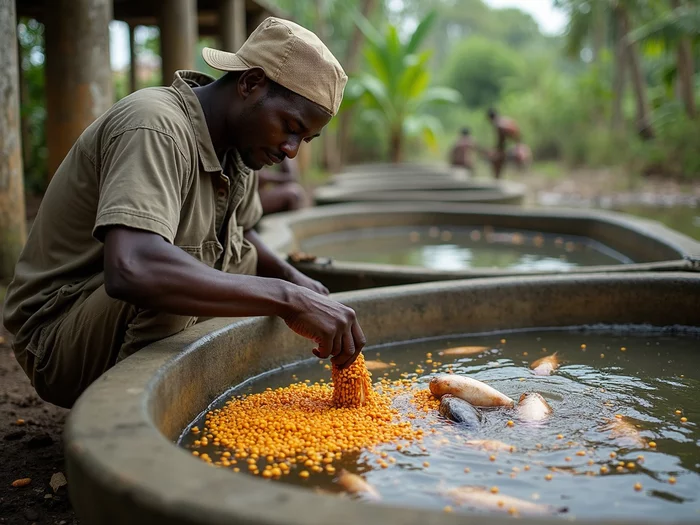
Scatter feed across the pond surface rather than dumping it in one location to ensure all fish have equal access and reduce competition stress. You can use simple feeding rings made from bamboo or PVC pipe to contain floating pellets and prevent waste. Watch feeding behaviour carefully—healthy catfish should consume feed within 10-15 minutes, and any uneaten feed after 20 minutes indicates overfeeding or health problems requiring immediate attention.
Monitoring Health and Growth
You need to sample fish weekly to track growth rates and adjust feeding quantities accordingly. Weigh 20-30 fish randomly selected from different areas of your pond to calculate average weight gain and feed conversion ratio. Healthy catfish should gain 8-12 grams per week as fingerlings and 15-25 grams per week during grow-out phase when receiving adequate nutrition and optimal water conditions.
Monitor fish behaviour during feeding to identify health problems early. Healthy catfish feed aggressively at the surface, whilst sick fish remain at the bottom or show sluggish feeding response. Look for signs of nutritional deficiency including slow growth, poor feed conversion (above 2.0:1), fin erosion, or abnormal swimming behaviour that indicate the need for feeding schedule for African catfish adjustments or health interventions.
Practical Considerations for Small-Scale Farmers
You face unique challenges as a small-scale catfish farmer when implementing local feed production, particularly regarding equipment costs, ingredient sourcing, and production volumes. However, you can overcome these challenges through creative approaches that make feed production economically viable even for farms with 2,000-5,000 fish. The key lies in understanding which aspects of feed production you can handle on-farm versus which services you should outsource to local processors.
Your success depends on finding practical solutions that fit your scale of operation and available resources. Many small-scale farmers achieve excellent results by combining home production of simple feeds with strategic use of local milling services for more complex formulations. You can start with basic mixed feeds and gradually expand your production capabilities as your farm grows and generates more revenue.
The following approaches help small-scale farmers implement cost-effective feed production without requiring large capital investments. You'll learn how to leverage local resources, utilise waste products effectively, and overcome common operational challenges that prevent many farmers from producing their own feeds.
Custom Feed Milling
You can partner with local grain millers who already have grinding equipment to process your feed ingredients for ₦5-10 per kilogram of finished feed. Many rice mills, maize mills, and cassava processing centres will grind your mixed ingredients during off-peak hours when their equipment isn't fully utilised. This arrangement eliminates the need for you to purchase expensive grinding equipment whilst ensuring consistent particle size and proper mixing.
Establish relationships with 2-3 local millers to ensure backup options during busy seasons when primary millers may not be available. Provide clear instructions about desired particle size and mixing requirements—bring samples of properly ground ingredients to show millers exactly what you need. You can process 200-500 kg batches monthly, storing ingredients separately and having them ground as needed to maintain freshness and reduce storage requirements.
Utilising Kitchen Refuse and Crop By-products
You can supplement your formulated feeds with kitchen scraps and agricultural waste to reduce costs further whilst providing nutritional variety. Vegetable peelings, fruit waste, and cooked rice or cassava can comprise up to 20% of daily feed ration when properly prepared. Chop kitchen scraps into small pieces and mix with your pelleted feed, or cook and mash root vegetable peels before feeding to improve digestibility.
Crop residues from your other farming activities provide valuable feed supplements at zero cost. Cassava peelings contain 8-12% protein when dried and ground, whilst sweet potato vines offer 15-18% protein plus essential vitamins. You can preserve these materials by sun-drying during harvest seasons and storing in sealed containers for use throughout the year, reducing your dependence on purchased ingredients during periods of high prices.
Challenges and Solutions for Small-Scale Operations
You may struggle with inconsistent ingredient quality when purchasing small quantities from multiple suppliers, leading to variable feed performance and fish growth rates. Solve this by establishing relationships with reliable suppliers who understand your quality requirements and can provide consistent products. Purchase ingredients in larger quantities during peak availability seasons and invest in proper storage facilities to maintain quality throughout the year.
Limited storage space and equipment represent common challenges for small-scale operations, but you can address these through community cooperation and shared resources. Form farmer groups to purchase ingredients in bulk, share grinding costs, and exchange knowledge about successful formulations. You can also start with simple mash feeds that require minimal equipment, gradually upgrading to pelleted feeds as your operation expands and generates more revenue for equipment investment.
Evaluating Feed Effectiveness
You must systematically monitor your catfish performance to determine whether your locally-formulated feeds are delivering the growth rates and feed efficiency you expect. Without proper evaluation, you cannot identify problems early or make necessary adjustments to improve feed formulations. Effective monitoring involves tracking multiple performance indicators over time and comparing results against established benchmarks for African catfish production.
Your evaluation system should be simple enough to implement consistently whilst providing the data you need to make informed decisions about feed adjustments. Many farmers fail to achieve optimal results because they don't monitor performance systematically or wait too long to make corrections when problems arise. Regular assessment allows you to fine-tune formulations and feeding practices to maximise profitability.
The following monitoring approaches help you evaluate feed effectiveness objectively and make data-driven improvements to your feeding programme. You'll learn which measurements matter most and how to use performance data to optimise both feed formulations and feeding strategies.
Monitoring Growth Rates
You should weigh a representative sample of 20-30 fish every two weeks to calculate average daily weight gain and identify any decline in growth performance. Use a large basin or container to hold fish during weighing, and work quickly to minimise stress. Record individual weights and calculate average weight, then compare against previous measurements to determine weekly growth rates and identify trends that indicate feed effectiveness.
Track feed conversion ratio (FCR) by dividing total feed consumed by total weight gained over specific periods. Healthy catfish receiving quality feed should achieve FCR of 1.2-1.8:1, meaning 1.2-1.8 kg of feed produces 1 kg of fish weight gain. Calculate FCR monthly rather than weekly to account for normal variations in feeding and growth patterns. Rising FCR indicates problems with feed quality, fish health, or environmental conditions requiring immediate investigation and correction.
Adjusting Feed Formulations Based on Performance
You need to modify feed formulations when growth rates fall below expected levels or feed conversion ratios exceed 2.0:1 consistently. If fish show slow growth despite adequate feeding, increase protein content by 2-3% by adding more groundnut cake or reducing rice bran proportions. Poor feed conversion often indicates inadequate digestible energy, requiring you to add palm oil or reduce fibre content from ingredients like cassava leaves.
Monitor fish behaviour and appearance for signs of nutritional deficiencies that require specific adjustments. Pale colouration suggests inadequate carotenoids—increase palm oil content or add fresh green vegetables to the diet. Fin erosion or slow wound healing indicates vitamin C deficiency, requiring you to include fresh cassava leaves or other vitamin-rich ingredients. Make one change at a time and monitor results for 2-3 weeks before making additional adjustments to identify which modifications improve performance.
Understanding how to optimise feed conversion ratios becomes crucial when you're ready to improve feed conversion ratio in fish farming and maximise your overall profitability. The principles you learn from catfish feed formulation apply broadly across aquaculture operations, helping you make informed decisions about feed investments and production strategies.
Similar feeding principles and cost-saving strategies can be adapted for other species, and many farmers find success by applying these local feed formulation techniques to making tilapia feed at home using local ingredients as well. This diversification approach helps reduce overall feed costs across multiple species whilst building expertise in aquaculture nutrition management.
Summary Table
| Key Points | Details |
|---|---|
| Cost Savings | Formulating local feed can reduce feed costs by 40-60%. Local feeds cost ₦70-120/kg compared to ₦180-220/kg for imported feeds. |
| Key Ingredients | Rice Bran (12-16% protein), Cassava Leaves (20-25% protein), Palm Kernel Cake (16-18% protein), Groundnut Cake (45-50% protein). |
| Nutritional Requirements | Fingerlings: 35-40% protein; Grow-out: 28-32% protein. Adjust feed type according to fish growth stage. |
| Feeding Strategy | Feed 2-3 times daily. Largest meal in the early morning (40% of daily ration) to maximise nutrient absorption. |
| Production Process | Steps include grinding (2-3mm for fingerlings), mixing, pelleting (2-6mm pellets), drying (below 12% moisture), and storing in sealed containers. |
| Feed Conversion Ratio | Optimal FCR for healthy catfish: 1.2-1.8:1. Monitor growth rates and adjust feed formulations if FCR exceeds 2.0:1. |
| Environmental Impact | Local ingredients reduce carbon footprint and support local economies. Sourcing within 50-100km is recommended. |
| Storage Tips | Store feed in sealed containers with dried neem or bay leaves to deter pests. Properly stored feed maintains quality for 4-6 weeks. |
Conclusion
You now understand how to formulate nutritious catfish feed using ingredients available in your local market. Start with simple combinations like rice bran, cassava leaves, and groundnut cake to achieve 28-35% protein levels at 40-60% less cost than commercial feeds. Remember to adjust formulations for different growth stages and monitor your fish performance through regular weighing and feed conversion calculations.
You have the technical knowledge to reduce your feed costs whilst maintaining excellent growth rates in your catfish operation. Begin with one basic formulation, test it with a small group of fish, and refine your approach based on results. Your skills will develop with practice, and soon you'll be producing feeds that match commercial quality at fraction of the cost.
As you master local feed formulation, consider exploring value addition opportunities like processing and marketing your catfish. The money you save on feed costs can be reinvested in expanding your operation or improving other aspects of your farming system for greater profitability.
Frequently Asked Questions
Can I really achieve similar growth rates with local feed compared to commercial feeds?
Yes, you can. Properly formulated local feeds for African catfish (Clarias gariepinus) can achieve comparable growth rates to commercial feeds. This is because local ingredients, when balanced for protein, energy, and essential amino acids, meet the specific nutritional needs of your fish. Freshly made local feeds can even enhance palatability, leading to better consumption and feed conversion ratios.
How often should I adjust my catfish feed formulation?
You should adjust your feed formulation based on the catfish's growth stage, as their nutritional needs change significantly. For instance, fingerlings require 35-40% protein, whilst grow-out fish need 28-32%. Additionally, monitor feed effectiveness every two weeks by weighing fish and calculating the Feed Conversion Ratio (FCR); adjust if growth is slow or FCR is consistently above 2.0:1.
What local ingredients can I use to substitute expensive soybean meal?
You can effectively substitute expensive soybean meal with local palm kernel cake (16-18% protein) for up to 30% in grow-out feeds without compromising growth. Groundnut cake (45-50% protein) is another excellent alternative providing high protein for fingerling feeds. These options are significantly cheaper and readily available in many African regions.
What happens if my homemade catfish pellets crumble too quickly in the water?
If your homemade pellets crumble quickly, it suggests the mixture was too dry during pelleting or lacks sufficient binding agents. You should add 15-20% water to the mixed ingredients to achieve a damp clay-like consistency. If crumbling persists, incorporate 2-3% cassava starch or wheat flour as a binder to improve water stability and reduce feed waste in your ponds.
How can small-scale farmers manage the cost of grinding equipment for local feed production?
Small-scale farmers can partner with local grain millers who already own grinding equipment. Many rice, maize, or cassava processing centres can grind your ingredients for a small fee during off-peak hours, eliminating the need for you to purchase expensive machinery. Forming farmer groups to share costs and resources for grinding equipment is also a viable option.


Yomi Adisa Lead Researcher
Yomi Adisa is the lead researcher at Fish Farming Business, where he studies what makes aquaculture ventures profitable across Africa. His research focuses on market patterns, buyer preferences, and the business decisions that determine success or failure in fish farming.