Water Exchange for Catfish Ponds: When, How Much and Practical Best Practices for Successful Farming
Posted on: 2025-11-14
By: Yomi Adisa
Water Exchange for Catfish Ponds: When, How Much and Practical Best Practices for Successful Farming
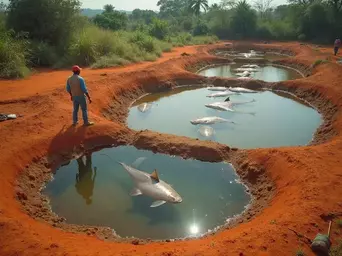
Picture this: You walk to your catfish pond early morning to check on your stock, only to find several fish floating on the surface, gasping for air near the edges. Your heart sinks as you realise that despite feeding them well and maintaining the pond structure, something has gone terribly wrong with your water quality. This scenario plays out across countless catfish farms throughout Nigeria, Ghana, and Kenya, often resulting in significant losses that could have been prevented with proper water exchange practices.
📑 Table of Contents
Understanding when and how to exchange water in your catfish ponds isn't just about replacing old water with new – it's about creating an optimal environment where your African catfish can thrive, grow rapidly, and reach market weight efficiently. Poor water management kills more catfish than disease, predators, and feed problems combined, yet many farmers treat water exchange as an afterthought rather than the critical production factor it truly represents. The difference between systematic water management and guesswork often determines whether your farm generates consistent profits or struggles with recurring losses.
This comprehensive guide will equip you with the technical knowledge to master water exchange timing, determine appropriate volumes for your specific pond conditions, and implement practical management strategies that successful catfish farmers across Africa use daily. You'll learn exactly when your fish need fresh water, how much to exchange without wasting resources, which monitoring techniques prevent emergencies before they happen, and how to integrate modern technology for maximum efficiency. Whether you're operating earthen ponds in rural areas or concrete tanks in urban settings, you'll have the complete system needed to transform your water management from survival mode to consistent profitability.
🎯 What You'll Learn
- Master the timing and volume of water exchanges to maintain optimal dissolved oxygen levels and prevent fish mortality
- Understand key water quality parameters and their impact on catfish growth to enhance production efficiency and profitability
- Discover effective aeration techniques that complement water exchange practices and improve overall pond health
Understanding Water Quality in Catfish Ponds
Water quality forms the foundation of successful catfish farming, yet many farmers focus primarily on feeding and pond construction whilst overlooking the critical parameters that determine whether their fish will thrive or merely survive. Think of water quality as the life support system for your catfish – just as humans need clean air to breathe efficiently, your African catfish require optimal water conditions to convert feed into healthy muscle growth. Proper water management directly impacts your bottom line through improved survival rates, faster growth, reduced disease outbreaks, and ultimately higher profits per production cycle.
Key Water Quality Parameters
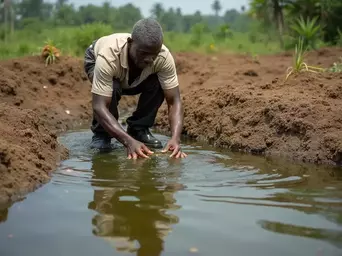
Dissolved oxygen stands as the most critical parameter in your catfish pond, with levels below 4mg/L causing stress and levels below 2mg/L proving fatal within hours. Your African catfish require minimum dissolved oxygen levels of 5mg/L for optimal growth, though they can survive at 3mg/L for short periods. Test dissolved oxygen early morning before sunrise when levels reach their lowest point – if readings drop below 4mg/L, immediate aeration or water exchange becomes essential.
pH levels between 6.5 and 8.5 provide the optimal range for catfish health, with 7.0 to 8.0 being ideal for maximum growth rates. pH fluctuations outside this range stress your fish, reduce their immune system effectiveness, and slow growth significantly. A farmer in Kaduna discovered his fish were growing 30% slower than expected until pH testing revealed levels consistently above 9.0 due to excessive algae blooms – correcting this through partial water exchanges restored normal growth within two weeks.

Water temperature directly affects your catfish metabolism, with the optimal range being 25-30°C for African catfish. Temperatures above 32°C reduce dissolved oxygen levels and stress fish, whilst temperatures below 20°C slow growth dramatically. Alkalinity should range between 50-150mg/L to buffer pH changes, whilst total hardness between 50-200mg/L provides essential minerals for fish health.
| Parameter | Optimal Range | Effects of Deviation | Recommended Action |
|---|---|---|---|
| Dissolved Oxygen | 5-8 mg/L | Stress below 4 mg/L; fatal below 2 mg/L. | Aeration or water exchange. |
| pH | 6.5 - 8.5 | Fluctuations stress fish, slow growth. | Adjust with partial water exchanges. |
| Water Temperature | 25-30°C | Growth slows below 20°C; stress above 32°C. | Monitor and adjust conditions. |
| Alkalinity and Hardness | 50-150 mg/L | Imbalance affects fish health. | Regular monitoring and adjustment. |
Importance of Water Quality Management and Monitoring
Regular monitoring prevents catastrophic losses and maintaining water quality and optimises growth performance, with successful farmers checking key parameters daily during critical periods and weekly during stable conditions. Poor water quality manifests through reduced feeding activity, fish gasping at the surface, increased disease susceptibility, and ultimately mortality that can wipe out entire stocks within 24-48 hours. Water quality testing requires simple equipment that pays for itself through prevented losses – a basic dissolved oxygen metre costs around 15,000 naira but can prevent losses worth hundreds of thousands.
Test dissolved oxygen at dawn and dusk, pH weekly, and ammonia/nitrite whenever fish behaviour changes. A catfish farmer in Ibadan credits daily morning DO testing with preventing three potential fish kills over two years, saving approximately 400,000 naira in stock losses. Monitor fish behaviour as your early warning system – healthy catfish feed aggressively, swim actively throughout the water column, and maintain normal colouration. Fish gathering at pond edges, refusing feed, or displaying pale colouration signal immediate water quality investigation and potential emergency water exchange requirements.
| Indicator | Potential Cause | Suggested Action |
|---|---|---|
| Fish gasping at the surface | Possible low oxygen levels | Test DO and consider water exchange. |
| Algae blooms | Nutrient imbalance | Reduce feeding and increase water exchange. |
| Strong ammonia smell | Waste accumulation | Immediate water exchange required. |
| Reduced feeding activity | Water quality stress | Test all parameters and adjust accordingly. |
Water Exchange Practices
Water exchange serves as your primary tool for maintaining optimal water quality, removing accumulated waste products, and introducing fresh dissolved oxygen to support healthy catfish growth. However, successful water exchange requires understanding when to exchange, how much water to replace, and which methods work best for your specific pond system and stocking density. Whether you're operating earthen ponds in rural Ogun State, concrete tanks in urban Accra, or flow-through systems in Kisumu, mastering these water exchange principles will transform your catfish farming operation from survival mode to consistent profitability.
When to Exchange Water
Seasonal timing plays a crucial role in water exchange frequency, with dry season months requiring more frequent exchanges due to increased evaporation and concentrated waste products. During Nigeria's harmattan season (December-February), plan for 10-15% daily water exchanges to compensate for rapid evaporation and maintain stable conditions. Rainy season exchanges focus on managing overflow and preventing contamination from surface runoff carrying pesticides or pollutants.

Monitor specific indicators that signal immediate water exchange needs: dissolved oxygen below 4mg/L, pH outside 6.5-8.5 range, visible algae blooms, strong ammonia smell, or fish displaying stress behaviours. A commercial farmer in Ogun State exchanges 20% of pond volume immediately when morning dissolved oxygen readings drop below 4.5mg/L, preventing the fish kills that previously cost him 200,000 naira per incident. Life stage considerations determine exchange frequency and volume – newly stocked fingerlings require daily 5-10% exchanges for the first two weeks to maintain pristine conditions during this vulnerable period.
How Much Water to Exchange
Calculate exchange volumes based on your pond size, stocking density, and current water quality readings rather than following rigid schedules that ignore actual conditions. For earthen ponds stocked at 150 fish per square metre, exchange 15-20% of total volume twice weekly under normal conditions. Concrete tanks with higher stocking densities of 200-250 fish per square metre require 20-25% daily exchanges to maintain optimal conditions.
A 100 square metre pond stocked with 15,000 fingerlings requires approximately 15,000-20,000 litres exchanged twice weekly (assuming 1.5m average depth). During peak growth periods when fish weigh 300-500g each, increase exchanges to 25,000 litres twice weekly to manage increased waste production. Monitor ammonia levels as your guide – readings above 0.5ppm indicate insufficient exchange volumes regardless of your schedule. Waste management through water exchange becomes critical as your catfish approach market size, with mature fish producing significantly more waste per kilogram of body weight. For more detailed guidance on managing ammonia, refer to our dedicated resource.
| Growth Stage | Stocking Density | Water Exchange Frequency | Water Exchange Volume |
|---|---|---|---|
| Fingerlings (0-50g) | 100-150 fish/m² | Daily | 5-10% daily |
| Juveniles (50-200g) | 75-100 fish/m² | Weekly | 15-20% weekly |
| Adults (200g and above) | 50-75 fish/m² | Twice weekly | 20-25% twice weekly |
Methods of Water Exchange
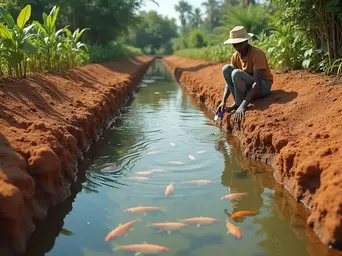
Partial water exchange represents the most practical and effective method for most catfish operations, removing 15-25% of pond volume whilst maintaining biological balance and minimising fish stress. Install bottom drains or siphon systems to remove the oldest, most contaminated water from pond bottoms where waste accumulates. Replace drained water with fresh water introduced slowly to prevent temperature shock.
Complete water exchanges should only be performed during emergencies such as severe pollution events or disease outbreaks, as this practice eliminates beneficial bacteria and severely stresses fish. When complete exchange becomes necessary, transfer fish to holding tanks, drain and clean the pond thoroughly, refill with fresh water, and allow 24-48 hours for chlorine to dissipate before restocking. Flow-through systems provide continuous water exchange for intensive operations, with fresh water constantly entering whilst overflow removes waste-laden water.
| Pond Type | Recommended Exchange Frequency | Recommended Exchange Volume | Key Considerations |
|---|---|---|---|
| Earthen Ponds | 15-20% twice weekly | 15-20% of pond volume | Consider evaporation rates, especially in dry seasons. |
| Concrete Tanks | Daily | 20-25% daily | Higher stocking densities may require more frequent exchanges. |
| Flow-Through Systems | Continuous | Variable | Benefits from constant water turnover for optimal conditions. |
Aeration Techniques for Improved Water Quality
Aeration works hand-in-hand with water exchange to maintain optimal dissolved oxygen levels and water circulation, often reducing the frequency and volume of water exchanges needed whilst improving overall pond productivity. Understanding different aeration methods, timing strategies, and effectiveness monitoring helps you optimise both water quality and operational costs. A successful flow-through farmer in Lagos maintains 300 fish per square metre by ensuring complete water turnover every 4-6 hours, achieving growth rates 25% faster than static pond systems whilst maintaining 98% survival rates.
Types of Aeration Devices
Paddlewheel aerators provide the most cost-effective solution for earthen ponds larger than 200 square metres, with 1-2 horsepower units costing 80,000-120,000 naira but capable of maintaining dissolved oxygen levels above 5mg/L in ponds up to 500 square metres. Position paddlewheels to create circular water flow patterns that prevent dead zones and distribute oxygen throughout the pond volume. Diffused aeration systems work exceptionally well in deeper concrete tanks and smaller ponds, using air pumps to force oxygen-rich bubbles through diffuser stones placed on pond bottoms.

A 1-horsepower air pump costing approximately 45,000 naira can adequately aerate 100-150 square metres of pond surface, with lower electricity consumption than paddlewheel systems. Diffused systems also create gentle water circulation that doesn't stress fish. Fountain aerators combine aeration with water circulation whilst creating attractive displays for farm visitors, though they work best in ponds deeper than 1.5 metres to prevent sediment disturbance. Solar-powered aerators offer sustainable solutions for remote locations without reliable electricity, with systems costing 150,000-200,000 naira providing 24-hour operation independence from power grid failures.
Timing and Management of Aeration
Operate aerators during pre-dawn hours (4-7 AM) when dissolved oxygen levels reach their lowest points due to overnight respiration by fish and aquatic organisms. Continuous 24-hour aeration benefits intensively stocked ponds (above 200 fish per square metre) but may not be cost-effective for extensive systems with lower stocking densities. A farmer in Anambra State reduced electricity costs by 40% by switching from continuous to strategic dawn aeration whilst maintaining identical growth rates.
Monitor weather patterns to adjust aeration schedules – cloudy days with limited photosynthesis require extended aeration periods, whilst sunny days with active algae may need reduced aeration to prevent pH spikes. During harmattan season's cool nights, increase aeration duration as lower temperatures reduce natural oxygen solubility in water. Emergency aeration protocols become critical during power outages or equipment failures, with backup battery-powered aerators or manual paddle stirring preventing fish kills during extended outages. For more comprehensive aeration tips, explore our detailed guide.
Monitoring Aeration Effectiveness
Assess aeration effectiveness through dissolved oxygen readings taken at multiple pond locations and depths, ensuring uniform distribution rather than localised high-oxygen zones near aerators. Effective aeration maintains dissolved oxygen above 5mg/L throughout the pond volume, with minimal variation between surface and bottom readings in ponds deeper than 1.5 metres. Fish behaviour provides immediate feedback on aeration effectiveness – properly aerated ponds show fish distributed throughout the water column with active feeding behaviour.
Fish congregating near aerators or gasping at the surface indicate insufficient aeration capacity requiring additional equipment or extended operating hours. Water circulation patterns reveal aeration efficiency through surface movement and debris distribution – effective aeration creates gentle current flows that prevent dead zones whilst avoiding turbulence that stresses fish. Observe floating feed or organic matter to identify areas with poor circulation requiring aerator repositioning or additional units.
Managing Water Flow and Turbidity
Proper water flow management and turbidity control significantly impact catfish health, growth rates, and overall pond productivity whilst reducing the need for frequent water exchanges. Understanding flow dynamics, turbidity causes, and conservation practices helps optimise your water management strategy for maximum efficiency and sustainability. Design your pond system with inlet and outlet structures that create gentle circulation patterns, ensuring water movement reaches all pond areas without creating strong currents that exhaust fish fighting against flow.
Importance of Water Flow in Ponds
Adequate water flow prevents stagnation that leads to anaerobic conditions, waste accumulation, and localised water quality problems that stress fish and reduce growth performance. Water flow facilitates nutrient distribution throughout the pond volume, ensuring all fish have access to dissolved oxygen and preventing the formation of dead zones where waste products concentrate. A properly designed flow pattern moves approximately 10-15% of pond volume hourly, sufficient to maintain water quality without creating excessive turbulence.
Position inlets and outlets at opposite ends of rectangular ponds to maximise flow path length. Waste removal through strategic water flow reduces organic loading and minimises the frequency of major water exchanges required to maintain optimal conditions. Design bottom contours that direct settled waste toward outlet areas where it can be easily removed through routine draining procedures, preventing accumulation that creates anaerobic zones and produces toxic hydrogen sulphide gas.
Techniques for Managing Turbidity
Identify turbidity sources to implement appropriate control measures – excessive feeding creates organic turbidity from uneaten feed and fish waste, whilst inadequate pond bank protection allows soil erosion during rainfall. Suspended clay particles from erosion require different management approaches than organic turbidity from overfeeding or overstocking. Feeding management significantly impacts turbidity levels through proper feed placement, appropriate quantities, and feeding frequency adjustments based on water conditions.
Feed only amounts fish consume within 30 minutes, distribute feed across multiple feeding points to prevent localised waste accumulation, and reduce feeding rates during periods of high turbidity to prevent further water quality deterioration. Biological filtration through beneficial bacteria colonies helps control organic turbidity by breaking down waste products into less harmful compounds. Maintain adequate surface area for bacterial growth through substrate materials, avoid excessive water exchanges that remove beneficial bacteria, and ensure sufficient dissolved oxygen levels to support aerobic bacterial processes that clarify water naturally.

Water Conservation Practices
Implement water recycling systems where local regulations permit, treating pond effluent through settling ponds and biological filters before reuse in production systems. A three-stage treatment system using settling, biological filtration, and final polishing can recover 70-80% of discharged water for reuse, significantly reducing fresh water requirements and operational costs. Rainwater harvesting provides sustainable water sources for pond topping and emergency exchanges, with simple collection systems capturing roof runoff during rainy seasons for storage in covered tanks.
Calculate collection potential based on roof area and local rainfall patterns – a 100 square metre roof in Lagos can collect approximately 150,000 litres annually, sufficient for routine water exchange needs in a 200 square metre pond. Evaporation reduction techniques include shade structures over portions of pond surfaces, floating covers during extreme heat periods, and windbreak installations that reduce surface water loss. Strategic tree planting around pond perimeters provides natural windbreaks whilst creating beneficial microclimates, though avoid species that drop excessive leaves into pond systems.
Environmental and Resource Management
Responsible environmental stewardship and efficient resource utilisation ensure long-term sustainability of catfish farming operations whilst maintaining compliance with local regulations and community expectations. Implementing best management practices, understanding regulatory requirements, and preparing for emergency scenarios protects both your investment and the surrounding environment. Integrated farming systems maximise resource efficiency by utilising catfish pond water for crop irrigation after appropriate treatment, creating closed-loop systems that minimise waste whilst generating additional income streams.
Best Management Practices (BMPs)
Best Management Practices encompass systematic approaches to minimising environmental impact whilst maximising production efficiency through careful resource management and waste reduction strategies. Implement nutrient management plans that balance feed inputs with fish requirements, preventing excess nutrients from accumulating in pond systems and eventual discharge into natural water bodies. Effluent management requires settling ponds or treatment systems that remove suspended solids and reduce nutrient concentrations before discharge, protecting downstream water quality and aquatic ecosystems.
Construct settling ponds with capacity equal to 10-15% of your production pond volume, allowing 24-48 hours retention time for solid particles to settle before discharge or reuse. A farmer in Oyo State integrated his catfish operation with vegetable production, using treated pond water for irrigation and generating 30% additional income whilst reducing water discharge by 80%. This approach demonstrates how environmental responsibility can enhance rather than compromise profitability when properly implemented.
Compliance and Regulatory Considerations
Nigerian environmental regulations require Environmental Impact Assessments for catfish farms exceeding specific production volumes or water usage thresholds, with permit requirements varying by state and local government jurisdictions. Contact your State Environmental Protection Agency early in the planning process to understand specific requirements for water discharge permits, environmental monitoring, and reporting obligations. Water discharge standards typically limit suspended solids, biochemical oxygen demand, and nutrient concentrations in effluent released to natural water bodies, requiring monitoring and documentation to demonstrate compliance.
Maintain detailed records of water quality parameters, discharge volumes, and treatment system performance to satisfy regulatory reporting requirements and demonstrate environmental responsibility. Community relations play crucial roles in regulatory compliance and operational success, with transparent communication about environmental protection measures building support for your farming operation. Regular community meetings explaining your water management practices, environmental protection measures, and economic benefits help prevent conflicts that could result in regulatory challenges or operational restrictions.
Emergency Management Strategies
Drought management requires strategic water conservation and alternative supply development before critical shortages develop, with emergency protocols ready for immediate implementation when water levels drop dangerously low. Identify alternative water sources including boreholes, municipal supplies, or water trucking services, calculating costs and logistics for emergency procurement during extended dry periods. Water scarcity protocols include reducing stocking densities to decrease water quality pressure, implementing intensive aeration to maximise oxygen efficiency, and coordinating with other farmers to share water resources during critical periods.
Develop relationships with nearby farms for mutual support during emergencies, sharing resources and expertise to prevent total losses during crisis situations. Emergency response procedures for pollution incidents require immediate fish protection measures, contamination source identification, and rapid water replacement to prevent mortality. Maintain emergency contact lists for water suppliers, equipment rental companies, and technical support services, with response plans tested annually to ensure effectiveness during actual emergencies.
Integrating Technology in Water Management
Modern technology offers catfish farmers powerful tools for optimising water management through real-time monitoring, data-driven decision making, and automated control systems that improve both efficiency and profitability. Understanding available technologies, their practical applications, and successful implementation examples helps you evaluate which innovations best suit your operation's scale and budget. A commercial farmer in Rivers State monitors 12 ponds using wireless sensors, receiving immediate alerts for oxygen depletion or temperature fluctuations that previously required hourly manual checking during critical periods.
Real-Time Water Quality Monitoring
Automated monitoring systems continuously track critical water quality parameters, providing instant alerts when readings exceed acceptable ranges and enabling immediate corrective action before fish health deteriorates. Basic systems monitoring dissolved oxygen, pH, and temperature cost approximately 200,000-300,000 naira but prevent losses worth millions through early problem detection and automated response triggers. Wireless sensor networks allow monitoring multiple ponds simultaneously from central control locations, with smartphone apps providing real-time data access and alert notifications regardless of your physical location.
Data logging capabilities create comprehensive records of water quality trends, enabling pattern recognition that predicts problems before they become critical and optimises management schedules based on historical performance data. Analysis of logged data reveals optimal exchange timing, identifies seasonal patterns requiring proactive management, and documents the effectiveness of different management strategies for continuous improvement. This systematic approach transforms water management from reactive crisis response to proactive optimisation based on actual performance data.
Data-Driven Decision Making
Water quality data analysis reveals optimal exchange schedules based on actual pond conditions rather than arbitrary timing, reducing unnecessary water usage whilst maintaining superior fish health and growth performance. Track correlations between water exchange frequency, fish growth rates, and feed conversion efficiency to identify the most cost-effective management protocols for your specific conditions. Predictive analytics using historical data help anticipate water quality problems before they develop, enabling proactive management that prevents fish stress and mortality whilst optimising resource utilisation.
A farmer in Plateau State uses three years of data to predict oxygen depletion events 12-24 hours in advance, implementing preventive aeration and water exchange that reduced mortality by 60% compared to reactive management approaches. Performance benchmarking compares your water management results against industry standards and successful neighbouring operations, identifying improvement opportunities and validating the effectiveness of your current practices. Document key performance indicators including survival rates, growth rates, feed conversion ratios, and water usage efficiency to track progress and justify investment in improved management systems.
Case Studies and Success Stories
A intensive catfish farm in Lagos implemented automated monitoring and control systems that reduced labour costs by 40% whilst improving fish survival rates from 85% to 96% through precise water quality management and immediate response to parameter deviations. The system paid for itself within 18 months through reduced losses and labour savings, whilst enabling expansion to double production capacity with the same management team. Small-scale farmers in Osun State formed a cooperative to share monitoring equipment costs, with portable testing kits rotated among members on scheduled basis and group training ensuring proper usage and data interpretation.
This approach reduced individual equipment costs by 70% whilst providing access to professional-grade monitoring capabilities that individual farmers couldn't afford independently. A flow-through system operator in Kano State integrated solar-powered monitoring with automated water exchange controls, achieving 24-hour management capability independent of power grid failures whilst reducing electricity costs by 60%. The system maintains optimal water quality during extended power outages that previously caused significant losses, with backup battery systems providing 48-hour emergency operation capability.
Economic Impacts of Water Management
Understanding the financial implications of water management decisions helps catfish farmers optimising operations for maximum profitability whilst maintaining excellent fish health and environmental responsibility. Proper economic analysis of water exchange practices, equipment investments, and management strategies ensures sustainable business operations that generate consistent returns. Direct costs typically range from 2-5 naira per kilogram of fish produced, whilst indirect benefits through improved survival and growth rates often justify 3-5 times higher water management investments.
Cost-Benefit Analysis of Water Exchange Practices
Calculate water exchange costs including fresh water procurement, pumping energy, labour requirements, and waste treatment expenses to determine the most economical management strategies for your specific operation scale and local conditions. Energy costs for pumping and aeration represent significant operational expenses, with efficient equipment selection and strategic timing reducing electricity consumption by 30-50% compared to inefficient systems operated continuously. A farmer in Enugu State reduced monthly electricity costs from 45,000 to 28,000 naira by switching to variable-speed pumps and timer-controlled aeration whilst maintaining superior water quality and fish performance.
Labour efficiency improvements through automated systems and optimised schedules reduce operational costs whilst improving consistency and reliability of water management practices. Investment in proper water management equipment and monitoring systems typically recovers costs within 12-24 months through improved survival rates, faster growth, and reduced emergency interventions. Calculate return on investment by comparing current losses from poor water quality against the costs of implementing improved management systems – most farmers discover that prevention costs far less than dealing with consequences.
Long-term sustainability requires balancing immediate costs against future benefits, with proper water management protecting your investment in fish stock whilst building reputation for consistent quality production. Market premiums for fish from well-managed operations often offset higher production costs, with buyers willing to pay 10-15% more for reliable suppliers who consistently deliver healthy fish. Document your water management practices and results to justify premium pricing and attract quality-conscious buyers who value consistent supply relationships.
Conclusion
Mastering water exchange for your catfish ponds is fundamental to transforming your farming operation from struggling with losses to achieving consistent profitability. The key principles are straightforward: monitor dissolved oxygen levels daily (especially at dawn), exchange 15-25% of pond volume twice weekly under normal conditions, and increase frequency when fish show stress behaviours or water parameters drift outside optimal ranges. Remember that proper timing and volume matter more than expensive equipment—start with basic dissolved oxygen testing and observe your fish behaviour as your primary indicators.
You now have the knowledge to prevent the devastating fish kills that plague many catfish farmers across Nigeria, Ghana, and Kenya. These water management principles work whether you're operating earthen ponds in rural areas or concrete tanks in urban settings. Implementation takes practice, and you'll develop better instincts for reading your pond conditions with each production cycle. Trust the process—every successful catfish farmer has learned these same fundamentals.
Begin implementing these practices immediately with your current stock, starting with morning dissolved oxygen testing and establishing a consistent water exchange schedule based on your pond size and stocking density. As your water management skills develop, focus next on optimising your feeding strategies and disease prevention protocols. Excellent water quality provides the foundation, but combining it with proper nutrition and health management creates the complete system for catfish farming success. Your fish—and your profits—depend on getting these basics right.
Frequently Asked Questions
What are the absolute minimum dissolved oxygen levels my African catfish can tolerate, and what should I do if it drops below that?
Your African catfish require a minimum of 5mg/L for optimal growth, but can survive at 3mg/L for short periods. Levels below 2mg/L are fatal within hours, and anything below 4mg/L causes stress. If dissolved oxygen drops below 4mg/L, immediate aeration or water exchange is essential to prevent losses.
How can I tell if my pond's water exchange volume is sufficient, especially as my fish grow?
The most reliable indicator is monitoring ammonia levels. If your ammonia readings are consistently above 0.5ppm, it signals that your current water exchange volumes are insufficient, regardless of your schedule. You should increase the exchange volume, particularly as fish approach market size due to their increased waste production.
Why are partial water exchanges generally preferred over complete water exchanges for catfish ponds?
Partial water exchanges, typically 15-25% of pond volume, are preferred because they maintain the pond's biological balance and minimise stress on your fish. Complete exchanges, on the other hand, eliminate beneficial bacteria crucial for water quality and severely stress the fish, making them only suitable for severe emergencies like major pollution or disease outbreaks.
What are some practical ways to reduce water evaporation from my catfish ponds, especially during dry seasons?
To reduce evaporation, you can implement several techniques. Consider installing shade structures over portions of your pond, using floating covers during periods of extreme heat, and planting windbreaks around the pond perimeters. These methods help to minimise surface water loss and maintain stable water levels.
How can small-scale catfish farmers afford and implement effective water quality monitoring without breaking the bank?
Small-scale farmers can form cooperatives to share the costs of monitoring equipment, rotating portable testing kits among members. This approach significantly reduces individual equipment expenses while providing access to professional-grade monitoring capabilities. Additionally, learning to observe fish behaviour acts as an early warning system for potential water quality issues.


Yomi Adisa Lead Researcher
Yomi Adisa is the lead researcher at Fish Farming Business, where he studies what makes aquaculture ventures profitable across Africa. His research focuses on market patterns, buyer preferences, and the business decisions that determine success or failure in fish farming.