pH Management in Catfish Ponds: How to Test, Adjust and Maintain Optimal Levels
Posted on: 2025-11-13
By: Yomi Adisa
pH Management in Catfish Ponds: How to Test, Adjust and Maintain Optimal Levels
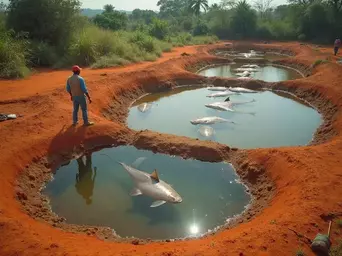
You've invested heavily in quality fingerlings, premium feed, and a well-constructed pond system. Your catfish appear healthy and active during the first few weeks. Then suddenly, growth rates plummet, fish begin gasping at the surface, and some start dying without any obvious disease symptoms.
After calling in an aquaculture expert, you discover the culprit isn't disease or poor feeding – it's pH levels that have quietly shifted outside the optimal range, creating a hostile environment that's slowly poisoning your investment.
📑 Table of Contents
This scenario plays out across catfish farms throughout Nigeria, Ghana, and Kenya more often than most farmers realise. pH management represents one of the most critical yet overlooked aspects of successful catfish production. Unlike visible problems such as diseases or predator attacks, pH imbalances work silently, gradually undermining fish health, growth rates, and feed conversion efficiency before you notice the symptoms.
Understanding pH management isn't just about keeping fish alive – it's about maximising your return on investment. Proper pH control can improve feed conversion ratios by 15-20%, increase growth rates by up to 25%, and reduce mortality rates significantly.
For a farmer with a 100-square-metre pond producing 2,000kg of catfish annually, these improvements translate to thousands of naira in additional profit whilst reducing the stress and uncertainty that comes with unexplained fish losses.
This comprehensive guide provides you with complete technical knowledge for testing, adjusting, and maintaining optimal pH levels in your catfish ponds.
You'll learn exactly how to measure pH using affordable equipment, understand what different readings mean for your fish, and master proven techniques for correcting pH problems quickly and effectively. More importantly, you'll discover how to maintain stable pH levels throughout your production cycle, preventing problems before they impact your profitability.
🎯 What You'll Learn
- Learn how to accurately test and interpret pH levels in your catfish ponds to ensure optimal fish health and growth
- Master effective techniques for adjusting pH using affordable materials like agricultural lime and vinegar to maintain stable water conditions
- Discover the critical signs of pH stress in catfish and how to respond quickly to prevent mortality and production losses
What is pH?
pH measures the acidity or alkalinity of water on a scale from 0 to 14, with 7 representing neutral conditions. The term "pH" stands for "potential of hydrogen" and indicates the concentration of hydrogen ions in your pond water. Numbers below 7 indicate acidic conditions, whilst numbers above 7 indicate alkaline or basic conditions.
Each unit on the pH scale represents a ten-fold change in acidity, meaning water with pH 6 is ten times more acidic than water with pH 7. Understanding this logarithmic scale is crucial because small numerical changes represent significant shifts in water chemistry. A drop from pH 7.5 to pH 6.5 might seem minor, but it actually represents a ten-fold increase in acidity that can severely stress your catfish.
In natural water bodies across Africa, pH levels typically range from 6.5 to 8.5, influenced by factors such as dissolved minerals, organic matter decomposition, photosynthesis by aquatic plants, and carbon dioxide levels. Your catfish pond represents an artificial ecosystem where these natural buffering systems may be absent or overwhelmed, making active pH management essential for maintaining healthy growing conditions.
Optimal pH Levels for Catfish
African catfish (Clarias gariepinus) thrive in slightly neutral to slightly alkaline water, with the optimal pH range between 6.5 and 8.0. Within this range, your fish can efficiently absorb oxygen, process nutrients, and maintain healthy gill function. Most successful catfish farmers aim to maintain pH levels between 7.0 and 7.5, as this provides the best balance for fish health, feed conversion, and water stability.
When pH levels remain within the optimal range, you'll observe several positive indicators in your pond. Fish exhibit normal feeding behaviour, swimming actively throughout the water column rather than gathering at the surface. Growth rates remain consistent with your feeding programme, and you'll notice good feed conversion ratios.
pH levels between 6.5 and 8.0 also support optimal functioning of your pond's biological filtration system. Beneficial bacteria that convert toxic ammonia to less harmful nitrates work most efficiently within this pH range. This is particularly important in intensive catfish production where high stocking densities and feeding rates can quickly overwhelm natural waste processing capacity if conditions aren't properly maintained.
| pH Range | Fish Behaviour | Growth Rate | Feed Conversion Efficiency | Water Clarity |
|---|---|---|---|---|
| 6.5-7.0 | Normal feeding | High growth rate | Optimal conversion | Clear water |
| 7.1-7.5 | Normal feeding | Moderate growth rate | Good conversion | Clear water |
| 6.0-6.4 | Mild stress | Slowed growth | Reduced conversion | Slightly cloudy |
| 5.5-5.9 | Significant stress | Very low growth | Poor conversion | Cloudy |
| 8.1-8.5 | Mild stress | Slowed growth | Reduced conversion | Clear |
| Above 8.5 | Severe stress | Low growth | Poor conversion | Cloudy |
Consequences of pH Extremes
When pH levels drop below 6.5, your catfish face increasingly stressful conditions that directly impact their health and growth. Acidic water interferes with gill function, making it difficult for fish to extract oxygen from water even when dissolved oxygen levels appear adequate. You'll notice fish gathering at the surface, gasping for air, and showing reduced appetite.
Severely acidic conditions with pH below 5.0 can be lethal to catfish. At these levels, the acid literally burns fish gills and skin, causing rapid mortality. Even if fish survive extreme acidity, the stress weakens their immune systems, leading to secondary infections and poor growth performance.
High pH levels above 8.5 create different but equally serious problems for your catfish. Alkaline conditions increase the toxicity of ammonia, turning normally manageable ammonia levels into lethal concentrations. Fish in high pH water often show erratic swimming behaviour, reduced feeding, and poor growth rates. pH levels above 9.5 can cause direct chemical burns to fish gills and skin, similar to the effects of extreme acidity.
Testing pH Levels in Catfish Ponds
Tools and Equipment for pH Testing
Several reliable options exist for testing pH in your catfish ponds, ranging from simple colour-based test kits to sophisticated digital meters. pH test strips represent the most affordable option, costing 50-100 naira per pack of 100 strips. These paper strips change colour when dipped in pond water, and you compare the resulting colour to a chart to determine pH levels.
Liquid pH test kits offer greater accuracy than strips and typically cost 500-800 naira for a kit that provides 100-150 tests. These kits use liquid reagents that you add to water samples, creating colour changes that indicate pH levels. The colour comparisons are easier to read than strips, and results are generally accurate to within 0.2 pH units.
Digital pH meters provide the most accurate and convenient testing method, with good quality meters available for 8,000-15,000 naira. These electronic devices give precise digital readings to 0.1 pH units and work quickly – simply dip the probe in your pond and read the result on the display. Digital meters require occasional calibration using buffer solutions, but they're invaluable for serious catfish producers who need precise pH control.
| Equipment Type | Cost | Accuracy | Ease of Use | Recommended Use |
|---|---|---|---|---|
| pH Test Strips | 50-100 naira per pack | ±0.5 pH units | Very easy | Basic monitoring |
| Liquid Test Kits | 500-800 naira | ±0.2 pH units | Moderate | Regular monitoring |
| Digital pH Meters | 8,000-15,000 naira | ±0.1 pH units | Easy | Professional use |
Step-by-Step Testing Procedures
Proper pH testing requires consistent technique to ensure accurate, comparable results. Always test pH at the same time each day, preferably early morning before feeding when pH levels are most stable. Avoid testing immediately after rain, during or shortly after feeding, or when pond water is being vigorously aerated, as these activities can temporarily affect pH readings.
Begin by collecting water samples from multiple locations in your pond, particularly if you have a large system. Take samples from areas near the inlet, outlet, and centre of the pond at a depth of 15-20 centimetres below the surface. This ensures your reading represents the overall pond conditions rather than localised variations.
When using test strips, dip the strip completely in your water sample for the time specified on the package – usually 1-2 seconds. Remove the strip and wait for the recommended development time, typically 15-30 seconds, before comparing colours. For liquid test kits, add the exact number of drops specified in the instructions to your water sample, mix gently, and compare the resulting colour to the provided chart.
Digital pH meters require a slightly different approach but provide more precise results. Rinse the probe with distilled water before each use, then immerse it in your pond water sample. Wait for the reading to stabilise – this usually takes 30-60 seconds – before recording the result. After testing, rinse the probe again and store it according to the manufacturer's instructions.
Interpreting pH Test Results
Understanding what your pH readings mean for your catfish is crucial for making informed management decisions. Readings between 7.0 and 7.5 indicate excellent conditions that support optimal fish health and growth. You can continue with normal feeding and management practices when pH remains in this range.
pH readings between 6.0-6.4 or 8.1-8.5 indicate developing problems that require prompt attention. Fish may show mild stress symptoms such as reduced feeding or slower growth, but immediate mortality is unlikely. You should begin corrective measures within 24-48 hours and increase monitoring frequency to twice daily until pH returns to acceptable levels.
pH readings below 6.0 or above 8.5 represent emergency conditions requiring immediate intervention. Fish stress becomes severe at these levels, and mortality can occur within days if left uncorrected. Stop feeding immediately to reduce waste production and begin pH adjustment procedures.
Document all pH readings with dates, times, and any relevant observations about fish behaviour or pond conditions. This record-keeping helps you identify patterns and predict when pH problems are likely to occur. Many farmers notice pH drops during rainy seasons or spikes during hot, dry periods when evaporation concentrates dissolved minerals.
Managing and Troubleshooting pH Levels
Methods for Increasing pH
When pH levels drop below optimal ranges, agricultural lime represents the most practical and cost-effective solution for most catfish farmers. Agricultural lime, also called ground limestone or calcium carbonate, slowly dissolves in water to neutralise acidity and raise pH levels. You can purchase agricultural lime from most agricultural supply stores across Nigeria for 1,500-2,500 naira per 50kg bag.
Calculate lime requirements based on your pond volume and current pH levels. For ponds with pH between 6.0-6.4, apply 50-75 grams of agricultural lime per cubic metre of water. For more acidic conditions with pH between 5.5-5.9, increase the application rate to 100-125 grams per cubic metre.
Apply lime by broadcasting it evenly across your pond surface during morning hours when fish are less active. The lime will gradually dissolve and distribute throughout the water column. You can speed dissolution by mixing lime with pond water in a separate container to create a slurry, then pouring this mixture around the pond perimeter.
Hydrated lime (calcium hydroxide) offers faster pH correction than agricultural lime but requires more careful handling due to its caustic nature. Use hydrated lime only in emergency situations when rapid pH adjustment is necessary to prevent fish mortality. Apply at rates of 25-40 grams per cubic metre for pH levels between 5.5-6.0, always dissolving it in water before application.
Methods for Decreasing pH
High pH levels require different correction approaches, with organic acids providing the safest and most practical solution for most catfish farmers. Acetic acid (white vinegar) offers an affordable and readily available option for reducing pH in small to medium-sized ponds. Use food-grade white vinegar with 5% acetic acid content, available at most markets for 200-400 naira per litre.
Calculate requirements at 50-75 millilitres of vinegar per cubic metre of pond water for pH levels between 8.1-8.5. For higher pH levels between 8.6-9.0, increase vinegar application to 100-150 millilitres per cubic metre, but apply this amount over 2-3 applications spaced 6-8 hours apart.
Organic matter decomposition provides a natural method for gradually reducing pH in ponds with persistently high alkalinity. Add composted organic materials such as rice bran, wheat bran, or well-decomposed poultry manure to your pond at rates of 100-200 grams per square metre. These materials release organic acids as they decompose, slowly lowering pH whilst providing nutrients that support beneficial bacteria growth.
Commercial pH adjusters designed for aquaculture provide precise control but cost significantly more than natural alternatives. These products typically contain buffered acids that lower pH gradually whilst maintaining water stability. Expect to pay 2,000-4,000 naira per litre for commercial pH reducers, with application rates varying by product concentration and pond conditions.
| Method | Application Rate (per cubic metre) | Cost (per application) | Time to Effect |
|---|---|---|---|
| Agricultural Lime | 50-200 grams | 1,500-2,500 naira for 50kg | Gradual (days) |
| Hydrated Lime | 25-40 grams | Varies | Rapid (hours) |
| Acetic Acid (Vinegar) | 50-150 millilitres | 200-400 naira per litre | Gradual (hours) |
| Organic Matter | 100-200 grams | Varies | Gradual (1-2 weeks) |
| Commercial pH Reducers | Varies | 2,000-4,000 naira per litre | Gradual (hours) |
Identifying and Solving pH Problems
Early recognition of pH problems can prevent serious fish losses and expensive corrective treatments. Fish behaviour provides the most immediate indicator of pH stress, often appearing before water test results show critical levels. Watch for fish gathering at the pond surface, especially during early morning hours when dissolved oxygen should be adequate.
Reduced feeding activity represents another early warning sign of pH problems. Catfish are typically aggressive feeders, consuming offered food within 15-20 minutes under normal conditions. When pH levels shift outside optimal ranges, fish become reluctant to feed, leaving food uneaten for extended periods.
Water clarity changes can also indicate developing pH problems, particularly in established ponds with stable management routines. Sudden increases in water turbidity may signal pH drops that are disrupting beneficial bacteria populations and allowing suspended particles to accumulate. Conversely, unusually clear water in ponds that typically maintain slight turbidity might indicate pH rises that are affecting algae populations and biological processes.
A farmer in Oyo State noticed his catfish becoming less active and refusing their evening feeding for two consecutive days. His morning pH test showed 6.3, down from the usual 7.2 range. He immediately applied 75 grams of agricultural lime per cubic metre and increased aeration, and within 48 hours, pH returned to 7.0, and normal feeding behaviour resumed.
Maintaining Optimal pH Levels
Long-term Management Strategies
Successful pH management requires consistent monitoring and proactive maintenance rather than reactive crisis management. Establish a routine testing schedule that fits your farm operations whilst providing adequate oversight of water conditions. Test pH daily during critical periods such as the first month after stocking, during seasonal weather changes, and when implementing new feeding programmes.
Alkalinity management plays a crucial role in maintaining stable pH levels over time. Alkalinity measures your pond's ability to resist pH changes, acting as a buffer against acidic or basic inputs. Ponds with adequate alkalinity (80-120 mg/L as calcium carbonate) maintain stable pH levels even when subjected to normal production stresses such as feeding, waste accumulation, and weather changes.
Water exchange programmes support long-term pH stability by removing accumulated organic acids and maintaining mineral balance. Plan partial water changes of 10-15% weekly during normal production periods, increasing to 20-25% during periods of pH instability. Fresh water additions dilute accumulated waste products and provide mineral buffers that support stable pH levels.
Pond bottom management significantly influences pH stability through its impact on organic matter decomposition. Remove accumulated sludge and uneaten feed regularly to prevent anaerobic decomposition that produces organic acids and drives pH down. Apply agricultural lime to pond bottoms during dry periods between production cycles at rates of 200-300 grams per square metre.
Integrating pH Management with Other Water Quality Parameters
pH levels interact closely with other critical water quality parameters, requiring integrated management approaches for optimal results. Dissolved oxygen concentrations affect pH through their influence on biological processes – adequate aeration maintains pH stability by supporting beneficial bacteria that consume organic acids. Maintain dissolved oxygen levels above 5 mg/L through proper aeration, particularly during night hours when natural photosynthesis cannot supplement oxygen production.
Ammonia toxicity increases dramatically as pH levels rise, making pH control critical in high-density catfish production systems. At pH 7.0, ammonia concentrations of 2-3 mg/L cause mild stress but remain manageable. The same ammonia concentration becomes lethal at pH 8.5 due to the shift toward toxic ammonia gas.
Temperature influences pH stability through its effects on chemical reaction rates and gas solubility. Higher temperatures accelerate organic matter decomposition, potentially driving pH down through increased organic acid production. Conversely, warm water holds less dissolved carbon dioxide, which can allow pH to rise.
Feeding practices directly impact pH stability through their influence on waste production and organic matter accumulation. Overfeeding leads to increased organic waste that decomposes into acids, gradually lowering pH levels. Maintain feeding rates at 3-4% of fish body weight daily, split into 2-3 meals to minimise waste accumulation.
Seasonal Considerations for pH Management
Rainy season management requires special attention to pH stability as increased rainfall can dramatically alter pond water chemistry. Rainwater typically has low pH (5.5-6.5) and minimal buffering capacity, diluting your pond's alkalinity and driving pH down. Prepare for rainy seasons by increasing alkalinity levels to 100-120 mg/L through lime applications before the first heavy rains.
Monitor pH levels daily during rainy periods, particularly after heavy downpours that add significant volumes of acidic water to your pond system. Be prepared to apply emergency lime treatments if pH drops below 6.5, using the application rates discussed earlier in this guide. Some farmers install covers over portions of their ponds to reduce rainwater dilution, though this approach may not be practical for large commercial operations.
Dry season challenges typically involve pH rises due to evaporation concentrating dissolved minerals in pond water. As water levels drop, alkaline minerals become more concentrated, gradually pushing pH levels upward. Combat this tendency through regular partial water changes that remove concentrated minerals and replace them with fresh water.
Harmattan season brings unique pH management challenges through its effects on water temperature and evaporation rates. Cool night temperatures slow biological processes that normally help stabilise pH, whilst dry winds accelerate evaporation and concentrate dissolved minerals. Increase pH monitoring frequency during harmattan periods, testing both morning and afternoon to track daily variations.
Economic Implications of pH Management
Implementing comprehensive pH management requires modest but consistent investment that pays significant dividends through improved fish health and production efficiency. Basic pH testing equipment represents the largest initial expense, with digital pH meters costing 8,000-15,000 naira for reliable models suitable for commercial use. This investment typically pays for itself within one production cycle through improved feed conversion and reduced mortality rates.
Ongoing pH adjustment costs vary based on your pond conditions and local water chemistry, but most farmers spend 200-500 naira per cubic metre annually on lime and pH adjustment materials. A 100-cubic-metre pond typically requires 2-4 applications of agricultural lime per year at 50-75 grams per cubic metre, costing approximately 1,000-2,000 naira annually.
Labour costs for pH management remain minimal when integrated into existing pond management routines. Daily pH testing requires 5-10 minutes per pond, easily incorporated into morning feeding rounds. Lime applications can be combined with other pond maintenance activities, minimising additional labour requirements whilst maximising the efficiency of your management programme.
The economic benefits of proper pH management far outweigh the modest costs involved. Farmers who maintain optimal pH levels consistently report 15-25% improvements in feed conversion ratios, translating to significant savings on feed costs – typically the largest expense in catfish production. Reduced mortality rates and faster growth cycles increase overall production efficiency and profitability.
Conclusion
Mastering pH management is one of the most impactful steps you can take towards catfish farming success. By testing pH levels daily with affordable equipment, maintaining readings between 6.5-8.0, and applying agricultural lime or organic acids when needed, you create the stable water conditions your fish need to thrive. Remember the golden rule: gradual adjustments prevent fish stress, whilst consistent monitoring prevents emergencies before they develop.
You now have the practical knowledge to recognise pH problems early through fish behaviour, implement proven correction methods, and maintain stable conditions throughout your production cycles. Start with basic test strips or liquid kits if budget is tight—accuracy improves with experience, and even simple tools provide valuable guidance. The techniques in this guide work reliably when applied consistently, and thousands of farmers across Africa use these same methods successfully.
Don't expect perfection immediately. pH management becomes intuitive with practice, and each production cycle teaches you more about your specific pond conditions and seasonal patterns. Document your readings and observations to build valuable experience for future cycles.
With solid pH control established, you're ready to tackle the next crucial element of catfish production: feeding management and nutrition. Proper pH levels ensure your fish can efficiently digest and convert feed into growth, making your feeding programme more effective and profitable. Combined with good pH management, optimised feeding practices will transform your catfish farming results and boost your confidence as a successful aquaculture producer.
Frequently Asked Questions
Why does my pond's pH drop after heavy rains, and what should I do?
Heavy rainfall often has a low pH (5.5-6.5) and minimal buffering capacity, which dilutes your pond's existing alkalinity and causes pH to drop. To prevent this, increase your pond's alkalinity to 100-120 mg/L with lime applications before the rainy season. During rainy periods, monitor pH daily and be prepared to apply emergency agricultural lime if it falls below 6.5.
How can I tell if my catfish are stressed by pH levels without a test kit?
Your fish's behaviour is a key indicator. Watch for catfish gathering at the pond surface, especially in the mornings, or showing reduced feeding activity, leaving food uneaten. These signs often appear one to two days before pH readings reach critical levels, giving you a chance to act proactively.
What's the difference between agricultural lime and hydrated lime for raising pH, and when should I use each?
Agricultural lime (calcium carbonate) is a slow-acting, cost-effective solution for gradually raising pH and maintaining alkalinity, ideal for routine management when pH is between 6.0-6.4. Hydrated lime (calcium hydroxide) offers faster pH correction but is caustic and should only be used in emergency situations for rapid adjustment, always dissolved in water before application.
Can I use household vinegar to lower high pH in my catfish pond?
Yes, food-grade white vinegar (5% acetic acid) is an affordable and readily available option for reducing high pH in small to medium-sized ponds. For pH levels between 8.1-8.5, apply 50-75 millilitres of vinegar per cubic metre of pond water. Always dilute it with pond water before application and pour slowly around the perimeter.
How does the pH of my pond affect other water quality issues like ammonia?
pH levels significantly impact ammonia toxicity; as pH rises, normally manageable ammonia becomes increasingly toxic. For instance, an ammonia concentration that causes mild stress at pH 7.0 can become lethal at pH 8.5 due to the shift towards toxic ammonia gas. Therefore, monitoring both parameters together and reducing feeding when pH rises above 8.0 is crucial.


Yomi Adisa Lead Researcher
Yomi Adisa is the lead researcher at Fish Farming Business, where he studies what makes aquaculture ventures profitable across Africa. His research focuses on market patterns, buyer preferences, and the business decisions that determine success or failure in fish farming.