Managing Water Through the Seasons: Practical Guide for Tropical Catfish Farms
Posted on: 2025-11-14
By: Yomi Adisa
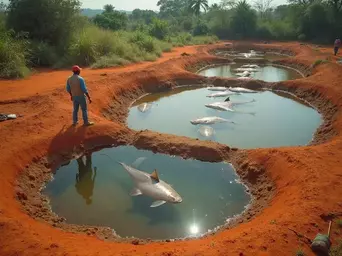
Picture this: It's the height of the rainy season, and you're watching helplessly as muddy runoff cascades into your carefully maintained catfish ponds. The water that was crystal clear yesterday is now brown and murky, your fish are gasping at the surface, and you've already lost dozens of fingerlings this week.
📑 Table of Contents
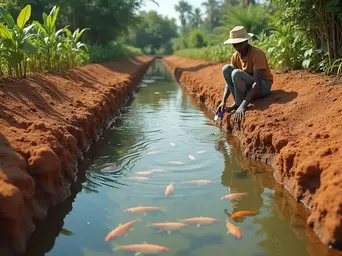
Fast-forward six months to the peak of dry season—now you're dealing with the opposite nightmare. Water levels are dropping daily, temperatures are soaring above 35°C, and your remaining fish show clear signs of stress. Does this rollercoaster sound familiar?
Seasonal water management challenges cost Nigerian catfish farmers millions of naira annually through fish losses, poor growth rates, and emergency interventions. Yet many farmers treat water quality as something that happens to them rather than something they actively control. The truth is, farmers who master seasonal water management strategies consistently achieve survival rates above 90% and growth rates that outperform their neighbours by 40% or more, regardless of weather conditions.
This comprehensive guide provides you with complete technical knowledge for managing water quality throughout the year in tropical catfish farming. You'll learn specific strategies for wet season challenges like runoff management and disease prevention, dry season techniques including water conservation and temperature control, and year-round monitoring protocols that keep your fish healthy and productive. More importantly, you'll discover how to anticipate seasonal changes and implement preventive measures before problems impact your fish—transforming you from someone who reacts to water quality crises into someone who prevents them entirely.
🎯 What You'll Learn
- Master effective runoff management strategies to maintain water quality during the wet season and prevent fish mortality
- Discover practical temperature control methods to optimise catfish growth rates and reduce stress during extreme weather conditions
- Learn how to implement water conservation techniques to maintain optimal conditions and prevent evaporation losses during the dry season
Picture this: It's the height of the rainy season in Ogun State, and Samuel watches anxiously as murky brown water cascades into his catfish ponds from the surrounding farmland. His usually clear pond water has turned cloudy, his fish are gasping at the surface, and he's already lost fifty fingerlings this week. Just six months ago, during the dry season, he faced the opposite problem—water levels dropping daily, temperatures soaring above 35°C, and his remaining fish showing signs of stress from poor water quality.
This comprehensive guide provides you with the complete technical knowledge needed to manage water quality throughout the year in your tropical catfish farming operation. You'll learn specific strategies for wet season challenges like runoff management and disease prevention, dry season techniques including water conservation and temperature control, and year-round monitoring protocols that keep your fish healthy and productive.
Effective seasonal water management directly impacts every aspect of your catfish farming success. Poor water quality reduces growth rates by up to 40%, increases disease susceptibility, and can devastate your harvest. Conversely, farmers who master seasonal water management consistently achieve survival rates above 90%, faster growth rates, and significantly higher profits. The difference between struggling through seasonal challenges and thriving despite them lies in understanding how water parameters change throughout the year and implementing proven management strategies.
Understanding Seasonal Impacts on Water Quality
Water quality in tropical catfish ponds fluctuates dramatically with seasonal changes, affecting everything from fish metabolism to disease resistance. During wet seasons, heavy rainfall dilutes pond water whilst introducing contaminants, whilst dry periods concentrate dissolved substances and elevate temperatures. Understanding these patterns allows you to anticipate problems and implement preventive measures before they impact your fish.
The key to successful seasonal management lies in recognising that African catfish (Clarias gariepinus) can tolerate wider parameter ranges than many species, but optimal conditions still produce dramatically better results. A farmer in Kisumu demonstrated this perfectly—by maintaining strict water quality standards throughout both seasons, he achieved 1.2kg average weights in just five months, compared to neighbouring farms averaging 800g in the same period.
Seasonal Variations in Water Parameters
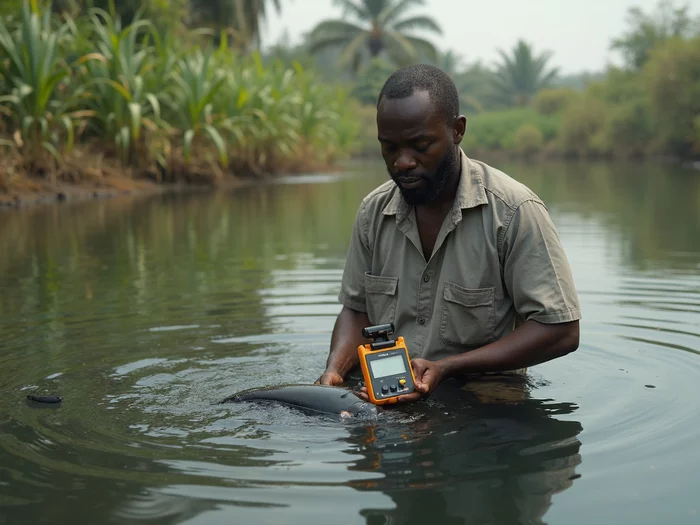
Temperature fluctuations present your most significant seasonal challenge. During dry seasons, pond temperatures can exceed 35°C during midday, whilst wet season temperatures may drop to 22°C during heavy rains. African catfish thrive between 25-30°C, with growth rates declining rapidly outside this range. Above 32°C, oxygen levels drop whilst fish metabolism increases, creating stress.
pH levels shift seasonally due to rainfall and biological activity. Wet season runoff often carries acidic compounds, dropping pond pH below 6.0, whilst dry season evaporation and algae growth can push pH above 9.0. Maintain pH between 6.5-8.5 for optimal catfish health. A pH below 6.0 reduces oxygen-carrying capacity of fish blood, whilst levels above 9.0 increase ammonia toxicity.
Dissolved oxygen varies dramatically between seasons. Wet season cloud cover reduces photosynthesis whilst organic matter decomposition increases, often dropping oxygen below 3mg/L. Dry season algae blooms can create extreme daily fluctuations—supersaturation during day, dangerous depletion at night. Maintain dissolved oxygen above 5mg/L consistently, with levels above 6mg/L producing optimal growth rates. For more detailed information, consider managing dissolved oxygen effectively.
Turbidity increases significantly during wet seasons as runoff carries soil particles into ponds. Excessive turbidity blocks sunlight, reducing photosynthesis and oxygen production. It also clogs fish gills and provides surfaces for harmful bacteria. Keep turbidity below 40 NTU for healthy catfish production.
| Parameter | Wet Season Range | Dry Season Range | Optimal Range |
|---|---|---|---|
| Temperature | 22°C - 30°C | >35°C | 25°C - 30°C |
| pH | <6.0 | >9.0 | 6.5 - 8.5 |
| Dissolved Oxygen | <3mg/L | >5mg/L | >6mg/L |
| Turbidity | >40 NTU | <40 NTU | Healthy range |
Implications of Seasonal Changes on Fish Health
Fluctuating water parameters stress catfish, compromising their immune systems and making them vulnerable to disease outbreaks. Stressed fish exhibit reduced feeding behaviour, slower growth rates, and increased mortality. A farmer in Lagos learned this lesson expensively when poor wet season water management led to a bacterial infection that killed 60% of his stock.
Temperature stress affects catfish metabolism directly. High temperatures increase oxygen demand whilst reducing water's oxygen-holding capacity. Fish become lethargic, feed poorly, and show increased susceptibility to parasites. Cold stress slows digestion, leading to feed conversion problems and potential digestive disorders.
Poor water quality during critical growth periods can permanently impact fish development. Fingerlings exposed to suboptimal conditions may never reach full size potential, even after conditions improve. This emphasises the importance of maintaining consistent water quality throughout the production cycle, not just addressing problems after they occur.
Regular monitoring becomes crucial during seasonal transitions when parameters change rapidly. Check water quality daily during these periods, as conditions that seem acceptable one day can become lethal within 24-48 hours. Early detection allows for corrective action before fish health suffers irreversibly.
Water Management Strategies for Wet Season
Wet season management focuses on controlling water inputs, managing runoff contamination, and preventing disease outbreaks associated with poor water quality. Heavy rainfall can overwhelm pond systems, dilute beneficial bacteria, and introduce pathogens from surrounding areas. However, with proper planning, you can harness wet season benefits whilst minimising risks.
The key principle during wet seasons is controlled water exchange. Rather than allowing uncontrolled flooding, you want to manage fresh water inputs to maintain stable conditions whilst removing excess water before it causes problems. This requires advance preparation and active daily management throughout the rainy period.
Rainfall and Water Source Selection
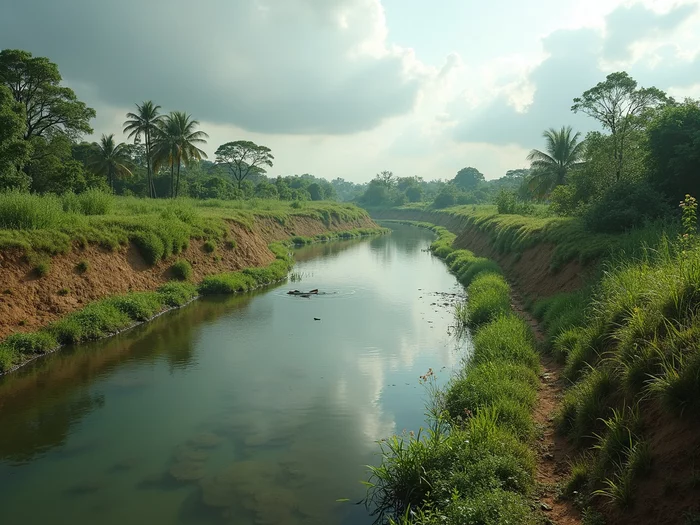
Select your primary water source based on wet season reliability and quality. Borehole water provides the most consistent quality but may be expensive to pump continuously. Surface water from streams or rivers offers abundant supply but requires careful quality assessment. Rainwater collection provides excellent quality but needs adequate storage systems.
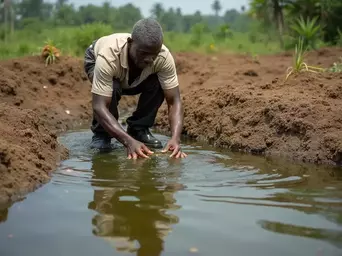
Test all water sources before the wet season begins. Analyse pH, dissolved oxygen, ammonia, nitrites, and bacterial content. Surface water sources often carry agricultural runoff containing pesticides and fertilisers that can harm catfish. A farmer in Kumasi discovered his river water source contained copper sulphate from upstream rice farming, which proved toxic to his fingerlings.
Establish multiple water sources when possible. If your primary source becomes contaminated during heavy rains, having alternatives prevents emergency situations. Install simple filtration systems for each source—sand and gravel filters remove suspended solids and some contaminants effectively. Build settling ponds where incoming water can clarify before entering production ponds.
Store rainwater during early wet season periods when contamination is lowest. The first few rainfall events often carry atmospheric pollutants and roof contaminants, but subsequent rain provides excellent quality water. Install guttering and storage tanks to capture clean rainwater for use during dry spells or when other sources are compromised.
Managing Water Quality and Disease Prevention
Control turbidity through strategic pond design and buffer zones. Create grass strips around pond perimeters to filter runoff before it enters your system. Plant vetiver grass or similar species that trap soil particles whilst allowing water to pass through slowly. These buffer zones can reduce turbidity by 70-80% during heavy rains.
Install overflow systems that remove surface water carrying floating debris and oils. Position outlets 10-15cm below normal water level to automatically discharge excess water whilst retaining deeper, clearer water. This prevents pond flooding whilst maintaining stable conditions for your fish.
Increase aeration during wet periods when natural oxygen production decreases. Cloud cover reduces photosynthesis whilst decomposing organic matter consumes oxygen. Run aerators continuously during extended cloudy periods, focusing on early morning hours when oxygen levels are naturally lowest. A farmer in Ibadan installed solar-powered aerators that automatically activate when light levels drop below specific thresholds.
Monitor for common wet season diseases including bacterial gill disease, columnaris, and fungal infections. These thrive in poor water quality conditions typical of wet seasons. Inspect fish daily for symptoms including lethargy, loss of appetite, abnormal swimming behaviour, or visible lesions. Maintain biosecurity protocols by disinfecting equipment and limiting access to pond areas.
| Disease | Symptoms | Treatment/Prevention |
|---|---|---|
| Bacterial Gill Disease | Gasping at the surface | Improved aeration |
| Columnaris | Lesions | Antibiotics |
| Fungal Infections | White patches | Antifungal agents |
Implement preventive health measures including probiotic supplementation and immune-boosting feed additives. Probiotics help maintain beneficial bacterial populations that can be disrupted by water quality fluctuations. Vitamin C supplementation strengthens fish immune systems during stressful periods. Feed high-quality pellets with enhanced nutrition during challenging conditions.
Water Management Strategies for Dry Season
Dry season management centres on water conservation, temperature control, and maintaining water quality as volumes decrease and temperatures rise. Evaporation can reduce pond levels by 5-8mm daily, concentrating dissolved substances and creating increasingly challenging conditions. However, dry seasons also offer advantages including stable weather patterns and reduced disease pressure from some pathogens.
Successful dry season management requires proactive planning before the season begins. This includes infrastructure improvements, water storage systems, and modified feeding protocols that account for changing conditions. Many farmers achieve their best growth rates during dry seasons by optimising management practices for stable conditions.
Water Conservation Techniques
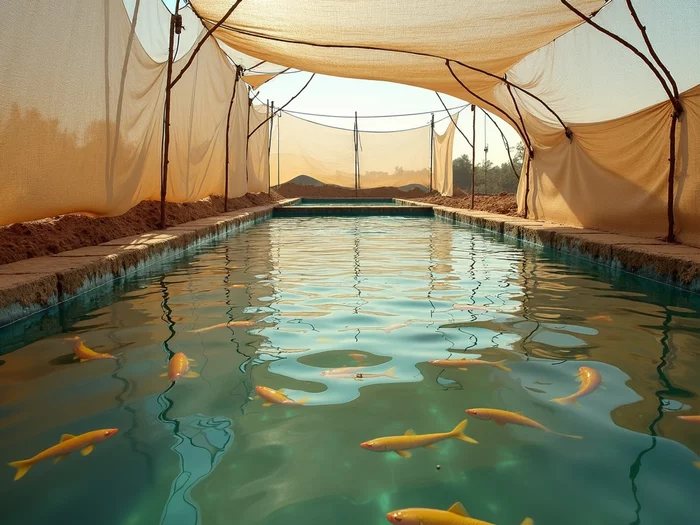
Reduce evaporation through strategic shading and windbreaks. Install shade cloth over pond surfaces, providing 40-60% shade coverage. This reduces water temperature by 3-5°C whilst decreasing evaporation rates significantly. Plant fast-growing trees like moringa or plantain around pond perimeters to provide natural shade and windbreaks. A farmer in Kano reduced his dry season water loss by 45% using a combination of shade cloth and strategic tree planting.
Construct ponds with optimal depth-to-surface area ratios. Deeper ponds lose proportionally less water to evaporation whilst maintaining more stable temperatures. Build ponds at least 1.5m deep, with sections reaching 2m for temperature refuge during extreme heat. Rectangular ponds with 3:1 length-to-width ratios minimise surface area whilst maximising volume.
Install rainwater harvesting systems to capture and store wet season water for dry season use. Calculate your dry season water needs—typically 10-15% of pond volume monthly for evaporation replacement plus 20% for water changes. Build storage tanks or lined ponds dedicated to water storage. Treat stored water with beneficial bacteria to prevent stagnation.
Implement recirculation systems where feasible. Simple gravity-fed systems can reuse pond water after basic filtration and aeration. This reduces fresh water requirements by 60-80% whilst maintaining water quality. Install biofilters using local materials like gravel, sand, and beneficial bacteria cultures to clean recirculated water effectively.
Maintaining Optimal Water Quality
Monitor salinity levels closely as evaporation concentrates dissolved minerals. African catfish tolerate salinity up to 10 parts per thousand, but optimal growth occurs below 3 parts per thousand. Test weekly using simple conductivity metres or salinity refractometers. Dilute high-salinity water with fresh water additions rather than complete water changes that waste precious water resources.
Manage alkalinity to buffer pH fluctuations common in concentrated water. Add agricultural lime at 50-100g per cubic metre monthly to maintain alkalinity between 80-120mg/L. This prevents dangerous pH swings that stress fish and reduces ammonia toxicity. Avoid over-liming, which can raise pH above safe levels.
Control ammonia and nitrite buildup through enhanced biological filtration. Establish beneficial bacteria colonies using commercial bacterial supplements or aged pond water from healthy systems. These bacteria convert toxic ammonia to less harmful nitrates. Reduce feeding rates if ammonia exceeds 0.5mg/L or nitrites exceed 0.1mg/L, as these indicate insufficient biological filtration capacity.
Increase aeration capacity to compensate for reduced oxygen solubility in warm water. Install additional aerators or run existing systems longer during hot periods. Focus aeration during early morning hours when oxygen levels are lowest. Solar-powered aerators work excellently in dry season conditions with abundant sunlight availability.
Nutrient Management and Algae Control
Prevent harmful algae blooms by controlling nutrient inputs and maintaining beneficial bacteria populations. Reduce feeding rates during extreme heat when fish metabolism slows and waste production increases relative to consumption. Feed smaller amounts more frequently rather than large meals that fish cannot consume completely.
Manage phosphorus levels through careful feed selection and waste removal. High-phosphorus feeds contribute to algae problems in warm, nutrient-rich conditions. Choose feeds with phosphorus levels below 1.2% and protein levels appropriate for water temperature—reduce protein content by 2-3% during extreme heat periods when fish growth slows.
| Technique | Purpose | Implementation Tips |
|---|---|---|
| Reduce Feeding Rates | Prevent waste accumulation | Feed smaller amounts more frequently |
| Manage Phosphorus Levels | Control algae growth | Choose low-phosphorus feeds |
| Introduce Beneficial Algae | Compete with harmful varieties | Maintain moderate levels |
Control blue-green algae blooms that can produce toxins harmful to catfish. These algae thrive in high-temperature, high-nutrient conditions typical of dry seasons. Maintain water circulation to prevent stagnant areas where toxic algae concentrate. If blooms occur, increase water exchange rates and reduce feeding until conditions improve.
Introduce beneficial algae species that compete with harmful varieties whilst providing oxygen production. Green algae and diatoms benefit pond ecosystems by producing oxygen and consuming excess nutrients. Maintain moderate algae levels through proper feeding and nutrient management rather than attempting to eliminate all algae growth.
Emergency Management for Extreme Weather
Develop contingency plans for extreme heat events when temperatures exceed 38°C. Install emergency shade systems using tarps or temporary structures. Increase aeration to maximum capacity and consider adding ice or cold water if available. Reduce feeding to minimum maintenance levels during extreme heat to prevent water quality deterioration.
Prepare for potential water source failures by identifying emergency water suppliers. Establish relationships with borehole owners or water transport services before emergencies occur. Calculate emergency water requirements—typically 30% of pond volume for critical dilution during extreme conditions. Store emergency contact information and have backup power sources for critical aeration systems.
Create heat refuge areas in ponds by varying depth or installing cooling systems. Designate deeper sections where fish can seek cooler water during peak heat periods. Simple evaporative cooling systems using wet burlap over pond surfaces can reduce water temperature by 2-3°C during extreme conditions.
Monitor fish behaviour closely during extreme weather events. Signs of heat stress include gasping at surface, reduced feeding, and abnormal swimming patterns. Be prepared to harvest fish early if conditions become life-threatening. Emergency harvest procedures should be planned in advance, including arrangements for processing or temporary holding facilities.
| Strategy | Wet Season Approach | Dry Season Approach |
|---|---|---|
| Water Source Selection | Borehole | Surface Water |
| Turbidity Control | Buffer Zones | Overflow Systems |
| Aeration Techniques | Continuous Aeration | Increased Aeration |
| Disease Prevention Measures | Daily Inspections | Probiotic Use |
Seasonal Temperature Management
Temperature management represents perhaps your most critical seasonal challenge, as it affects every aspect of catfish physiology from metabolism to immune function. Unlike many water quality parameters that you can adjust through chemical additions or water changes, temperature requires physical management strategies and infrastructure modifications. Understanding how temperature impacts your catfish throughout different seasons enables you to managing water temperature to optimise growth rates and prevent temperature-related mortality.
Effective temperature management goes beyond simply monitoring readings—it requires creating thermal environments that support optimal fish performance whilst providing refuges during extreme conditions. This involves strategic infrastructure design, active cooling and heating methods, and management practices that help catfish adapt to seasonal temperature transitions without stress.
Temperature Monitoring and Control
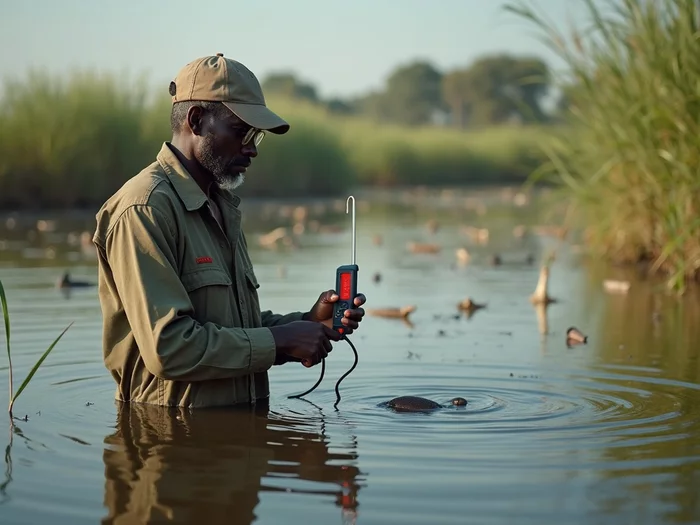
Install multiple temperature monitoring points throughout your pond system to understand thermal patterns. Place sensors at different depths and locations to identify temperature stratification and hot spots. Surface temperatures can vary 5-8°C from bottom temperatures in deeper ponds, providing valuable information for management decisions. A farmer in Kaduna discovered his pond had a consistent cool zone near the inlet that fish used during extreme heat, leading him to modify his pond design to create more thermal refuges.
Monitor temperature at consistent times daily, recording both maximum and minimum readings. Early morning temperatures indicate overnight cooling, whilst afternoon readings show peak heat stress periods. African catfish can tolerate temperature ranges from 20-35°C, but growth rates are optimal between 26-30°C. Growth slows by 25% when temperatures drop below 24°C and by 40% when they exceed 32°C consistently.
Create temperature control systems appropriate for your scale and budget. Simple shade structures using local materials like palm fronds or shade cloth can reduce water temperature by 3-5°C during peak heat. More sophisticated systems might include evaporative cooling using misters or wet surfaces above pond areas. Solar-powered circulation pumps can prevent temperature stratification whilst operating cost-effectively during sunny periods.
Install emergency temperature management equipment for extreme conditions. This might include portable aerators that increase when temperatures soar, emergency shade materials that can be deployed quickly, or access to cool water sources for emergency dilution. Plan these systems before extreme weather occurs, as emergency procurement during heat waves or cold snaps is often impossible or extremely expensive.
Adapting to Temperature Fluctuations
Modify feeding protocols based on seasonal temperature patterns to optimise fish health and growth. During cooler periods below 25°C, reduce feeding frequency to twice daily and lower protein content to 28-32% as fish metabolism slows. During optimal temperature periods (26-30°C), feed three times daily with high-protein feeds (35-40%) to maximise growth potential. During heat stress periods above 32°C, reduce feeding to once daily during cooler morning hours to prevent water quality deterioration from uneaten feed.
Adjust stocking densities seasonally to account for temperature-related oxygen demands. High temperatures reduce water's oxygen-holding capacity whilst increasing fish oxygen requirements. Consider reducing stocking density by 20-30% in ponds that regularly experience temperature stress, or install additional aeration to support higher densities. A farmer in Abuja maintains 200 fish per square metre during cool seasons but reduces to 150 per square metre during peak heat periods.
| Season | Optimal Density (fish/m²) | Recommended Adjustments |
|---|---|---|
| Cool Season | 200 fish/m² | Maintain density |
| Warm Season | 150 fish/m² | Reduce density by 20-30% |
Implement gradual temperature transition management during seasonal changes. Sudden temperature drops during early wet season can shock fish adapted to dry season heat. Provide thermal refuges like deeper pond areas or partially covered sections where fish can adjust gradually. Similarly, as temperatures rise entering dry season, ensure adequate shade and cooling systems are operational before peak heat arrives.
Select catfish strains adapted to your local temperature patterns. Some African catfish varieties show better heat tolerance, whilst others perform better during cooler periods. Local suppliers often stock strains selected for regional climate conditions. Discuss temperature tolerance with fingerling suppliers and choose varieties that match your seasonal temperature patterns.
Case Study: Effective Temperature Management in Practice
Adebayo operates a 2-hectare catfish farm in Oyo State where temperatures range from 22°C during heavy rains to 38°C during peak dry season. Initially, he experienced 30% mortality during temperature extremes and poor growth rates during transitional periods. His transformation demonstrates practical temperature management principles in action.
He redesigned his pond system with variable depths from 1.2m at shallow ends to 2.5m in designated thermal refuge areas. Over these deeper sections, he installed permanent shade structures using locally-sourced bamboo and shade cloth, creating consistent cool zones. Around pond perimeters, he planted fast-growing trees that provide natural windbreaks and shade whilst producing additional farm income through fruit production.
His monitoring system includes digital thermometers at three depths in each pond, with readings recorded twice daily. Based on temperature data, he adjusts feeding schedules seasonally—feeding three times daily during optimal periods, twice during cool periods, and once during extreme heat. He maintains emergency cooling capacity using portable misters that can reduce surface temperature by 4-6°C during extreme conditions.
Results after two years of temperature-focused management include 95% survival rates regardless of season, consistent growth rates averaging 1.1kg in six months, and significantly reduced feed conversion ratios. His temperature management investment of approximately 150,000 naira per hectare paid for itself within 18 months through improved survival and growth performance.
Infrastructure and System Maintenance
Proper infrastructure design and maintenance form the foundation of successful seasonal water management. Your pond systems, equipment, and support infrastructure must function reliably throughout diverse seasonal conditions, from heavy rains and flooding to extreme heat and water scarcity. Well-designed systems reduce labour requirements whilst improving water quality consistency, but they require regular maintenance to perform optimally.
The key to effective infrastructure management lies in preventive maintenance and seasonal preparation. Rather than waiting for equipment failures during critical periods, establish maintenance schedules that ensure all systems operate at peak efficiency when you need them most. This approach prevents costly emergency repairs and reduces the risk of fish losses due to system failures.
Pond Design and Maintenance
Design pond inlet and outlet systems to handle seasonal water management requirements effectively. Install inlet pipes at pond bottoms to introduce fresh water without disturbing surface layers, whilst outlet systems should have multiple levels allowing selective water removal. Bottom outlets enable complete drainage for maintenance, mid-level outlets manage normal water levels, and surface outlets prevent overflow during heavy rains.
Construct pond bottoms with proper slopes (1-2% grade toward outlets) to facilitate drainage and waste removal. Poor drainage creates anaerobic zones where harmful gases accumulate, particularly during warm seasons when biological activity increases. Install central drains in larger ponds to enable complete water removal for periodic cleaning and maintenance. A farmer in Enugu increased his pond efficiency by 40% simply by improving drainage design during pond renovation.
Maintain pond banks and liner systems to prevent erosion and water loss. Inspect pond edges monthly for erosion, cracks, or settlement that could lead to structural failure. Repair minor damage immediately using clay, bentonite, or appropriate liner materials. Plant grass or other vegetation on pond banks to prevent erosion whilst avoiding species that might introduce unwanted nutrients or chemicals into pond water.
Implement routine pond maintenance schedules that address seasonal requirements. During dry seasons, remove accumulated sediment and organic matter that can cause water quality problems when ponds refill. Clean and repair inlet/outlet systems before wet seasons begin. Inspect and maintain pond structures during moderate weather periods when repairs can be completed safely and effectively.
Equipment Maintenance Protocols
Establish regular maintenance schedules for all aeration equipment, pumps, and monitoring devices. Clean aerator impellers weekly to remove algae and debris that reduce efficiency. Check electrical connections monthly for corrosion or damage, particularly important in humid tropical conditions. Replace worn components before they fail completely—aerator failure during extreme conditions can cause rapid fish mortality.
Service pumps and water circulation systems according to manufacturer recommendations, typically every 3-6 months depending on usage. Replace pump seals, impellers, and filters as needed to maintain optimal performance. Keep spare parts inventory for critical components, as equipment failures often occur during extreme weather when replacement parts are difficult to obtain quickly.
Calibrate water quality monitoring equipment regularly to ensure accurate readings. pH metres, dissolved oxygen metres, and thermometers require periodic calibration using standard solutions. Inaccurate readings lead to inappropriate management decisions that can harm fish health. Maintain backup monitoring equipment for critical parameters to ensure continuous monitoring capability.
Develop equipment replacement schedules based on expected service life and criticality to operations. Aerators typically require replacement every 3-5 years depending on usage and maintenance quality. Water pumps may last 5-10 years with proper maintenance. Plan replacements during off-seasons when fish stress is minimal and installation can be completed without disrupting operations.
Mastering seasonal water management is your gateway to consistent catfish farming success throughout the year. The key lies in understanding that each season brings predictable challenges—wet season runoff and disease pressure, dry season heat stress and water scarcity—that you can prepare for and manage effectively. Focus on the fundamentals: monitor temperature, pH, dissolved oxygen, and turbidity daily; establish proper pond drainage and aeration systems; and adjust your feeding protocols based on seasonal conditions.
You now have the complete framework to transform your operation from surviving seasonal challenges to thriving because of proper preparation. Start with simple daily monitoring and gradually implement the infrastructure improvements that fit your budget and scale. Every successful catfish farmer began exactly where you are now, learning through experience whilst building their skills systematically. The techniques in this guide work—they're proven by farmers across tropical regions who've achieved consistent 90%+ survival rates and optimal growth performance.
Your next step is developing a comprehensive feeding strategy that complements your water management system. Proper nutrition and water quality work together to maximise fish health and growth rates. Consider also exploring pond design improvements and disease prevention protocols to build a complete management system. With strong seasonal effective water management as your foundation, you're well-positioned to achieve the consistent profitability that makes catfish farming a sustainable livelihood.
Frequently Asked Questions
What are the most critical water parameters I should monitor during the dry season, and why?
During the dry season, you should closely monitor dissolved oxygen, pH, and salinity. High temperatures reduce oxygen solubility whilst evaporation concentrates dissolved substances, making fish more susceptible to stress and ammonia toxicity. Maintaining optimal levels of these parameters is crucial for preventing growth reduction and disease outbreaks.
How can I effectively reduce evaporation in my ponds during the hot, dry season?
To reduce evaporation, consider installing shade cloth over your pond surfaces, which can lower water temperature by 3-5°C and significantly decrease water loss. Additionally, planting fast-growing trees like moringa around pond perimeters provides natural shade and acts as windbreaks, further conserving water. Deeper ponds also lose proportionally less water to evaporation.
Why is it important to manage wet season runoff into my catfish ponds?
Managing wet season runoff is crucial because heavy rainfall can introduce turbidity, diluting beneficial bacteria and bringing contaminants like pesticides or fertilisers from surrounding areas into your ponds. This can lead to reduced oxygen levels, increased disease susceptibility, and poor water quality that stresses your fish. Creating grass buffer strips around pond perimeters can significantly filter this runoff.
When should I adjust my catfish feeding rates based on water temperature?
You should adjust feeding rates seasonally: feed three times daily with high-protein feeds (35-40%) when temperatures are optimal (26-30°C). During cooler periods (below 25°C), reduce to twice daily with lower protein (28-32%), and during heat stress (above 32°C), feed once daily in cooler morning hours to prevent water quality deterioration from uneaten feed. This helps match feed intake to fish metabolism.
Can I use rainwater for my catfish ponds, and what should I consider?
Yes, rainwater can be an excellent quality water source, particularly after the first few rainfall events which may carry atmospheric pollutants. You should install guttering and storage tanks to capture clean rainwater for use during dry spells or if other sources are compromised. Storing it during early wet season periods when contamination is lowest is ideal.


Yomi Adisa Lead Researcher
Yomi Adisa is the lead researcher at Fish Farming Business, where he studies what makes aquaculture ventures profitable across Africa. His research focuses on market patterns, buyer preferences, and the business decisions that determine success or failure in fish farming.