Key Physical Traits Impacting Catfish Farm Management Success
Posted on: 2025-11-24
By: Yomi Adisa
In the dynamic world of aquaculture, the choice of feed plays a pivotal role in the success and profitability of fish farming operations. For many African farmers, tilapia and catfish are the primary species, necessitating a feed that not only promotes rapid growth but also ensures the health and vitality of the fish. Aquafeed manufacturers have risen to this challenge, producing a variety of feeds tailored to different growth stages and species. This review delves into some of the most popular and effective fish feed products available in the African market, focusing on their nutritional profiles, benefits, and suitability for various farming systems.
Understanding the specific needs of tilapia and catfish is crucial. Tilapia, being omnivorous, requires a balanced diet with a good protein-to-energy ratio, while carnivorous catfish thrive on higher protein content. The quality of ingredients, digestibility, and palatability are all factors that contribute to the efficacy of a fish feed. Additionally, feed stability in water is important, especially in pond systems where uneaten feed can degrade water quality. Farmers often look for feeds that minimize waste and maximize nutrient utilization.
Key Features to Consider in Fish Feed
When selecting fish feed, several key features should be taken into account to ensure optimal growth and health for your aquaculture stock:
- Protein Content: This is perhaps the most critical factor. Tilapia typically requires 25-45% protein depending on the growth stage, while catfish often need 35-45%. High-quality protein sources (e.g., fish meal, soy meal) are essential for muscle development.
- Fat Content: Provides energy for fish, sparing protein for growth. Optimal fat levels vary by species and stage but generally range from 6-18%.
- Carbohydrate Content: While fish utilize carbohydrates less efficiently than protein and fat, they are a cost-effective energy source. Levels usually range from 15-30%.
- Vitamins and Minerals: Essential micronutrients for immune function, skeletal development, and overall health. A complete feed should be fortified with a balanced vitamin and mineral premix.
- Digestibility: The proportion of feed nutrients absorbed by the fish. Highly digestible feeds lead to better growth rates and less waste.
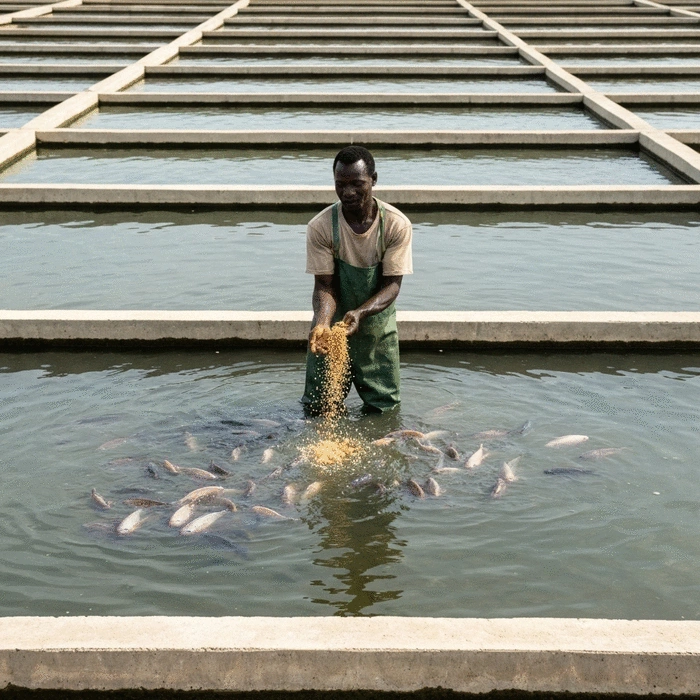
- Water Stability: Especially important for pond and cage culture, where feed needs to remain intact in water long enough for fish to consume it, minimizing nutrient leaching and water pollution.
- Palatability: Fish must find the feed appealing to consume it readily. Good palatability ensures consistent feed intake.
- Formulation: Feeds come in various forms (crumbles, pellets, extruded). Extruded floating pellets are common for surface feeders like tilapia, while sinking pellets are suitable for bottom feeders like catfish.
Top Fish Feed Brands and Products in Africa
Several brands have established themselves as leaders in the African aquaculture feed market, offering products that meet the diverse needs of farmers. Here's a look at some prominent ones:
1. Skretting
Skretting is a global leader in aquaculture feed, with a significant presence in Africa. They offer a comprehensive range of feeds for various species, including specialized diets for tilapia and catfish. Their products are known for their high quality, research-backed formulations, and excellent performance.
- Nutritional Profile: Skretting feeds are formulated with high-quality protein sources, balanced amino acid profiles, and essential vitamins and minerals. They often incorporate advanced ingredients to improve digestibility and immune response.
- Benefits: Promotes fast growth, improves feed conversion ratios (FCR), enhances fish health, and reduces disease susceptibility. Their feeds are designed for various life stages, from fry to broodstock.
- Suitability: Ideal for intensive and semi-intensive farming systems, including pond, tank, and cage culture. Skretting offers both floating and sinking pellets.
Farmers using Skretting often report consistent growth and healthy fish, making it a preferred choice for commercial operations aiming for high productivity. The brand's commitment to sustainability and research also adds to its appeal.
2. Coppens (Alltech Coppens)
Coppens, now part of Alltech, is another highly respected name in aquaculture nutrition. They are particularly recognized for their high-performance feeds that cater to the specific needs of various fish species, with a strong focus on sustainability and innovation.
- Nutritional Profile: Coppens feeds are characterized by highly digestible proteins, optimal fat levels, and a comprehensive vitamin and mineral package. They often utilize advanced extrusion technology to ensure excellent water stability and nutrient retention.
- Benefits: Rapid growth rates, low FCR, strong immune systems, and reduced environmental impact due to better feed utilization. Their products are designed to support fish through all developmental stages.
- Suitability: Excellent for both small-scale and large-scale farms using various systems, including recirculating aquaculture systems (RAS), ponds, and tanks.
Coppens feeds are often chosen by farmers who prioritize high quality and are looking for feeds that contribute to both fish health and water quality management. Their focus on sustainable practices resonates with environmentally conscious farmers.
3. Blue Crown Feeds
Blue Crown Feeds is a prominent local African brand that has gained popularity for its cost-effective yet nutritious feed options. They focus on providing feeds tailored to the local farming conditions and species prevalent in the region.
- Nutritional Profile: Blue Crown offers a range of protein levels suitable for tilapia and catfish at different growth stages. Their formulations are designed to be highly palatable and digestible, often incorporating locally sourced ingredients where feasible.
- Benefits: Affordable, promotes good growth, and is readily available in local markets. Their feeds are developed with the African farmer in mind, addressing specific environmental and economic considerations.
- Suitability: Widely used in pond culture and small to medium-scale tank farming operations across various African countries.
Blue Crown Feeds provides a vital service by making quality feed accessible to a broader range of farmers, contributing significantly to food security and local aquaculture development. Farmers appreciate the balance between cost and performance.
4. Aller Aqua
Aller Aqua is a Danish company with a strong international presence, including a growing footprint in Africa. They specialize in high-quality, extruded fish feeds and are known for their technical expertise and innovative product development.
- Nutritional Profile: Aller Aqua feeds are characterized by carefully selected raw materials, high protein content, and balanced energy levels. They prioritize ingredients that ensure high digestibility and nutrient absorption, leading to minimal waste.
- Benefits: Excellent growth performance, improved FCR, robust fish health, and reduced environmental pollution due to efficient nutrient utilization. Their feeds are designed to meet the precise needs of different species and farming intensities.
- Suitability: Suitable for a wide range of aquaculture systems, from extensive pond farming to intensive RAS operations. They offer both floating and sinking feed types.
Aller Aqua's commitment to research and development ensures that their products are always at the forefront of aquaculture nutrition, providing farmers with reliable and high-performing feed solutions. Their global experience translates into effective local solutions.
5. Raanan Fish Feed
Raanan Fish Feed, originating from Israel, has a long history in aquaculture and offers a variety of feeds specifically designed for warm-water species like tilapia and catfish. They focus on practical, effective solutions for commercial fish farms.
- Nutritional Profile: Raanan feeds provide balanced nutrition with appropriate protein, fat, and carbohydrate levels for different growth stages. They emphasize high-quality ingredients to ensure palatability and digestibility.
- Benefits: Supports consistent growth, good fish health, and efficient feed conversion. Their formulations are developed based on extensive experience in challenging aquaculture environments.
- Suitability: Widely used in pond and tank farming, particularly in regions with similar climatic conditions to their origin.
Raanan Fish Feed offers a blend of tradition and innovation, providing robust solutions that have been proven effective in various farming contexts. Their global reach includes significant operations in several African countries.
Factors Influencing Feed Choice
Beyond the brand and nutritional profile, several practical factors influence a farmer's choice of fish feed:
- Cost-Effectiveness: While premium feeds offer better performance, their cost must be weighed against potential returns. Farmers often seek the best balance between price and FCR.
- Availability: The ease of obtaining feed locally is crucial. Reliable supply chains ensure that fish are fed consistently without interruption.
- Farm System: The type of farming system (pond, tank, cage, RAS) dictates feed form (floating vs. sinking) and stability requirements.
- Fish Species and Size: Different species and life stages have varying nutritional needs. Feeds must be matched to the specific requirements of the cultured fish.
- Water Quality: Feeds with high water stability and digestibility can help maintain better water quality by reducing waste.
- Farmer Experience and Preference: Experienced farmers often have preferred brands and formulations based on their past successes and observations.
Optimizing Feeding Strategies
Choosing the right feed is only half the battle; an effective feeding strategy is equally important. This includes:
- Feeding Frequency: Younger fish require more frequent feeding than older fish.
- Feeding Rate: Based on biomass, water temperature, and fish behavior. Overfeeding wastes feed and degrades water quality.
- Observation: Regularly observing fish during feeding helps adjust quantities and identify potential health issues.
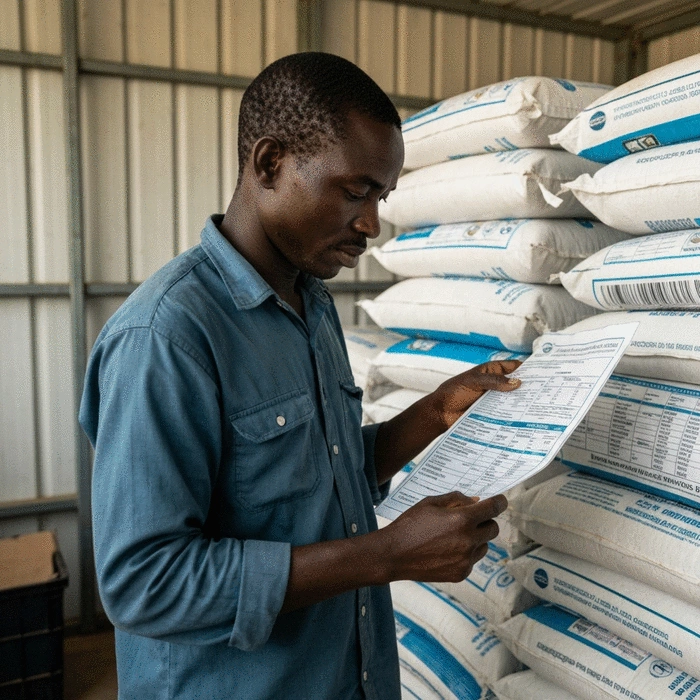
- Storage: Proper storage of feed in a cool, dry place prevents spoilage and nutrient degradation.
Many farmers combine different feed types or brands at various stages of the fish life cycle to optimize growth and manage costs. For instance, a high-protein starter feed might be followed by a more cost-effective grower feed.
Conclusion
The African aquaculture market is well-served by a range of high-quality fish feed products from both international and local manufacturers. Brands like Skretting, Coppens, Blue Crown, Aller Aqua, and Raanan offer specialized formulations for tilapia and catfish, addressing the critical nutritional needs of these commercially important species. By carefully considering protein content, digestibility, water stability, and cost-effectiveness, farmers can select feeds that optimize growth, promote fish health, and ultimately enhance the profitability and sustainability of their operations. The continuous innovation in fish nutrition ensures that African fish farmers have access to the best possible tools to succeed in a growing industry.



Yomi Adisa Lead Researcher
Yomi Adisa is the lead researcher at Fish Farming Business, where he studies what makes aquaculture ventures profitable across Africa. His research focuses on market patterns, buyer preferences, and the business decisions that determine success or failure in fish farming.