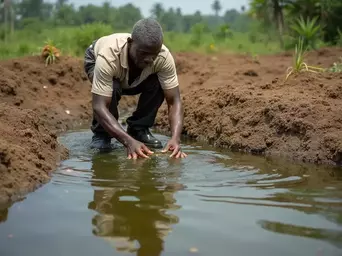
Understanding Catfish Stress Responses and Their Adaptations
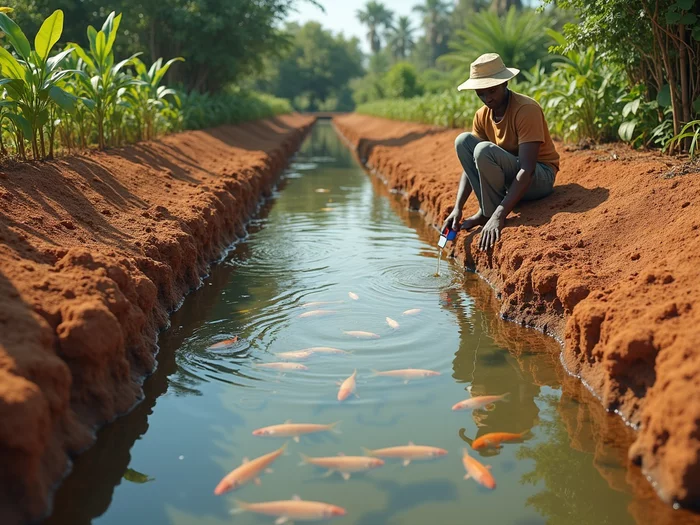
Posted on: 2025-11-29
By: Yomi Adisa
As a catfish farmer, you may find yourself focusing on production techniques, breeding, and feeding schedules. However, have you ever considered the hidden costs of ignoring your fish's stress responses? The truth is, stress can profoundly impact the health and profitability of your stock.
In this article, we will explore the various stress responses of catfish and how their adaptations to environmental challenges could make or break your farming success. From temperature fluctuations to chemical pollution, these factors are often overlooked but are crucial for a thriving aquaculture operation.
Join us as we delve into real-life stories, physiological insights, and management practices that could reshape your approach to stress management for healthy catfish farming.
What You Will Learn
- Understanding the subtle signs of stress in catfish and how to recognise them early.
- The hidden costs of ignoring fish stress responses and their impact on profitability.
- Key environmental factors that affect catfish health and how to monitor them effectively.
- Physiological responses of catfish to stress and their implications for growth and immunity.
- Real-life stories that highlight the consequences of mismanaging stress in aquaculture.
- Practical management strategies to reduce stress and improve overall farm resilience.
Why Most Farmers Overlook Catfish Stress Responses
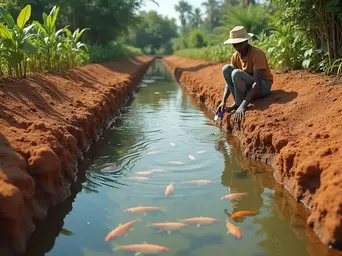
You walk past your ponds every morning, checking water levels and feeding schedules, but you're probably missing the most critical signals your catfish are sending you. Most farmers focus on the obvious—dead fish floating on the surface—whilst ignoring the subtle behavioural changes that predict disaster weeks before it strikes. Your fish are constantly communicating their stress levels through body language, feeding patterns, and positioning in the water column, yet these early warning signs remain invisible to farmers who haven't learned to read them.
The problem isn't that you don't care about your fish. The problem is that stress responses in catfish happen gradually, then suddenly. A farmer in Ogun State recently lost 2,000 fingerlings worth ₦300,000 because he didn't recognise that his fish had been showing stress symptoms for three weeks before the massive die-off occurred. You can avoid this costly mistake by understanding what stress looks like before it becomes catastrophic.
The Hidden Cost of Ignoring Stress in Your Stock
You need to understand that stressed catfish don't just die—they cost you money in ways you probably haven't calculated. When your fish experience chronic stress, their growth rates slow by 30-40%, meaning it takes longer to reach market size and your feed conversion ratios become terrible. You're essentially feeding fish that aren't growing efficiently, burning through expensive feed whilst your harvest timeline stretches from six months to eight or nine months.
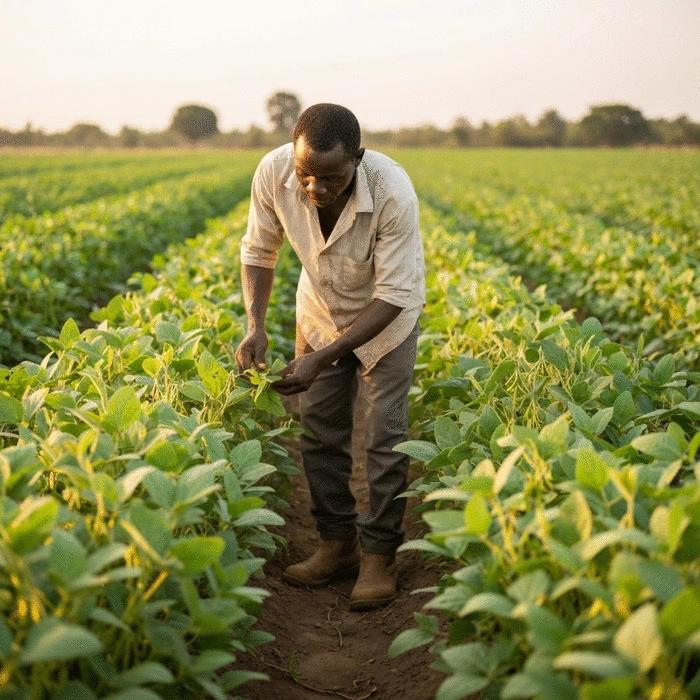
Stressed catfish also become vulnerable to diseases that healthy fish would normally resist. You might think you're dealing with a bacterial infection or parasite outbreak, but the real culprit is often underlying stress that has compromised their immune systems. The medications you buy to treat these secondary infections—often costing ₦15,000-25,000 per treatment cycle—are addressing symptoms rather than the root cause.
What Stress Actually Costs You
When you ignore stress responses in your catfish stock, you face these hidden expenses:
- Extended production cycles: 2-3 additional months to reach market weight
- Poor feed conversion: 40-60% more feed required for the same growth
- Increased mortality: 15-25% higher death rates during stressful periods
- Disease treatment costs: ₦20,000-40,000 in medications per cycle
- Reduced market value: Stressed fish often have poor flesh quality
Real Stories from Aquaculture: When Stress Leads to Disaster
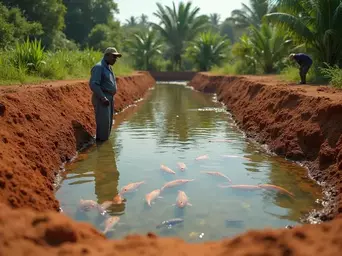
You want to hear about what happens when farmers completely miss stress signals because the consequences are both predictable and preventable. Consider what happened to a commercial operation in Ibadan last year during the dry season. The farmer noticed his catfish gathering near the pond edges and assumed they were simply seeking cooler water. He didn't realise that this clustering behaviour, combined with reduced feeding response, indicated severe oxygen stress caused by rising water temperatures and increased organic load.
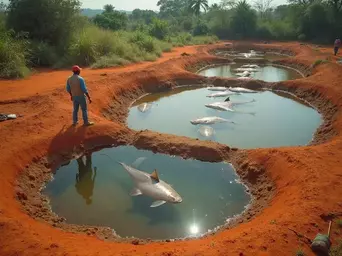
Within two weeks, the situation escalated rapidly. Fish began gasping at the surface during early morning hours, but the farmer attributed this to normal behaviour. By the time he recognised the crisis, dissolved oxygen levels had crashed below 2mg/L, and he lost 60% of his stock—approximately 4,500 fish worth ₦540,000. The tragedy wasn't the environmental conditions, which were manageable with proper intervention. The tragedy was that the fish had been signalling distress for weeks through their positioning and behaviour.
How Misunderstanding Stress Can Sabotage Your Farm's Success
You probably think stress is something that happens during obvious crises—power outages, extreme weather, or disease outbreaks. This misconception keeps many farmers reactive rather than proactive in their management approach. Chronic low-level stress from factors like inconsistent feeding times, gradual water quality deterioration, or overcrowding creates cumulative damage that's far more destructive than acute stress events.
Your catfish experience stress responses to changes you might consider minor. Switching feed brands without transition periods, altering feeding schedules by more than an hour, or introducing new fish to established populations all trigger stress responses that affect growth and health. These management decisions seem routine, but they create physiological changes in your fish that compound over time.
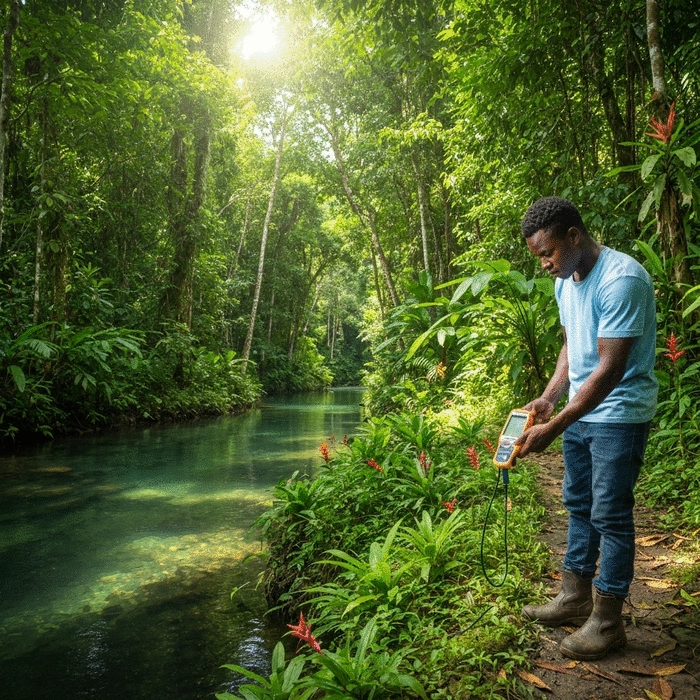
The most successful catfish farmers understand that stress management isn't about preventing all stressful events—that's impossible. Instead, you need to recognise stress responses quickly and take corrective action before they cascade into larger problems. This requires developing observational skills that most farmers never learn because they focus on production metrics rather than fish behaviour.
| Stress Level | Behavioural Signs | Timeline to Crisis |
|---|---|---|
| Mild Stress | Reduced feeding enthusiasm, slight colour changes | 2-3 weeks |
| Moderate Stress | Clustering behaviour, irregular swimming patterns | 1-2 weeks |
| Severe Stress | Surface gasping, erratic movements, feed refusal | 2-5 days |
| Key Points | Details |
|---|---|
| Importance of Stress Awareness | Ignoring stress responses can lead to significant losses in fish health and productivity. |
| Hidden Costs of Stress | Chronic stress leads to slower growth rates, higher feed costs, increased mortality, and disease susceptibility. |
| Behavioural Indicators | Changes in feeding patterns and positioning can signal stress in fish before visible symptoms appear. |
| Environmental Factors | Temperature fluctuations, salinity changes, and chemical pollution significantly affect catfish health. |
| Physiological Responses | Stress hormones like cortisol impact growth and immune function, highlighting the need for monitoring. |
| Adaptation to Climate Change | Farmers need to adjust practices in response to changing environmental conditions to maintain fish health. |
| Collaborative Learning | Networking with other farmers can provide valuable insights and strategies for improving catfish farming. |
Why You Should Care About the Physiological Responses of Catfish
You might think that understanding your fish's physiology is a secondary concern, but it could be the key to your farm's success. The physiological responses of catfish to stress are complex and often overlooked. Recognising these responses can help you make better management decisions that directly impact your profitability and fish health.
The Stress-Hormone Connection: How Your Fish Are Affected
Your catfish release stress hormones like cortisol into their system during stressful events. This hormone can impact everything from feeding behaviour to growth rates. When cortisol levels rise, your fish's metabolism shifts, prioritising survival over growth, which means you're feeding fish that aren't converting feed into body mass efficiently.
You need to monitor fish behaviour closely to gauge their stress levels. Look for signs of lethargy or disinterest in feeding. If you notice these changes, it might indicate your fish are under stress and basic fish health monitoring becomes crucial for early intervention.
Key Information
- High cortisol levels lead to reduced growth rates.
- Chronic stress can impair immune function.
What Happens to Growth Rates During Stressful Conditions?
You may already suspect that stress hampers growth, but the extent might surprise you. Under chronic stress, growth can slow down by up to 40%. This means you're not only facing delayed harvests but also extra feed costs with little payoff.
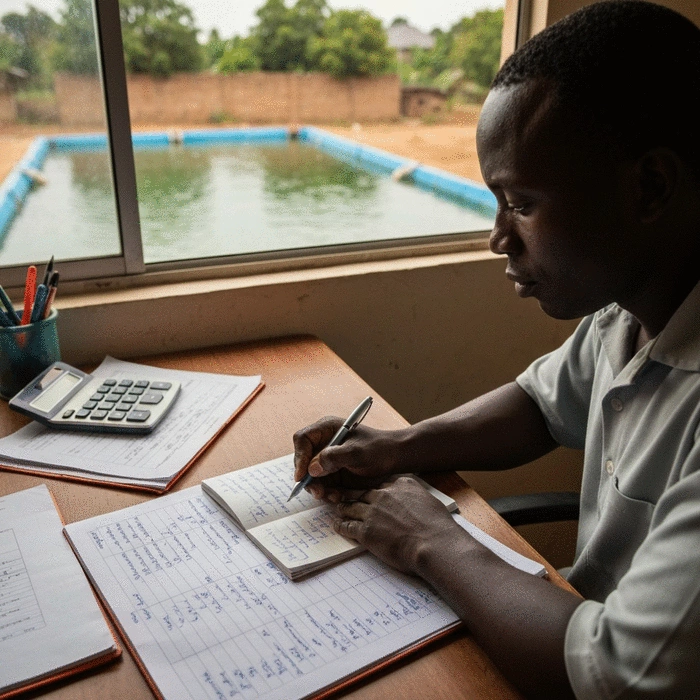
A farmer in Enugu noticed his fish were taking longer to reach market size. After investigating, he realised that overcrowding was the primary stressor. Once he adjusted the stocking density, his fish resumed healthy growth and his feed conversion ratios improved dramatically.
The Immune System Under Siege: Stories of Health Declines
You cannot afford to ignore the immune response of your catfish. Stressed fish are more susceptible to diseases, which can lead to outbreaks that decimate your stock. The immune system becomes compromised when cortisol levels remain elevated for extended periods.
A farmer in Lagos lost a significant portion of his fish to a bacterial infection that could have been prevented. The underlying issue was chronic stress from poor water quality. By improving his water management practices and implementing proper dissolved oxygen monitoring, he observed a marked improvement in his fish's health within weeks.
How Climate Change Is Reshaping Catfish Behaviour
You might not think climate change directly impacts your operations, but it does. Changes in temperature, rainfall patterns, and seasonal variations can affect your fish's behaviour and health in ways that directly impact your bottom line. Understanding these changes helps you adapt your management strategies proactively rather than reactively.
Adapting to a New Normal: Fishermen Share Their Experiences
Farmers are already noticing shifts in fish behaviour due to climate fluctuations. A farmer in Delta State reported that his fish are spawning earlier than in previous years, likely due to rising water temperatures. You need to be adaptable, adjusting your practices to these changes rather than sticking rigidly to traditional seasonal schedules.
Monitor water temperatures regularly and adjust your management strategies accordingly. Keeping a log of temperature changes can help you predict fish behaviour and plan feeding schedules more effectively.
Effects of Habitat Alteration: What You Didn't See Coming
When habitats change, so do the conditions for your fish. Alterations in pond structure or water depth can create new stressors that affect fish behaviour and growth patterns. If you notice your fish are behaving differently than usual, check for any changes in their environment immediately.
A farmer in Ogun State experienced significant stress in his stock after a heavy rainfall altered the pH levels in his pond. Regular testing and quick adjustments could have mitigated the issue and prevented the subsequent fish losses he experienced.
The Ripple Effect: How Climate Influences Your Bottom Line
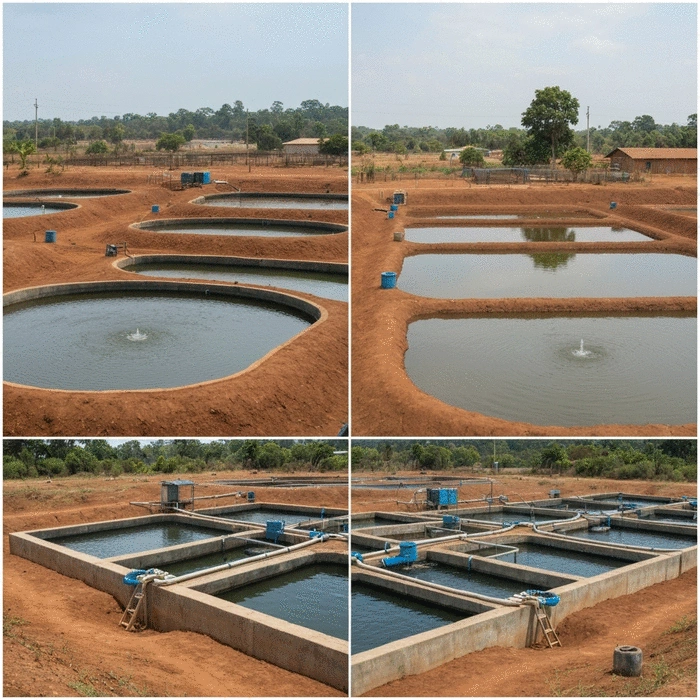
You need to consider how climate change affects not just fish behaviour, but your farm's profitability. Increased temperatures can lead to higher feed conversion ratios, meaning you spend more on feed for less growth. Heat stress also increases oxygen demand, potentially requiring additional aeration costs.
You may want to invest in cooling systems or shading methods to mitigate heat stress. Consider the long-term implications of environmental changes on your business model and budget for adaptive technologies that can maintain optimal growing conditions.
Why Your Management Practices Might Be Failing
You may find that despite your best efforts, your management practices aren't yielding the expected results. It's essential to evaluate your methods regularly and be willing to adapt when traditional approaches no longer work effectively. Many farmers continue using outdated methods simply because "that's how it's always been done," but this approach can be costly in today's changing environment.
Realising the Limits of Traditional Aquaculture Practices
Traditional methods may not be sufficient in today's rapidly changing environment. You need to adapt your practices continually based on fish behaviour and environmental conditions rather than following rigid schedules. For example, adjusting feeding schedules based on fish activity rather than sticking rigidly to a timetable is crucial for optimal growth and feed efficiency.
A farmer in Akwa Ibom modified his feeding practices to align with fish activity patterns. By switching to behaviour-based feeding rather than volume-based feeding, he saw improved growth rates and reduced stress indicators in his stock.
Success Stories: Farmers Who Changed Their Approach
You can learn a lot from others who faced similar challenges and successfully adapted their methods. Look at farmers who have adopted new technologies or modified traditional practices to suit current conditions. They often experience improvements in both fish health and farm profitability that justify the initial investment in change.
A farmer in Kano implemented a more rigorous water quality monitoring system after experiencing repeated disease outbreaks. This change resulted in fewer disease incidents, healthier fish overall, and significantly reduced medication costs over the following seasons.
The Role of Genetic Adaptation in Building Resilience
Selecting fish breeds that are more resilient to stressors can make a significant difference to your farm's success. You should consider investing in genetically superior stock that shows better resistance to diseases and environmental stress. This initial investment often pays for itself through reduced mortality and better growth performance.
By prioritising genetic diversity in your stock, you can enhance the overall resilience of your farm against environmental changes. This approach helps ensure consistent production even when conditions become challenging.
Where Your Business Stands in the Face of Environmental Change
Understanding your current position regarding environmental changes is crucial for long-term success. You need to assess your resilience and make informed decisions that will protect your investment and ensure sustainable operations. This assessment should include evaluating your infrastructure, management practices, and financial capacity to adapt to changing conditions.
Key Decisions You Must Make to Ensure Sustainability
Regularly evaluate your farming practices to ensure they align with sustainability goals and current environmental realities. Consider your resource use and whether changes are necessary to minimise waste and maximise efficiency. This evaluation should be ongoing rather than a one-time assessment.
Think about diversifying your operations to spread risk across different production systems or species. This could mitigate risks associated with climate variability, allowing you to adapt more easily when specific conditions become challenging for your primary stock.
Key Information
- Assess your resource use regularly.
- Diversify your operations to mitigate risks.
Stories from the Field: How Others Survived Environmental Challenges
Farmers around you might have valuable insights that could transform your operations. A farmer in Imo State faced severe drought conditions but adapted by installing a rainwater harvesting system. This adjustment allowed him to maintain water levels and keep his fish healthy even during extended dry periods.
You should network with fellow farmers to exchange ideas and strategies for dealing with environmental challenges. Their experiences can provide practical insights you may not have considered, and collaborative problem-solving often leads to innovative solutions.
Assessing Your Farm's Resilience: Are You Prepared for the Future?
You must regularly assess your farm's ability to withstand environmental changes and continue operating profitably. This includes understanding your water resources, feed supplies, and fish health management capabilities. A comprehensive resilience assessment helps identify vulnerabilities before they become critical problems.
You might want to consider conducting a formal resilience assessment with the help of aquaculture experts. This can help identify specific vulnerabilities and areas where you could improve your operations to better handle future challenges.
What Comes Next for You and Your Farm?
You have the knowledge to take actionable steps that can improve your catfish farming practices significantly. The next phase is about making informed choices and implementing changes that will enhance your farm's resilience and profitability. Success requires moving from understanding to action.
The Choices You Face: Adaptation or Risk?
You can choose to adapt your practices to the evolving environment or continue with the status quo, which poses increasing risks to your operation. Assess the long-term sustainability of your current approach honestly, considering both the costs of change and the costs of not changing.
You want to be proactive in exploring new techniques and methods that could enhance your farm's resilience. This proactive approach often costs less than reactive responses to crises and typically yields better long-term results.
Finding the Right Resources: What You Need to Explore
Seek out resources that can help you understand the latest in aquaculture practices and environmental management. This might include training programmes, workshops, or consultation with experts in fish farming who understand local conditions and challenges.
You can benefit from online platforms that offer research articles, case studies, and practical guides tailored to your specific needs and local conditions. Continuous learning is essential for staying ahead of environmental changes and market demands.
Joining Forces: Collaborating with Other Farmers for Success
Don't underestimate the power of collaboration in overcoming environmental challenges. By working with other farmers, you can share knowledge, resources, and strategies that benefit everyone involved. Collective action often achieves results that individual efforts cannot.
Consider forming cooperative groups to tackle common challenges together. This can lead to innovative solutions, shared costs for new technologies, and stronger bargaining power when purchasing inputs or selling products.
What Environmental Challenges Keep You Up at Night?
You know that feeling when you check your ponds in the morning and something just doesn't look right. Your catfish are behaving differently, and you can't quite put your finger on what's changed. The truth is, environmental challenges hit your farm faster than you realise, and by the time you notice the symptoms, your fish have already been struggling for days.
Most farmers focus on feeding schedules and water changes, but they miss the subtle environmental shifts that can devastate an entire stock. Temperature swings, salinity changes, and chemical contamination don't announce themselves with warning signs. They creep in quietly and strike when you're least prepared.
Critical Environmental Factors You Must Monitor
- Temperature fluctuations beyond 2°C daily variation
- Salinity levels in areas affected by seasonal flooding
- Chemical runoff from nearby agricultural activities
- Oxygen depletion during hot weather or algae blooms
- pH shifts caused by heavy rainfall or drought conditions
Navigating Temperature Variability: Tales from the Fish Farm
You need to understand that catfish can handle temperature changes, but not the way most farmers think they can. The problem isn't just high or low temperatures—it's the speed of change that kills your fish. When temperatures drop 5°C overnight during harmattan season, your catfish enter a state of thermal shock that compromises their immune systems for weeks.
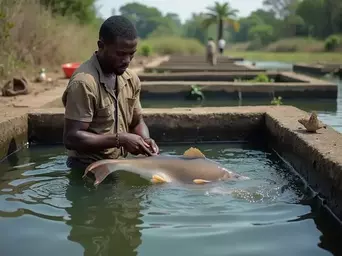
Your fish show you exactly what's happening if you know what to look for. They become lethargic, gather at the bottom of the pond, and stop feeding aggressively. A farmer in Kaduna lost 40% of his stock last December because he didn't recognise these early warning signs. The temperature dropped from 28°C to 18°C over two nights, and his 2,000 fish simply couldn't adapt fast enough.
You want to monitor temperature at multiple depths in your pond, not just at the surface. Temperature stratification occurs when surface water heats up during the day but deeper water remains cool. This creates stress zones where fish struggle to find comfortable conditions. Use a thermometer with a long probe to check temperatures at 30cm intervals from surface to bottom.
Salinity Tolerance: What Happens When You Push the Limits?
You might think salinity only affects coastal farms, but you'd be wrong. Seasonal flooding brings saltwater inland, and even small increases in salinity can trigger massive stress responses in your catfish. During the 2022 floods in Bayelsa State, farmers reported fish kills not from drowning, but from salinity shock as floodwater mixed with brackish water from nearby rivers.
Your catfish can tolerate salinity up to 5 parts per thousand (ppt) for short periods, but anything above 2 ppt for extended periods starts affecting their osmoregulation. This means their bodies struggle to maintain proper water balance, leading to dehydration even while surrounded by water. You'll notice fish gasping at the surface, not because of low oxygen, but because their gills are working overtime trying to process salt.
The challenge becomes more complex during dry season when water levels drop and salt concentrations increase naturally. You need to test salinity weekly using a refractometer or conductivity meter. If levels rise above 1.5 ppt, you must dilute with fresh water immediately. Don't wait for fish to show symptoms—by then, the damage to their internal organs has already begun.
| Salinity Level (ppt) | Fish Response | Action Required |
|---|---|---|
| 0-1 ppt | Normal behaviour, optimal growth | Continue monitoring |
| 1-2 ppt | Slight stress, reduced feeding | Increase water exchange |
| 2-5 ppt | Moderate stress, surface gasping | Emergency dilution needed |
| Above 5 ppt | Severe stress, potential mortality | Immediate intervention required |
The Unexpected Impact of Chemical Pollution: A Farmer's Wake-Up Call
You probably don't realise how many chemicals reach your ponds through runoff, rainfall, and groundwater contamination. Pesticides from nearby farms, industrial waste from upstream sources, and even household detergents from surrounding communities can create a toxic cocktail that slowly poisons your fish. The insidious part is that low-level chemical exposure doesn't kill fish immediately—it weakens them over months.
Your catfish respond to chemical stress by producing excess mucus, developing lesions on their skin, and showing erratic swimming patterns. These symptoms often get misdiagnosed as bacterial infections, leading farmers to add more chemicals (antibiotics) to an already contaminated system. You need to test for common pollutants like ammonia, nitrites, heavy metals, and pesticide residues.
A farmer near Ibadan discovered this the hard way when his fish started developing white patches and swimming in circles. He spent ₦150,000 on various treatments before testing revealed copper contamination from a nearby electronics factory. The copper levels were just 0.3 mg/L—not immediately lethal, but enough to cause chronic stress and immune suppression. Once he installed a simple carbon filtration system and changed his water source, his fish recovery rate improved dramatically within three weeks.
You want to establish baseline water quality measurements when you first set up your farm, then test monthly for changes. Look for gradual shifts rather than dramatic spikes—chronic low-level contamination is often more dangerous than acute poisoning because it's harder to detect and treat.
In summary, understanding catfish stress responses and their environmental adaptations is crucial for the success of your aquaculture business. Ignoring these factors can lead to increased production costs and health issues for your stock, ultimately affecting your profitability.
As climate change and environmental challenges reshape the landscape of fish farming, it's essential to adapt your management practices. Consider the insights shared by fellow farmers who have navigated similar hurdles and implemented changes that have made a difference.
You should take the time to assess your farm's resilience and make informed decisions to safeguard your operations. Collaborating with other farmers can offer additional support and ideas for improvement.
If you're serious about enhancing your catfish farming practices, start exploring the resources available on FishFarmingBusiness.com. Engage with the community and consider the strategies that resonate with your unique circumstances. Your next steps could define your farm's success in a changing environment.
Frequently Asked Questions
What are the early warning signs that my catfish are experiencing stress?
You should watch for reduced feeding enthusiasm, clustering behaviour near pond edges, slight colour changes, and irregular swimming patterns. These signs typically appear 2-3 weeks before a crisis develops, giving you time to identify and address the underlying cause.
How much does chronic stress actually cost me in terms of production losses?
Chronic stress can slow growth rates by 30-40%, extend production cycles by 2-3 months, and increase feed costs by 40-60% for the same growth. You'll also face higher mortality rates of 15-25% and potential disease treatment costs of ₦20,000-40,000 per cycle.
Why do temperature changes affect my catfish so severely?
It's not just high or low temperatures that harm your fish—it's the speed of change. When temperatures drop more than 5°C overnight, your catfish enter thermal shock, which compromises their immune systems for weeks. You need to monitor temperature at multiple depths, not just at the surface.
What salinity levels can my catfish tolerate before showing stress symptoms?
Your catfish can handle up to 5 parts per thousand (ppt) for short periods, but anything above 2 ppt for extended periods affects their osmoregulation. You should test weekly and dilute with fresh water immediately if levels rise above 1.5 ppt.
How can I tell if chemical pollution is affecting my fish rather than a disease outbreak?
Chemical stress causes excess mucus production, skin lesions, and erratic swimming patterns that are often misdiagnosed as bacterial infections. You need to test for common pollutants like ammonia, nitrites, heavy metals, and pesticide residues rather than immediately treating with antibiotics.


Yomi Adisa Lead Researcher
Yomi Adisa is the lead researcher at Fish Farming Business, where he studies what makes aquaculture ventures profitable across Africa. His research focuses on market patterns, buyer preferences, and the business decisions that determine success or failure in fish farming.