Protecting Catfish Ponds from Birds and Theft: Practical Steps
Posted on: 2025-12-02
By: Yomi Adisa
You've carefully stocked your ponds with healthy fingerlings and watched them grow for months, only to discover that birds have been feasting on your investment. Last week, a farmer in Ghana reported losing over 200 juvenile catfish to herons in just three days, whilst another in Nigeria had his entire harvest stolen overnight.
This comprehensive guide provides you with proven methods to protect your catfish ponds from both bird predation and theft. You'll learn how to identify common threats, implement cost-effective deterrent systems, and establish security measures that fit your budget and farm size.
Understanding pond protection is essential for maintaining profitable catfish production. Bird predation can reduce your stock by 15-30% during peak feeding seasons, whilst theft can eliminate months of investment in a single night. These losses directly impact your income and can threaten the sustainability of your farming operation.
By the end of this article, you'll have a clear action plan for securing your ponds year-round. You'll understand which protection methods work best for different farm sizes, how to implement them properly, and when to adjust your strategies based on seasonal patterns and local conditions.
What You Will Learn
- Master effective bird deterrent strategies tailored for African catfish ponds.
- Understand the behaviour patterns of predatory birds and their seasonal feeding habits.
- Discover practical theft prevention measures to secure your catfish farming operation.
- Learn how to assess and upgrade your pond protection systems based on risk levels.
- Optimise your security budget by evaluating the cost-effectiveness of various protection methods.
Understanding the Threats to Catfish Ponds
You need to identify your enemies before you can defend against them, and catfish farmers across Africa face two primary threats that can devastate their operations overnight. Bird predation and theft represent the most significant external risks to your catfish stock, often striking when you least expect them. Many farmers in Nigeria and Ghana discover these losses only during routine feeding or harvesting, by which time the damage is already done.
The financial impact of these threats extends far beyond the immediate loss of fish. When birds consume your juvenile catfish or thieves steal your mature stock, you lose months of feeding costs, labour investment, and potential profits. A single heron can consume 15-20 fingerlings per visit, whilst organised theft can eliminate your entire harvest worth hundreds of thousands of naira in one night.
Understanding the behaviour patterns and motivations behind these threats helps you develop targeted protection strategies. Birds follow predictable feeding schedules and seasonal patterns, whilst thieves often target farms with poor security during specific times. By recognising these patterns, you can implement cost-effective countermeasures that protect your investment without breaking your budget.
These protection challenges are not unique to catfish farming, as similar predation and security issues affect other aquaculture operations. When considering common fish species to farm for profit, you'll find that most species require comparable security measures to prevent losses from birds and theft.
Bird Predation on Catfish
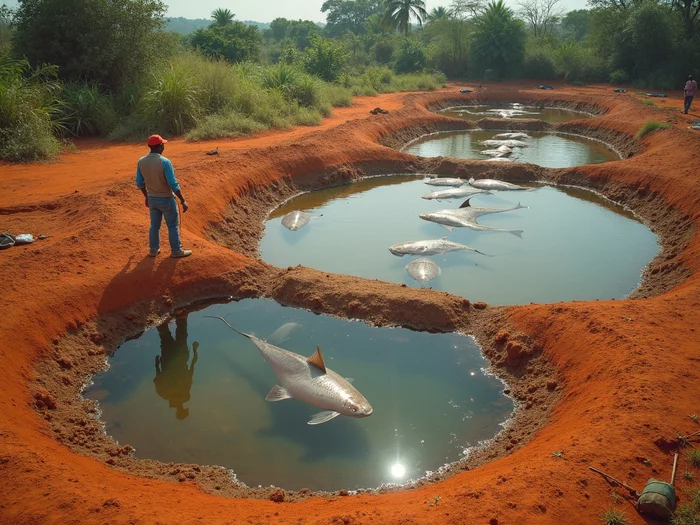
You'll encounter three main types of predatory birds that target catfish ponds across Africa: herons, egrets, and cormorants. Grey herons are the most destructive, standing motionless at pond edges before striking with lightning speed to snatch fingerlings and juveniles up to 15cm long. These birds can consume 200-300g of fish per day, which translates to 20-30 fingerlings during their peak feeding periods.
Cattle egrets and little egrets pose similar threats but typically target smaller fish during shallow water periods. You'll notice these birds arrive in flocks during early morning (5:00-7:00 AM) and late afternoon (4:00-6:00 PM) when catfish are most active near the surface. In Uganda and Kenya, cormorants also present significant challenges, diving underwater to catch fish and capable of staying submerged for up to 60 seconds.
Seasonal patterns make bird predation predictable but intense during specific periods. During the dry season (November-March in West Africa), reduced water levels concentrate your catfish and make them easier targets for birds. Breeding seasons for these birds (typically March-June) increase their feeding intensity as they need extra protein for egg production and chick rearing, resulting in daily visits that can reduce your stock by 5-10% weekly if left unchecked.
Theft Risks in Catfish Farming
You face two distinct types of theft that target different aspects of your catfish operation: equipment theft and fish stock theft. Equipment theft typically involves portable items like aerators, water pumps, and feeding equipment, with thieves targeting farms during weekends or holiday periods when supervision is minimal. In Nigeria, farmers report losing pumps worth ₦150,000-300,000, whilst Ghanaian farmers frequently experience theft of solar panels and battery systems used for pond aeration.
Fish stock theft represents the more devastating threat, often involving organised groups who arrive with nets, containers, and transport vehicles. These thieves typically strike 2-3 weeks before your planned harvest when catfish reach market size (800g-1.2kg), maximising their profit whilst destroying months of your investment. They often conduct reconnaissance visits disguised as potential customers or labourers, studying your pond layout, security measures, and daily routines before executing the theft.
The economic impact of theft extends beyond the immediate loss of fish or equipment. You lose your projected income, waste months of feeding costs (typically 60-70% of production expenses), and may struggle to restock due to cash flow problems. A farmer in Ogun State lost 2,000 catfish worth ₦1.8 million to organised thieves, forcing him to delay his next production cycle by six months whilst rebuilding his capital base.
Deterrent Methods for Bird Protection
You have multiple proven strategies to protect your catfish from bird predation, ranging from simple physical barriers to sophisticated deterrent systems. The key to successful bird protection lies in combining methods that address different aspects of bird behaviour - their feeding patterns, flight paths, and comfort levels around your ponds. Most effective protection systems use layered approaches that make your ponds less attractive and accessible to predatory birds whilst maintaining easy access for your daily management activities.
Your choice of deterrent methods should match your farm size, budget, and the specific bird species in your area. A small pond operation in rural Ghana might succeed with basic netting and visual deterrents costing ₵2,000-5,000, whilst larger commercial farms in Nigeria often invest ₦200,000-500,000 in comprehensive protection systems. The investment pays for itself quickly when you consider that unprotected ponds can lose 20-30% of their stock to bird predation during peak seasons.
Timing your deterrent installation is crucial for maximum effectiveness. You want to establish protection measures before birds discover your ponds and develop feeding habits, typically when your fingerlings reach 5-8cm length and become attractive targets. Once birds establish regular feeding patterns at your farm, they become much more persistent and harder to deter, often returning despite your protection efforts.
Physical Barriers
Pond Netting
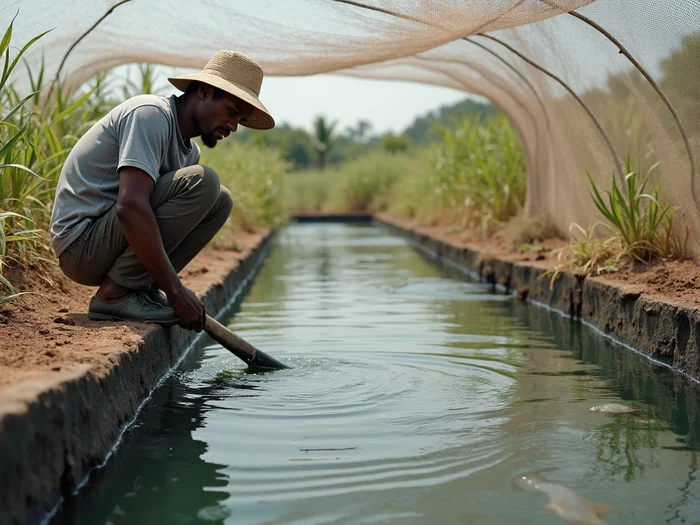
You can achieve immediate bird protection by installing exclusion nets over your catfish ponds, creating a physical barrier that prevents birds from accessing your fish. High-density polyethylene (HDPE) nets with 25-50mm mesh sizes work best for catfish ponds, allowing adequate light penetration whilst blocking herons and egrets from diving or wading into your water. These nets typically cost ₦15,000-25,000 per 100 square metres in Nigeria, making them one of the most cost-effective protection methods available.
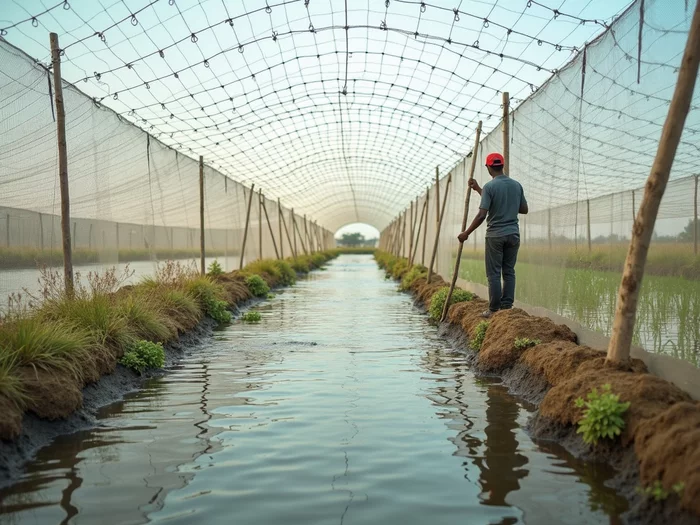
Your net installation requires proper support structures to prevent sagging into the water, which reduces effectiveness and can trap your catfish. Install support posts every 3-4 metres around your pond perimeter using treated wooden poles or galvanised steel pipes, ensuring the net sits 1.5-2 metres above the water surface. You'll need to tension the nets properly using rope or wire cables, creating enough slope to shed rainwater whilst maintaining water quality parameters for your feeding and harvesting activities.
Regular maintenance keeps your netting system effective throughout the production cycle. Check for holes or tears weekly, particularly after storms or high winds that can damage the material. Birds sometimes get entangled in loose or damaged sections, creating larger holes that compromise the entire system, so repair any damage immediately using net repair kits available from agricultural suppliers across Africa.
Complete Enclosures
You can construct full enclosures around your ponds using a combination of netting, wire mesh, and structural supports to create bird-proof environments. These systems work particularly well for smaller ponds (up to 200 square metres) where you can justify the higher construction costs of ₦80,000-150,000 per pond. Complete enclosures provide 100% protection from aerial predators whilst allowing you to control access points for feeding and maintenance activities.
Your enclosure construction starts with a sturdy framework using galvanised steel tubing or treated timber posts set in concrete foundations around the pond perimeter. Install the framework 2.5-3 metres high to provide adequate working space, then cover all surfaces with appropriate mesh materials - fine mesh (12-25mm) for the roof and sides to exclude all bird species. Include hinged access panels or removable sections that allow you to enter for routine maintenance, feeding, and harvesting operations.
Ventilation becomes critical in enclosed systems, particularly in hot climates across Africa where water temperatures can rise rapidly under covered conditions. Install ridge vents or side panels that allow air circulation whilst maintaining bird exclusion, and monitor water temperatures daily to ensure they remain within optimal ranges for Clarias gariepinus (24-30°C). You may need to add extra aeration during hot seasons when enclosed ponds experience reduced natural air exchange.
Repellents and Deterrents
Sound and Visual Deterrents
You can exploit birds' natural wariness by installing sound and visual deterrents that create an uncomfortable environment around your ponds. Gas-powered bird scarers (exploders) produce loud bangs every 5-15 minutes during daylight hours, mimicking gunshots that frighten birds away from the area. These devices cost ₦25,000-45,000 in Nigeria and cover areas up to 2-3 hectares, making them suitable for larger farm operations with multiple ponds.
Visual deterrents work by creating movement and reflections that birds perceive as threats or obstacles. Install reflective tape, old CDs, or commercial bird scare devices around pond perimeters, ensuring they move freely in the wind to maintain effectiveness. Predator decoys like plastic owls or snakes can deter smaller birds, but you must move them every 2-3 days to prevent birds from recognising them as harmless fixtures.
The effectiveness of sound and visual deterrents decreases over time as birds become accustomed to them, a process called habituation. You need to vary your deterrent methods regularly, changing locations, timing, and types of devices to maintain their effectiveness. Combine multiple deterrent types and rotate them weekly to keep birds uncertain and uncomfortable around your ponds, preventing them from establishing regular feeding patterns.
Advanced Deterrent Technologies
You can invest in motion-activated systems that respond to bird presence with targeted deterrent actions, providing more sophisticated protection for valuable catfish stocks. Motion-activated sprinkler systems detect bird movement and spray water jets that startle and discourage birds without harming them. These systems cost ₦35,000-60,000 per unit and cover areas up to 100 square metres, making them suitable for high-value production ponds.
Laser deterrent systems project moving green laser beams that birds perceive as physical threats, causing them to avoid the area without habituation issues common with other deterrents. Commercial laser systems designed for agricultural use cost ₦150,000-300,000 but can protect large areas (up to 5 hectares) and operate automatically during programmed hours. These systems work particularly well in areas with persistent heron problems where traditional deterrents have failed.
Solar-powered deterrent systems offer sustainable operation in remote locations without electrical infrastructure, making them ideal for rural catfish farms across Africa. Solar bird deterrents combine flashing lights, intermittent sounds, and movement in weather-resistant packages that operate continuously for 3-5 days on a single charge. Install these systems 50-100 metres apart around your pond perimeter, ensuring solar panels face south for maximum charging efficiency in African conditions.
Theft Prevention Strategies
You must approach theft prevention with the same systematic planning you use for disease prevention or feed management, because organised thieves study your farm operations before striking. Effective security combines physical barriers, surveillance systems, and community involvement to create multiple layers of protection that deter criminals and alert you to suspicious activities. The most successful catfish farmers in Nigeria and Ghana treat security as an ongoing operational expense rather than a one-time investment, budgeting 3-5% of their production costs for comprehensive protection measures.
Your security strategy should address both opportunistic theft and organised criminal activities that target catfish farms across Africa. Opportunistic thieves typically steal equipment or small quantities of fish during unguarded moments, whilst organised groups plan systematic raids that can eliminate your entire stock overnight. Understanding these different threat levels helps you allocate your security budget effectively, focusing resources on the most vulnerable aspects of your operation.
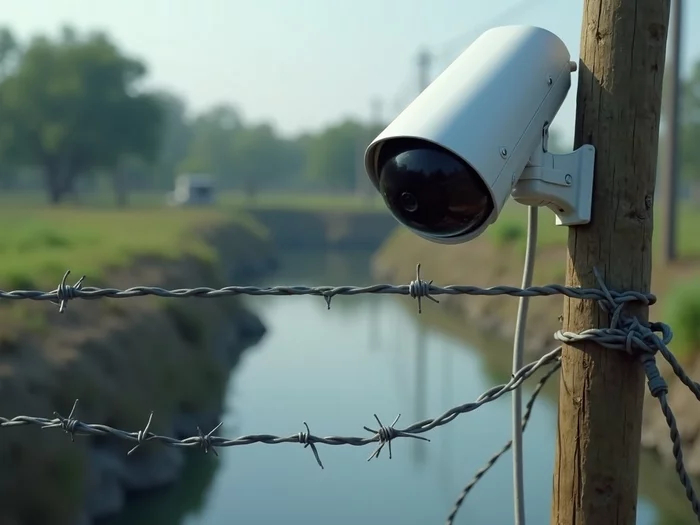
The timing of security implementation is crucial for maximum effectiveness and cost efficiency. You want to establish basic security measures before stocking your ponds, then upgrade your systems as your fish grow and become more valuable. Many farmers make the mistake of waiting until after experiencing theft before investing in security, by which time they've already suffered significant losses and may lack the capital for comprehensive protection systems.
Physical Security Measures
You need robust perimeter fencing as your first line of defence against both casual intruders and organised theft attempts. Chain-link fencing with barbed wire tops provides excellent security for catfish farms, with 2.5-metre high galvanised steel mesh costing ₦8,000-12,000 per linear metre in Nigeria. Install the fencing on concrete foundations to prevent digging underneath, and ensure gates are equally secure with heavy-duty locks and reinforced hinges that can withstand cutting attempts.
Your pond areas require additional security layers beyond perimeter fencing, particularly during the final 4-6 weeks before harvest when catfish reach maximum value. Install motion-sensor lighting around pond perimeters using solar-powered LED systems that illuminate automatically when movement is detected. These lights cost ₦15,000-25,000 per unit and provide 8-12 hours of operation on a full charge, making them ideal for remote locations without electrical infrastructure.
Access control becomes critical as your catfish approach market size and theft risk increases dramatically. Install lockable gates at all entry points and consider using padlocks with hardened steel shackles that resist bolt cutters commonly used by thieves. Create a single main entrance for vehicles and separate pedestrian access points, allowing you to control and monitor all movement onto your property. Keep detailed logs of all visitors, including potential customers who may be conducting reconnaissance for future theft attempts.
Surveillance and Alarm Systems
You can establish effective surveillance using affordable camera systems that provide both deterrent value and evidence collection capabilities. Wireless security cameras with night vision and motion detection cost ₦25,000-45,000 per unit and can monitor multiple pond areas from a central location. Position cameras to cover all access routes, pond perimeters, and equipment storage areas, ensuring clear views that capture faces and vehicle licence plates of potential thieves.
Your alarm system should provide immediate notification of security breaches, allowing you to respond quickly or alert authorities before thieves complete their operations. Motion-activated alarms with SMS notification capabilities cost ₦35,000-60,000 and can send alerts directly to your mobile phone when triggered. Install multiple sensors around your property, focusing on pond areas and equipment storage locations where theft is most likely to occur.
Community involvement multiplies your surveillance capabilities by creating a network of eyes and ears around your farm. Establish relationships with neighbouring farmers and local residents who can report suspicious activities during your absence. Many successful catfish farmers in Ogun and Oyo States organise informal security cooperatives where members take turns monitoring each other's farms during vulnerable periods, sharing costs and responsibilities for community-wide protection.
The same security principles that protect catfish operations apply to other aquaculture species, though specific threats may vary. Farmers exploring the benefits of raising tilapia will find that similar bird deterrent and theft prevention strategies work effectively for protecting their investment in alternative fish species.
Insurance Options
You should investigate agricultural insurance policies that cover theft and vandalism of your catfish stock and equipment, though availability varies significantly across African countries. In Nigeria, companies like AIICO and Leadway offer aquaculture insurance that covers stock losses from theft, with premiums typically ranging from 2-4% of your total stock value. These policies often require specific security measures like fencing and surveillance systems, making insurance both a protection tool and an incentive for implementing comprehensive security.
Your insurance coverage should extend beyond fish stock to include essential equipment like aerators, generators, and water pumps that thieves frequently target. Equipment insurance typically costs 1-2% of the replacement value annually and can prevent production disruptions when theft occurs. Document all your equipment with photographs, serial numbers, and purchase receipts to support insurance claims and police reports when theft occurs.
Legal considerations become important when implementing security measures that might affect neighbouring properties or public access routes. Consult local authorities about regulations regarding fencing heights, security lighting, and surveillance cameras to ensure your protection measures comply with local laws. Some areas restrict the use of barbed wire or require permits for security cameras that might capture public areas, so verify requirements before investing in security infrastructure.
Seasonal Considerations for Bird and Theft Protection
You must adjust your protection strategies throughout the year to address changing threat patterns that follow predictable seasonal cycles across Africa. Bird predation intensifies during specific months when natural food sources become scarce and breeding activities increase protein requirements, whilst theft risks peak during harvest seasons when catfish reach maximum value. Understanding these patterns allows you to allocate your protection resources efficiently, intensifying security measures during high-risk periods whilst maintaining baseline protection year-round.
Your seasonal protection planning should align with both natural cycles and local economic patterns that influence criminal activity. In West Africa, theft attempts typically increase during the dry season (November-March) when alternative income sources become limited and transportation is easier on dry roads. Similarly, bird predation peaks during the same period when reduced water levels in natural habitats force birds to seek alternative food sources like your catfish ponds.
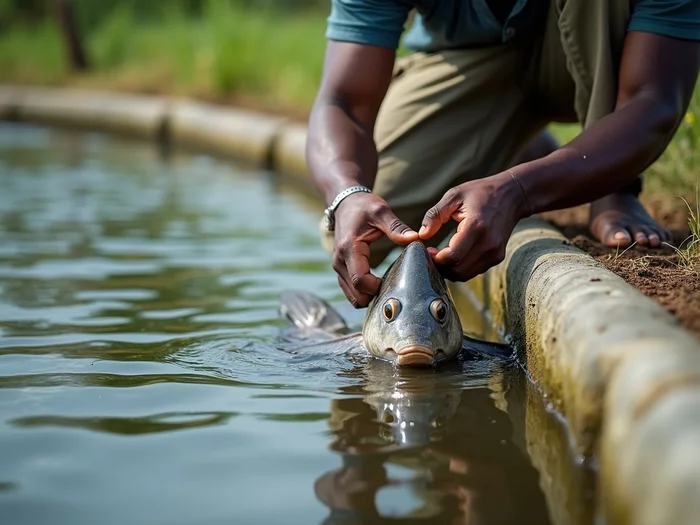
The key to successful seasonal protection lies in anticipating threats before they materialise and adjusting your strategies proactively. Many farmers make the mistake of reacting to problems after they occur, by which time significant losses have already accumulated. By monitoring seasonal patterns and preparing your defences in advance, you can prevent most losses whilst optimising your protection costs throughout the production cycle.
Timing Deterrent Applications
You should intensify your bird deterrent measures 2-3 weeks before peak predation periods, typically starting in October as natural water sources begin to recede across Africa. Install or upgrade your netting systems, activate sound deterrents, and increase visual deterrent density around pond perimeters during this preparation period. Early implementation prevents birds from establishing feeding patterns at your farm, which becomes much harder to break once they discover your ponds as reliable food sources.
Your monitoring schedule should increase during high-risk periods, with daily inspections of deterrent systems and bird activity levels around your ponds. Record bird sightings, feeding attempts, and deterrent effectiveness in a logbook that helps you identify patterns and adjust strategies accordingly. Many successful farmers in Ghana and Nigeria conduct early morning (6:00-7:00 AM) and late afternoon (5:00-6:00 PM) inspections when bird activity peaks, allowing them to observe deterrent performance and make immediate adjustments.
Weather patterns significantly influence both bird behaviour and deterrent effectiveness, requiring you to adapt your strategies based on seasonal conditions. During the harmattan season (December-February), dust and wind can reduce the effectiveness of visual deterrents and damage netting systems, necessitating more frequent maintenance and replacement. Rainy seasons may flood low-lying areas and concentrate birds around remaining water sources, including your ponds, requiring intensified protection measures during these periods.
Year-round Security Practices
You need consistent security routines that maintain baseline protection throughout the year, regardless of seasonal variations in threat levels. Conduct weekly perimeter inspections to check fence integrity, gate locks, and lighting systems, documenting any maintenance needs or security vulnerabilities discovered. These routine checks cost nothing but time and can prevent major security breaches by identifying and addressing problems before criminals exploit them.
Your community engagement should remain active year-round, not just during high-risk periods when theft attempts increase. Maintain regular contact with neighbouring farmers, local security personnel, and community leaders who can provide early warning of suspicious activities in your area. Participate in local farmers' associations and security meetings where information about criminal activities and prevention strategies is shared among community members.
Equipment maintenance schedules should include security systems alongside your regular pond management activities, ensuring cameras, alarms, and lighting systems remain functional when you need them most. Test all electronic security devices monthly, replace batteries in wireless systems, and clean camera lenses to maintain clear surveillance coverage. Many farmers discover their security systems have failed only when theft occurs, by which time it's too late to prevent losses.
Seasonal Maintenance of Deterrents
You must adapt your deterrent maintenance schedules to address seasonal challenges that can compromise system effectiveness throughout the year. During the rainy season (April-October in West Africa), inspect netting systems weekly for damage from storms and high winds that can create gaps large enough for birds to exploit. Repair any tears immediately using net repair kits, and ensure support structures remain stable and properly tensioned despite weather-related stress.
Your sound and visual deterrents require different maintenance approaches depending on seasonal conditions and their impact on equipment performance. Solar-powered devices may need more frequent cleaning during dusty harmattan periods to maintain charging efficiency, whilst battery-powered systems require more frequent replacement during hot seasons when extreme temperatures reduce battery life. Rotate visual deterrents like reflective tape and predator decoys every 2-3 weeks to prevent habituation, regardless of season.
Seasonal effectiveness evaluations help you identify which deterrent methods work best during different times of year, allowing you to optimise your protection strategies and budget allocation. Document bird activity levels, deterrent performance, and maintenance costs throughout the year to identify patterns and improve your protection systems. Many farmers discover that certain deterrent combinations work better during specific seasons, leading to more targeted and cost-effective protection strategies in subsequent production cycles.
Economic Evaluation of Protection Methods
You need to evaluate protection methods based on their cost-effectiveness rather than just their upfront price, because the cheapest option often proves most expensive when losses occur. A comprehensive economic analysis considers initial investment costs, ongoing maintenance expenses, expected lifespan of protection systems, and potential losses prevented over multiple production cycles. The most successful catfish farmers in Nigeria and Ghana typically invest 8-12% of their total production costs in comprehensive protection systems, viewing this as essential infrastructure rather than optional expense.
Your return on investment calculations should factor in both direct financial benefits from prevented losses and indirect benefits like reduced insurance premiums, improved sleep quality, and enhanced farm reputation. A farmer in Ogun State who invested ₦400,000 in comprehensive pond protection (netting, fencing, cameras) prevented an estimated ₦1.2 million in losses over two production cycles, achieving a 300% return on investment within 18 months. These calculations become even more favourable when you consider the compounding effects of prevented losses on your cash flow and ability to expand operations.
The economic evaluation process requires honest assessment of your specific risk levels, farm size, and local threat patterns to determine optimal protection investments. A small-scale farmer with 2-3 ponds in a low-crime area might achieve adequate protection with ₦150,000-250,000 in basic systems, whilst commercial operations with 10+ ponds in high-risk areas often require ₦800,000-1.5 million for comprehensive security. The key is matching your investment level to your actual risk exposure and potential loss scenarios.
Cost-effectiveness analysis reveals that layered protection systems provide better value than single-method approaches, even when initial costs are higher. Combining pond netting (₦25,000 per pond), perimeter fencing (₦200,000 for 1-hectare farm), and basic surveillance (₦150,000) costs approximately ₦375,000 but provides 85-95% protection effectiveness. Single-method protection like netting alone might cost only ₦100,000 but provides just 60-70% effectiveness, making the comprehensive approach more cost-effective when measured against potential losses.

Your protection budget should scale with your production value and growth plans, treating security as a percentage of total investment rather than a fixed cost. As your catfish stock grows from fingerlings worth ₦50,000 to market-size fish worth ₦800,000, your protection investment should increase proportionally to match the rising value at risk. Many farmers make the mistake of maintaining static security budgets whilst their stock values increase dramatically, creating vulnerability gaps that criminals and predators exploit.
Long-term economic benefits extend beyond immediate loss prevention to include improved access to credit, insurance, and business partnerships that value secure operations. Banks and investors view comprehensive security systems as indicators of professional management and reduced risk, often offering better loan terms and investment opportunities to well-protected farms. Your protection investments also preserve your reputation in local markets, where news of theft or predation losses can damage customer confidence and reduce future sales opportunities.
Maintenance costs represent ongoing economic considerations that affect the true cost of protection systems over their operational lifespan. Netting systems require replacement every 3-5 years at 60-70% of original cost, whilst electronic systems need battery replacements, repairs, and occasional upgrades that add 15-20% annually to initial investment costs. Factor these ongoing expenses into your economic evaluation to ensure protection systems remain financially viable throughout their expected service life.
The economic impact of protection failures can be catastrophic for catfish farming operations, making comprehensive protection a form of business insurance rather than optional expense. A single major theft or predation event can eliminate 6-12 months of investment and force delays in subsequent production cycles that compound financial losses. When you consider that most protection systems pay for themselves by preventing just one major loss event, the economic case for comprehensive protection becomes compelling for any serious catfish farming operation.
Understanding stress management for healthy catfish becomes equally important as physical protection, since stressed fish are more vulnerable to both predation and disease outbreaks that can compound your losses.
Summary Table
| Key Points | Details |
|---|---|
| Bird Predation Risks | Birds can consume 15-30% of juvenile catfish stock during peak feeding seasons (e.g., dry season: Nov-Mar). |
| Common Predatory Birds | Grey herons, egrets, cormorants; can consume 15-20 fingerlings and 200-300g of fish daily. |
| Physical Barriers | HDPE nets (25-50mm mesh) protect ponds; cost ₦15,000-25,000 per 100m²; installation height 1.5-2m above water. |
| Complete Enclosures | Cost ₦80,000-150,000 for enclosures; 2.5-3m high; ensures full protection whilst allowing ventilation (24-30°C optimal for Clarias gariepinus). |
| Deterrent Methods | Combination of sound (gas-powered scarers: ₦25,000-45,000) and visual deterrents (reflective tape, decoys) are critical. |
| Theft Prevention Strategies | Invest 3-5% of production costs in security; use perimeter fencing (₦8,000-12,000/m), cameras (₦25,000-45,000), and alarms (₦35,000-60,000). |
| Insurance | Agricultural insurance typically costs 2-4% of total stock value; includes coverage for equipment (1-2% of replacement value). |
| Seasonal Adjustments | Intensify protection 2-3 weeks before peak predation; maintain vigilance year-round to adjust strategies as needed. |
| Economic Evaluation | Invest 8-12% of total production costs in layered security for effective loss prevention; calculate ROI based on prevented losses. |
Conclusion
Protecting your catfish ponds from birds and theft requires a systematic approach that combines multiple deterrent methods with consistent security practices. Start with basic physical barriers like pond netting and perimeter fencing, then add sound deterrents and surveillance systems as your operation grows. Remember that layered protection provides better value than relying on single methods alone.
You now have the knowledge to assess your specific risks and implement appropriate protection measures within your budget. Begin with the most cost-effective solutions for your situation, whether that's simple netting for bird protection or basic fencing for security. Your skills will develop as you monitor threats and adjust your strategies based on seasonal patterns and local conditions.
As you establish reliable pond protection, focus next on optimising your feeding schedules for African catfish and growth monitoring systems. Secure ponds allow you to concentrate on maximising production efficiency rather than worrying about losses. This foundation of security supports all other aspects of successful catfish farming operations.
Frequently Asked Questions
When is the best time to install bird deterrents on my catfish ponds?
You should install or upgrade your bird deterrent systems 2-3 weeks before peak predation periods. In many parts of Africa, this means starting in October as natural water sources recede and birds begin seeking alternative food sources. Early implementation helps prevent birds from establishing feeding patterns at your farm.
How often should I check my pond netting for damage?
You should check your pond netting weekly for holes or tears, especially after storms or high winds. Birds can exploit even small gaps, and entangled birds can create larger holes. Prompt repair using net repair kits is essential to maintain effectiveness.
Can I rely on just one type of bird deterrent like a gas-powered scarer?
No, birds can become accustomed to single deterrents over time (habituation). It's best to combine multiple deterrent types, such as sound and visual deterrents. You should also vary their locations, timing, and types weekly to keep birds uncertain and uncomfortable, preventing them from establishing regular feeding patterns.
What's the most effective way to prevent large-scale fish stock theft from my African catfish ponds?
For large-scale fish stock theft, a layered approach is most effective. This includes robust perimeter fencing with barbed wire, motion-sensor lighting around ponds, and strict access control with lockable gates. Supplement these with surveillance cameras, alarm systems, and active community involvement to create a strong deterrent and early warning network.
Should my security budget change as my African catfish grow?
Yes, your protection budget should scale with your production value. As your African catfish stock grows from fingerlings to market-size fish, their value increases dramatically, so your protection investment should increase proportionally to match the rising value at risk. This helps prevent vulnerability gaps that criminals exploit.


Yomi Adisa Lead Researcher
Yomi Adisa is the lead researcher at Fish Farming Business, where he studies what makes aquaculture ventures profitable across Africa. His research focuses on market patterns, buyer preferences, and the business decisions that determine success or failure in fish farming.