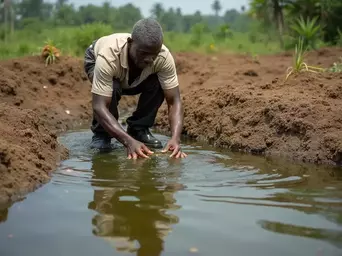
How to Boost Catfish Growth and Size: Practical Farming Tips
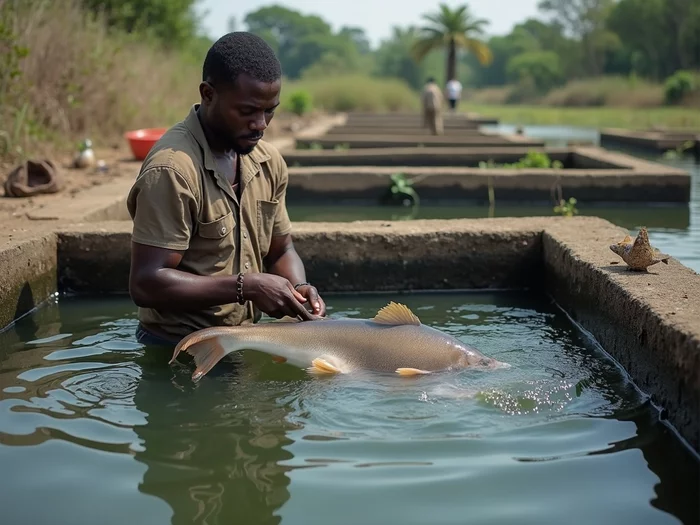
Posted on: 2025-11-19
By: Yomi Adisa
You've invested in fingerlings, built your ponds, and now you're ready to grow catfish to market size. But without understanding proper feeding rates and water quality management, you're essentially guessing with every decision that affects your fish growth. In Nigeria alone, farmers lose significant income monthly through poor feeding practices or inadequate pond management that stunts catfish development.
Achieving optimal catfish growth requires technical knowledge across four critical areas: precision feeding practices, effective pond management, water quality control, and strategic use of farming technology. Each element directly impacts your fish size at harvest and determines whether your catfish reach market weight efficiently.
This comprehensive guide provides you with practical feeding techniques, pond preparation methods, water quality monitoring systems, and technology integration strategies. You'll learn specific feeding ratios, optimal stocking densities, critical water parameters, and breeding selection methods that successful African catfish farmers use to maximise growth rates.
Understanding these production principles matters because faster growth rates mean shorter production cycles, reduced feed costs per kilogram of fish, and higher profits per pond. When your catfish reach market size efficiently, you can reinvest in expansion and build a sustainable aquaculture business that serves your local community's protein needs.
The financial implications of optimised catfish growth extend beyond immediate production benefits to long-term business sustainability. When you implement these growth techniques effectively, you'll need to understand how to manage fish growth cycles to maintain consistent cash flow throughout the year. This strategic approach helps you plan harvests, manage expenses, and reinvest profits for sustainable expansion.
What You Will Learn
- Learn precise feeding rates for African catfish at different growth stages to optimise feed conversion ratios.
- Discover effective pond management techniques that ensure optimal conditions for catfish growth and health.
- Master essential water quality monitoring practices to maintain critical parameters like dissolved oxygen and pH levels.
- Understand strategic technology integration methods that enhance production efficiency and growth rates.
- Explore selective breeding techniques that improve growth performance and disease resistance in catfish stocks.
Optimised Feeding Practices
You cannot achieve maximum catfish growth without understanding the precise nutritional requirements of African catfish (Clarias gariepinus) at each development stage. Most farmers in Nigeria feed their catfish based on guesswork or outdated advice, resulting in poor feed conversion ratios and stunted growth. Your feeding strategy directly determines whether your catfish reach 1kg market weight in 6 months or struggle to achieve 500g after 8 months.
Proper feeding practices involve four critical components: understanding nutritional requirements, implementing precision feeding techniques, sourcing quality feed, and establishing optimal feeding schedules. Each element affects your feed conversion ratio (FCR), which should target 1.2-1.5 for efficient production. When you achieve this FCR, you'll use 1.2-1.5kg of feed to produce 1kg of catfish.
The difference between successful and struggling catfish farmers often comes down to feeding precision. You'll learn specific protein requirements, feeding calculations, quality indicators, and scheduling methods that maximise growth whilst minimising feed costs.
Understanding Catfish Nutrition
You need to provide African catfish with 35-40% crude protein during their juvenile stage (5-50g) and 30-35% protein during grow-out (50g-1kg). Catfish require complete amino acid profiles, particularly lysine and methionine, which support muscle development and overall growth. Most commercial feeds in Ghana and Nigeria contain adequate protein levels, but you must verify the crude protein percentage on feed labels.
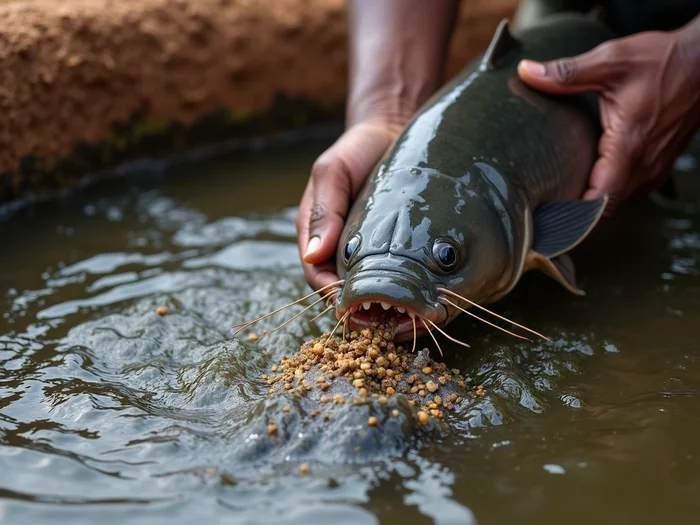
Your catfish also need 8-12% crude fat for energy and essential fatty acid absorption. Fat provides concentrated energy that allows protein to focus on growth rather than energy production. Additionally, you must ensure feeds contain vitamins A, D, E, and B-complex, plus minerals like calcium, phosphorus, and magnesium for bone development and metabolic functions.
Precision Feeding Techniques
You should feed catfish 3-5% of their total body weight daily, adjusting based on fish size and water temperature. For fingerlings weighing 5-20g, feed 5% of body weight split into 4 meals daily. As your catfish grow to 50-200g, reduce feeding rate to 3-4% of body weight with 3 meals daily.
You need to calculate feeding amounts precisely to avoid waste and maintain water quality. For example, if you stock 1,000 catfish averaging 100g each (total biomass 100kg), you should provide 3kg of feed daily at 3% feeding rate. Weigh a sample of 50 fish monthly to adjust feeding calculations as your catfish grow.
Monitor your feed conversion ratio weekly by dividing total feed given by weight gained. You want to achieve FCR of 1.2-1.5, meaning 1.2-1.5kg of feed produces 1kg of catfish. If your FCR exceeds 2.0, reduce feeding rates or check water quality parameters that might be affecting growth.
The Role of Feed Quality
You must source feeds with moisture content below 12% to prevent mould growth and nutrient degradation. Quality feeds feel firm and dry, with uniform pellet size and minimal dust or broken pieces. Avoid feeds with rancid odours, which indicate fat oxidation that reduces nutritional value and palatability.
Check protein levels by examining feed labels and certificates of analysis from reputable manufacturers like Coppens, Skretting, or local producers in Lagos and Accra. Quality feeds should contain stabilised vitamins and minerals that remain active for 3-6 months when stored properly. You should store feeds in cool, dry conditions and use within 3 months of manufacture date.
Feeding Schedules and Methods
You should establish consistent feeding times to optimise catfish digestion and growth. Feed fingerlings (5-50g) four times daily at 6am, 11am, 4pm, and 8pm when water temperatures remain stable. For grow-out catfish (50g-1kg), reduce to three daily feedings at 7am, 1pm, and 6pm to match their slower metabolic rate.
Broadcast feed evenly across pond surfaces to ensure all catfish access food and reduce competition. You want to complete feeding within 15-20 minutes, removing any uneaten pellets after 30 minutes to prevent water quality deterioration. During cooler months (below 25°C), reduce feeding frequency to twice daily as catfish metabolism slows and appetite decreases.
Nursery and Grow-Out Pond Management
You cannot achieve optimal catfish growth without properly designed and managed ponds that support healthy fish development throughout their lifecycle. Many farmers in Kenya and Uganda struggle with poor pond conditions that limit growth potential, resulting in catfish that never reach their genetic size capacity. Your pond environment directly influences feeding efficiency, disease resistance, and overall growth rates of your African catfish (Clarias gariepinus).
Effective pond management requires understanding the specific requirements for nursery ponds (fingerling production) versus grow-out ponds (market-size production). You need different water depths, stocking densities, and management practices for each production phase. Nursery ponds typically require 0.8-1.2 metres depth with higher stocking densities, whilst grow-out ponds need 1.5-2.0 metres depth with lower densities to accommodate larger fish.
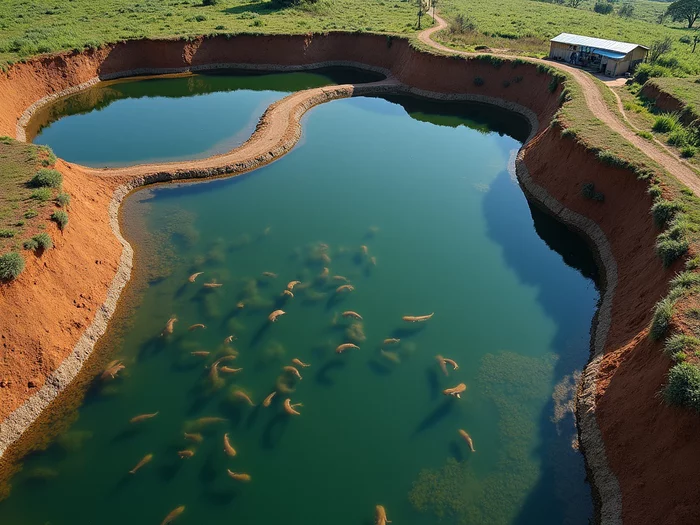
The transition from nursery to grow-out management determines whether your catfish maintain consistent growth rates or experience stress-related setbacks. You'll learn specific preparation techniques, optimal stocking calculations, and seasonal adjustments that successful farmers across Nigeria and Ghana use to maximise pond productivity and fish health.
Pond Preparation for Optimal Growth
You must drain and dry your ponds completely for 2-3 weeks before stocking to eliminate pathogens and improve soil conditions. Remove all organic matter, dead vegetation, and silt accumulation that can create anaerobic conditions and produce toxic gases. Apply agricultural lime at 200-300kg per hectare to neutralise acidic soils and maintain pH levels between 6.5-8.5 for optimal catfish growth.
Fill nursery ponds to 0.8-1.2 metres depth to facilitate easy netting and monitoring of fingerlings. Your grow-out ponds should maintain 1.5-2.0 metres depth to provide temperature stability and adequate swimming space for larger catfish. Install inlet and outlet structures that allow complete water exchange within 24-48 hours when necessary for water quality management.
You need to establish proper pond bottom slopes of 1-2% towards drainage points to facilitate complete emptying and cleaning. Install screens on all water inlets to prevent wild fish entry and disease introduction. Test water pH, dissolved oxygen, and ammonia levels before introducing catfish to ensure optimal conditions for growth.
Stocking Density and Fish Health
You should stock nursery ponds at 50-100 fingerlings per square metre for intensive management systems with adequate aeration and water exchange. For grow-out ponds, maintain stocking densities of 10-25 catfish per square metre depending on your management intensity and target harvest size. Higher densities require more frequent water changes, better aeration, and precise feeding management to prevent stress and disease outbreaks.
Calculate your total stocking capacity by multiplying pond surface area by recommended density rates. For example, a 1,000m² grow-out pond should accommodate 10,000-25,000 catfish at optimal densities. You must adjust these numbers based on your water quality management capabilities and feeding precision to maintain healthy growth rates.
Monitor fish behaviour daily for signs of stress, including surface swimming, reduced feeding activity, or abnormal swimming patterns. Overcrowded catfish exhibit aggressive behaviour, uneven growth rates, and increased susceptibility to diseases. You should be prepared to sort and redistribute fish to maintain appropriate densities as they grow.
Seasonal Management Strategies
You need to adjust pond management practices based on seasonal temperature variations that affect catfish metabolism and growth rates. During hot seasons (above 30°C), increase water exchange rates to 20-30% daily and provide additional aeration to maintain dissolved oxygen levels above 5mg/L. Reduce feeding rates by 10-15% when temperatures exceed 32°C as catfish appetite decreases and feed conversion efficiency drops.
In cooler months (below 25°C), reduce water exchange to 10-15% daily to maintain stable temperatures and conserve energy costs. You should adjust feeding schedules from three to two daily meals as catfish metabolism slows during cooler periods. Cover nursery ponds with transparent materials during cold nights to prevent temperature drops that stress fingerlings.
Plan your stocking and harvesting schedules to align with optimal growing seasons in your region. In Nigeria's northern states, stock fingerlings at the beginning of rainy season (May-June) to take advantage of stable temperatures and water availability. You'll achieve better growth rates and feed conversion when environmental conditions support natural catfish behaviour patterns.
Health and Water Quality Management
You cannot achieve consistent catfish growth without maintaining optimal water quality parameters that directly affect fish health, appetite, and feed conversion efficiency. Poor water quality causes stress in African catfish (Clarias gariepinus), leading to reduced growth rates, increased disease susceptibility, and higher mortality rates that devastate your production profits. In Uganda and Kenya, farmers often lose 20-30% of their stock due to preventable water quality issues and disease outbreaks.
Water quality management involves monitoring critical parameters, implementing treatment techniques, and establishing disease prevention protocols that work together to create optimal growing conditions. You need to understand the relationship between dissolved oxygen, pH levels, ammonia concentrations, and temperature fluctuations that affect catfish metabolism. Each parameter influences the others, creating a complex system that requires consistent monitoring and rapid response to changes.
Successful catfish farmers integrate water quality management with health monitoring to prevent problems before they impact growth rates. You'll learn specific parameter ranges, testing schedules, treatment methods, and biosecurity measures that protect your investment whilst maximising growth potential throughout the production cycle.
Key Water Quality Parameters
You must maintain dissolved oxygen levels above 5mg/L for optimal catfish growth, with levels below 3mg/L causing stress and reduced feeding activity. Test dissolved oxygen twice daily using electronic metres or test kits, particularly during early morning hours when levels typically reach their lowest point. Install paddle wheel aerators or air stones to maintain adequate oxygen levels, especially during hot weather when oxygen solubility decreases.
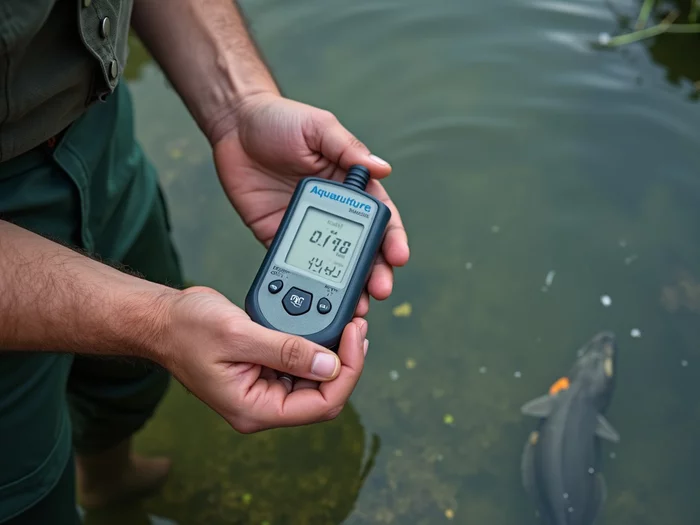
Your pond pH should remain between 6.5-8.5 for optimal catfish health and growth. pH levels below 6.0 or above 9.0 stress catfish and reduce their ability to absorb nutrients from feed. Test pH weekly using digital metres or colour-change test strips, adjusting with agricultural lime to raise pH or organic acids to lower pH when necessary.
Monitor ammonia levels weekly, keeping total ammonia nitrogen below 1mg/L to prevent toxicity that stunts growth and damages gill tissues. High ammonia levels indicate overfeeding, overstocking, or inadequate biological filtration. You should reduce feeding rates and increase water exchange when ammonia exceeds safe levels, whilst addressing underlying causes through improved pond management.
Water Treatment Techniques
You need to implement regular water exchange programmes that replace 10-20% of pond water daily to maintain optimal quality parameters. Calculate water exchange volumes based on pond size and stocking density, increasing exchange rates during hot weather or when water quality parameters deteriorate. Install efficient drainage and filling systems that allow rapid water changes without disturbing catfish or pond bottom sediments.
Install biological filtration systems using gravel beds, biofilter media, or constructed wetlands that convert toxic ammonia into less harmful nitrates through beneficial bacterial action. You should establish these biological systems 2-3 weeks before stocking catfish to allow beneficial bacteria populations to develop. Maintain biological filters through regular cleaning and media replacement to ensure consistent performance.
Use mechanical aeration systems including paddle wheels, air stones, or venturi systems to maintain dissolved oxygen levels and improve water circulation. You need 1-2 horsepower of aeration per hectare for intensive catfish production, operating aerators continuously during hot weather and at night when oxygen levels drop. Position aerators to create circular water flow patterns that distribute oxygen evenly and prevent dead zones.
Disease Prevention and Health Management
You must establish strict biosecurity protocols that prevent disease introduction through contaminated equipment, water sources, or new fish stocks. Disinfect all nets, buckets, and tools with 200ppm chlorine solution between pond uses, and quarantine new fingerlings for 7-14 days before introducing them to production ponds. Restrict access to your farm and require visitors to use foot baths containing disinfectant solutions.
Monitor catfish behaviour daily for early disease indicators including surface swimming, reduced feeding activity, abnormal swimming patterns, or visible lesions on skin and fins. Healthy catfish exhibit active feeding behaviour, maintain normal swimming patterns, and show bright colouration without visible injuries or parasites. You should isolate sick fish immediately and consult with aquaculture veterinarians for proper diagnosis and treatment protocols.
Implement preventive health measures including proper nutrition, optimal stocking densities, and stress reduction techniques that strengthen catfish immune systems. You can add probiotics to feed at 1-2g per kilogram to improve gut health and disease resistance. Maintain consistent feeding schedules, avoid sudden environmental changes, and provide adequate space to reduce stress factors that predispose catfish to disease outbreaks.
Technology Integration in Catfish Farming
You can significantly improve catfish growth rates and production efficiency by integrating modern aquaculture technologies that automate monitoring, optimise feeding, and maintain consistent environmental conditions. Many successful farmers in Nigeria and Egypt now use recirculating aquaculture systems (RAS), automated feeding systems, and digital monitoring tools to achieve better growth rates whilst reducing labour costs and environmental impact.
Technology integration doesn't require massive capital investment to be effective in African catfish farming. You can start with simple monitoring tools and gradually add automated systems as your operation grows and generates profits. The key is selecting technologies that address your specific production challenges, whether that's maintaining water quality, optimising feeding schedules, or monitoring fish health indicators.
Understanding practical applications of available technologies helps you make informed decisions about which systems provide the best return on investment for your catfish farming operation. You'll learn about RAS systems, aquaponics integration, monitoring tools, and data management systems that successful farmers use to maximise production efficiency and catfish growth rates.
Practical Applications of RAS and Aquaponics
You can achieve 3-5 times higher production per square metre using recirculating aquaculture systems (RAS) that filter and reuse water continuously whilst maintaining optimal growing conditions. RAS systems require initial investment of $50-100 per cubic metre of tank capacity but allow year-round production with precise environmental control. These systems work particularly well in urban areas of Lagos, Accra, or Nairobi where land costs are high and water resources are limited.
Your RAS setup needs mechanical filtration, biological filtration, and UV sterilisation components that remove waste products and maintain water quality automatically. You should plan for 100-200 litres per kilogram of catfish biomass in RAS systems, with water turnover rates of 1-3 times per hour depending on stocking density. Install backup power systems and redundant equipment to prevent system failures that could kill your entire stock.
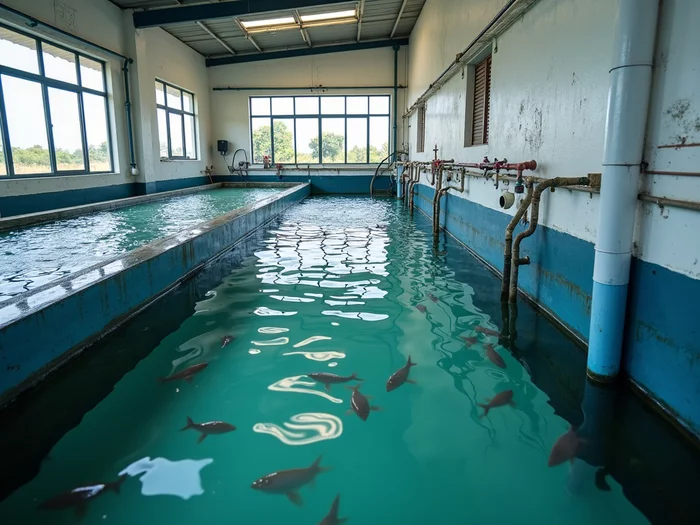
Aquaponics systems combine catfish production with vegetable cultivation, creating additional income streams whilst improving water quality through plant nutrient uptake. You can grow lettuce, tomatoes, or herbs in grow beds that receive nutrient-rich water from catfish tanks, reducing feed costs and creating premium market products. Design aquaponics systems with 1:1 to 1:3 ratios of fish tank volume to plant growing area for optimal nutrient balance.
Monitoring and Automation Tools
You should invest in digital water quality monitors that continuously track dissolved oxygen, pH, temperature, and conductivity levels whilst sending alerts to your mobile phone when parameters exceed safe ranges. These systems cost $200-500 but prevent catastrophic losses from water quality problems that develop overnight or during your absence. Install sensors in multiple pond locations to identify localised problems before they affect entire populations.
Automated feeding systems dispense precise feed amounts at programmed intervals, improving feed conversion ratios and reducing labour requirements for large operations. You can programme these systems to adjust feeding rates based on water temperature, fish size, and growth stage requirements. Simple timer-based feeders cost $100-300, whilst sophisticated systems with load cells and environmental sensors cost $1,000-3,000 but provide better feed management.
Use underwater cameras or fish counters to monitor catfish behaviour, feeding activity, and population estimates without disturbing fish through netting or handling. These monitoring tools help you identify health problems early, optimise feeding schedules, and track growth progress more accurately. Solar-powered monitoring systems work well in rural areas without reliable electricity, providing continuous data collection for improved management decisions.
Data Management for Improved Production
You need systematic data collection and analysis to identify trends, optimise production practices, and make informed management decisions that improve catfish growth rates. Record daily feeding amounts, water quality parameters, mortality rates, and growth measurements using mobile apps or computer software designed for aquaculture management. This data helps you calculate accurate feed conversion ratios, identify optimal feeding schedules, and track production costs per kilogram of catfish.
Use spreadsheet applications or specialised aquaculture software to analyse production data and identify correlations between management practices and growth outcomes. You should track feed costs, electricity expenses, labour hours, and other production inputs to calculate profitability per production cycle. This analysis helps you identify the most cost-effective practices and areas where efficiency improvements can increase profits.
Implement cloud-based data storage systems that allow you to access production records from multiple devices and share information with advisors, veterinarians, or business partners. You can use this historical data to predict optimal stocking dates, plan harvest schedules, and negotiate better prices with feed suppliers based on accurate consumption records. Regular data analysis helps you identify seasonal patterns and adjust management practices for consistent year-round production.
Breeding and Genetic Improvement Techniques
You can significantly improve catfish growth rates and final harvest sizes by implementing selective breeding programmes and genetic improvement techniques that enhance the natural growth potential of African catfish (Clarias gariepinus). Many farmers in Ghana and Nigeria achieve 20-30% better growth rates by carefully selecting breeding stock based on growth performance, disease resistance, and feed conversion efficiency rather than using random breeding practices.
Genetic improvement requires understanding catfish breeding biology, implementing selection criteria, and maintaining detailed records that track the performance of different genetic lines over multiple generations. You need to identify superior performing catfish based on measurable traits like growth rate, feed conversion ratio, and survival rates under your specific farming conditions. This process takes patience and systematic record-keeping but produces lasting improvements in your production efficiency.
Successful breeding programmes combine traditional selection methods with modern techniques like crossbreeding and hybrid production that can dramatically improve catfish performance. You'll learn species selection criteria, genetic selection methods, and crossbreeding techniques that established catfish farmers use to develop superior breeding stock and improve their overall production outcomes.
Selecting the Right Catfish Species
You should focus on African catfish (Clarias gariepinus) for optimal growth performance in African climatic conditions, as this species tolerates temperature variations, low oxygen levels, and high stocking densities better than other catfish varieties. Clarias gariepinus can reach 1-2kg within 6-8 months under proper management, compared to other species that require 10-12 months to achieve similar sizes. This species also demonstrates excellent feed conversion ratios of 1.2-1.5 when provided with quality feeds and optimal growing conditions.
Consider hybrid catfish varieties that combine fast growth characteristics of different Clarias species to achieve superior performance in your specific environment. Dutch-improved Clarias gariepinus strains available in Nigeria and Kenya often demonstrate 15-25% faster growth rates than local varieties whilst maintaining disease resistance and environmental tolerance. You should source breeding stock from reputable hatcheries that maintain genetic records and can provide performance data for their breeding lines.
Evaluate potential breeding stock based on growth performance under your specific pond conditions, feed types, and management practices rather than relying solely on genetic background information. You want catfish that demonstrate consistent growth rates, efficient feed conversion, and good survival rates in your particular farming environment. Test different genetic lines in separate ponds to identify which varieties perform best under your management system.
Genetic Selection for Enhanced Growth
You must establish systematic selection criteria that identify the fastest-growing catfish in each generation for use as breeding stock. Measure and record individual fish weights at 3, 6, and 9 months of age to identify catfish that consistently outperform their pond mates under identical conditions. Select the top 10-20% of performers based on growth rate, feed conversion efficiency, and overall health status for your breeding programme.
Implement family-based selection by keeping detailed records of offspring performance from specific breeding pairs, allowing you to identify superior genetic combinations that produce consistently fast-growing catfish. You should maintain separate breeding records for each family line, tracking growth rates, survival percentages, and feed conversion ratios across multiple generations. This approach helps you identify the most productive breeding combinations for your specific conditions.
Use individual tagging or fin-clipping systems to track the performance of specific catfish throughout their growth cycle, enabling precise selection of superior performers for breeding purposes. You can use PIT tags, visible implant tags, or coded fin clips to identify individual fish and maintain accurate performance records. This individual tracking allows you to select breeding stock based on actual performance data rather than visual estimates or group averages.
Crossbreeding Techniques
You can achieve hybrid vigour (heterosis) by crossing different strains of Clarias gariepinus that have been selected for different traits like fast growth, disease resistance, or feed conversion efficiency. Crossbred catfish often demonstrate 10-20% better growth rates than their parent lines whilst maintaining good survival rates and environmental tolerance. Plan crossbreeding programmes that combine complementary traits from different genetic lines to produce superior offspring for your production system.
Implement rotational crossbreeding systems that maintain genetic diversity whilst capturing hybrid benefits across multiple generations. You should maintain at least three distinct genetic lines and rotate breeding combinations every 2-3 generations to prevent inbreeding depression whilst maximising hybrid vigour. This approach requires careful record-keeping and planning but produces consistent improvements in growth performance over time.
Document crossbreeding results through systematic performance comparisons between hybrid offspring and their parent lines under identical growing conditions. You need to track growth rates, feed conversion ratios, survival percentages, and final harvest weights to quantify the benefits of specific crossbreeding combinations. Use this data to refine your breeding programme and focus on the most productive genetic combinations for your farming operation. Successful farmers in Egypt and Nigeria report 25-40% improvements in overall production efficiency through systematic crossbreeding programmes combined with proper selection practices.
Marketing and Production Efficiency Strategies
You cannot achieve maximum profitability from improved catfish growth without developing effective marketing strategies that capture premium prices for your larger, higher-quality fish. Many farmers in Nigeria and Kenya focus solely on production techniques whilst neglecting market development, resulting in excellent catfish that sell at commodity prices rather than premium rates. Your marketing approach should align with your production improvements to maximise the return on investment from enhanced growth rates.
Production efficiency extends beyond achieving faster growth to include optimising resource utilisation, reducing waste, and developing sustainable practices that improve long-term profitability. You need to integrate efficient production methods with market-focused strategies that position your catfish as premium products worth higher prices. This approach requires understanding customer preferences, developing direct sales channels, and implementing sustainable practices that differentiate your products.
Successful catfish farmers combine production excellence with strategic marketing to build profitable businesses that serve specific market segments effectively. You'll learn market identification techniques, direct sales strategies, and sustainability practices that established farmers use to achieve premium prices whilst maintaining efficient production systems that support business growth.
Identifying Niche Markets
You should target restaurants, hotels, and catering services that require consistent supplies of large, high-quality catfish and are willing to pay premium prices for reliable delivery and superior products. These commercial customers often pay 20-30% above market prices for catfish that meet specific size requirements (1-2kg) and quality standards. Develop relationships with chefs and food service managers who appreciate the superior taste and texture of properly grown catfish compared to imported alternatives.
Consider organic or naturally-raised catfish markets that command premium prices from health-conscious consumers willing to pay extra for fish produced without antibiotics or synthetic chemicals. You can achieve organic certification through proper documentation of feed sources, water quality management, and production practices that meet organic standards. This market segment often pays 40-60% premium prices for certified organic catfish in urban markets across Lagos, Accra, and Nairobi.
Develop direct relationships with fish processors, smokehouses, and value-added product manufacturers who need consistent supplies of specific-sized catfish for their operations. These customers often contract for entire production cycles at predetermined prices, providing income security and reducing marketing risks. You should negotiate contracts that include size specifications, delivery schedules, and quality requirements that align with your production capabilities.
Direct-to-Consumer Sales Strategies
You can capture retail margins by selling directly to consumers through farm-gate sales, farmers' markets, and online platforms that connect you with customers seeking fresh, locally-produced catfish. Direct sales typically provide 30-50% higher prices than wholesale markets whilst building customer relationships that support repeat business and referrals. Establish regular sales schedules and communication systems that keep customers informed about product availability and harvest dates.
Implement value-added processing like filleting, smoking, or packaging that increases product value and customer convenience whilst differentiating your catfish from commodity products. You can charge premium prices for processed products that save customers time and effort whilst showcasing the quality of your catfish. Invest in proper processing equipment, cold storage, and packaging materials that maintain product quality and extend shelf life.
Use social media platforms and mobile communication tools to build customer databases, share production updates, and promote your catfish products to targeted audiences interested in fresh, local fish. You should document your farming practices, share growth progress photos, and highlight the care you take in producing high-quality catfish. This transparency builds customer trust and justifies premium pricing for your products compared to anonymous commodity fish.
Sustainable Practices for Profitability
You should implement water recycling systems, organic waste management, and energy-efficient technologies that reduce production costs whilst appealing to environmentally-conscious customers willing to pay premium prices for sustainably-produced catfish. Document your environmental practices and obtain relevant certifications that validate your sustainability claims to customers and premium market segments. These practices often reduce operating costs by 15-25% whilst supporting premium pricing strategies.
Develop integrated farming systems that combine catfish production with vegetable cultivation, poultry, or other enterprises that utilise catfish pond nutrients and reduce overall production costs. You can sell multiple products from integrated systems whilst reducing feed costs and waste disposal expenses. Customers often pay premium prices for products from integrated farming systems that demonstrate environmental stewardship and resource efficiency.
While catfish farming offers excellent opportunities, many farmers also explore tilapia production techniques to diversify their operations and reduce market risks. Tilapia farming uses similar pond management principles but offers different market opportunities and growth characteristics that can complement your catfish production. This diversification strategy helps maintain consistent income streams throughout the year whilst utilising your existing infrastructure and expertise more effectively.
Maintain detailed production records that document feed sources, water quality management, and fish health practices to support quality claims and premium pricing strategies. You should track production costs, resource utilisation, and environmental impacts to identify efficiency improvements and sustainability achievements that differentiate your products. Use this documentation to support marketing claims, obtain certifications, and justify premium prices to customers who value transparency and responsible production practices.
Summary Table
| Key Points | Details |
|---|---|
| Feeding Rate | Feed 3-5% of total body weight daily; adjust based on fish size and water temperature. |
| Feed Conversion Ratio (FCR) | Target an FCR of 1.2-1.5, meaning 1.2-1.5kg of feed produces 1kg of catfish. |
| Nutritional Requirements | Juvenile stage: 35-40% crude protein; Grow-out stage: 30-35% crude protein. |
| Pond Depth | Nursery ponds: 0.8-1.2m; Grow-out ponds: 1.5-2.0m for optimal conditions. |
| Stocking Density | Nursery ponds: 50-100 fingerlings/m²; Grow-out ponds: 10-25 catfish/m². |
| Water Quality | Maintain dissolved oxygen >5mg/L, pH between 6.5-8.5, ammonia <1mg/L. |
| Feeding Schedule | Fingerlings: 4 meals daily; Grow-out catfish: 3 meals daily. |
| Pond Preparation | Drain and dry ponds for 2-3 weeks, apply lime at 200-300kg/ha to neutralise soil. |
| Disease Prevention | Implement strict biosecurity protocols to prevent disease introduction and monitor fish health. |
| Technology Integration | Consider RAS and automated systems for better growth and reduced labour costs. |
Conclusion
You now have the technical knowledge to significantly improve catfish growth rates through precision feeding, proper pond management, water quality control, and strategic technology use. Focus on implementing 3-5% daily feeding rates based on fish biomass, maintaining dissolved oxygen above 5mg/L, and establishing consistent management routines that support healthy catfish development. These practices work together to achieve feed conversion ratios of 1.2-1.5 and market-size catfish in 6-8 months.
Start with the basics—accurate feeding calculations, regular water quality testing, and proper stocking densities for your pond system. Your confidence will grow as you see improved growth rates and healthier catfish responding to better management practices. Remember that consistent application of these techniques matters more than perfect implementation from day one.
As you master these growth optimisation methods, consider integrating selective breeding programmes and direct marketing strategies that capture premium prices for your larger, higher-quality catfish. The combination of superior production techniques with targeted marketing creates sustainable profits that support long-term business growth in African catfish farming.
Frequently Asked Questions
How often should I feed my African catfish at different growth stages?
For fingerlings (5-50g), you should feed them four times daily at a rate of 5% of their body weight. As they grow to 50g-1kg, reduce this to three meals daily and a feeding rate of 3-4% of body weight. Consistency in feeding times optimises digestion.
What are the optimal depths for nursery and grow-out ponds?
Nursery ponds for fingerling production should be 0.8-1.2 metres deep to allow for easier monitoring and netting. Grow-out ponds for market-size catfish require a depth of 1.5-2.0 metres to provide temperature stability and adequate swimming space for larger fish.
What water quality parameters are most critical for African catfish growth?
You must maintain dissolved oxygen levels above 5mg/L and pH between 6.5-8.5. Ammonia levels should be kept below 1mg/L to prevent toxicity. Regular monitoring and adjustments are crucial, especially during temperature fluctuations.
Can I integrate technology like RAS or automated feeders into a small catfish farm?
Yes, you can start with simpler technologies like digital water quality monitors ($200-500) and timer-based automated feeders ($100-300). These tools significantly improve efficiency without requiring large initial capital, and you can scale up as your farm grows.
How can selective breeding improve my catfish growth rates?
By systematically selecting the fastest-growing catfish in each generation (top 10-20% performers) for breeding, you can significantly enhance growth rates. Tracking individual fish weights and family performance across generations helps identify superior genetic lines, potentially yielding 20-30% better growth.


Yomi Adisa Lead Researcher
Yomi Adisa is the lead researcher at Fish Farming Business, where he studies what makes aquaculture ventures profitable across Africa. His research focuses on market patterns, buyer preferences, and the business decisions that determine success or failure in fish farming.