Fingerlings
4-5 times daily
Posted on: 2025-11-09
By: Yomi Adisa
Feeding frequency is more than just a routine; it plays a significant role in the health and growth of African catfish. Understanding the right strategies can transform your aquaculture practices. Here’s what you will learn from this article:
Effective feeding strategies are vital for successful African catfish farming, impacting both fish growth and pond ecosystem health. Below is a breakdown of optimal feeding frequencies for different life stages and key influencing factors. For more detailed insights into specific feeding schedules, check out our guide on feeding schedules for African catfish.
4-5 times daily
2-3 times daily
Mornings & early evenings (high activity)
High-protein diet (balanced for all nutrients)
Dissolved oxygen, pH, temperature, nitrogen levels
Balance feeding with probiotics & biofloc systems
Optimized frequency boosts growth and survival rates.
Better nutrient absorption and a thriving pond ecosystem.
When it comes to raising healthy African catfish, understanding the impact of feeding frequency is crucial. As a seasoned aquaculture expert, I’ve seen firsthand how the right feeding strategy can significantly improve growth performance and survival rates. In this section, we’ll explore the recommended feeding frequency for fingerlings and juveniles, and how these practices affect overall health.
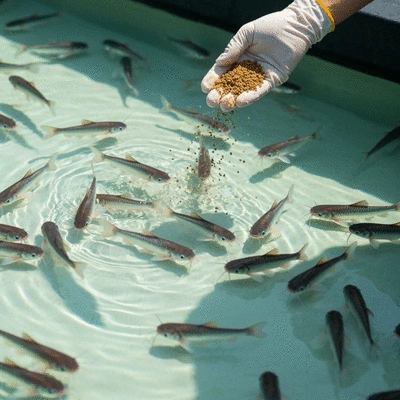
For fingerlings, I recommend feeding them four to five times daily. This frequent feeding schedule ensures that they receive adequate nutrients for rapid growth. As they transition into juveniles, reducing the feeding frequency to two to three times daily can still support robust growth while preventing overfeeding.
Maintaining this feeding frequency is essential for maximizing growth and ensuring high survival rates in your catfish. By sticking to this strategy, you’ll set your farm up for success! For specific guidance on feeding young catfish, refer to our guide on feeding African catfish fingerlings.
Optimal feeding frequency is critical right from the start. When feeding fingerlings, their delicate digestive systems require frequent, smaller meals. This approach not only promotes growth but also enhances survival rates by reducing stress and optimizing nutrient intake. For juveniles, who are more robust, less frequent meals can still keep them thriving.
Feeding frequency can also be tailored based on local conditions and available feed types. For instance, if you’re utilizing high-protein feeds, more frequent feeding can enhance their growth potential. This flexibility allows farmers to adapt to their unique circumstances, ensuring better outcomes.
Feeding timing, in addition to frequency, plays a crucial role in catfish growth. For optimal nutrient absorption, it’s best to feed during periods of high activity, typically in the morning and early evening. During these times, catfish are more likely to consume feed actively, leading to better feed utilization and improved growth rates. You can find more comprehensive information on fish nutrition and growth on our Fish Farming Experts blog.
Moreover, synchronizing feedings with natural light cycles can enhance feed consumption. Fish have a natural tendency to feed during daylight hours, so aligning your feeding schedule with these patterns can yield positive results.
Understanding the nutritional requirements of African catfish is vital in developing effective feeding strategies. These fish thrive on a high-protein diet, especially during their early growth stages. A balanced diet will include essential nutrients such as carbohydrates, fats, vitamins, and minerals, which are critical for their development.
As you plan your feeding strategy, consider the type of feed you are using and its nutritional composition. Regularly assessing the nutritional adequacy of your feed will help ensure that your fish are receiving all they need to grow healthily. Remember, a well-fed catfish is a happy and productive catfish!
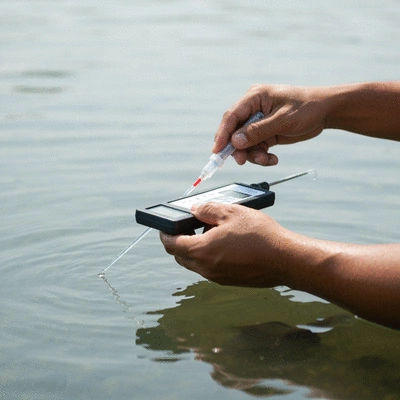
Feeding frequency doesn’t just affect the fish; it also has a significant impact on pond water quality. When we feed our catfish more frequently, we need to be mindful of how it can influence dissolved oxygen levels, pH, and temperature in the pond. Maintaining optimal water conditions is paramount for the health of your catfish and the success of your farm. For detailed guidance on this, consider resources like our Aquaculture Guide on water quality management.
Being proactive about maintaining good water quality is essential for a thriving aquaculture environment. Understanding the interconnectedness of feeding practices and water health is critical for long-term success in catfish farming.
To optimize feeding frequency for your African catfish, consider implementing a staggered feeding schedule. This approach allows you to monitor feed intake more effectively and adjust portion sizes based on individual growth rates. Additionally, using high-quality, high-protein feed can enhance nutrient absorption, ensuring your fish receive the best possible diet for growth and health.
African catfish fingerlings should be fed four to five times daily to support their rapid growth and ensure adequate nutrient intake.
Juvenile African catfish can be fed two to three times daily. This frequency supports robust growth while preventing overfeeding.
It's best to feed African catfish during periods of high activity, typically in the morning and early evening, for optimal nutrient absorption and feed utilization.
African catfish thrive on a high-protein diet, especially during their early growth stages. Their diet should also be balanced with essential carbohydrates, fats, vitamins, and minerals.
Frequent feeding can significantly impact pond water quality by influencing parameters such as dissolved oxygen levels, pH, temperature, and nitrogen levels. Proper management is essential to prevent adverse effects.
When it comes to managing a successful catfish farm, understanding the impact of feeding frequency is crucial. Throughout this section, we've explored how feeding frequency not only influences growth performance but also significantly affects the overall health of your pond ecosystem. By integrating the best practices discussed, farmers can optimize their operations and ensure thriving catfish stocks.
Here are some important insights regarding the effects of feeding frequency on both growth and water quality:
By understanding these takeaways, you’ll be able to make informed decisions that enhance both your catfish production and the quality of your pond water!
I encourage every farmer to take a proactive approach in implementing the recommended practices discussed in this article. Evaluate your current feeding strategies and consider how adjustments in feeding frequency can lead to better outcomes for your fish and pond health. Remember, successful aquaculture isn’t just about production—it's also about creating a sustainable environment for future generations of farmers.
By focusing on effective feeding practices, we can work together to enhance the livelihoods of local farmers while ensuring the sustainability of aquaculture in Africa. Let’s make a positive impact on our catfish farming journey!
Here is a quick recap of the important points discussed in the article:
Yomi Adisa Lead Researcher
Yomi Adisa is the lead researcher at Fish Farming Business, where he studies what makes aquaculture ventures profitable across Africa. His research focuses on market patterns, buyer preferences, and the business decisions that determine success or failure in fish farming.