P
Proteins: Tissue growth & repair
Posted on: 2025-10-27
By: Yomi Adisa
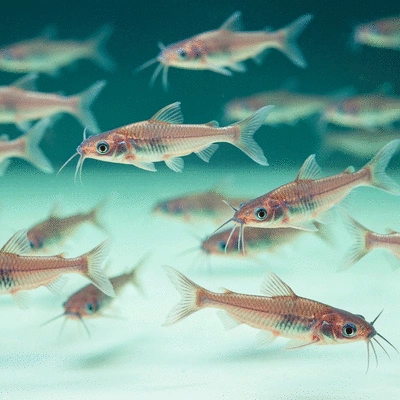
Have you ever wondered what it takes to cultivate healthy and thriving African catfish fingerlings? Understanding their needs is fundamental to the success of your aquaculture endeavors.
Successful African catfish farming hinges on these critical feeding strategies and nutritional components, ensuring robust growth and health from the fingerling stage. For detailed guidance on specific feeding times and quantities, explore our feeding schedule for African catfish.
Proteins: Tissue growth & repair
Fats: Energy & metabolic support
Carbohydrates: Primary energy source
Vitamins & Minerals: Health & immunity
High-Quality Feed: Essential for growth.
Adjust Rates: Based on growth stage.
Monitor Behavior: Observe responses.
Water Quality: Supports digestion.
Prevent Overcrowding: Reduces stress.
As the lead researcher at African Catfish Farming, I’ve spent years exploring the fascinating world of Clarias gariepinus, commonly known as the African catfish. This species is not only vital for local aquaculture but also offers significant potential due to its adaptability and growth speed. Understanding the needs of catfish fingerlings is crucial for any farmer looking to establish a successful operation.
Catfish fingerlings, being relatively young and delicate, require special attention to their feeding practices. This will set the foundation for their growth, health, and overall productivity as they mature. Let’s dive into the importance of feeding these young fish properly and how it impacts their development.
The African catfish is a hardy and versatile fish that thrives in various aquatic environments. Known for its fast growth rate and ability to tolerate different water conditions, it has become a popular choice among fish farmers throughout Africa. Its robust nature allows it to adapt well to various farming systems, making it an ideal candidate for both extensive and intensive aquaculture.
These fish exhibit a unique morphology, characterized by a large head, long body, and whisker-like barbels. Understanding their biology and behavior is essential for effective farming. As we focus on their feeding needs, we can ensure that we are providing the best start for our fingerlings.
Feeding is perhaps the most significant aspect of catfish farming, especially during the fingerling stage. Proper nutrition promotes healthy growth and helps prevent diseases, ensuring that the fish thrive as they grow. A well-fed fingerling will develop into a robust juvenile, ready for the next stages of life.
In my experience, farmers who prioritize the nutritional needs of their fingerlings often see remarkable improvements in their farms. Let’s explore the key components of their diet next! To further improve your farming success, consider learning about maintaining water quality for catfish, a critical factor for healthy fish.
To achieve optimal growth, African catfish fingerlings require a balanced diet rich in essential nutrients. This diet should primarily consist of proteins, fats, carbohydrates, vitamins, and minerals. Each of these components plays a unique role in the fish's development.
Understanding these nutritional requirements not only guides the selection of feed types but also helps farmers create customized feeding plans that cater to local conditions. With the right approach, we can significantly enhance the success of our catfish farming operations!
To further optimize the growth of your catfish fingerlings, consider incorporating a variety of feed types. Mixing high-protein pellets with live feed, such as brine shrimp or earthworms, can significantly enhance their nutritional intake and stimulate their natural feeding behaviors.
A1: Proper feeding is vital for healthy growth, disease prevention, reduced mortality rates, and improved feed conversion ratios, setting the foundation for robust adult fish.
A2: Their diet should include proteins for tissue growth, fats for energy, carbohydrates as a primary energy source, and essential vitamins and minerals for overall health and immunity.
A3: Best practices include using high-quality, protein-rich feed, adjusting feeding rates based on growth stage, monitoring feeding behavior, maintaining optimal water quality, and preventing overcrowding.
A4: Good water quality (e.g., balanced pH, sufficient dissolved oxygen) supports efficient digestion and nutrient absorption, which are essential for the fingerlings' overall health and growth.
A5: You can find detailed feeding charts and reference materials through the links provided in the "Links to Detailed Feeding Charts and Reference Materials" section of this article, as well as via local aquaculture groups and research institutions.
As we wrap up our discussion on feeding strategies for African catfish, it's crucial to highlight the best practices that can lead to successful fingerling development. Proper feeding is the cornerstone of sustainable catfish farming. Remember these key strategies:
By focusing on these critical feeding strategies, you can enhance your chances of raising healthy and thriving catfish fingerlings! For more insights into cost-effective feeding, refer to our guide on affordable catfish feed from locals.
In the dynamic world of aquaculture, staying informed about the latest advancements and techniques can significantly impact your farming success. Continuous learning allows you to adapt your practices to changing conditions and environmental factors. Join local aquaculture groups or online forums where farmers share their experiences and insights. This community knowledge can be invaluable.
Moreover, attending workshops and training sessions can equip you with up-to-date information on best practices. Here are some avenues you might explore:
As I always say, the more we learn together, the better our farms can thrive!
To further assist in your catfish farming journey, I have compiled a list of resources that include detailed feeding charts and reference materials. These documents will guide you in understanding specific nutritional needs across different growth stages:
These resources will serve as handy references as you implement the feeding practices we've discussed.
I encourage each of you to share your experiences! Have you tried any of the feeding strategies mentioned? What challenges have you faced? By engaging with one another, we can all improve our practices and support each other in this rewarding field. Feel free to drop your questions and insights in the comments section or reach out through our platform!
As you dive deeper into sustainable aquaculture practices, consider reaching out for expert recommendations. Here are a few resources that I often suggest: for comprehensive insights into best practices, visit the AquaFarmPro resource hub.
Remember, the journey of successful catfish farming is ongoing. Stay curious, keep learning, and let's work together to empower our farming community! You might also find our guide on preventing bacterial infections in catfish helpful for maintaining the health of your fingerlings.
Here is a quick recap of the important points discussed in the article:
Yomi Adisa Lead Researcher
Yomi Adisa is the lead researcher at Fish Farming Business, where he studies what makes aquaculture ventures profitable across Africa. His research focuses on market patterns, buyer preferences, and the business decisions that determine success or failure in fish farming.