Broodstock Selection in Catfish Breeding
Posted on: 2025-10-08
By: Yomi Adisa
Have you ever considered the profound impact that careful broodstock selection can have on the success of your catfish farm? The choices you make now can set the course for years of healthy production and sustainability.
What You Will Learn
- Broodstock selection is crucial for improving the genetic quality, health, and growth performance of your catfish.
- Key criteria for selecting broodstock include size, maturity, health indicators, and the absence of deformities.
- Genetic diversity among broodstock can reduce the risks of inbreeding and enhance overall farm resilience.
- Implementing sustainable practices in broodstock management supports environmental conservation and improves farm outcomes.
Key Criteria for Broodstock Selection and Breeding
Successful African Catfish breeding relies on a combination of careful broodstock selection and effective management practices. The visual below highlights the critical criteria for choosing healthy parent fish and the essential steps for a thriving breeding program. For more detailed insights into effective breeding strategies, explore our guide on catfish farming for beginners.
🐟 Broodstock Selection Criteria
- ✓Size & Maturity: 1.2-2.0 kg, 8-12 months old.
- ✓Health Indicators: Clear eyes, no lesions, active.
- ✓Genetic Traits: Robust body, good coloration, high fertility.
- ✓No Deformities: Essential for healthy offspring.
💪 Key Breeding Practices
- ★Genetic Diversity: Select from different sources to avoid inbreeding.
- ★Optimal Conditions: Focus on water quality & temperature.
- ★Sustainable Practices: Efficient feeding, eco-friendly tanks.
- ★Continuous Education: Webinars, forums, industry journals.
Understanding Broodstock Selection in African Catfish Breeding
When it comes to successful catfish farming, broodstock selection is a critical aspect that cannot be overlooked! Choosing the right broodstock not only impacts the quality of your fish but also the long-term viability of your farming operation. In this section, we will dive into the importance of selecting healthy African catfish broodstock and the criteria that make them ideal candidates for breeding.
What is Broodstock Selection and Why is it Important?
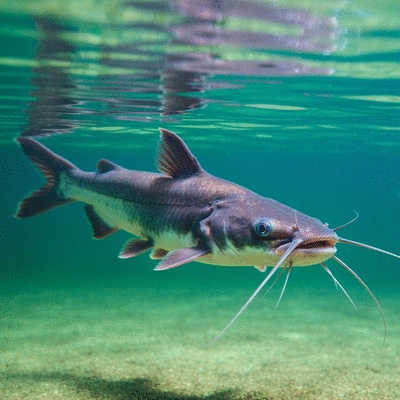
Broodstock selection refers to the process of choosing parent fish that will produce offspring in aquaculture. This practice is crucial because the genetic makeup of these broodstock will directly influence the health, growth, and disease resistance of the fish you raise. Selecting healthy, high-quality broodstock can lead to better survival rates and faster growth, which ultimately boosts your farm's productivity. To learn more about improving survival rates, consider reading our article on understanding common catfish diseases.
- Improves genetic quality of offspring
- Increases resistance to diseases
- Enhances overall growth performance
By understanding the significance of broodstock selection, you're better equipped to make informed decisions that lead to a thriving fish farming enterprise. Remember, investing time in this selection process pays off in the long run!
Key Criteria for Selecting Healthy African Catfish Broodstock
Now that we know the importance of broodstock selection, let’s explore the key criteria to consider when choosing your African catfish broodstock. The right selection can set the foundation for a successful breeding program.
Assessing Size, Maturity, and Health Indicators
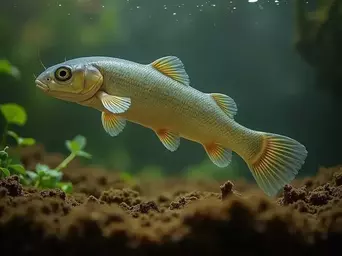
Start by evaluating the size and maturity of your fish. Healthy broodstock should be of adequate size, typically around 1.2 to 2.0 kg, and mature enough to breed, which is usually around 8-12 months old. Health indicators such as clear eyes, no signs of lesions, and active behavior are also essential. These factors help ensure that your broodstock is ready for breeding and capable of producing vigorous offspring.
Identifying Genetic Traits and Absence of Deformities
Next, it’s crucial to assess the genetic traits of your broodstock. Look for fish that exhibit desirable characteristics such as robust body shape, good coloration, and high fertility rates. Additionally, ensure there are no deformities, as these can be passed on to the next generation and negatively impact your farm's productivity.
Evaluating Genetic Diversity in Broodstock
Lastly, consider the genetic diversity of your broodstock. A diverse genetic pool reduces the risks of inbreeding, which can lead to weakened stocks and increased susceptibility to diseases. By selecting broodstock from different sources, you enhance the genetic variability, which is a key factor in breeding success. For additional information on enhancing genetic traits and ensuring robust offspring, refer to our comprehensive guide on optimizing catfish growth and yield.
In summary, taking time to understand these selection criteria is an investment in your catfish farming success. By focusing on size, health, genetics, and diversity, you’re setting the stage for a productive breeding program that can thrive in Africa's unique aquaculture landscape.
Frequently Asked Questions (FAQs)
What is broodstock selection in African catfish farming?
Broodstock selection is the process of choosing parent fish (broodstock) for breeding based on specific desirable traits to ensure healthy, fast-growing, and disease-resistant offspring. It's crucial for the long-term success and sustainability of a catfish farming operation.
What are the key criteria for selecting healthy African catfish broodstock?
Key criteria include: adequate size (1.2-2.0 kg), maturity (8-12 months old), positive health indicators (clear eyes, no lesions, active behavior), desirable genetic traits (robust body shape, good coloration, high fertility), and the absence of any physical deformities.
Why is genetic diversity important in broodstock selection?
Genetic diversity is vital because it reduces the risk of inbreeding, which can lead to weakened fish stocks, increased susceptibility to diseases, and reduced overall productivity. Selecting broodstock from diverse sources enhances genetic variability and resilience.
How do sustainable practices contribute to effective broodstock management?
Sustainable practices, such as efficient feeding strategies, using eco-friendly materials for tanks, and monitoring water quality, help minimize environmental impact, conserve resources, and ultimately improve the health and productivity of your fish while supporting long-term ecological balance.
What resources are available for continuing education in African catfish breeding?
Farmers can access resources such as online webinars, workshops, industry journals, online forums, and engage with local agricultural extension services. These resources provide valuable insights into best practices, new research findings, and opportunities for shared knowledge within the aquaculture community.
Pro Tip
To enhance your broodstock selection process, consider conducting genetic testing. This can provide valuable insights into the health and traits of your fish, ensuring that you choose the best candidates for breeding. By utilizing genetic information, you can make more informed decisions that lead to improved offspring quality and farm productivity.
Summary of Key Practices for Effective Broodstock Management
In our journey towards successful African catfish breeding, it's essential to reflect on the critical practices that ensure effective broodstock management. The foundation of a thriving breeding program lies in understanding and implementing proper selection techniques and maintaining healthy breeding environments. By following these key steps, you can significantly enhance your overall production outcomes.

Here’s a quick recap of the essential steps in broodstock selection and breeding:
- Identify healthy broodstock based on size, maturity, and health indicators.
- Assess genetic traits and ensure the absence of deformities.
- Maintain a diverse genetic pool to promote resilience.
- Create optimal conditions in your breeding environment, focusing on water quality and temperature.
By thoroughly understanding these practices, you set the stage for a successful catfish farming operation. It's crucial that every farmer puts these principles into action.
Encouraging Sustainable Practices in African Catfish Breeding
Sustainability in aquaculture is not just a buzzword; it's a necessity for the future of our industry. At African Catfish Farming, we believe that integrating sustainable practices into breeding programs enhances not only the health of your fish but also the well-being of our communities and ecosystems. It's about making choices that benefit us today and preserve resources for tomorrow.
- Implement efficient feeding strategies to reduce waste.
- Use eco-friendly materials in your broodstock tanks.
- Monitor and maintain water quality to minimize impact on local ecosystems.
- Educate yourself and your team about sustainable practices in aquaculture.
By adopting these sustainable practices, you not only improve your fish farming operation but also contribute positively to environmental conservation.
Taking Action: Your Next Steps in Broodstock Management
Resources for Continuing Education and Best Practices
As you move forward with your broodstock management journey, it's crucial to access resources that can deepen your understanding and enhance your skills. At African Catfish Farming, we provide a wealth of information that caters specifically to the needs of catfish producers across Africa. Consider exploring our guides and tutorials to stay updated with best practices in aquaculture. For more detailed insights, our in-depth guide to water quality management offers valuable information.
- Participate in online webinars and workshops hosted by aquaculture experts.
- Utilize online forums and communities for shared experiences and advice.
- Subscribe to industry journals for the latest research findings.
These resources can empower you with the knowledge necessary to navigate the challenges of catfish breeding effectively.
Engaging with the Community for Shared Knowledge
Connecting with fellow farmers and experts in the community can open doors to invaluable insights. Sharing knowledge and experiences leads to improved practices and fosters a supportive environment for everyone involved in the aquaculture industry. Discover how to effectively manage your farm's ecosystem by reading about catfish farm management strategies.
Training and Education Opportunities in Aquaculture
Consider investing time in training and education opportunities that are tailored to aquaculture. Here are some suggestions:
- Look for local workshops that focus on broodstock management techniques.
- Join farmers' cooperatives to collaborate on best practices.
- Engage with local agricultural extension services for personalized assistance.
By actively pursuing these opportunities, you not only enhance your own skills but also contribute to the collective growth and success of the African catfish farming community. Together, we can ensure a sustainable future for aquaculture!
Recap of Key Points
Here is a quick recap of the important points discussed in the article:
- Broodstock selection is vital for improving the genetic quality, disease resistance, and growth performance of African catfish.
- Key criteria for selecting healthy broodstock include assessing size, maturity, health indicators, genetic traits, and ensuring genetic diversity.
- Creating optimal breeding conditions and maintaining water quality are essential for successful catfish farming.
- Adopting sustainable practices and engaging with the community enhances both fish health and environmental conservation.


Yomi Adisa Lead Researcher
Yomi Adisa is the lead researcher at Fish Farming Business, where he studies what makes aquaculture ventures profitable across Africa. His research focuses on market patterns, buyer preferences, and the business decisions that determine success or failure in fish farming.