Troubleshooting African Catfish Breeding: Practical Solutions for Farmers
Posted on: 2025-11-11
By: Yomi Adisa
You've set up your breeding ponds, selected what appeared to be healthy broodstock, and followed the hormone injection procedures you learned from other farmers. Yet your female catfish refuse to spawn, or when they do, the eggs fail to hatch properly. In Ghana's thriving aquaculture regions, many farmers face these exact challenges, watching potential profits disappear with each failed breeding cycle.
This comprehensive guide provides you with systematic troubleshooting techniques to identify and resolve the most common African catfish breeding problems. You'll learn practical solutions for poor spawning response, low fertilisation rates, high fry mortality, and environmental management issues that plague hatchery operations.
Understanding these troubleshooting methods directly impacts your farm's profitability and sustainability. Successful breeding reduces your dependency on expensive fingerling purchases whilst creating additional income streams through fingerling sales. When you can consistently produce healthy fry, you gain control over your production cycles and reduce the risks associated with sourcing fingerlings from unreliable suppliers.
By the end of this article, you'll have a clear framework for diagnosing breeding problems, implementing corrective measures, and maintaining detailed records that help prevent future issues in your catfish breeding programme.
What You Will Learn
- Learn to identify and resolve poor spawning responses in female African catfish (Clarias gariepinus).
- Discover effective techniques for selecting high-quality broodstock to optimise breeding success.
- Master hormone injection protocols to ensure consistent ovulation and fertilisation rates.
- Understand critical environmental management practices that prevent mortality during incubation and fry development.
- Implement systematic record-keeping strategies to track breeding performance and improve future outcomes.
Understanding African Catfish Breeding Challenges
You might think that African catfish (Clarias gariepinus) breeding should be straightforward—after all, these fish are known for their hardiness and adaptability. However, successful breeding requires precise coordination of multiple biological and environmental factors that many farmers underestimate. When any single element goes wrong, your entire breeding cycle can fail, leaving you with dead eggs, deformed fry, or no spawning response at all.
The financial impact of breeding failures hits catfish farmers across Africa particularly hard. In Nigeria, purchasing 10,000 quality fingerlings can cost ₦150,000-250,000, whilst in Kenya, the same quantity might cost KES 50,000-80,000. When your breeding programme works consistently, you eliminate this major expense whilst creating additional income through fingerling sales to other farmers.
Understanding common breeding challenges helps you identify problems early, before they destroy entire batches. Most breeding failures follow predictable patterns, and once you recognise these warning signs, you can implement corrective measures that save both time and money.
Common Breeding Problems and Their Importance
You'll encounter four primary breeding challenges that account for 80% of catfish breeding failures across African farms. Poor spawning response affects 40-60% of first-time breeding attempts, where female catfish either refuse to release eggs after hormone injection or produce only small quantities of poor-quality eggs. This problem often stems from inadequate broodstock conditioning, incorrect hormone dosages, or environmental stress factors you may not have considered.
Low fertilisation rates represent another critical challenge, where eggs appear normal but fail to develop properly after mixing with milt. You might achieve only 20-30% fertilisation instead of the 70-85% rates that profitable operations require. This typically occurs when milt quality is poor, timing between egg stripping and fertilisation is delayed, or water temperature fluctuates during the critical fertilisation period. Understanding these challenges becomes crucial when you're ready to implement systematic record-keeping strategies that track breeding performance and improve future outcomes.
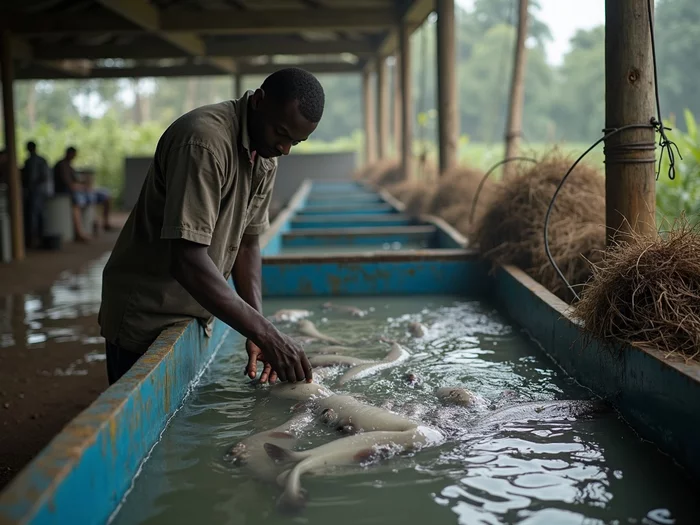
High fry mortality during the first 7-14 days after hatching devastates many breeding programmes. You may successfully hatch thousands of fry only to watch 60-80% die within two weeks from fungal infections, poor water quality, or inadequate nutrition. In Uganda's fish farming regions, many farmers report losing entire fry batches to sudden mortality events that could have been prevented with proper environmental management.
Deformed or weak fry development creates long-term problems even when mortality rates appear acceptable. You might notice fry with curved spines, underdeveloped swim bladders, or abnormal swimming behaviour that makes them unsuitable for sale or further production. These developmental issues usually trace back to water quality problems during incubation, inadequate calcium levels, or temperature fluctuations during critical development stages.
The cumulative financial impact of these problems compounds quickly across breeding cycles. A farmer in Ogun State calculated that breeding failures cost him ₦400,000 over six months—equivalent to purchasing fingerlings for two full production cycles. You cannot afford to treat breeding as trial-and-error when systematic approaches can eliminate most common problems and ensure consistent success rates above 70%.
Selecting Quality Broodstock
Your breeding success depends entirely on the quality of broodstock you select, yet many farmers underestimate how critical this foundation step truly is. Poor broodstock selection accounts for 30-40% of breeding failures across African catfish farms, creating problems that no amount of perfect technique can overcome later. When you start with substandard breeding fish, you're setting yourself up for disappointing spawning rates, weak fry, and reduced profitability that compounds across multiple breeding cycles.
Quality broodstock selection requires systematic evaluation of multiple factors including age, size, health status, and genetic background. You cannot rely on visual appearance alone—healthy-looking fish may carry genetic defects, have poor reproductive history, or lack the vigour needed for consistent breeding performance. In Ghana's commercial hatcheries, successful operators maintain detailed broodstock records and replace breeding fish every 2-3 years to maintain genetic diversity and reproductive performance.
The investment in quality broodstock pays dividends throughout your breeding programme. Superior broodfish produce higher fertilisation rates, stronger fry with better survival rates, and offspring that grow faster during production cycles. When you understand the specific criteria for broodstock selection and implement proper management practices, you create the foundation for consistent breeding success that transforms your farm's profitability.
Criteria for Broodstock Selection
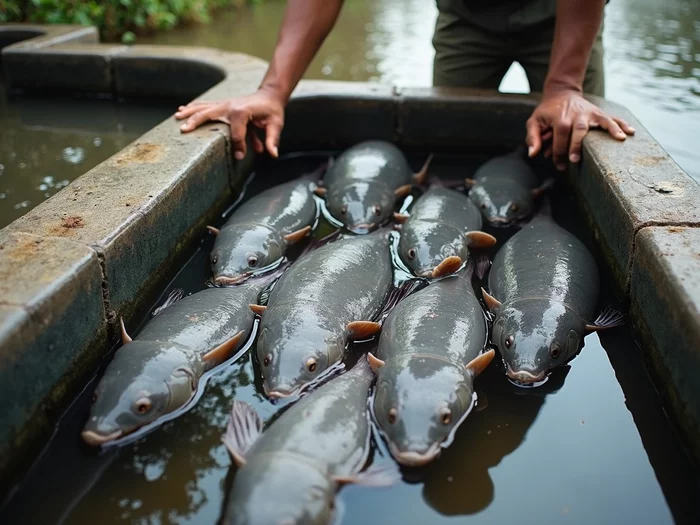
You need to select female broodstock that weigh between 1.5-3.0 kg and are 18-36 months old for optimal reproductive performance. Younger females produce fewer eggs with lower fertilisation rates, whilst older females often show declining egg quality and spawning response. Your female catfish should display a well-rounded, soft abdomen that indicates proper gonad development, and when you gently press the belly area, it should feel firm but yielding rather than hard or mushy.
Male broodstock require different specifications—you want males weighing 1.0-2.5 kg that are 12-24 months old with well-developed genital papilla. The male's papilla should be pointed and prominent, extending beyond the anal fin when the fish is sexually mature. You can test milt quality by gently pressing the abdomen; good males produce thick, creamy milt that moves actively under microscopic examination, whilst poor males produce thin, watery milt with limited sperm motility.
Physical health indicators help you identify superior broodstock before problems develop. You want fish with bright, clear eyes, intact fins without tears or rot, and smooth skin free from lesions, parasites, or unusual growths. The gills should appear bright red without pale patches or excessive mucus production. In Nigeria's Ogun State hatcheries, experienced farmers reject any broodstock showing signs of stress, disease, or physical deformities, even if the fish appear to recover after treatment.
Genetic diversity becomes crucial when you're building a sustainable breeding programme. You should source broodstock from at least 3-4 different suppliers or farms to avoid inbreeding depression that reduces fry quality and survival rates. Keep detailed records of each broodfish's origin, and avoid breeding closely related fish together. Farmers in Kenya's Kiambu region maintain breeding groups with fish from different genetic lines, rotating breeding combinations to maintain hybrid vigour in their fry production.
Record Keeping for Broodstock Management
You must maintain detailed records for each broodfish to track performance, identify superior breeding lines, and plan replacement schedules effectively. Your broodstock records should include acquisition date, source location, initial weight and measurements, spawning history with dates and egg quantities, fertilisation rates achieved, and any health issues or treatments administered. Without these records, you're operating blind and cannot identify which fish consistently produce the best results.
Spawning performance records help you identify your most productive broodstock and plan breeding schedules accordingly. You should track the number of eggs produced per spawning event, fertilisation percentages achieved, hatch rates, and fry survival to 14 days post-hatching. Superior female catfish typically produce 50,000-100,000 eggs per kilogram of body weight, with fertilisation rates above 75% when paired with quality males. Document water temperature, hormone dosages used, and environmental conditions during each spawning to identify optimal breeding protocols.
Health monitoring records prevent disease outbreaks and help you maintain broodstock condition throughout their productive life. You should record monthly weight measurements, visual health assessments, any signs of stress or disease, treatments administered with dosages and outcomes, and feeding responses. In Uganda's commercial hatcheries, farmers who maintain comprehensive health records report 40-50% fewer breeding failures compared to those who rely on memory or informal notes.
Replacement planning ensures continuous breeding capacity without disrupting production schedules. Your records should indicate each broodfish's age, total number of spawning events, declining performance indicators, and planned replacement dates. Most African catfish maintain peak breeding performance for 2-3 years before showing reduced egg quality or spawning response. Plan to replace 25-30% of your broodstock annually, introducing new fish during off-peak breeding periods to allow proper conditioning before their first spawning cycle.
Hormone-Induced Spawning Techniques
You cannot rely on natural spawning for consistent catfish breeding success—African catfish in captivity rarely spawn without hormonal intervention due to the absence of natural environmental triggers like seasonal flooding. Hormone-induced spawning gives you complete control over breeding timing, allowing you to plan production cycles, coordinate labour requirements, and maximise facility utilisation throughout the year. Without proper hormonal treatment, even the highest quality broodstock will fail to produce viable eggs consistently.
The science behind hormone-induced spawning involves mimicking the natural hormonal cascade that triggers ovulation and spermiation in wild catfish. You're essentially replacing environmental cues with synthetic hormones that stimulate the fish's reproductive system to complete the final maturation process. This technique has revolutionised catfish breeding across Africa, enabling farmers in Nigeria, Kenya, and Ghana to achieve spawning success rates above 80% when protocols are followed correctly.
Understanding proper hormone selection, dosage calculations, and injection techniques directly impacts your breeding programme's profitability. Incorrect hormone use wastes expensive broodstock, delays production schedules, and can permanently damage breeding fish through overdosing or repeated failed attempts. When you master these techniques, you gain the ability to spawn catfish on demand, creating predictable income streams and reducing dependency on external fingerling suppliers.
Understanding Hormonal Treatments
You have three primary hormone options for inducing catfish spawning: synthetic LHRHa (Luteinising Hormone Releasing Hormone analogue), Ovaprim, and HCG (Human Chorionic Gonadotropin). LHRHa represents the most reliable choice for African catfish, providing consistent results with minimal side effects when used at proper dosages. This synthetic hormone directly stimulates the fish's pituitary gland to release natural spawning hormones, creating a more controlled and predictable response than other alternatives.
Ovaprim combines LHRHa with domperidone, a dopamine antagonist that enhances hormone effectiveness whilst reducing stress responses in treated fish. You'll find Ovaprim particularly useful for first-time spawning females or fish showing poor response to previous hormone treatments. The domperidone component helps overcome natural inhibitory factors that can block spawning responses, making it an excellent choice for challenging breeding situations or when working with imported broodstock that may be stressed.
HCG offers a more affordable alternative but requires careful timing and often produces less predictable results than synthetic alternatives. You should reserve HCG for situations where cost constraints make other hormones impractical, understanding that success rates may be 10-20% lower than with LHRHa-based products. In Uganda's smallholder farming operations, some farmers successfully use HCG for routine spawning whilst keeping Ovaprim for problem cases or valuable broodstock.
Storage and handling requirements vary significantly between hormone types, affecting your operational planning and costs. LHRHa and Ovaprim require refrigerated storage at 2-8°C and have shelf lives of 12-24 months when properly stored. You must protect these hormones from light and temperature fluctuations that can reduce potency. HCG typically comes as a powder requiring reconstitution with sterile water immediately before use, and you must use the entire vial within 24 hours of mixing to maintain effectiveness.
Step-by-Step Hormone Injection Process
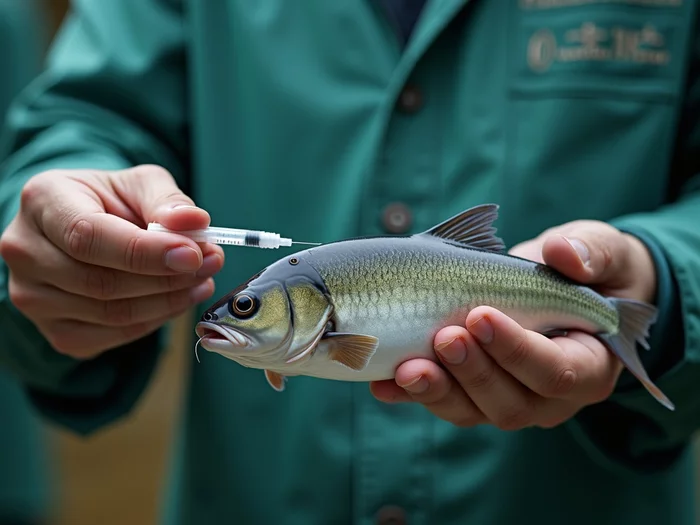
You must calculate precise hormone dosages based on fish weight and reproductive condition before beginning injection procedures. For LHRHa, use 0.5-1.0 ml per kilogram of female body weight, with higher dosages reserved for first-time spawners or fish showing poor conditioning. Male catfish require lower dosages of 0.3-0.5 ml per kilogram since they typically respond more readily to hormonal stimulation. Weigh each fish accurately using a reliable scale, as underdosing leads to poor spawning response whilst overdosing can cause stress, delayed spawning, or permanent reproductive damage.
Prepare your injection site and equipment before handling broodstock to minimise stress and ensure sterile procedures. You need sterile syringes (preferably 2-5 ml capacity), 21-23 gauge needles, hormone solution at room temperature, clean towels for handling fish, and a suitable restraint system or assistant to hold fish securely. Clean the injection site with antiseptic solution and ensure your hands are clean to prevent introducing bacteria that could cause injection site infections.
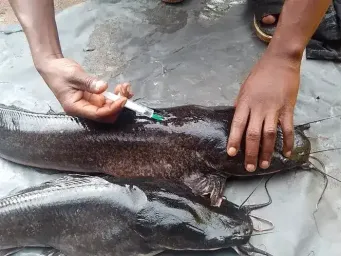
Inject hormones intramuscularly just behind the dorsal fin, angling the needle slightly toward the fish's head at a 45-degree angle. Insert the needle 1-2 cm deep into the muscle mass, aspirate slightly to ensure you haven't hit a blood vessel, then inject the hormone solution slowly and steadily. Withdraw the needle quickly and apply gentle pressure to the injection site for 10-15 seconds to prevent hormone leakage. Return treated fish to holding tanks immediately and monitor for signs of stress or adverse reactions.
Monitor fish response carefully during the 8-12 hour period following injection, watching for behavioural changes that indicate successful hormonal stimulation. Females typically show increased activity, restlessness, and may display darkened colouration as ovulation approaches. Males often exhibit increased interest in females and may produce milt when gently pressed. In Kenya's commercial hatcheries, experienced farmers check treated fish every 2-3 hours, noting response patterns that help predict optimal stripping times for maximum egg quality and fertilisation success.
Egg Stripping and Fertilization Process
You reach the most critical phase of catfish breeding when eggs are ready for stripping—timing this process correctly determines whether you achieve 80% fertilisation rates or watch thousands of eggs fail to develop properly. Egg stripping requires precise technique, proper equipment, and careful coordination between egg collection and milt preparation to maximise fertilisation success. Many farmers lose entire spawning attempts during this phase due to delayed timing, contaminated equipment, or poor handling techniques that damage delicate eggs.
The fertilisation process happens rapidly once eggs contact milt, giving you only 2-3 minutes to complete mixing and water activation before fertilisation potential drops dramatically. You cannot afford mistakes during this brief window—contaminated water, incorrect pH levels, or delayed mixing can destroy hours of preparation and expensive hormone treatments. Understanding proper egg stripping techniques and fertilisation protocols ensures you capture the maximum value from each spawning event.
Successful egg stripping and fertilisation requires systematic preparation, precise timing, and attention to environmental details that many farmers overlook. When you master these techniques, you consistently achieve fertilisation rates above 75%, producing thousands of viable fry from each spawning female. This expertise directly translates to increased profitability and reduced dependency on external fingerling sources for your production cycles.
Techniques for Egg Stripping
You must determine optimal stripping time by monitoring female behaviour and physical indicators 8-12 hours after hormone injection. Ready females show increased restlessness, darkened body colouration, and a soft, swollen abdomen that yields to gentle pressure. Test readiness by applying light pressure to the abdomen—if eggs flow easily with minimal pressure, the female is ready for stripping. Premature stripping yields immature eggs with poor fertilisation potential, whilst delayed stripping results in overripe eggs that may have already begun deteriorating.
Prepare your stripping equipment and workspace before handling breeding fish to minimise stress and ensure smooth, efficient procedures. You need clean, dry bowls for egg collection (preferably stainless steel or food-grade plastic), clean towels for handling fish, a reliable scale for weighing eggs, and a calm, well-lit workspace away from disturbances. Rinse all equipment with clean water and allow to air dry—soap residues or chemical contaminants can kill eggs instantly upon contact.
Restrain the female fish gently but securely, supporting her body weight whilst allowing access to the abdomen for egg expression. You can work alone with smaller fish (under 2 kg) or require an assistant for larger females to prevent injury to both fish and handler. Position the fish head-down at a slight angle, allowing gravity to assist egg flow whilst preventing eggs from flowing back into the body cavity. Apply steady, gentle pressure starting from the anterior portion of the abdomen, working gradually toward the genital opening.
Strip eggs using smooth, continuous pressure rather than intermittent squeezing that can damage internal organs or cause egg retention. Good quality eggs flow freely with light pressure and appear uniform in size, colour, and consistency. You should collect 50,000-100,000 eggs per kilogram of female body weight from properly conditioned broodstock. Discard any eggs that appear discoloured, clumped together, or mixed with blood or mucus, as these indicate poor egg quality or internal injury that can contaminate healthy eggs.
Fertilization Process
You must collect fresh milt from male catfish immediately before fertilisation to ensure maximum sperm viability and motility. Gently press the male's abdomen to express milt, collecting the thick, creamy secretion in a clean, dry container. Quality milt appears white to slightly yellow, moves actively when examined under magnification, and maintains consistency without becoming watery or clumped. Poor quality milt appears thin, discoloured, or contains blood, indicating health problems or improper male conditioning.
Mix eggs and milt using the dry fertilisation method, which produces higher fertilisation rates than wet methods for African catfish. Add milt directly to stripped eggs without water, using approximately 0.5-1.0 ml of milt per 10,000 eggs depending on milt quality and concentration. Mix gently but thoroughly using clean hands or a soft feather, ensuring all eggs contact milt without crushing delicate egg membranes. This mixing process should take 30-60 seconds, allowing sperm to penetrate egg membranes before water activation begins.
Activate fertilisation by adding clean water at the correct temperature and pH to trigger sperm motility and egg membrane changes. Use water at 26-28°C with pH 6.5-7.5 and low mineral content to optimise fertilisation success. Add water gradually whilst continuing gentle mixing, allowing eggs to absorb water and begin the fertilisation process. You have approximately 2-3 minutes from initial water contact to complete mixing before sperm lose motility and fertilisation potential drops significantly.
Remove excess milt and debris by rinsing fertilised eggs with clean water after the initial 5-10 minute activation period. Use gentle water flow to wash away milt residues, unfertilised eggs, and any contaminating materials without disturbing developing embryos. Transfer cleaned eggs to incubation systems within 30 minutes of fertilisation, maintaining water temperature and quality parameters throughout the transfer process. In Nigeria's commercial hatcheries, farmers achieve 75-85% fertilisation rates using these systematic procedures, compared to 40-60% rates with informal methods.
Incubation and Hatching Management
You enter the most delicate phase of catfish breeding once fertilised eggs begin incubation—environmental conditions during the next 24-36 hours determine whether you achieve high hatch rates or watch embryos die from preventable causes. Incubation management requires precise control of water temperature, oxygen levels, and calcium hardness whilst monitoring egg development stages to identify problems before they destroy entire batches. Small deviations in environmental parameters can reduce hatch rates from 80% to less than 30%, devastating your breeding programme's profitability.
Proper incubation systems provide controlled environments that optimise embryo development whilst protecting eggs from fungal infections, temperature fluctuations, and water quality problems. You cannot rely on simple containers or improvised systems for consistent results—successful incubation requires purpose-built equipment with reliable water circulation, temperature control, and monitoring capabilities. Investment in proper incubation infrastructure pays for itself through improved hatch rates and reduced fry mortality during critical early development stages.
Understanding egg development stages and environmental requirements helps you identify problems early and implement corrective measures before losses become catastrophic. When you master incubation management, you consistently achieve hatch rates above 75%, producing thousands of healthy fry from each spawning event. This expertise becomes particularly valuable during peak breeding seasons when multiple spawning events require simultaneous management across different incubation systems.
Setting Up Incubation Systems
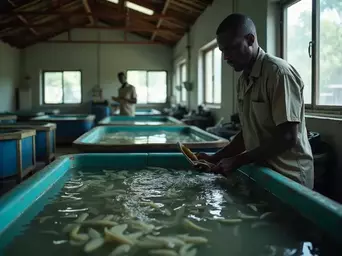
You need purpose-built incubation systems that provide gentle water circulation, precise temperature control, and easy monitoring access for optimal egg development. Funnel-shaped incubators work best for African catfish eggs, allowing gentle upward water flow that keeps eggs suspended and prevents settling that can cause fungal problems. Your incubator should hold 50,000-100,000 eggs comfortably with water flow rates of 2-4 litres per minute that create gentle circulation without damaging delicate embryos.
Water quality parameters require strict control throughout the incubation period to ensure proper embryo development and prevent mortality. Maintain water temperature at 26-28°C with variations less than ±1°C, as temperature fluctuations can cause developmental abnormalities or delayed hatching. Dissolved oxygen levels must stay above 6 mg/L through continuous aeration or water circulation, whilst pH should remain between 6.5-7.5 for optimal enzyme function during embryo development.
Calcium hardness becomes critical during egg incubation, as developing embryos require adequate calcium for proper skeletal development and eggshell dissolution during hatching. You should maintain calcium hardness between 50-100 mg/L CaCO₃, adding calcium chloride or limestone if your water source lacks sufficient minerals. In Ghana's soft water regions, farmers routinely supplement incubation water with calcium to prevent developmental deformities and improve hatch rates by 15-20%.
Monitoring Hatch Rates
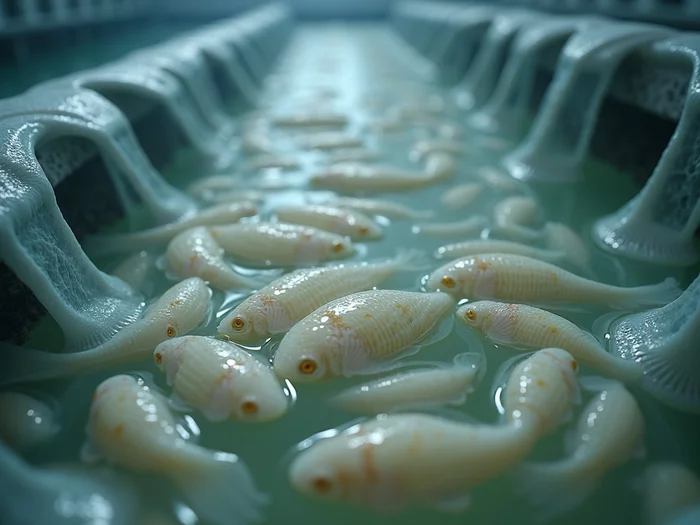
You must track egg development stages systematically to identify problems early and predict hatching times accurately. Fertilised African catfish eggs show visible cell division within 2-4 hours at optimal temperatures, progressing through recognisable developmental stages that indicate healthy embryo growth. Monitor eggs every 6-8 hours using magnification to observe cell division, embryo formation, and eye development that occurs 18-20 hours after fertilisation. Dead or unfertilised eggs appear opaque, develop fungal growth, or show no cellular activity during these observations.
Remove dead eggs promptly to prevent fungal contamination that can spread rapidly through incubation systems and kill healthy embryos. Dead eggs appear white or opaque compared to the translucent appearance of developing embryos, and often develop cotton-like fungal growth within 12-24 hours. Use fine forceps or pipettes to remove dead eggs carefully without disturbing healthy ones, performing this cleaning process 2-3 times daily during the incubation period.
Calculate hatch rates by counting total eggs incubated versus number of fry produced, tracking this data for each spawning event to identify trends and improvement opportunities. Good quality eggs from properly conditioned broodstock should achieve hatch rates of 70-85% under optimal conditions. Lower hatch rates indicate problems with broodstock condition, hormone treatment, fertilisation technique, or incubation management that require investigation and correction.
Prepare for hatching by monitoring embryo development and adjusting incubation conditions as hatching approaches. Embryos typically hatch 24-36 hours after fertilisation at 27-28°C, with cooler temperatures extending development time proportionally. Increase water circulation slightly during hatching to help fry escape egg membranes and prevent accumulation of hatching debris. In Kenya's commercial hatcheries, experienced farmers begin preparing fry rearing systems 12-18 hours before expected hatching to ensure smooth transitions from incubation to fry management phases.
Fry Management After Hatching
You face the highest mortality risk period once catfish fry hatch—the first 14 days determine whether you achieve profitable survival rates or watch thousands of fry die from preventable causes. Newly hatched fry depend entirely on their yolk sacs for nutrition during the first 3-4 days, making them extremely vulnerable to water quality problems, temperature fluctuations, and handling stress. During this critical period, even minor environmental disturbances can trigger mass mortality events that destroy entire hatches within hours.
Successful fry management requires understanding the rapid physiological changes occurring during early development, from yolk sac absorption through first feeding and swim bladder inflation. You must provide optimal environmental conditions whilst avoiding overfeeding, overcrowding, and disease outbreaks that commonly devastate fry populations. The transition from passive yolk sac nutrition to active feeding represents a particularly vulnerable period when many farmers lose 50-70% of their fry through improper management.
Mastering fry management techniques directly impacts your breeding programme's profitability and sustainability. When you consistently achieve fry survival rates above 70% through the first month, you produce sufficient fingerlings to stock your own ponds whilst creating surplus for sale to other farmers. This expertise becomes increasingly valuable as fingerling demand grows across Africa's expanding aquaculture sector, creating reliable income streams that justify breeding programme investments.
Initial Care for Fry
You must transfer newly hatched fry to prepared rearing systems within 6-12 hours of hatching to prevent overcrowding and maintain optimal water quality. Fry rearing tanks should provide 10-20 litres of water per 1,000 fry with gentle aeration that creates surface movement without creating strong currents that exhaust weak swimmers. Water temperature must remain stable at 27-29°C during the first week, as temperature fluctuations greater than ±2°C can trigger mass mortality or developmental abnormalities in vulnerable fry.
Maintain pristine water quality through frequent partial water changes and careful waste management during the critical first week. You should change 20-30% of tank water daily using aged, temperature-matched water to remove metabolic wastes and maintain dissolved oxygen above 6 mg/L. Avoid disturbing fry during water changes by using gentle siphoning techniques and adding new water slowly to prevent temperature shock or physical damage to delicate fry.
Monitor fry behaviour continuously during the first 72 hours to identify problems before they become catastrophic. Healthy fry initially remain motionless on tank bottoms, gradually becoming more active as yolk sacs absorb and swim bladders inflate. You should observe normal swimming behaviour by day 4-5, with fry moving actively throughout the water column and responding to light and feeding stimuli. Abnormal behaviours like spiral swimming, bottom-sitting beyond day 5, or surface gasping indicate serious problems requiring immediate intervention.
Begin feeding preparations during the yolk sac absorption period to ensure smooth transition to external nutrition. You need live feeds like newly hatched Artemia nauplii, micro-worms, or finely powdered artificial feeds specifically formulated for catfish fry. Prepare feeding cultures 3-4 days before expected first feeding to ensure adequate live food availability. In Nigeria's commercial hatcheries, farmers maintain continuous Artemia hatching systems to provide fresh nauplii for multiple fry batches throughout breeding seasons.
Common Fry Health Issues
You'll encounter swim bladder disorders in 10-30% of fry when environmental conditions aren't properly controlled during the critical inflation period 3-5 days after hatching. Affected fry cannot maintain proper buoyancy, either sinking to tank bottoms or floating uncontrollably at the surface, making feeding impossible and leading to starvation. This condition typically results from temperature fluctuations, inadequate dissolved oxygen, or bacterial infections during the swim bladder development phase. Prevention requires maintaining stable water temperature at 28-29°C and dissolved oxygen above 7 mg/L during days 3-7 post-hatching.
Fungal infections represent another major threat, particularly when dead fry aren't removed promptly or water quality deteriorates. You'll notice cotton-like growth on affected fry, starting typically around the mouth or fins before spreading rapidly throughout the body. Saprolegnia and other water moulds thrive in poor water conditions and can spread through entire fry populations within 24-48 hours. Prevent fungal problems through daily removal of dead fry, maintaining excellent water quality, and avoiding overcrowding that creates stress and injury sites where fungi can establish.
Bacterial infections often manifest as red streaks in fins, cloudy eyes, or generalised lethargy in fry populations. These infections typically result from poor water quality, overcrowding, or contaminated food sources that introduce pathogenic bacteria. You may notice affected fry gathering at water surfaces, showing reduced feeding response, or developing pale colouration before mortality begins. Treatment requires immediate water quality improvement, reduced feeding rates, and potentially antibiotic treatment under veterinary guidance for valuable breeding stocks.
Nutritional deficiencies become apparent when fry show poor growth rates, skeletal deformities, or abnormal swimming behaviour despite adequate feeding. Vitamin C deficiency causes spinal curvature and poor wound healing, whilst inadequate protein levels result in stunted growth and increased mortality. You must provide balanced nutrition through high-quality live feeds or specially formulated fry diets containing 45-50% protein and essential vitamins. In Uganda's fry production facilities, farmers supplement Artemia with vitamin-enriched feeds to prevent nutritional disorders and improve fry quality for sale to grow-out farmers.
Post-Hatching Growth Management
You must implement systematic feeding programmes that match fry developmental stages and growth requirements to achieve optimal survival and growth rates. Begin feeding 4-5 days after hatching when yolk sacs are nearly absorbed and fry show active swimming behaviour. Start with newly hatched Artemia nauplii fed 4-6 times daily, providing enough food that fry can consume within 30 minutes without creating water quality problems. Gradually increase feeding frequency and quantity as fry grow, monitoring consumption rates and adjusting portions accordingly.
Transition fry to artificial feeds gradually over 7-10 days once they reach 10-15 mm length and show strong feeding responses. Mix live feeds with finely powdered artificial diets initially, gradually reducing live food proportions whilst increasing artificial feed components. Quality fry feeds should contain 45-50% protein, essential amino acids, vitamins, and minerals required for rapid growth and proper development. You should achieve fry growth rates of 1-2 mm per week under optimal feeding and environmental conditions.
Manage stocking densities carefully as fry grow to prevent overcrowding that reduces growth rates and increases disease susceptibility. Start with 10-15 fry per litre during the first week, reducing to 5-8 fry per litre by week 3-4 as fish size increases. Monitor fry behaviour for signs of overcrowding like reduced feeding activity, increased aggression, or poor growth rates that indicate need for density reduction or tank expansion.
Prepare for fingerling transition by gradually adjusting environmental conditions and feeding programmes to match grow-out requirements. Begin reducing water temperature gradually from 28-29°C to 26-27°C over several days, whilst introducing larger feed particles that prepare fry for standard fingerling diets. You should achieve fingerling size (25-30 mm) within 4-6 weeks under optimal management, producing fish ready for sale or transfer to grow-out systems. In Ghana's fingerling production centres, farmers achieve 70-80% survival rates from hatching to fingerling stage using these systematic management approaches, creating profitable enterprises that supply growing aquaculture markets.
Environmental Management for Breeding Success
You cannot achieve consistent breeding success without mastering environmental management—water quality problems account for 40-60% of breeding failures across African catfish farms. Environmental factors affect every stage of the breeding process, from broodstock conditioning and hormone response through egg development, hatching, and fry survival. Small deviations in water temperature, pH, or dissolved oxygen can trigger cascading failures that destroy weeks of preparation and expensive hormone treatments within hours.
Effective environmental management requires understanding the complex interactions between water chemistry, temperature, and biological processes that drive successful reproduction. You must monitor multiple parameters simultaneously whilst maintaining backup systems and emergency protocols for equipment failures or sudden environmental changes. The investment in proper monitoring equipment and environmental control systems pays for itself through improved breeding success rates and reduced mortality throughout the production cycle.
Creating optimal breeding environments becomes particularly challenging in Africa's variable climate conditions, where seasonal temperature fluctuations, irregular power supply, and water quality variations can disrupt carefully planned breeding programmes. When you master environmental management techniques, you gain the ability to breed catfish consistently regardless of external conditions, creating reliable production schedules that support profitable aquaculture operations year-round.
Water Quality Management
You must maintain dissolved oxygen levels above 6 mg/L throughout all breeding phases, with levels above 7 mg/L during critical periods like egg incubation and early fry development. Install reliable aeration systems with backup power sources, as oxygen depletion can kill eggs or fry within 2-4 hours during warm weather or high stocking densities. Monitor oxygen levels at dawn when natural levels reach daily minimums, and increase aeration capacity during hot seasons when oxygen solubility decreases significantly.
Temperature control requires precision during breeding operations, with optimal ranges varying by production stage. Maintain broodstock conditioning temperatures at 26-28°C, egg incubation at 27-28°C, and fry rearing at 28-29°C for optimal results. Temperature fluctuations greater than ±2°C can disrupt hormone responses, delay egg development, or trigger fry mortality events. You need reliable heating systems for cooler periods and cooling strategies for extreme heat, particularly in regions like northern Nigeria where seasonal temperature variations exceed 15°C.
pH management becomes critical during breeding operations, as African catfish eggs and fry are particularly sensitive to pH fluctuations outside the 6.5-7.5 range. Monitor pH daily using reliable test kits, and maintain buffering capacity through proper alkalinity management. You may need to adjust pH using agricultural lime to raise levels or organic acids to lower them, making changes gradually over 24-48 hours to avoid shocking breeding fish or developing embryos.
Ammonia and nitrite levels must remain below 0.5 mg/L and 0.1 mg/L respectively during breeding operations, as these toxic compounds can kill eggs and fry at concentrations that adult fish tolerate easily. Implement biological filtration systems or frequent water changes to maintain these parameters, particularly during intensive fry rearing when feeding rates are high. In Kenya's commercial hatcheries, farmers test ammonia levels twice daily during peak breeding seasons, adjusting feeding rates and water change schedules to prevent toxic accumulations that can destroy entire fry batches.
Summary Table
| Key Points | Details |
|---|---|
| Optimal Broodstock Selection | Select females weighing 1.5-3.0 kg (18-36 months old) and males weighing 1.0-2.5 kg (12-24 months old). |
| Hormone Dosage for Spawning | Use 0.5-1.0 ml of LHRHa per kg of female body weight; males need 0.3-0.5 ml per kg. |
| Fertilisation Rates | Aim for 70-85% fertilisation rates; 20-30% is too low. |
| Hatch Rate Targets | Achieve hatch rates above 75% by maintaining water temperature at 26-28°C and pH between 6.5-7.5. |
| Initial Fry Care | Provide 10-20 litres of water per 1,000 fry; maintain stable temperature at 27-29°C. |
| Water Quality Management | Keep dissolved oxygen above 6 mg/L; maintain ammonia below 0.5 mg/L and nitrite below 0.1 mg/L. |
| Record Keeping | Track spawning history, fertilisation rates, and health monitoring to inform breeding decisions. |
| Disease Control | Implement biosecurity measures and monitor for signs of disease to prevent outbreaks. |
Conclusion
You now possess the systematic troubleshooting framework needed to diagnose and resolve the most common African catfish breeding problems. From selecting quality broodstock and calculating proper hormone dosages to managing egg incubation and fry development, these techniques give you control over your breeding programme's success. Remember that consistent record-keeping and environmental monitoring prevent most problems before they occur.
Implementing these troubleshooting methods takes practice, but you have the technical foundation to achieve breeding success rates above 70%. Start with one or two techniques that address your most pressing challenges, then gradually expand your skills as confidence builds. Each successful breeding cycle teaches you more about your specific conditions and fish responses.
With reliable breeding capabilities established, you can focus on expanding your fingerling production or improving grow-out efficiency. Consider developing relationships with other farmers who need quality fingerlings—your breeding expertise creates valuable income opportunities beyond your own production needs.
Frequently Asked Questions
How often should I replace my African catfish broodstock?
Most African catfish maintain peak breeding performance for 2-3 years. You should plan to replace 25-30% of your broodstock annually to ensure continuous breeding capacity and maintain genetic diversity, ideally introducing new fish during off-peak breeding periods.
What types of hormones are best for inducing spawning in African catfish?
Synthetic LHRHa is generally the most reliable choice for consistent results. Ovaprim, which combines LHRHa with a dopamine antagonist, is excellent for first-time spawners or stressed fish. HCG is a more affordable alternative but may yield less predictable results.
What happens if I strip eggs too early or too late?
Premature stripping yields immature eggs with poor fertilisation potential. Delayed stripping results in overripe eggs that may have already begun deteriorating, significantly reducing your hatch rates and overall breeding success.
How can I prevent swim bladder disorders in my African catfish fry?
Swim bladder disorders typically result from temperature fluctuations, inadequate dissolved oxygen, or bacterial infections during the critical inflation period (3-5 days post-hatching). Maintain stable water temperature at 28-29°C and dissolved oxygen above 7 mg/L during this phase to prevent issues.
What are the critical water quality parameters for successful African catfish breeding?
You must maintain dissolved oxygen above 6 mg/L, water temperature within specific ranges for each stage (e.g., 27-28°C for incubation), and pH between 6.5-7.5. Ammonia and nitrite levels should remain below 0.5 mg/L and 0.1 mg/L respectively to prevent toxicity.


Yomi Adisa Lead Researcher
Yomi Adisa is the lead researcher at Fish Farming Business, where he studies what makes aquaculture ventures profitable across Africa. His research focuses on market patterns, buyer preferences, and the business decisions that determine success or failure in fish farming.