Hormonal Induction
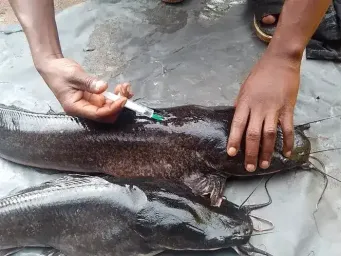
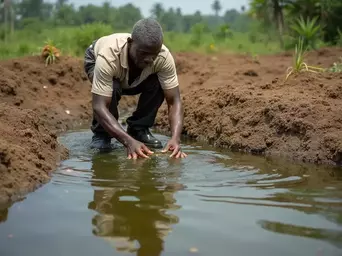
Stimulate spawning with precise injections.
Posted on: 2025-09-29
By: Yomi Adisa
Are you ready to dive into the world of aquaculture? Understanding the fundamentals of African catfish propagation can transform your farming experience and help you meet the growing demand for sustainable fish production.
Successful African Catfish farming relies on a structured propagation cycle and adherence to best practices, as outlined below. For more insights into optimizing your fish farm, consider exploring our guide on Optimizing Fish Farm Profitability.
Stimulate spawning with precise injections.
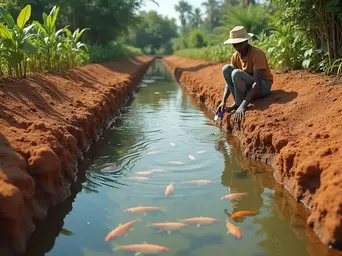
Collect and fertilize eggs carefully to maximize yield.
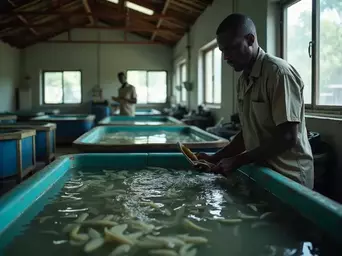
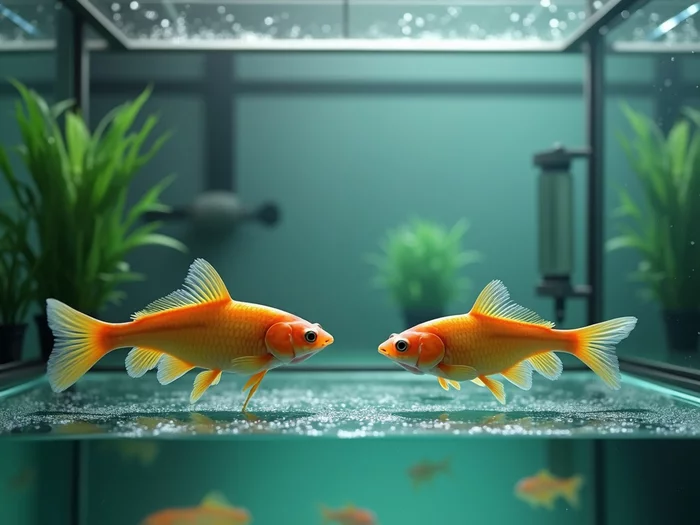
Maintain optimal water temperature and quality for healthy hatching.
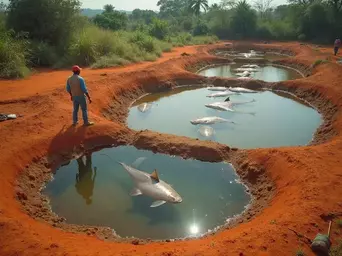
Focus on feeding and rearing for strong fingerling growth.
At African Catfish Farming, we believe that a solid understanding of the basics of catfish propagation is essential for anyone looking to succeed in this field. One of the most vital aspects of aquaculture is artificial propagation, particularly for small-scale hatcheries. This method not only enhances production but also ensures that farmers can meet market demands while maintaining sustainable practices.
Artificial propagation allows us to control breeding conditions, which is crucial in maximizing hatch rates and ensuring that the offspring are healthy and viable. This approach is especially beneficial for small-scale farmers who may face challenges with natural breeding methods due to environmental factors.
Artificial propagation is indispensable for small-scale hatcheries for several reasons:
Moreover, with artificial propagation techniques, hatcheries can produce quality fingerlings that grow faster and are more resilient to diseases. This means better returns on investment for farmers! Learn more about efficient hatchery management in our detailed guide on Hatchery Management Techniques.
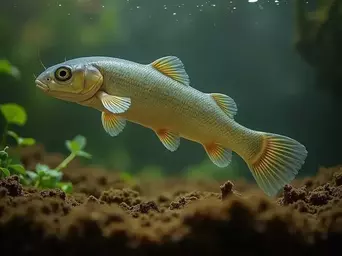
The African catfish, scientifically known as Clarias gariepinus, is a species renowned for its rapid growth and adaptability to various environmental conditions. It plays an essential role in African aquaculture, being a popular source of protein for many communities across the continent.
This species is not only valuable for its meat but also contributes significantly to the livelihoods of many farmers. By focusing on effective propagation methods, we can enhance production and meet the growing demand for catfish in local and regional markets. For additional resources on optimizing catfish growth, visit our Catfish Growth Optimization page.
Aquaculture, particularly catfish farming, plays a crucial role in enhancing food security in Africa. As populations grow, the demand for affordable protein sources like fish continues to rise. Here's why aquaculture is vital:
By adopting sustainable aquaculture practices, we can ensure that our fish farms are not only profitable but also contribute positively to the environment and society. Together, let's push the boundaries of what is possible in our catfish farming endeavors!
As you embark on your catfish farming journey, we want to know: What challenges do you face in artificial propagation? Share your thoughts below, and let’s foster a community of support and learning!
As we wrap up our discussion on the artificial propagation of African catfish, it's vital to highlight the best practices that can lead to successful outcomes in your hatchery operations. This knowledge will not only empower you as a fish farmer but also help you maximize your production efficiency. Here are some essential takeaways:
By integrating these practices into your routine at African Catfish Farming, you can enhance your hatchery productivity and contribute to the sustainable development of aquaculture in the region. For additional insights on maintaining healthy fish, explore our article on Fish Health Management Strategies. Remember, successful propagation is not just about following steps; it’s about understanding the needs of your fish and responding effectively!
To further support your journey in fish farming, it's essential to hone in on specific best practices. Here are some more detailed strategies to guide you:
Each of these practices can significantly enhance your hatchery's success rate. Make it a habit to stay informed and adapt best practices that suit your unique circumstances at African Catfish Farming!
To help you implement the techniques we've discussed, visual aids can be incredibly beneficial. Consider utilizing:
Accessing these resources will not only solidify your understanding but also provide a visual reference for your operations!
Building a strong support network is crucial for your growth as a fish farmer. I encourage you to:
These connections will provide you with valuable information and support as you navigate the challenges of fish farming. Discover more expert tips on our Expert Tips for Catfish Farming blog.
Lastly, consider enrolling in specialized training programs tailored for aspiring fish farmers. Here are some options:
These resources will not only enhance your skills but also empower you to make informed decisions, leading to a thriving catfish farm! Remember, I am here to help you every step of the way at African Catfish Farming. For more in-depth guidance on starting your farm, check out our comprehensive guide on Guide to Starting a Fish Farm.
Here is a quick recap of the important points discussed in the article:
Yomi Adisa Lead Researcher
Yomi Adisa is the lead researcher at Fish Farming Business, where he studies what makes aquaculture ventures profitable across Africa. His research focuses on market patterns, buyer preferences, and the business decisions that determine success or failure in fish farming.
FREE guides, tools & resources to help you run a more profitable fish farming business.