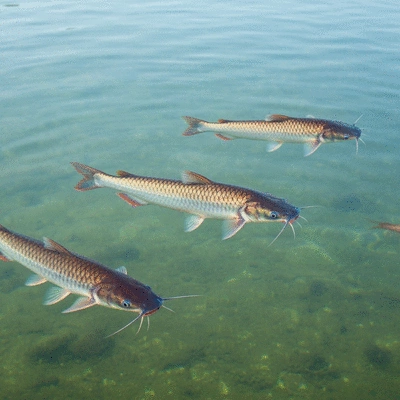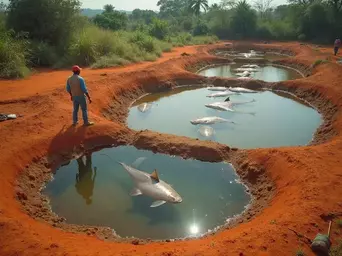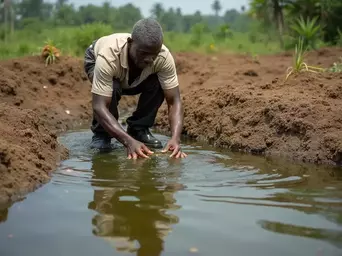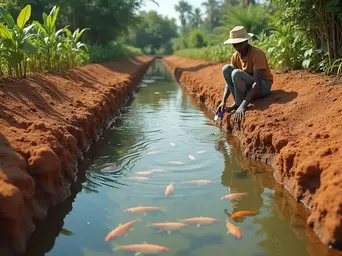
Stage 1:
Disease Identification
- Visual Inspection & Behavior
- Symptoms: Lesions, lethargy, gill necrosis
- Early detection is crucial
→
Posted on: 2025-09-29
By: Yomi Adisa
Considering the stakes involved in catfish farming, understanding the diseases that can afflict your stock is not just beneficial—it's essential. Knowledge is your first line of defense! Here are the key insights you can expect to gain from the article.
Effective management of catfish diseases involves a systematic process from early identification to treatment and rigorous prevention. The visual below outlines the critical steps and common approaches. For more detailed insights into sustainable farming practices, check out our guide on Sustainable Aquaculture Practices.
As a catfish farmer, understanding common diseases that affect African catfish is vital for maintaining a healthy stock. Being proactive in identifying these diseases can save you significant losses and contribute to better overall farm productivity. In this section, we’ll explore the symptoms, diagnosis, and management of various diseases that commonly impact our farms across Africa.
Health issues in catfish can arise from various sources, and recognizing the signs early can make all the difference. Here’s a breakdown of key diseases you should watch for:
Fungal infections in catfish often present as cotton-like growths on the skin or fins. These infections can quickly spread if left untreated. Regularly inspecting your fish for white spots and observing any unusual behavior—such as rubbing against surfaces—can help in early detection.
If you suspect a fungal infection, it’s essential to isolate affected fish and consult local aquaculture resources for treatment options. Remember, early intervention is key to saving your stock!
Parasitic infestations can be sneaky and often go unnoticed until significant damage has occurred in your pond. The most common signs include weight loss, lethargy, and erratic swimming patterns. Pay close attention to any changes in behavior, as these can indicate stress levels.
Common parasites include protozoans and worms, which can be identified through a careful examination of your fish. If you observe these symptoms, it’s essential to act quickly to identify the specific parasite and choose an appropriate treatment. For more on keeping your fish healthy, explore our guide on Maintaining Optimal Water Quality in Catfish Ponds.
Bacterial infections often lead to visible lesions or ulcers on the skin of your catfish. These infections are serious and can be fatal if not addressed promptly. Swelling, redness, and abnormal swimming motions are critical symptoms to observe.
As you monitor your fish, keep an eye out for changes in appetite as well. A sudden drop can be an indicator of underlying health issues that need immediate attention.
Viral infections can be particularly devastating, leading to rapid declines in your fish population. Key symptoms to look for include gill necrosis, erratic swimming, and signs of stress. Observing these symptoms early can assist in containment and prevent further spread within your farm.
Consulting with local aquaculture experts is crucial when dealing with viral infections, as they often require specialized treatment approaches.
Proper diagnosis is essential for effective management of diseases. Here’s how you can ensure accurate identification:
When identifying diseases, begin with a thorough visual examination of your stock. Look for changes in color, lesions, and signs of stress. Documenting your findings in a log can also help track health trends over time.
Once you've noted potential issues, consider isolating affected fish and observing their behavior in a controlled setting to gather more information before taking action.
Laboratory services can provide invaluable support in diagnosing diseases that are difficult to identify through visual inspection alone. If you suspect an outbreak, send samples to a reputable lab that specializes in aquaculture.
This step ensures you receive accurate diagnoses, allowing for targeted treatment strategies that can save your farm from extensive losses.
Familiarizing yourself with diagnosis techniques is essential. These may include:
By integrating these techniques into your routine monitoring, you can enhance your ability to respond swiftly to potential health threats on your farm. Discover how to enhance profitability by integrating these health strategies with efficient feeding practices in our article on Optimizing Catfish Feeding for Profit.
To effectively manage diseases in your catfish stock, consider implementing a routine health check. Regularly monitor for signs of stress or illness, and keep a detailed log of observations. Early detection is crucial—by identifying symptoms like weight loss or unusual swimming patterns early, you can significantly reduce the risk of outbreaks and protect your investment.
The four primary categories are fungal, parasitic, bacterial, and viral infections. Each type presents with distinct symptoms and requires specific management strategies.
Fungal infections often appear as cotton-like growths on the skin or fins. Early detection is crucial for effective treatment.
Common signs of parasitic infestations include weight loss, lethargy, and erratic swimming patterns. Microscopic examination can help identify specific parasites.
Bacterial infections typically manifest as visible lesions or ulcers on the skin, along with swelling, redness, and abnormal swimming motions.
Early detection allows for timely intervention, which can significantly reduce losses, prevent the spread of disease, and lead to better overall outcomes for your stock.
Laboratory services provide accurate diagnoses through microscopic exams, swab cultures, and histopathological assessments, especially for diseases difficult to identify visually. This ensures targeted and effective treatment.
Preventive practices include maintaining optimal water quality through regular testing, implementing strong biosecurity measures, and providing balanced diets to boost fish immunity.
In our journey through the complexities of catfish disease management, we’ve covered essential aspects from identifying diseases to implementing effective treatment methods. Recognizing the symptoms of various infections, including fungal, parasitic, bacterial, and viral diseases, is the first critical step towards ensuring the health of your stock. For practical tips on constructing a robust aquaculture system, explore our guide on Building Efficient Fish Ponds.
Additionally, we explored various treatment strategies tailored to each type of infection, highlighting the importance of timely interventions. Remember, knowledge is power! Being equipped with the right information can make a significant difference in managing disease outbreaks effectively.
Utilizing these methods not only helps in effective treatment but also plays a vital role in preventing future outbreaks. When we take proactive steps, we can significantly improve the resilience of our catfish farms.
Preventing diseases is always more effective than treating them after they occur! Implementing strong biosecurity measures and maintaining optimal water quality are foundational practices that protect our fish. I’ve seen firsthand how effective these practices can be in transforming struggling farms into thriving enterprises.
As catfish farmers, we need to focus on:
By prioritizing these preventive measures, we not only safeguard our fish health but also enhance our overall productivity and profitability!
Now that you’ve gained insights into managing catfish diseases, it’s time to put this knowledge into action! Effective management begins with the right resources and support.
As the Lead Researcher at African Catfish Farming, I encourage you to explore various resources that can assist you on your journey:
Investing in farm management software can drastically improve your farm's efficiency. These tools help monitor water quality, track feeding schedules, and manage disease outbreaks seamlessly. Having all your data in one place empowers you to make informed decisions quickly!
As you move forward, I urge you to implement the best practices we've discussed. The success of your catfish farm hinges on your proactive approach to disease management and overall fish health.
Let’s work together towards cultivating healthy ponds and thriving catfish! Remember, every small step leads to big changes in your farming journey. Don’t hesitate to reach out for support; we’re here to help you succeed!
Here is a quick recap of the important points discussed in the article:
Yomi Adisa Lead Researcher
Yomi Adisa is the lead researcher at Fish Farming Business, where he studies what makes aquaculture ventures profitable across Africa. His research focuses on market patterns, buyer preferences, and the business decisions that determine success or failure in fish farming.