Key Water Quality Parameters
● Dissolved Oxygen: Respiration & Vitality
● pH Levels: Metabolism & Stress
● Temperature: Growth & Disease
● Ammonia & Nitrite: Gill Health
● Salinity: Overall Adaptation
Posted on: 2025-11-02
By: Yomi Adisa
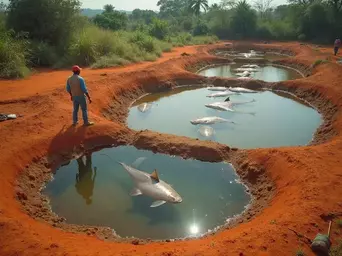
Imagine the difference in your catfish farm's productivity with just a few key adjustments to your water quality management. Understanding these factors can transform your operation from struggling to thriving!
Maintaining optimal water quality is paramount for successful catfish farming, directly influencing fish health, growth, and disease resistance. Key parameters must be consistently monitored and managed.
● Dissolved Oxygen: Respiration & Vitality
● pH Levels: Metabolism & Stress
● Temperature: Growth & Disease
● Ammonia & Nitrite: Gill Health
● Salinity: Overall Adaptation
Water quality is a critical factor in successful catfish farming. It impacts not only the health of the fish but also their growth rates and overall productivity. As a seasoned aquaculture expert, I’ve seen first-hand how high-quality water is essential for thriving catfish farms. When farmers neglect water quality management, the consequences can be dire, leading to significant economic losses. For more insights on preventing common issues, consider reading about preventing bacterial infections in catfish.
To ensure a robust catfish production system, understanding the relationship between water quality and fish health is crucial. Let's dive deeper into how different water parameters can affect your catfish stock!
Catfish are particularly sensitive to changes in their aquatic environment. Poor water quality can weaken their immune systems, making them more susceptible to diseases. Here are key aspects of how water quality influences catfish health:
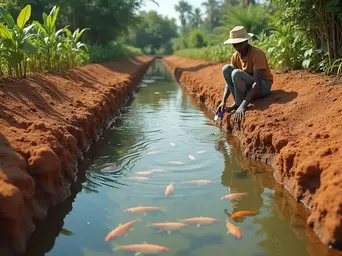
By regularly monitoring these parameters, farmers can create a stable environment that promotes healthy fish and minimizes disease outbreaks.
Research shows that certain water quality parameters are directly linked to disease outbreaks in catfish. Maintaining optimal conditions not only enhances growth but also fortifies their disease resistance. For instance, fluctuating pH levels can lead to stress, making catfish more vulnerable to infections and parasites. You can learn more about identifying African catfish diseases to better prepare your farm.
Additionally, high ammonia levels can compromise fish health, leading to severe conditions like gill disease. Thus, understanding and managing these parameters is essential for any catfish farmer looking to sustain a healthy stock.
Several diseases can wreak havoc on your catfish population if water quality is not prioritized. Here are some common ailments linked to subpar conditions:
Recognizing these diseases early can save your farm from devastating losses. Regular monitoring and maintenance of your water quality will ensure your catfish remain healthy and productive!
Understanding key water quality parameters is the foundation of effective catfish farming. By focusing on specific aspects of water quality, you can make informed decisions that enhance your farm's success. Let's explore these parameters further!
Monitoring these factors allows you to optimize conditions for growth and minimize the risk of disease outbreaks. Now, let’s look into the specifics of managing each parameter effectively!
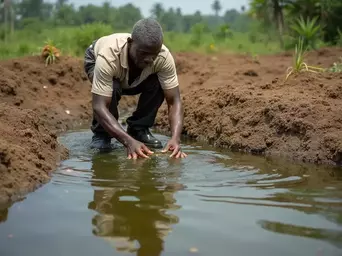
To enhance disease resistance in your catfish, consider implementing a routine that includes regular water quality testing and immediate adjustments to any parameters that are outside optimal ranges. This proactive approach not only fosters a healthier environment but also significantly reduces the risk of disease outbreaks.
As we discuss the management of water quality in catfish farming, it becomes clear that adhering to best practices is essential for ensuring a healthy fish population. At African Catfish Farming, we emphasize the importance of maintaining optimal water conditions to promote growth and prevent disease outbreaks. Here are some key takeaways for catfish farmers:
By incorporating these practices into your daily operations, you can significantly enhance the health of your catfish and overall productivity.
As I reflect on my experience in aquaculture, I have found that successful water quality management is a blend of science and observation. Here are additional key takeaways to keep in mind:
These insights can help guide your decision-making, ultimately leading to a more successful and sustainable catfish farming operation.
In the world of aquaculture, the phrase "prevention is better than cure" rings especially true. At African Catfish Farming, we believe that effective water management is the cornerstone of a thriving catfish farm. By prioritizing water quality, you can:
Always remember, investing time and resources into understanding and managing your water quality will pay off in the long run. It’s about creating a sustainable environment where your catfish can thrive!
As we look to the future, it's exciting to consider the innovations on the horizon for water quality management in aquaculture. Embracing new technologies can significantly enhance our farming practices and sustainability.
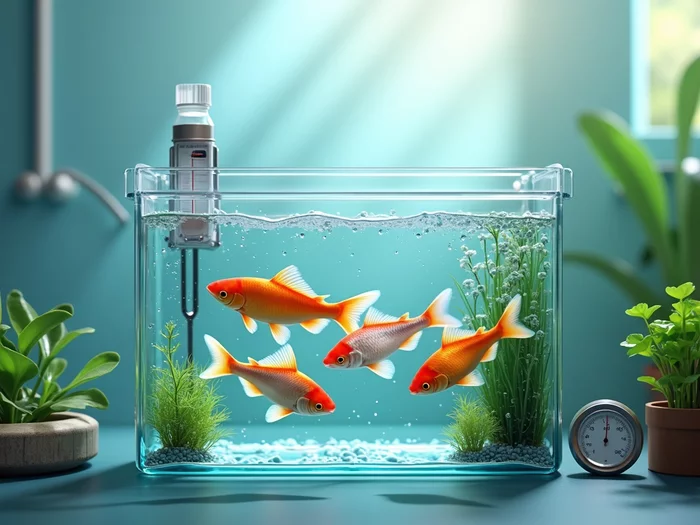
New advancements in technology are making it easier to monitor water quality in real time. Automated systems can:
Incorporating these technologies into your operations can streamline your efforts and enhance your farm's productivity!
As catfish farmers, we must also be aware of the regulatory standards governing water quality in our region. These standards are designed to protect both the fish and the environment. Key areas to focus on include:
Staying compliant not only helps in maintaining fish health but also ensures we are contributing positively to our local ecosystems.
As I think about the future of aquaculture, it’s clear that sustainability will play a pivotal role in our practices. Implementing sustainable water management strategies can:
By integrating sustainability into our operations, we not only protect our resources but also inspire future generations of catfish farmers. Together, we can foster a thriving aquaculture industry that balances productivity with ecological stewardship!
Here is a quick recap of the important points discussed in the article:
Yomi Adisa Lead Researcher
Yomi Adisa is the lead researcher at Fish Farming Business, where he studies what makes aquaculture ventures profitable across Africa. His research focuses on market patterns, buyer preferences, and the business decisions that determine success or failure in fish farming.