Managing Parasites in Catfish: Detection and Treatment Guide
Posted on: 2025-11-01
By: Yomi Adisa
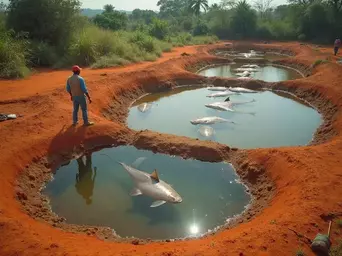
You arrive at your pond early morning to find your catfish behaving strangely—flashing against the pond walls, gasping at the surface, and displaying white spots across their skin. What started as a promising batch of African catfish (Clarias gariepinus) fingerlings now faces a parasite outbreak that could devastate your entire stock within days.
Parasite management represents one of the most critical yet overlooked aspects of successful catfish farming across Africa. In Ghana's Ashanti region, farmers report losing up to 40% of their stock to preventable parasitic infections, whilst those with proper detection and treatment protocols maintain healthy survival rates above 85%.
This guide provides you with the technical knowledge to identify common catfish parasites, implement effective diagnostic techniques, and apply appropriate treatment protocols. You'll learn to recognise early warning signs, understand species-specific management approaches, and develop integrated prevention strategies that protect your investment.
Effective parasite management directly impacts your bottom line through improved fish health, reduced mortality rates, and consistent growth performance. The knowledge you gain here will help you maintain optimal production conditions, prevent costly outbreaks, and ensure your catfish reach market size with minimal losses—transforming potential disasters into manageable production challenges.
Understanding the economic implications of parasite management becomes crucial when you consider that disease prevention and biosecurity measures can determine the difference between profitable operations and devastating losses. Professional farmers who implement comprehensive parasite management protocols consistently outperform those who rely on reactive treatment approaches.
What You Will Learn
- Learn to identify common parasites affecting African catfish (Clarias gariepinus) and their specific symptoms.
- Discover effective diagnostic techniques to accurately detect parasites before they impact your stock.
- Master targeted treatment protocols for different parasitic infections to optimise fish health and minimise losses.
- Understand integrated prevention strategies that reduce the risk of parasite outbreaks in your catfish operation.
- Gain insights into the economic impact of effective parasite management on your overall catfish farm profitability.
Identification of Common Catfish Parasites
You need to recognise parasites before they devastate your catfish stock, because early identification determines whether you lose a few fish or your entire harvest. African catfish (Clarias gariepinus) display distinct symptoms for different parasitic infections, and knowing these signs helps you respond within the critical 24-48 hour window before mortality rates spike. Most farmers in Nigeria and Kenya miss early warning signs because they don't know what to look for.
Parasitic infections spread rapidly in warm African waters, particularly during the rainy season when temperatures range between 28-32°C. Your catfish may appear healthy one day, then show severe symptoms within 48 hours as parasites multiply exponentially in optimal conditions. Understanding the three most common parasite groups—Ichthyophthirius, flukes, and worms—gives you the knowledge to protect your investment.
Each parasite type requires different treatment approaches, so accurate identification saves you time and money whilst preventing inappropriate treatments that can stress your fish further. Implementing proper disease identification protocols helps you distinguish between parasitic infections and other health problems. Here's how to identify the parasites most likely to affect your catfish operation.
Ichthyophthirius multifiliis (Ich)
You'll recognise Ich by the distinctive white spots covering your catfish's skin, fins, and gills—these spots look like grains of salt scattered across the fish's body. The parasite burrows into the skin, creating raised white cysts that measure 0.5-1mm in diameter, and infected catfish often flash against pond walls or substrate trying to dislodge the irritating parasites. African catfish with severe Ich infections may gasp at the surface as gill damage reduces their oxygen uptake capacity.
Ich thrives in water temperatures between 20-25°C, making it particularly problematic during cooler months in highland areas of Kenya and Ethiopia. The parasite completes its life cycle in 3-7 days depending on temperature—warmer water accelerates reproduction, whilst cooler conditions slow development but extend the infectious period. You'll notice symptoms worsen rapidly because each mature parasite releases up to 1,000 new parasites into your pond water.
Environmental stress triggers Ich outbreaks, particularly when you overcrowd ponds, experience sudden temperature changes, or maintain poor water quality. If your dissolved oxygen drops below 4mg/L or ammonia exceeds 0.5mg/L, your catfish become vulnerable to Ich infections that healthy fish would normally resist.
Flukes
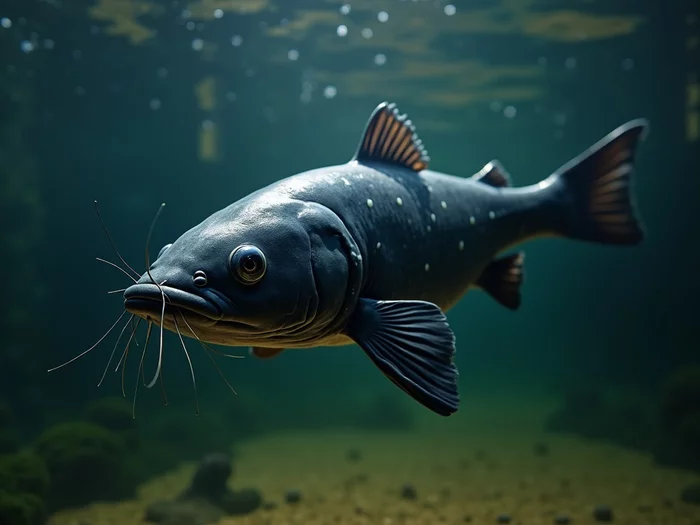
You'll identify fluke infections by observing your catfish scraping against pond surfaces, displaying rapid gill movements, and showing visible damage to their skin and fins. Gill flukes (Dactylogyrus) attach to gill filaments, causing respiratory distress that forces catfish to gulp air at the surface, whilst skin flukes (Gyrodactylus) create grey-white patches and excessive mucus production across the body. Severely infected fish develop frayed fins and open wounds that provide entry points for secondary bacterial infections.
Flukes reproduce rapidly in African pond conditions, with skin flukes giving birth to live young every 4-6 days whilst gill flukes lay eggs that hatch within 2-3 weeks at 28°C. You'll notice fluke problems escalate quickly because these parasites don't require intermediate hosts—they spread directly from fish to fish through water contact. Overcrowded ponds in Ghana and Uganda commonly experience fluke outbreaks when stocking densities exceed 150 fingerlings per square metre.
Poor water circulation creates ideal conditions for fluke multiplication, as stagnant areas allow parasite eggs and larvae to accumulate near the pond bottom. You can distinguish between gill and skin flukes by observing where your catfish show the most distress—gill fluke infections cause obvious breathing difficulties, whilst skin fluke infections primarily affect swimming behaviour and surface appearance.
Worms (Nematodes and Cestodes)
You'll detect worm infections through changes in your catfish's feeding behaviour, growth rates, and body condition rather than obvious external symptoms. Infected fish often display reduced appetite, slower growth despite adequate feeding, and a hollow-bellied appearance as internal parasites compete for nutrients. Nematodes (roundworms) typically cause intestinal blockages and nutrient malabsorption, whilst cestodes (tapeworms) can grow several centimetres long inside the digestive tract.
Most worm infections require intermediate hosts like copepods or small crustaceans, making them more common in earthen ponds that support diverse aquatic life. You'll find higher infection rates in extensive farming systems across rural Nigeria and Tanzania, where natural food webs provide multiple pathways for parasite transmission. Catfish fingerlings are particularly susceptible because their immune systems haven't fully developed resistance to common worm species.
Severe worm infestations cause visible abdominal swelling, pale gills from anaemia, and stringy white faeces containing worm segments or eggs. You might observe infected catfish becoming lethargic and separating from the school, particularly during feeding times when healthy fish compete aggressively for food. Internal worms rarely cause immediate mortality but significantly reduce growth rates and market value over 3-4 months of chronic infection.
Diagnostic Techniques for Parasite Detection
You cannot treat what you cannot properly diagnose, and accurate parasite identification requires systematic examination techniques that go beyond simply observing sick fish behaviour. Many catfish farmers across Nigeria and Ghana lose valuable time applying broad-spectrum treatments when targeted diagnosis would reveal the specific parasite species and guide precise treatment protocols. The difference between guessing and knowing can save you thousands of naira in treatment costs whilst preventing unnecessary fish mortality.
Professional diagnostic techniques help you distinguish between similar-looking parasites that require completely different treatment approaches—for example, distinguishing between Ich and bacterial infections that both cause white spots on your catfish. You need reliable methods to examine your African catfish (Clarias gariepinus) at the microscopic level, analyse their waste products, and interpret behavioural changes that indicate specific parasitic infections. These skills transform you from a reactive farmer treating symptoms into a proactive manager preventing outbreaks.
Effective diagnosis combines three complementary approaches: microscopic examination for direct parasite identification, faecal analysis for internal parasite detection, and systematic behavioural observation for early warning signs. Each technique provides different information, and using all three together gives you the complete picture needed for successful parasite management in your catfish operation.
Microscopic Examination
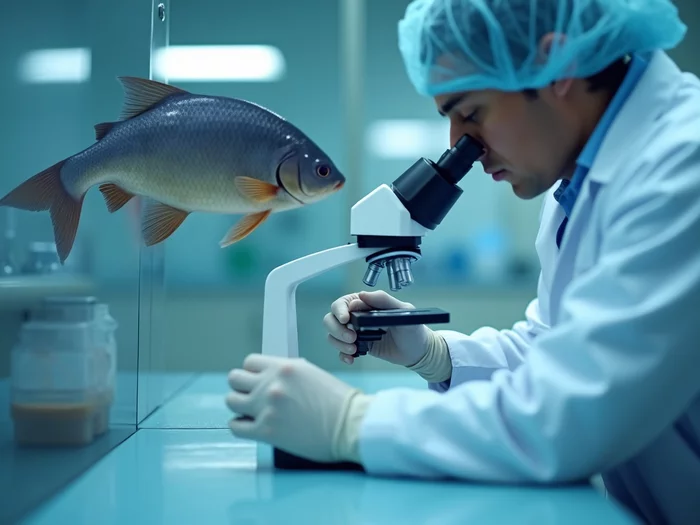
You'll need a basic compound microscope with 40x and 100x magnification capabilities, glass slides, cover slips, and a small scalpel or razor blade for collecting samples from your catfish. Most agricultural supply stores in Nairobi and Lagos stock suitable microscopes for ₦45,000-₦80,000, and this investment pays for itself by enabling accurate diagnosis instead of expensive trial-and-error treatments. You can also use a magnifying glass with 10x magnification for initial examinations, though microscopic confirmation remains essential for definitive identification.
To collect skin scrapings, gently scrape the affected area of your catfish using a scalpel blade held at a 45-degree angle, collecting mucus and surface tissue onto a glass slide. Add a drop of pond water to keep the sample moist, then place a cover slip over the specimen and examine under 40x magnification first, then 100x for detailed parasite identification. Look for the characteristic movement patterns of live parasites—Ich appears as large, round, slowly rotating organisms, whilst flukes show rapid, worm-like movements.
For gill examinations, carefully lift the gill cover (operculum) and snip a small section of gill filament using clean scissors, then mount the sample in pond water on a slide. Gill flukes attach firmly to gill filaments and appear as small, flattened worms with visible hooks or suckers, whilst bacterial gill disease shows different symptoms like pale, frayed gill edges without visible parasites. You should examine samples within 10-15 minutes of collection because parasites become less active as the tissue dies, making identification more difficult.
Faecal Examination
You can collect fresh faecal samples by gently squeezing the abdomen of your catfish from the pectoral fins toward the vent, expressing faeces directly onto a glass slide for immediate examination. Alternatively, collect fresh faeces from the pond bottom using a fine net, though you must ensure the sample comes from the fish you're investigating rather than healthy individuals. Fresh samples provide the most accurate results because parasite eggs and larvae remain viable and easier to identify under microscopic examination.
Mix a small amount of faeces with pond water on a glass slide, creating a thin, translucent layer that allows light to pass through for microscopic examination. Examine the sample under 40x magnification, looking for parasite eggs, larvae, or adult worm segments that indicate internal infestations. Nematode eggs appear oval-shaped with thick walls, whilst cestode segments look like small, rectangular packets containing multiple eggs.
You should examine faecal samples from at least 5-10% of your catfish stock when investigating potential worm infestations, because individual fish may show different infection levels within the same pond. Record your findings systematically, noting the types and quantities of parasites observed, because this information helps you track infection patterns and evaluate treatment effectiveness over time. Heavy parasite loads in faecal samples often correlate with reduced growth rates and poor feed conversion ratios in your catfish.
Behavioural Observations
You need to establish baseline behaviour patterns for your catfish stock during healthy periods, because recognising abnormal behaviour requires understanding what normal looks like in your specific pond conditions. Healthy African catfish typically feed aggressively during scheduled feeding times, maintain steady swimming patterns throughout the water column, and show consistent schooling behaviour with minimal surface activity except during feeding. Document these normal patterns so you can quickly identify deviations that suggest parasitic infections.
Watch for specific behavioural changes that indicate different parasite types—catfish with Ich infections flash against pond walls and substrate, trying to dislodge irritating parasites, whilst fish with gill flukes gasp at the surface and show rapid gill movements even when dissolved oxygen levels remain adequate. Internal parasite infections cause more subtle changes like reduced feeding enthusiasm, slower response to food, and gradual separation from the school during feeding times.
Conduct systematic behavioural observations twice daily during feeding periods, because this is when parasitic infections become most obvious through altered feeding responses and swimming patterns. Record the percentage of fish showing abnormal behaviour, the specific symptoms observed, and any environmental factors that might contribute to stress or parasite development. Early behavioural changes often appear 2-3 days before visible physical symptoms, giving you a critical window for preventive treatment that can stop minor infections from becoming major outbreaks.
Treatment Options and Species-Specific Management
You must match your treatment approach to the specific parasite affecting your catfish, because using the wrong medication wastes money and may harm your fish more than the original infection. African catfish (Clarias gariepinus) tolerate certain treatments better than other species, but even within this hardy species, fingerlings require different dosages than adult fish weighing over 500g. Understanding both the parasite's biology and your catfish's physiological limits ensures successful treatment without causing additional stress or mortality.
Treatment effectiveness depends heavily on water temperature, pH levels, and dissolved oxygen concentrations in your pond system. Most chemical treatments work faster in warmer water typical of African conditions (28-32°C), but higher temperatures also increase treatment toxicity and reduce oxygen levels that stressed fish desperately need. You'll achieve better results by combining appropriate medications with environmental management that supports your catfish's natural healing processes.
Successful parasite treatment requires precise timing, accurate dosing, and careful monitoring throughout the treatment period. The following treatment options provide you with proven protocols for managing the most common catfish parasites, along with species-specific adjustments that maximise effectiveness whilst minimising risks to your stock.
Treatment Options
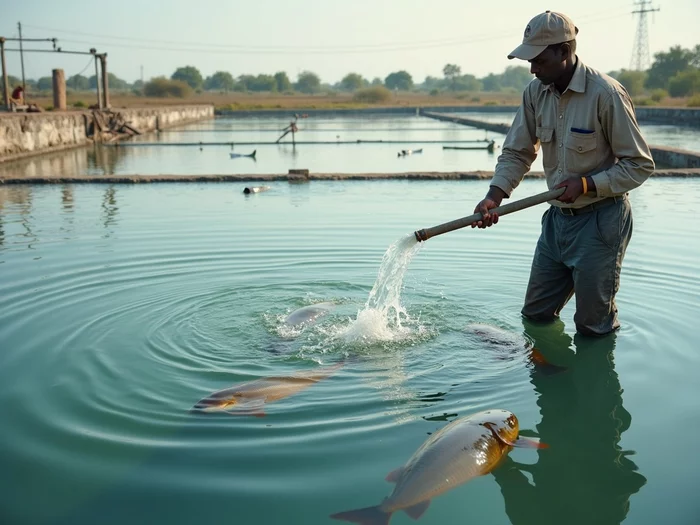
Formalin remains the most effective treatment for Ich infections, applied at 25-37.5mg/L (25-37.5ppm) for 1 hour daily over 3-4 consecutive days depending on water temperature and infection severity. You must remove activated carbon from your filtration system before treatment because it absorbs formalin, reducing effectiveness, and ensure adequate aeration because formalin reduces dissolved oxygen levels. In Ghana's warm pond conditions (30-32°C), use the lower dosage range and monitor your catfish closely for signs of distress like gasping or erratic swimming.
Copper sulphate effectively treats both Ich and fluke infections at 0.15-0.20mg/L, but you must test your water hardness first because soft water increases copper toxicity whilst hard water reduces effectiveness. Calculate the exact dosage based on your pond volume—for a 1,000-litre pond with moderate hardness (100-150mg/L CaCO3), dissolve 150-200mg of copper sulphate in a bucket of pond water before distributing evenly across the surface. Maintaining proper water quality parameters during treatment ensures better outcomes and reduces fish stress.
Praziquantel targets fluke and tapeworm infections at 2-5mg/L, administered as a single treatment or repeated after 7-10 days for severe infestations. This medication works by paralysing the parasites' nervous systems, causing them to release their grip on your catfish's tissues and die within 24-48 hours. Salt baths using non-iodised cooking salt at 10-15g/L for 10-15 minutes provide a natural alternative for mild parasite infections, particularly effective against external parasites when combined with improved water quality management.
Species-Specific Adjustments
African catfish fingerlings under 50g require reduced treatment dosages because their smaller body mass and developing organs make them more sensitive to chemical treatments. Use 60-70% of standard adult dosages for fingerlings, and monitor them every 30 minutes during treatment for signs of distress like loss of balance or rapid gill movements. Fingerlings in Kenyan hatcheries typically receive formalin treatments at 15-20mg/L instead of the full 25mg/L used for adults, with treatment duration reduced to 45 minutes rather than a full hour.
Adult catfish over 1kg can tolerate higher treatment concentrations and longer exposure times, but you must consider their higher oxygen demands during stress. Increase aeration by 50% during treatment periods, and consider splitting large fish into smaller treatment groups to reduce competition for dissolved oxygen. Nigerian farmers successfully treat adult catfish with copper sulphate at the higher end of the dosage range (0.20mg/L) because mature fish metabolise the medication more effectively than juveniles.
Breeding catfish require special consideration because many treatments can affect reproductive performance and egg development. Avoid copper-based treatments during spawning season, and use salt baths or biological treatments like probiotics to support natural parasite resistance. Female catfish carrying eggs should receive reduced medication dosages and shorter treatment periods, with careful monitoring for signs of premature spawning triggered by treatment stress.
Prevention and Integrated Management Strategies
You prevent parasite outbreaks more cost-effectively than treating established infections, because prevention costs typically represent 10-15% of treatment expenses whilst delivering superior results for your catfish operation. Most successful catfish farmers in Uganda and Tanzania focus 80% of their parasite management efforts on prevention through quarantine protocols, water quality maintenance, and integrated pest management approaches. This proactive strategy protects your investment whilst maintaining consistent growth rates and market-ready fish quality.
Integrated parasite management combines multiple prevention strategies that work together to create an environment where parasites cannot establish or multiply effectively. You'll achieve better long-term results by addressing the root causes of parasite problems—poor water quality, overcrowding, and stress—rather than repeatedly treating symptoms after outbreaks occur. This comprehensive approach reduces your dependency on chemical treatments whilst building natural resistance in your catfish stock.
Effective prevention requires systematic implementation of quarantine procedures, consistent water quality monitoring, and integrated pest management principles that address biological, environmental, and management factors simultaneously. These strategies work synergistically to create optimal conditions for catfish health whilst making your pond environment hostile to parasite development and transmission.
Quarantine Practices
You must quarantine all new catfish stock for a minimum of 14-21 days in a separate system before introducing them to your main production ponds, because this isolation period allows you to detect and treat parasites before they spread to your healthy fish. Set up your quarantine system with independent water supply, filtration, and aeration to prevent cross-contamination, and maintain water quality parameters identical to your main ponds to minimise stress during the quarantine period. Many farmers in Ghana lose entire stocks because they skip quarantine procedures to save time and money.
During quarantine, examine your new catfish daily for signs of parasitic infection, checking for abnormal behaviour, feeding responses, and physical symptoms like white spots or excessive mucus production. Conduct microscopic examinations of skin scrapings and gill clips from 10% of quarantined fish on days 3, 7, and 14 to detect parasites that may not show obvious symptoms initially. Record water temperature, pH, and dissolved oxygen levels twice daily because stressed fish in quarantine become more susceptible to parasite infections.
Treat any parasites detected during quarantine using appropriate medications before transferring fish to your main production system, and extend the quarantine period by an additional 7-10 days after treatment completion to ensure effectiveness. Only introduce fish that complete quarantine without showing signs of disease or parasitic infection, and disinfect all equipment used in the quarantine system with 200mg/L chlorine solution before reuse. This systematic approach prevents introducing parasites that could devastate your entire catfish operation.
Water Quality Maintenance
You must maintain dissolved oxygen levels above 5mg/L throughout your catfish ponds, because oxygen-stressed fish become significantly more susceptible to parasitic infections and show reduced ability to fight off established parasites. Install adequate aeration systems that provide 2-3 watts per cubic metre of pond volume, and monitor oxygen levels twice daily using a digital meter, particularly during hot afternoons when oxygen solubility decreases. Ethiopian highland farmers successfully prevent parasite outbreaks by maintaining oxygen levels at 6-7mg/L through solar-powered aerators during critical periods.
Keep ammonia concentrations below 0.25mg/L and nitrite levels under 0.1mg/L through proper biofilter management and regular water exchanges of 10-15% weekly. High ammonia levels damage catfish gill tissues, creating entry points for parasites and reducing the fish's ability to extract oxygen from water. Test your water weekly using reliable test kits, and increase water exchange rates to 20-25% if ammonia or nitrite levels exceed safe limits for more than 24 hours.
Maintain water temperature stability within 2-3°C of your target range (28-30°C for optimal catfish growth), because rapid temperature fluctuations stress fish and trigger parasite outbreaks even in previously healthy populations. Use shade cloth or pond covers to prevent excessive heating during hot seasons, and consider deeper pond construction (1.5-2.0 metres) to provide thermal stability. Consistent water quality creates an environment where healthy catfish can resist parasite infections that would overwhelm stressed fish in poor conditions.
Integrated Pest Management (IPM) Principles
You should implement biological controls by introducing beneficial bacteria and probiotics that compete with parasites for attachment sites and nutrients in your catfish pond ecosystem. Add commercial probiotic products containing Bacillus species at 1-2g per 1,000 litres monthly, or develop natural probiotic cultures using fermented rice bran and molasses that support beneficial microorganisms. Tanzanian farmers report 60-70% reduction in parasite problems after implementing regular probiotic treatments combined with improved feeding management.
Control intermediate hosts like copepods and small crustaceans that carry parasite larvae by managing pond fertility and removing excessive organic matter that supports their reproduction. Maintain moderate fertilisation levels using 50-75kg/hectare of chicken manure monthly rather than heavy applications that create ideal breeding conditions for parasite vectors. Remove dead fish immediately and clean pond bottoms regularly to eliminate organic debris where parasites and their intermediate hosts multiply.
Combine chemical treatments strategically with biological and environmental controls, using medications only when monitoring indicates parasite levels exceed acceptable thresholds rather than applying preventive treatments routinely. Rotate between different treatment types to prevent parasite resistance, and time chemical applications during cooler periods when fish stress levels are lower and treatment effectiveness is higher. This integrated approach reduces treatment costs by 40-50% whilst maintaining better long-term parasite control than relying solely on chemical interventions.
Economic Impact of Parasite Management
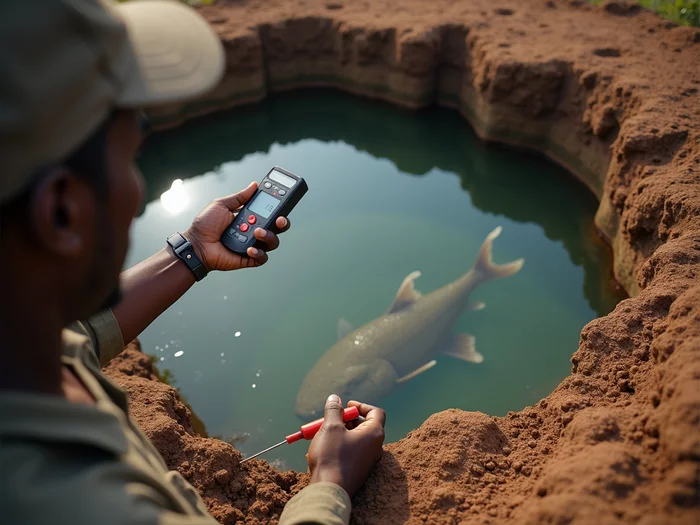
You face significant financial losses when parasites affect your catfish operation, with untreated infections typically causing 20-40% mortality rates that directly impact your revenue and profitability. A 1,000-fish stock of 200g catfish worth ₦500 each represents ₦500,000 in potential income, but a severe parasite outbreak could cost you ₦100,000-₦200,000 in dead fish alone, not including treatment costs and delayed harvest schedules. Understanding the economic implications of different management approaches helps you make informed decisions that protect both your fish and your investment.
Prevention costs significantly less than treatment, with effective quarantine and water quality management typically costing ₦15,000-₦25,000 per 1,000 fish compared to ₦40,000-₦80,000 for treating established parasite outbreaks. Farmers in Lagos who invest in proper prevention protocols report 85-90% survival rates and consistent growth performance, whilst those who rely on reactive treatment often struggle with 60-70% survival rates and extended production cycles that increase feed costs and delay market sales.
The hidden costs of parasite problems extend beyond immediate mortality to include reduced growth rates, poor feed conversion, and decreased market value of surviving fish. These indirect impacts often exceed direct treatment costs, making comprehensive parasite management one of the most cost-effective investments you can make in your catfish farming operation.

Cost-Benefit Analysis of Treatment Options
Formalin treatment costs approximately ₦8,000-₦12,000 per 1,000 fish for a complete 4-day treatment protocol, including medication, increased aeration costs, and labour for monitoring and application. This investment typically saves 70-80% of fish that would otherwise die from Ich infections, representing a return of ₦280,000-₦320,000 in preserved stock value for every ₦10,000 spent on treatment. However, you must factor in the 5-7 day growth delay caused by treatment stress, which adds approximately ₦15,000 in extended feed costs for 1,000 fish.
Copper sulphate treatments cost ₦6,000-₦10,000 per 1,000 fish but require expensive water testing equipment (₦25,000-₦40,000 initial investment) to monitor copper levels and prevent overdosing. The testing equipment pays for itself within 2-3 treatment cycles by preventing fish losses from copper toxicity, and enables you to treat multiple batches accurately over several years. Kenyan farmers using copper treatments report 90-95% treatment success rates when proper monitoring protocols are followed.
Salt bath treatments represent the most economical option at ₦2,000-₦4,000 per 1,000 fish, but effectiveness varies significantly depending on parasite species and infection severity. Salt treatments work best for mild external parasite problems and as preventive measures during high-risk periods, but severe infections require more expensive chemical interventions. You can reduce overall treatment costs by 30-40% by using salt baths for early-stage infections and reserving expensive medications for advanced cases.
Production Impact Assessment
Parasite infections reduce catfish growth rates by 25-40% even when fish survive treatment, because parasites consume nutrients and damage tissues needed for normal development. A healthy 100g catfish typically reaches 500g market size in 12-14 weeks with proper feeding, but parasite-affected fish may require 16-20 weeks to reach the same weight, increasing feed costs by ₦80-₦120 per fish. This extended production cycle also delays your cash flow and reduces the number of production cycles you can complete annually.
Feed conversion ratios deteriorate from optimal levels of 1.2-1.4:1 to 1.8-2.2:1 in parasite-affected catfish, because damaged digestive systems cannot efficiently process nutrients from commercial feeds. Poor feed conversion directly impacts your profitability—if feed costs ₦280 per kilogram and you're producing 500g fish, optimal conversion costs ₦168-₦196 per fish whilst poor conversion costs ₦252-₦308 per fish. This ₦84-₦112 difference per fish adds up quickly across large production batches.
Market value decreases for catfish showing signs of previous parasite infections, with buyers in Nigerian markets typically offering 15-25% less for fish with visible scars, damaged fins, or poor body condition. Premium catfish weighing 800g-1kg normally sell for ₦800-₦1,000 each, but parasite-damaged fish of similar size may only bring ₦600-₦750, representing a significant loss in revenue that compounds the costs of treatment and extended production time. Understanding parasitic infection treatment methods used in other species can provide additional insights for comprehensive aquaculture health management.
Summary Table
| Key Points | Details |
|---|---|
| Common Parasites | Ichthyophthirius (Ich), flukes (Dactylogyrus & Gyrodactylus), and worms (Nematodes & Cestodes). |
| Temperature Range for Parasite Growth | 28-32°C promotes rapid parasite reproduction; Ich thrives at 20-25°C. |
| Ich Symptoms | White spots (0.5-1mm), flashing against surfaces, and gasping at the surface. |
| Fluke Symptoms | Scraping against surfaces, respiratory distress, and visible skin damage. |
| Worm Symptoms | Reduced appetite, slower growth, and hollow-bellied appearance. |
| Microscopic Examination Tools | Compound microscope (40x and 100x), glass slides, and scalpel (₦45,000-₦80,000). |
| Treatment Dose for Ich | Formalin at 25-37.5 mg/L for 1 hour daily over 3-4 days. |
| Fluke Treatment | Copper sulphate at 0.15-0.20 mg/L for 5-7 days; test water hardness. |
| Worm Treatment | Praziquantel at 2-5 mg/L; repeat after 7-10 days for severe cases. |
| Preventative Measures | Quarantine new stock for 14-21 days, maintain dissolved oxygen >5 mg/L. |
| Economic Impact | Untreated infections can lead to 20-40% mortality; prevention is cheaper than treatment. |
| Cost of Treatments | Formalin: ₦8,000-₦12,000; Copper sulphate: ₦6,000-₦10,000; Salt baths: ₦2,000-₦4,000. |
Conclusion
Effective parasite management combines early detection, accurate diagnosis, and targeted treatment protocols that protect your catfish investment. By learning to recognise symptoms like white spots, flashing behaviour, and respiratory distress, you can identify problems within the critical 24-48 hour window before mortality rates spike. Regular microscopic examinations and systematic behavioural observations give you the diagnostic skills to distinguish between different parasite types and apply appropriate treatments.
You now have the technical knowledge to implement comprehensive parasite management in your catfish operation. Start with proper quarantine procedures for new stock, maintain optimal water quality parameters, and conduct regular health monitoring. Your confidence will grow as you develop the practical skills to prevent outbreaks rather than constantly treating established infections.
Focus next on integrating these parasite management techniques with your feeding programme and pond management practices. Healthy catfish with strong immune systems resist parasitic infections naturally, whilst stressed fish in poor conditions become vulnerable to outbreaks that can devastate your entire stock.
Frequently Asked Questions
How can I distinguish between Ich, flukes, and worms in my African catfish?
You'll recognise Ich by distinctive white spots resembling salt grains on the skin and gills, with fish flashing against surfaces. Flukes cause scraping behaviour, rapid gill movements, and grey-white patches of mucus. Worms are harder to spot externally, manifesting as reduced appetite, slower growth, and a hollow-bellied appearance.
What specific equipment do I need for microscopic examination of catfish parasites?
You will need a basic compound microscope (40x and 100x magnification), glass slides, cover slips, and a small scalpel or razor blade. A magnifying glass (10x) can be used for initial checks, but a microscope is essential for definitive parasite identification.
When should I perform behavioural observations to detect parasites in my catfish?
You should conduct systematic behavioural observations twice daily, especially during feeding periods. This is when changes in feeding enthusiasm, swimming patterns, and schooling behaviour become most obvious, often appearing 2-3 days before visible physical symptoms.
Can I use salt baths to treat severe parasite infections in my African catfish?
Salt baths (10-15g/L non-iodised salt for 10-15 minutes) are most effective for mild external parasite problems and as preventive measures. For severe infections, particularly internal ones or widespread outbreaks, more potent chemical treatments like formalin, copper sulphate, or praziquantel are usually required.
How does maintaining stable water quality help prevent parasite outbreaks?
Stable water quality, including dissolved oxygen above 5mg/L, ammonia below 0.25mg/L, and consistent temperatures, reduces stress on your African catfish. Healthy, unstressed fish have stronger immune systems and are better able to resist parasitic infections naturally, making your pond environment less hospitable to parasite development.


Yomi Adisa Lead Researcher
Yomi Adisa is the lead researcher at Fish Farming Business, where he studies what makes aquaculture ventures profitable across Africa. His research focuses on market patterns, buyer preferences, and the business decisions that determine success or failure in fish farming.