Emergency Response for Disease Outbreaks in Catfish Ponds: Practical Guide
Posted on: 2025-10-29
By: Yomi Adisa
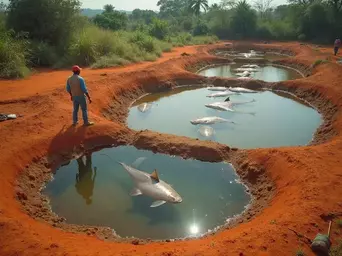
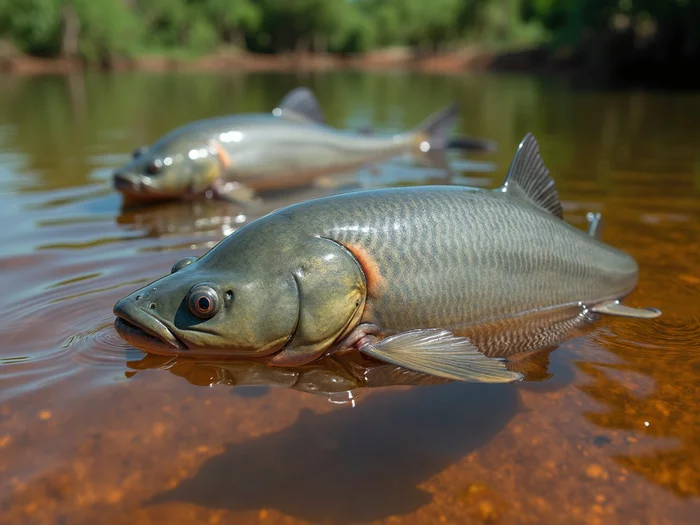
You've just finished your morning pond inspection when you notice something alarming: several of your catfish are floating at the surface, gasping for air, with white spots covering their bodies. Within hours, more fish show similar symptoms, and you realise you're facing a disease outbreak that could devastate your entire stock.
- Disease Prevention Fundamentals
- Identifying Common Catfish Diseases and Immediate Response
- Quarantine and Isolation Procedures
- Disinfection Protocols for Facilities and Equipment
- Water Quality Management During Outbreaks
- Emergency Response Timeline
- Post-Outbreak Recovery
- Mental Health and Emotional Resilience
Disease outbreaks represent one of the most serious threats to catfish farming operations across Africa. In Ghana's Ashanti region, farmers report losing up to 70% of their stock when diseases strike unprepared farms, whilst those with proper emergency response protocols typically limit losses to under 20%.
This guide provides you with essential emergency response protocols for managing disease outbreaks in your catfish ponds. You'll learn to identify common diseases affecting African catfish (Clarias gariepinus), implement immediate response measures, and establish quarantine procedures that protect your remaining stock.
Understanding these emergency response techniques is crucial for protecting your investment and maintaining farm profitability. Quick, informed action during the first 24 hours of an outbreak often determines whether you'll face manageable losses or complete stock devastation.
By mastering these disease management strategies, you'll gain the confidence to respond effectively when outbreaks occur, minimise financial losses, and maintain the biosecurity standards that prevent future disease problems in your catfish operation.
Disease outbreaks can devastate your farm's profitability, making it essential to understand preventing disease outbreaks key health mistakes that many farmers make when managing their operations. These prevention strategies form the foundation of successful aquaculture management across Africa.
What You Will Learn
- Understand the critical importance of immediate water quality testing during disease outbreaks to minimise stock losses.
- Master effective isolation techniques for sick fish to prevent disease spread in your catfish ponds.
- Discover actionable emergency aeration strategies to maintain optimal oxygen levels for stressed catfish.
- Learn how to identify and respond to common catfish diseases, including Columnaris and Ich, to effectively manage outbreaks.
- Implement robust quarantine protocols for new stock to prevent disease introduction in your catfish operations.
Disease Prevention Fundamentals
You cannot fight what you cannot prevent, and disease prevention forms the cornerstone of successful catfish farming across Africa. Most farmers in Nigeria and Ghana focus on treating diseases after they appear, but by then, you've already lost valuable time, money, and fish. Prevention costs a fraction of treatment and delivers far better results for your bottom line.
African catfish (Clarias gariepinus) are naturally hardy fish, but even they succumb to diseases when basic prevention protocols are ignored. The difference between profitable farms and those that struggle often comes down to how well farmers implement disease prevention strategies before problems arise.
Understanding disease introduction pathways and stress reduction techniques gives you the tools to maintain healthy stock year-round. These prevention fundamentals work together to create an environment where diseases cannot establish themselves in your ponds.
Understanding Disease Introduction
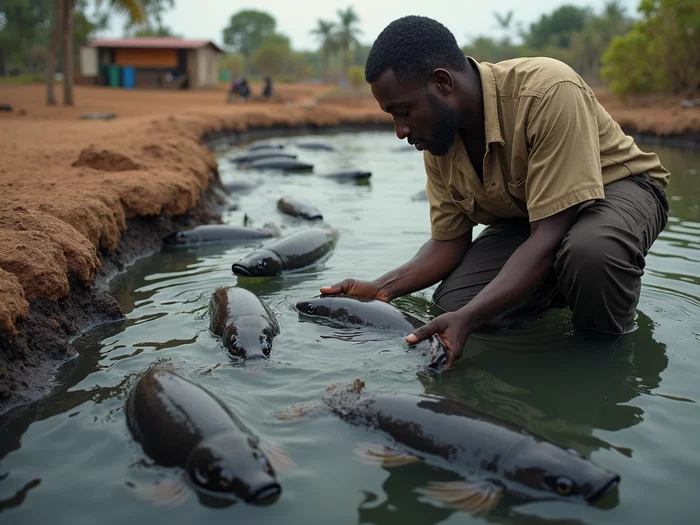
You introduce diseases to your farm through three main pathways: new fish stock, contaminated water sources, and infected equipment or visitors. Most disease outbreaks in Kenyan catfish farms trace back to purchasing fingerlings from suppliers who don't follow proper quarantine protocols. When you bring new fish directly into your main ponds without quarantine, you're gambling with your entire operation.
You need to source fingerlings only from certified hatcheries that provide health certificates and vaccination records. In Uganda, reputable suppliers like those around Lake Victoria maintain detailed health records and can show you their quarantine facilities. Always request to see the parent stock and ask about recent disease history before making any purchases.
Your water sources can harbour pathogens, especially if they connect to other fish farms or natural water bodies. You should test incoming water for common pathogens and consider UV sterilisation or chlorine treatment for high-risk sources. Many successful farms in Egypt's Nile Delta region install simple sand filtration systems that remove most disease-causing organisms from their water supply.
Stress Reduction Techniques
You create disease-prone conditions when you allow stress factors to accumulate in your catfish ponds. Stressed fish have compromised immune systems that cannot fight off pathogens that healthy fish would easily resist. Poor water quality, inadequate nutrition, overcrowding, and rough handling all weaken your fish's natural defences against disease.
You want to maintain dissolved oxygen levels above 5mg/L throughout the day, as oxygen depletion is the primary stress factor in most African catfish operations. Install backup aeration systems and monitor oxygen levels during hot afternoons when levels naturally drop. Temperature fluctuations beyond 3°C daily also stress your fish, so you should provide shade over at least 30% of your pond surface area.
Your feeding programme directly impacts fish immunity, so you need to provide high-quality feed with at least 35% protein content for growing catfish. Avoid overfeeding, which pollutes water and creates anaerobic conditions that harbour harmful bacteria. You should feed multiple small meals rather than one large feeding, and always remove uneaten feed within 2 hours to prevent decomposition.
You must handle your catfish gently during grading, sampling, or harvesting to prevent physical injuries that become infection sites. Use soft mesh nets rather than rough materials, and avoid handling fish during hot midday periods when they're already temperature-stressed. Many farms in Ghana's Central Region have reduced disease outbreaks by 60% simply by improving their fish handling techniques and timing.
Identifying Common Catfish Diseases and Immediate Response
You have approximately 6-12 hours from the first signs of disease to implement effective emergency response measures before mortality rates escalate beyond control. During this critical window, your ability to correctly identify the specific pathogen and apply targeted treatments determines whether you'll lose 10% or 90% of your stock. Most catfish farmers in Nigeria and Kenya lose valuable response time because they cannot distinguish between bacterial, viral, and parasitic infections.
African catfish (Clarias gariepinus) display distinct symptoms for different diseases, but these signs often overlap during early stages, making accurate diagnosis challenging. You need to observe multiple indicators simultaneously - behavioural changes, physical symptoms, and mortality patterns - to make informed treatment decisions. Quick identification followed by immediate action has helped farmers in Ghana's Volta Region reduce disease-related losses from 60% to under 15%.
Understanding the progression timeline of common catfish diseases gives you the knowledge to intervene at the most effective treatment windows. Each disease type requires different emergency protocols, and applying the wrong treatment can worsen outbreaks or waste precious time when rapid intervention could save your stock.
Columnaris (Flexibacter columnaris)
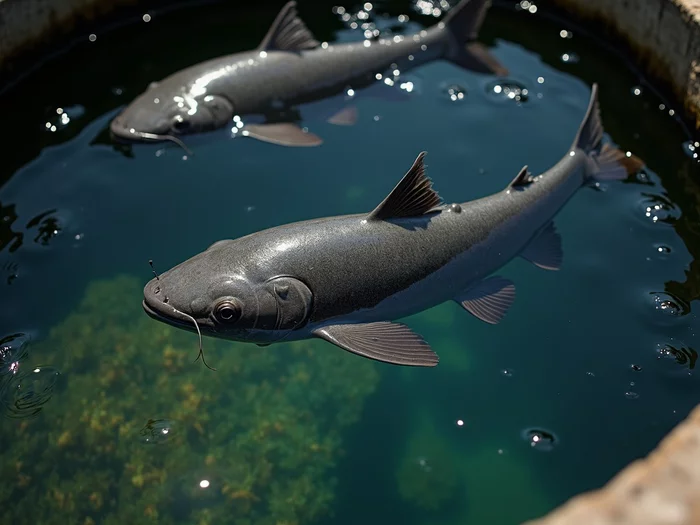
You'll recognise columnaris by the distinctive white or greyish patches that appear around your catfish's mouth, fins, and gills, often described as "cotton wool" growths. Affected fish become lethargic, refuse feed, and frequently gasp at the water surface as the bacteria damage their gill tissues. The disease progresses rapidly in water temperatures above 25°C, which makes it particularly problematic during hot seasons across tropical African regions.
You need to act within 24 hours of spotting the first symptoms, as columnaris can kill 50% of your stock within 3-4 days if left untreated. Remove affected fish immediately to prevent bacterial spread through the water column. Test your water quality first - columnaris thrives in poor conditions with high ammonia levels above 0.5mg/L or low dissolved oxygen below 4mg/L.
You should treat columnaris with formalin baths at 25mg/L for 1 hour daily for 3 consecutive days, ensuring you maintain strong aeration during treatment. Many farmers in Uganda's Central Region successfully combine formalin treatment with potassium permanganate at 2mg/L added directly to the pond water. Always treat the entire pond system, not just affected fish, as the bacteria spreads rapidly through water contact.
Ich/White Spot Disease (Ichthyophthirius)
You'll identify ich by the small white cysts covering your catfish's body, fins, and gills, resembling grains of salt scattered across their skin. Infected fish exhibit classic scratching behaviour, rubbing against pond walls or equipment to relieve irritation caused by the parasites. Unlike columnaris, ich cysts are perfectly round and raised above the skin surface, making them relatively easy to distinguish from bacterial infections.
You must understand ich's lifecycle to treat it effectively - the visible white spots represent only the feeding stage of the parasite. The treatment window occurs when parasites leave the fish to reproduce in your pond sediment, typically 5-7 days after initial symptoms appear. During this vulnerable stage, you can eliminate the parasites before they reinfect your stock.
You should raise water temperature gradually to 30°C over 48 hours, which accelerates the parasite lifecycle and makes them more susceptible to treatment. Combine temperature treatment with salt baths at 3-5g/L for the entire pond system, maintaining this concentration for 10-14 days. Farmers in Egypt's Delta region report 85% success rates using this combined approach, but you must ensure adequate aeration as higher temperatures reduce oxygen solubility.
Channel Catfish Virus Disease (CCVD)
You'll notice CCVD through sudden onset of lethargy, with affected catfish hanging motionless near the pond bottom or floating listlessly at the surface. Unlike bacterial infections, viral diseases cause rapid mortality without obvious external symptoms - fish may appear healthy one day and die the next. Mortality rates can reach 80% within a week, making CCVD one of the most devastating diseases affecting African catfish operations.
You cannot treat viral infections with antibiotics or chemical treatments, so your response focuses entirely on supportive care and preventing secondary bacterial infections. Maintain optimal water quality with dissolved oxygen above 6mg/L and remove dead fish immediately to prevent decomposition and bacterial growth. Reduce feeding by 50% to minimise metabolic stress on surviving fish.
You should implement strict biosecurity measures immediately - disinfect all equipment with 10% bleach solution and restrict farm access to essential personnel only. Many farms in Kenya's Rift Valley have contained CCVD outbreaks by establishing 100-metre buffer zones around affected ponds and treating all water discharge with chlorine before release. The virus typically runs its course within 2-3 weeks if you maintain excellent water quality and prevent secondary infections.
Emerging Pathogens
You face increasing threats from new disease strains that have emerged across African catfish farming regions over the past five years. Bacterial strains resistant to common antibiotics now appear in intensive farming areas of Nigeria and Ghana, whilst new viral variants cause symptoms that don't match traditional disease patterns. These emerging pathogens often combine characteristics of multiple diseases, making diagnosis and treatment more challenging.
You should maintain detailed health records and photograph unusual symptoms to share with veterinary services or extension officers. Many emerging diseases first appear as "mystery kills" where fish die without obvious symptoms, or display symptom combinations that don't fit standard disease profiles. Early reporting helps authorities track new disease patterns and develop appropriate response protocols.
You need to focus on prevention rather than treatment for emerging pathogens, as effective treatments may not exist yet. Strengthen your quarantine protocols to 45 days for new stock, implement UV sterilisation for incoming water, and maintain genetic diversity in your breeding programmes to improve natural disease resistance. Farms that have adopted these enhanced biosecurity measures report 40% fewer unexplained mortality events compared to operations using standard protocols.
Immediate Actions
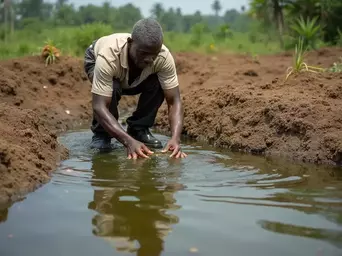
You have a critical 2-hour window when you first notice disease symptoms to implement emergency response measures that can save your operation. Your first action should be testing water quality parameters - pH, ammonia, nitrite, and dissolved oxygen - as poor water conditions often trigger disease outbreaks or worsen existing infections. Record water temperature, as many treatments require specific temperature ranges to be effective.
You must isolate affected fish immediately in a separate tank or pond section to prevent disease spread through your main stock. Count and photograph affected fish to track disease progression, and collect water samples from both affected and healthy pond sections for laboratory analysis if available. Remove any dead fish within 30 minutes of discovery and dispose of them away from your farm to prevent attracting disease vectors.
You should implement emergency aeration immediately, increasing oxygen levels to maximum capacity as stressed fish require more oxygen to fight infections. Reduce feeding by 75% for the first 48 hours to prevent water quality deterioration from uneaten feed. Contact your nearest veterinary service or extension officer within 4 hours of symptom discovery - early professional consultation often prevents minor outbreaks from becoming major disasters that could destroy your entire operation.
Quarantine and Isolation Procedures
You cannot afford to skip quarantine protocols when introducing new stock to your catfish operation, yet many farmers across Nigeria and Ghana treat quarantine as an optional step rather than essential biosecurity. Every fish that enters your farm without proper quarantine carries the potential to introduce pathogens that could devastate your entire stock within days. The cost of maintaining quarantine facilities represents a fraction of what you'll lose during a single disease outbreak.
Effective quarantine and isolation procedures work as your first and last lines of defence against disease spread. When you implement proper quarantine for incoming stock, you prevent diseases from entering your farm, whilst isolation procedures during outbreaks contain pathogens and protect your healthy fish. These protocols have helped farmers in Kenya's Central Province reduce disease-related mortality from 45% to under 8% over the past three years.
Understanding the difference between quarantine and isolation procedures ensures you apply the right protocol at the right time. Quarantine prevents disease introduction, whilst isolation manages existing outbreaks - both require specific facilities, timeframes, and monitoring procedures to be effective in protecting your African catfish (Clarias gariepinus) operation.
Quarantine Protocols
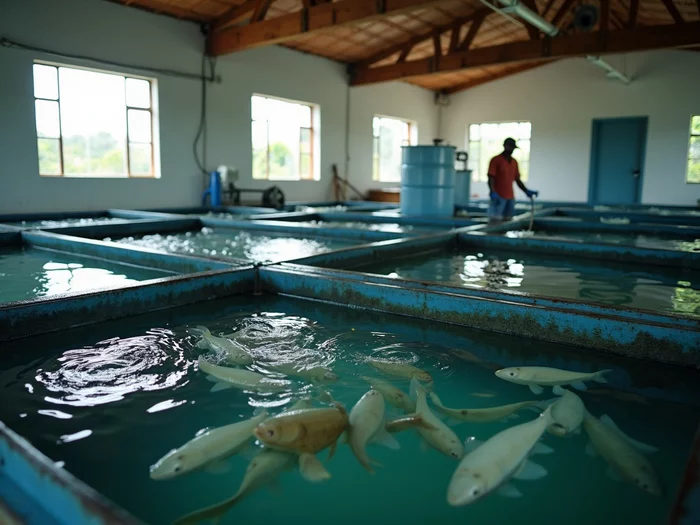
You need to quarantine all new catfish stock for a minimum of 21 days before introducing them to your main production ponds, though 30-45 days provides better protection against slow-developing diseases. Your quarantine facility should be completely separate from your main farm, with independent water supply, drainage, and equipment to prevent any cross-contamination. Many successful farms in Uganda's Kampala region maintain quarantine ponds at least 50 metres away from their main production areas.
You should stock quarantine ponds at 50% of normal density to reduce stress and allow better observation of individual fish behaviour. Maintain water temperature between 26-28°C and dissolved oxygen above 6mg/L throughout the quarantine period. Feed quarantined fish high-quality feed at 2% body weight daily, but monitor closely for any signs of disease or abnormal behaviour that might indicate health problems.
You must test quarantined fish for common pathogens at day 7, 14, and 21 of the quarantine period, collecting samples from at least 10% of the stock for examination. Document all observations daily, including feeding behaviour, swimming patterns, and any physical abnormalities. Only fish that complete the full quarantine period without showing disease symptoms should be transferred to your main production system.
Isolation Techniques During Outbreaks
You need to isolate diseased fish within 2 hours of symptom detection to prevent pathogen spread through your main pond system. Your isolation facility should have independent filtration and aeration systems, with the capacity to handle 20-30% of your total stock during major outbreaks. Set up isolation tanks or pond sections with easy access for daily monitoring and treatment applications.
You should move affected fish using dedicated nets and containers that never contact your healthy stock areas. Handle isolated fish gently to avoid additional stress that could worsen their condition or increase mortality rates. Maintain isolation water temperature 1-2°C higher than main ponds to boost fish immune response, but ensure adequate aeration as warmer water holds less dissolved oxygen.
You must treat isolation areas as contaminated zones, requiring full disinfection protocols for anyone entering or leaving these areas. Use footbaths with 5% formalin solution and change protective clothing before moving between isolation and healthy stock areas. Many farms in Ghana's Ashanti region have prevented outbreak spread by maintaining strict isolation protocols that treat diseased areas as completely separate operations until fish recover or are removed.
Disinfection Protocols for Facilities and Equipment
You eliminate disease-causing pathogens from your catfish farm through systematic disinfection of all facilities, equipment, and water systems that could harbour infectious agents. Most farmers underestimate how long pathogens survive on surfaces - bacteria can remain viable on nets and containers for weeks, whilst viral particles persist in pond sediments for months after infected fish are removed. Without proper disinfection protocols, you're essentially maintaining a reservoir of diseases that will reinfect your stock repeatedly.
Effective disinfection requires understanding which chemicals work against specific pathogens and applying them at correct concentrations for adequate contact time. Many catfish operations in Nigeria's Middle Belt region have reduced recurring disease problems by 70% simply by implementing consistent disinfection schedules rather than only disinfecting after outbreaks occur. Prevention through regular disinfection costs far less than treating repeated infections.
Your disinfection programme should cover all equipment, facilities, and personnel movement between different areas of your farm. This comprehensive approach ensures you eliminate pathogen transmission routes that could reintroduce diseases to recovered or healthy fish populations.
Effective Disinfection Methods
You should use formalin at 100-200mg/L for disinfecting nets, containers, and small equipment, allowing 30 minutes contact time before rinsing with clean water. Formalin effectively kills bacteria, viruses, and parasites, making it ideal for general equipment disinfection between pond operations. Always use formalin in well-ventilated areas and wear protective equipment, as the vapours can irritate eyes and respiratory systems.
You can apply potassium permanganate at 10-20mg/L for disinfecting larger areas like empty ponds, walkways, and vehicle tyres entering your farm. This chemical provides excellent broad-spectrum pathogen control and breaks down naturally without leaving harmful residues. Many farms in Egypt's Nile Delta use potassium permanganate solutions in footbaths at farm entrances to prevent disease introduction by visitors and workers.
You need chlorine bleach at 10% concentration for disinfecting hard surfaces, boots, and vehicles that cannot be treated with other chemicals. Apply chlorine solution and allow 15 minutes contact time before rinsing thoroughly. Sodium hypochlorite works effectively against most fish pathogens but can be corrosive to metal equipment, so rinse all treated items completely to prevent damage.
Equipment Sanitisation Procedures
You must establish dedicated cleaning stations with separate areas for washing, disinfecting, and drying all farm equipment. Your cleaning station should include fresh water for initial rinsing, disinfectant baths for pathogen elimination, and clean water for final rinsing before equipment storage. Position cleaning stations at strategic locations around your farm to encourage consistent use by all workers.
You should clean all organic matter from equipment before applying disinfectants, as dirt and debris reduce chemical effectiveness against pathogens. Scrub nets, containers, and tools with detergent and water to remove fish scales, mucus, and feed residues that could protect pathogens from disinfectant contact. Rinse equipment thoroughly after cleaning to remove all soap residues before disinfection.
You need to maintain separate equipment sets for healthy and diseased fish areas, clearly marking each set to prevent cross-contamination. Store disinfected equipment in clean, dry areas away from potential contamination sources. Replace nets and containers showing wear or damage, as rough surfaces harbour pathogens more readily than smooth, intact equipment. Farms in Kenya's Rift Valley that maintain strict equipment separation protocols report 60% fewer cross-contamination incidents compared to operations sharing equipment between pond systems.
Water Quality Management During Outbreaks
You face a critical challenge during disease outbreaks: maintaining water quality while treating sick fish with chemicals that can disrupt your pond's biological balance. Poor water quality weakens fish immune systems and makes them more susceptible to secondary infections, yet many treatments temporarily worsen water conditions through increased organic loading or chemical interactions. Managing this balance determines whether your fish recover quickly or suffer prolonged illness with higher mortality rates.
Disease outbreaks typically occur when water quality parameters fall outside optimal ranges, creating stress conditions that allow pathogens to overwhelm fish defences. During treatment periods, you must monitor water quality more frequently than normal operations, as sick fish produce more waste whilst consuming less oxygen. Successful farms in Ghana's Volta Region test water parameters twice daily during outbreaks compared to their normal weekly testing schedule.
Your water management strategy during outbreaks focuses on maintaining optimal conditions for fish recovery while ensuring treatments remain effective. This requires understanding how different medications affect water chemistry and adjusting management practices to compensate for these changes throughout the treatment period.
Critical Water Quality Parameters
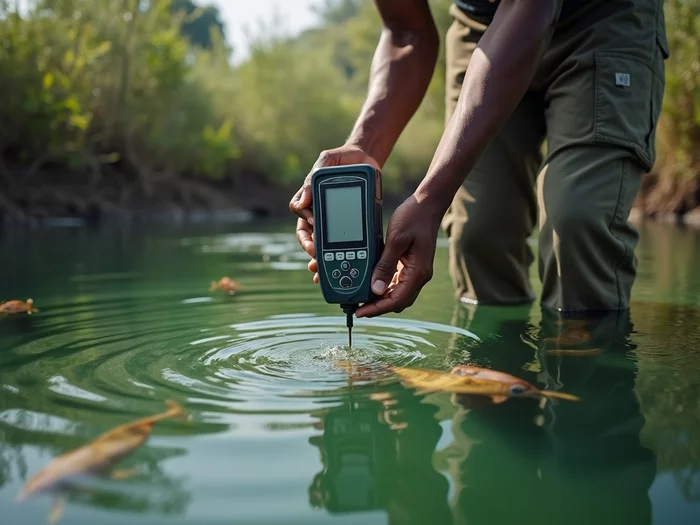
You must maintain dissolved oxygen levels above 6mg/L during disease outbreaks, as sick fish require more oxygen to fight infections and recover from treatments. Install backup aeration systems before outbreaks occur, because equipment failures during critical treatment periods can cause massive mortality within hours. Monitor oxygen levels every 4 hours during the first week of treatment, as many medications reduce oxygen solubility or increase fish oxygen consumption.
You need to keep ammonia levels below 0.25mg/L throughout treatment periods, testing daily rather than weekly during normal operations. Sick fish produce more waste whilst eating less, disrupting the normal nitrogen cycle in your ponds. Reduce feeding by 50-75% during the first 3 days of treatment to minimise ammonia production, and increase water exchange rates by 20-30% if ammonia levels rise above safe limits.
You should maintain pH between 6.8-7.5 during outbreaks, as many treatments work more effectively within this range whilst remaining safe for African catfish (Clarias gariepinus). Test pH before and after each treatment application, as some medications can cause rapid pH changes that stress fish more than the original disease. Buffer pH using agricultural lime at 50-100kg per hectare if levels drop below 6.5, but add lime gradually over 2-3 days to prevent sudden changes.
Emergency Aeration Strategies
You need to double your normal aeration capacity immediately when disease symptoms appear, as stressed fish consume 40-60% more oxygen than healthy stock. Install portable aerators or air stones in affected ponds within 2 hours of outbreak detection, positioning them to create maximum water circulation without creating strong currents that exhaust sick fish. Many farms in Uganda's Central Region maintain emergency aeration equipment specifically for outbreak response.
You should operate aeration systems continuously during the first 72 hours of treatment, as this critical period determines treatment success or failure. Monitor fish behaviour closely - if they continue gasping at the surface despite increased aeration, you may need additional oxygen sources or emergency water exchange. Avoid surface splashing that could stress fish further, instead using diffused aeration that creates gentle water movement.
You can implement emergency water exchange as a last resort if aeration alone cannot maintain adequate oxygen levels. Exchange 20-30% of pond water daily during severe outbreaks, but ensure replacement water matches pond temperature within 2°C to prevent thermal shock. Treat incoming water with the same medications being used in the main pond to maintain consistent treatment levels throughout the water column.
Emergency Response Timeline
You have specific time windows during disease outbreaks when different actions provide maximum effectiveness, and missing these critical periods often means the difference between minor losses and complete stock devastation. Most successful catfish farmers in Nigeria and Kenya follow structured response timelines that prioritise the most important actions during each phase of an outbreak. Understanding these timeframes helps you allocate resources effectively and avoid wasting time on less critical activities when every hour counts.
Disease progression in African catfish (Clarias gariepinus) follows predictable patterns, with mortality rates escalating rapidly after the first 48-72 hours if proper interventions aren't implemented. Your response timeline must account for pathogen multiplication rates, treatment absorption times, and fish recovery periods to be effective. Farms that follow systematic response schedules typically limit outbreak mortality to 15-25%, whilst those responding randomly often lose 60-80% of affected stock.
Each phase of your emergency response timeline requires different priorities, resources, and monitoring intensity. Early phases focus on rapid diagnosis and immediate life-saving measures, whilst later phases emphasise recovery support and prevention of secondary infections that often cause more damage than the original outbreak.
First 24 Hours: Immediate Actions
You must complete water quality testing within the first 2 hours of symptom detection, measuring dissolved oxygen, ammonia, nitrite, pH, and temperature to identify stress factors contributing to the outbreak. Record baseline measurements before implementing any treatments, as these readings help determine appropriate medication dosages and treatment duration. Contact your veterinary advisor or extension officer immediately, providing them with symptom descriptions, water test results, and recent management changes.
You should isolate obviously sick fish within 4 hours of initial detection, moving them to quarantine facilities to prevent pathogen spread through your main stock. Count and photograph affected fish to establish baseline mortality data for tracking outbreak progression. Remove all dead fish immediately and dispose of them at least 100 metres from your ponds to prevent attracting disease vectors like birds or insects.
You need to implement emergency aeration and reduce feeding by 75% within 6 hours of outbreak detection. Increase water circulation without creating strong currents that exhaust sick fish, and stop all routine pond maintenance activities that could stress fish further. Begin preliminary treatment with broad-spectrum medications like salt baths at 3-5g/L if specific diagnosis isn't available within 8 hours, as early intervention often prevents minor problems from becoming major disasters.
Days 2-3: Continued Monitoring and Response
You should have specific pathogen identification and targeted treatment protocols in place by day 2, switching from broad-spectrum to specific medications based on laboratory results or veterinary diagnosis. Monitor treatment effectiveness by tracking daily mortality rates, feeding response, and behavioural improvements in treated fish. Adjust medication dosages or treatment methods if mortality continues increasing after 48 hours of specific treatment.
You must maintain intensive water quality monitoring during this critical period, testing dissolved oxygen twice daily and ammonia levels every morning throughout the treatment period. Sick fish produce more waste whilst consuming less feed, often causing ammonia spikes that can kill more fish than the original disease. Increase water exchange rates by 20-30% if ammonia exceeds 0.5mg/L, but ensure replacement water receives the same treatment as pond water.
You need to establish strict biosecurity protocols by day 3, treating affected areas as contaminated zones with dedicated equipment, clothing, and personnel access restrictions. Document all treatments, mortality counts, and water quality measurements for future reference and regulatory compliance. Many farms in Ghana's Central Region have found that detailed record-keeping during outbreaks helps identify management factors that contributed to disease susceptibility.
Days 4-7: Long-term Strategies
You should see measurable improvement in fish behaviour and reduced mortality rates by day 4-5 if treatments are effective, with healthy fish resuming normal feeding patterns and swimming behaviour. Continue targeted treatments for the full prescribed duration even if symptoms improve, as stopping treatment early often leads to disease recurrence within 2-3 weeks. Begin gradual feeding increases once daily mortality drops below 2% of affected stock.
You need to focus on preventing secondary bacterial infections that commonly occur when fish are weakened by primary diseases or treatments. Monitor for new symptoms like fin rot, skin lesions, or respiratory distress that indicate opportunistic pathogens taking advantage of compromised fish immunity. Apply prophylactic treatments with broad-spectrum antibiotics if secondary infections appear, but avoid overuse that could create antibiotic-resistant bacteria.
You must plan for post-outbreak recovery by assessing remaining stock condition, calculating economic losses, and identifying management changes needed to prevent recurrence. Test surviving fish for pathogen clearance before returning them to normal management routines, and maintain enhanced monitoring for 30 days after apparent recovery. Successful farms in Kenya's Rift Valley region use this extended monitoring period to identify chronic carriers that could trigger future outbreaks if not removed from breeding stock.
Post-Outbreak Recovery
You face the challenging task of rebuilding your catfish operation after disease outbreaks have depleted your stock and disrupted your production cycles. Recovery involves more than simply replacing dead fish - you must address the underlying conditions that allowed the outbreak to occur whilst rebuilding your stock with improved biosecurity measures. Many farmers in Nigeria's Middle Belt region make the mistake of rushing restocking without correcting management problems, leading to repeated outbreaks that eventually force them out of business.
Your recovery strategy should focus on creating a more resilient farming system that can prevent future disease problems whilst maximising the productivity of your remaining healthy stock. This requires systematic evaluation of your management practices, facility improvements, and stock replacement planning. Successful recovery often takes 6-12 months to complete fully, but farms that invest in proper recovery procedures typically achieve higher long-term profitability than their pre-outbreak levels.
Understanding the difference between short-term recovery actions and long-term resilience building helps you prioritise resources effectively during the vulnerable post-outbreak period. Quick fixes might restore production temporarily, but lasting success requires addressing systemic weaknesses that made your farm susceptible to disease outbreaks initially.
Practical Recovery Steps
You must completely disinfect all pond systems, equipment, and facilities before introducing any new stock to your farm. Drain affected ponds completely and apply lime at 200-300kg per hectare to neutralise pathogens in pond sediments, allowing 2-3 weeks drying time before refilling. Disinfect all nets, containers, and tools with 10% formalin solution, and replace any equipment showing wear or damage that could harbour pathogens.
You should test your water sources for pathogen contamination before restocking, as some diseases can persist in water systems for months after outbreaks end. Install UV sterilisation or sand filtration systems if your water source connects to other farms or natural water bodies that might reintroduce pathogens. Many farms in Uganda's Central Region have eliminated recurring disease problems by treating all incoming water during the first year after major outbreaks.
You need to restock gradually with certified disease-free fingerlings from reputable suppliers, starting with 50% of your normal stocking density to reduce stress and allow better monitoring of fish health. Source fingerlings from multiple suppliers to maintain genetic diversity and reduce the risk of introducing supplier-specific pathogens. Implement extended quarantine periods of 45 days for all new stock during the first year of recovery operations.

Long-term Management Strategies
You should establish regular health monitoring programmes that include monthly sampling of 5-10% of your stock for pathogen screening, even when fish appear healthy. Early detection systems help identify disease problems before they become outbreaks, allowing targeted treatment of small numbers of fish rather than emergency response to widespread mortality. Partner with local veterinary services or extension programmes that can provide regular health assessments and laboratory testing support.
You must improve your farm's biosecurity infrastructure based on lessons learned during the outbreak, installing proper quarantine facilities, visitor disinfection stations, and equipment cleaning areas. Upgrade aeration systems to provide backup capacity during emergencies, and install water quality monitoring equipment that alerts you to dangerous parameter changes. These infrastructure investments typically pay for themselves within 2-3 years through reduced disease losses and improved production efficiency.
You need to diversify your operation to reduce financial vulnerability to future disease outbreaks, perhaps adding different fish species, sizes, or production cycles that spread risk across multiple stock groups. Maintain emergency funds equivalent to 3-6 months operating expenses to cover outbreak response costs without compromising farm operations. Many successful farms in Ghana's Ashanti region have implemented insurance programmes or cooperative arrangements that provide financial support during disease emergencies, helping them recover more quickly from unexpected losses.
While catfish farming requires specific disease management protocols, similar biosecurity for tilapia farms practical steps can be adapted to strengthen your overall aquaculture operation. Cross-species knowledge helps you develop more comprehensive disease prevention strategies across different fish farming ventures.
Mental Health and Emotional Resilience
You experience significant emotional stress when disease outbreaks devastate your catfish stock, often feeling overwhelmed by financial losses, self-doubt about your farming abilities, and anxiety about your family's future security. Many farmers across Nigeria and Ghana report symptoms of depression, sleep disruption, and social withdrawal following major disease events that destroy months or years of hard work within days. The psychological impact of livestock losses affects your decision-making ability and can lead to poor management choices that worsen your recovery prospects.
Understanding that emotional responses to farm disasters are normal and temporary helps you maintain perspective during the most difficult recovery periods. Successful farmers who have overcome major disease outbreaks emphasise the importance of seeking support from family, fellow farmers, and professional counsellors when stress becomes overwhelming. Your mental health directly affects your ability to implement effective recovery strategies and make sound business decisions during challenging times.
Coping Strategies
You should maintain regular contact with other catfish farmers who have experienced similar challenges, as peer support provides practical advice and emotional encouragement during recovery periods. Join local farmer associations or online groups where you can share experiences and learn from others who have successfully rebuilt their operations after disease disasters. Many farmers in Kenya's Central Province credit peer support networks with helping them maintain motivation during the darkest periods of their recovery journey.
You need to focus on small, achievable goals rather than trying to restore your entire operation immediately, celebrating minor successes like successful quarantine periods or improved water quality management. Break your recovery plan into weekly objectives that provide regular opportunities for positive feedback and progress measurement. Maintain physical health through regular exercise, adequate sleep, and proper nutrition, as physical wellness supports emotional resilience during stressful periods.
You must seek professional counselling or medical support if stress symptoms persist beyond 2-3 months or interfere with your daily functioning and decision-making abilities. Many agricultural extension services now provide mental health resources specifically for farmers dealing with livestock losses and financial stress. Remember that asking for help demonstrates strength and commitment to your farm's long-term success, not weakness or failure as a farmer.
Summary Table
| Key Points | Details |
|---|---|
| Disease Outbreak Risks | Farmers without emergency protocols may lose up to 70% of stock; those with protocols typically limit losses to under 20%. |
| Key Prevention Measures | Implement stress reduction techniques and maintain water quality with pH 6.5-8.5, dissolved oxygen above 5mg/L, and ammonia below 0.25mg/L. |
| Emergency Response Timeline | First 2 hours are critical for water testing, isolation of affected fish, and increasing aeration; implement treatment within 6 hours. |
| Columnaris Treatment | Treat with formalin baths at 25mg/L for 1 hour daily for 3 days, ensuring aeration; remove affected fish immediately. |
| Ich Treatment | Raise water temperature to 30°C and apply salt baths at 3-5g/L for 10-14 days to eliminate parasites. |
| CCVD Management | No antiviral treatments; focus on maintaining water quality and preventing secondary infections, implementing biosecurity measures. |
| Quarantine Protocols | Quarantine new stock for at least 21 days in separate facilities; monitor for disease symptoms and test for pathogens. |
| Emergency Aeration | Double aeration capacity immediately; maintain continuous operation for the first 72 hours post-detection. |
| Post-Outbreak Recovery | Disinfect all systems, restock gradually with certified fingerlings, and enhance biosecurity measures for long-term resilience. |
Conclusion
You now possess the essential knowledge to respond effectively when disease outbreaks threaten your catfish operation. Quick identification of symptoms, immediate water quality testing, and proper isolation procedures within the first 24 hours determine whether you face manageable losses or devastating mortality. Prevention through quarantine protocols and stress reduction remains your most cost-effective strategy.
Implementing these emergency response protocols takes practice, but you have the foundation to protect your investment and maintain farm profitability. Start by establishing quarantine facilities and emergency equipment before outbreaks occur. Your confidence will grow as you develop the observation skills to spot problems early and respond appropriately.
Focus next on strengthening your overall farm biosecurity and developing relationships with veterinary services in your area. Disease management connects directly to water quality monitoring, feeding programmes, and stock management practices. Each aspect of good catfish farming supports the others in creating a resilient, profitable operation.
Frequently Asked Questions
How quickly do I need to act when I first notice disease symptoms in my African catfish?
You have a critical 6-12 hour window from the first signs of disease to implement effective emergency response measures. During this time, your ability to correctly identify the pathogen and apply targeted treatments will determine whether you face manageable losses or widespread devastation of your African catfish stock.
What are the primary ways diseases are introduced to a catfish farm, and how can I prevent them?
Diseases are mainly introduced through new fish stock, contaminated water sources, and infected equipment or visitors. To prevent this, source fingerlings from certified hatcheries with health certificates, test incoming water for pathogens, and implement strict biosecurity for all equipment and personnel.
Can I treat viral diseases like Channel Catfish Virus Disease (CCVD) with antibiotics?
No, you cannot treat viral infections like CCVD with antibiotics or chemical treatments. Your response should focus on supportive care, maintaining optimal water quality (especially dissolved oxygen above 6mg/L), and preventing secondary bacterial infections. Strict biosecurity measures are also crucial.
How long should I quarantine new African catfish stock before introducing them to my main ponds?
You should quarantine all new African catfish stock for a minimum of 21 days, though 30-45 days offers better protection, especially against slow-developing diseases. Your quarantine facility must be completely separate from your main farm with independent water and equipment to prevent cross-contamination.
What are the most important water quality parameters to monitor during a disease outbreak in African catfish ponds?
You must maintain dissolved oxygen levels above 6mg/L, keep ammonia levels below 0.25mg/L, and ensure pH stays between 6.8-7.5. Monitor these critical parameters daily, or even twice daily, as sick fish require more oxygen and produce more waste, while some treatments can affect water chemistry.


Yomi Adisa Lead Researcher
Yomi Adisa is the lead researcher at Fish Farming Business, where he studies what makes aquaculture ventures profitable across Africa. His research focuses on market patterns, buyer preferences, and the business decisions that determine success or failure in fish farming.