Preventing Bacterial Infections in Catfish
Posted on: 2025-10-15
By: Yomi Adisa
As we journey into the world of catfish farming, consider this: effective management of bacterial infections is pivotal for your success. Every farmer faces this challenge, but understanding the nuances can make all the difference. Let’s dive into the essential lessons you'll take away from this article.
What You Will Learn
- Identify Key Pathogens: Learn about the common bacterial pathogens such as Edwardsiella and Aeromonas that threaten catfish health.
- Recognize Co-Infection Risks: Understand how co-infections can exacerbate health issues in catfish, leading to higher mortality rates.
- Implement Disease Diagnosis Techniques: Gain insights into effective diagnostic methods like microscopic examination and molecular techniques for timely interventions.
- Manage Microbial Communities: Discover the importance of balancing beneficial and harmful bacteria in your farming ecosystem.
- Enhance Fish Immunity: Learn how incorporating probiotics like Lactococcus can significantly boost your catfish's immunity.
- Prioritize Feed Quality: Understand how high-quality feed enriched with proteins, vitamins, and minerals can enhance fish health and resilience.
- Engage with Community Resources: Explore the benefits of participating in local workshops and cooperatives to share knowledge and improve practices.
Key Strategies for Catfish Health Management
Effective management of bacterial infections in African catfish farming hinges on a combination of proactive measures. The following visual outlines the critical steps involved in disease diagnosis and prevention, along with the essential components for a healthy microbial community in your ponds. For more insights on optimizing farming practices, consider reading about optimizing aquaculture yields.
Disease Diagnosis Techniques
- • Microscopic Examination
- • Culturing Techniques
- • Molecular Techniques (PCR)
Timely and accurate identification of pathogens.
Microbial Community Management
- • Balance Beneficial & Harmful Bacteria
- • Probiotics (e.g., Lactococcus)
- • High-Quality Fish Feed
Enhancing immunity and water quality.
Best Practices for Prevention
- • Routine Health Checks
- • Optimize Stocking Density
- • Maintain Clean Facilities
Reducing stress and disease susceptibility.
Key Takeaways for Farmers
- • Regular Water Testing
- • Proactive Disease Management
- • Strict Biosecurity Protocols
Fundamental aspects for sustainable farming.
Understanding Bacterial Infections in African Catfish Farming
In African catfish farming, understanding bacterial infections is crucial for maintaining a healthy stock. As a seasoned aquaculture expert, I've seen firsthand how these infections can devastate farms if not identified and managed promptly. In this section, we’ll explore key pathogens, their impacts, and management techniques to ensure your catfish thrive!
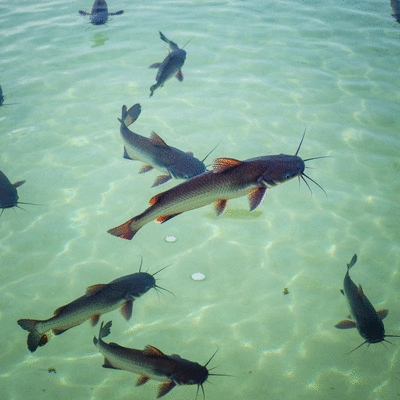
Identifying Key Pathogens Threatening Catfish Health
When it comes to catfish health, knowing the common bacterial pathogens is essential. Here are a few that every farmer should be aware of:
- Edwardsiella: This bacterium is notorious for causing Edwardsiella ictaluri infections, leading to significant mortality rates.
- Aeromonas: Frequently found in water, Aeromonas species can cause ulcers and systemic infections in stressed fish.
- Other Pathogens: Other bacteria, including Streptococcus and Flavobacterium, also pose risks to your catfish population.
The impact of these pathogens can be catastrophic, especially when they co-occur. Co-infections can weaken your fish's immune systems, making them more susceptible to diseases. Thus, it's essential to monitor for signs of illness and manage your stock proactively. For detailed information on identifying early signs of disease, check out our guide on fish disease identification.
Common Bacterial Pathogens: *Edwardsiella*, *Aeromonas*, and Others
As I previously mentioned, knowing the specific threats is half the battle. For example, *Edwardsiella ictaluri* is particularly harmful in stressed environments, and outbreaks can occur swiftly without proper intervention.
Similarly, *Aeromonas* not only affects fish but can also be an indicator of poor water quality, highlighting the importance of maintaining a clean environment for your catfish. Learn more about maintaining optimal water parameters in our water quality management guide.
The Impact of Co-Infections on Fish Health
Co-infections can lead to compounded health issues in your catfish. When two or more pathogens infect a fish, it often results in more severe symptoms and higher mortality rates. Regular health checks and prompt treatment are vital to mitigating these risks.
Implementing a monitoring routine will help in early detection of these bacterial threats. Observing changes in behavior, external signs, or feeding patterns can be key indicators.
Exploring Disease Diagnosis Techniques for Timely Intervention
Accurate diagnosis is critical for effective treatment. Farmers should consider these techniques:
- Microscopic Examination: This allows for direct observation of pathogens.
- Culturing Techniques: Isolating bacteria from infected fish can help identify the specific pathogens present.
- Molecular Techniques: PCR and other molecular methods can offer rapid and specific identification of pathogens.
By adopting these diagnostic methods, you can ensure timely intervention and treatment, ultimately enhancing the health of your fish stock.
The Importance of Microbial Community Management
Managing the microbial community in your ponds can be a game-changer! Balancing beneficial and harmful bacteria is essential for maintaining a healthy ecosystem for your catfish.

Balancing Beneficial and Harmful Bacteria
A diverse microbial community can enhance the health of your fish. Beneficial bacteria help in breaking down waste products and maintaining water quality. However, if harmful bacteria outnumber beneficial ones, disease outbreaks can occur.
Regular testing and adjustments to your pond management practices can help maintain this balance. Implementing strategies such as controlled feeding and aeration can promote beneficial microbial growth.
Role of Probiotics: Enhancing Fish Immunity with *Lactococcus*
Introducing probiotics like Lactococcus can significantly boost your catfish's immunity. These beneficial bacteria compete with harmful pathogens and can improve the overall health of your fish. For more on how to implement these strategies, refer to our article on probiotic use in aquaculture.
Consider incorporating probiotics into your feeding regime to enhance fish health and disease resistance. It's a simple yet effective strategy that aligns with our mission at African Catfish Farming to promote sustainable aquaculture practices!
The Impact of Fish Feed Quality on Fish Health
The quality of fish feed is another crucial factor that influences fish health. A high-quality, nutritious feed can enhance the overall immune response of your catfish.
- Protein Content: Ensure that the feed contains adequate protein for growth and health.
- Vitamins and Minerals: Essential nutrients play a significant role in disease resistance.
- Feed Formulation: Properly formulated feeds can help in minimizing waste and maintaining water quality.
By focusing on feed quality, you can not only promote growth but also enhance the health and resilience of your catfish against infections.
Pro Tip
Did you know? Regularly introducing probiotics like Lactococcus into your catfish feeding regimen can greatly enhance their immune response. This simple step not only helps in preventing bacterial infections but also supports overall fish health, making your farming operation more resilient against diseases!
Frequently Asked Questions (FAQs)
Key Takeaways for Catfish Farmers
As we explore the essential practices for maintaining healthy catfish farms, it’s crucial to keep in mind a few key takeaways. Implementing effective strategies can significantly reduce the risks associated with bacterial infections and enhance the overall productivity of your farm. Here are the top practices to consider:
- Regular Water Testing: Ensure consistent monitoring of water quality parameters such as pH, temperature, and dissolved oxygen levels.
- Proactive Disease Management: Understand the common pathogens and be vigilant for signs of infections among your fish.
- Quality Feed: Invest in high-quality fish feed to promote health and resilience in your stock.
- Biosecurity Protocols: Develop and adhere to a strict biosecurity plan to prevent disease introduction and spread.
By focusing on these fundamental aspects, you can create a more sustainable environment for your catfish. Remember, prevention is always easier—and more cost-effective—than dealing with an outbreak later!
Summarizing Best Practices for Bacterial Infection Prevention
To successfully prevent bacterial infections in your catfish, consider these summarized best practices that I have seen effective in my experience:
- Implement Routine Health Checks: Conduct regular inspections of your fish for any unusual behavior or physical signs of illness.
- Optimize Stocking Density: Avoid overcrowding to reduce stress and competition, which can lead to increased susceptibility to diseases.
- Use Probiotics: Incorporate beneficial bacteria like *Lactococcus* into your feeding regimen to boost fish immunity.
- Maintain Clean Facilities: Regularly clean and disinfect all farming equipment and environments to limit harmful bacteria.
These practices, tailored to local conditions, can make a significant difference in your catfish farming success. Always stay informed and adapt to new insights and techniques that can help improve your farm’s health standards. For further reading on sustainable practices, visit our sustainable aquaculture methods page.
Encouraging Community Engagement and Knowledge Sharing
Community engagement is vital in the aquaculture sector. By sharing knowledge and experiences, farmers can collectively enhance their practices and overcome challenges. At African Catfish Farming, we believe in fostering a supportive network among catfish producers.
- Participate in Local Workshops: Attend or organize workshops to learn from experts and share insights with fellow farmers.
- Leverage Social Media: Join online forums and groups dedicated to catfish farming for ongoing discussions and support.
- Collaborate with Cooperatives: Form or join cooperatives to pool resources, knowledge, and strategies for disease management.
By actively participating in your local farming community, you can not only improve your own practices but also contribute to the overall health and sustainability of catfish farming in Africa. Together, we can face challenges head-on and celebrate our successes! For more information on preventing common illnesses, explore our guide on preventing common fish illnesses.
Recap of Key Points
Here is a quick recap of the important points discussed in the article:
- Identify Key Pathogens: Be aware of common bacterial pathogens like Edwardsiella and Aeromonas that threaten catfish health.
- Monitor for Co-Infections: Regular health checks can help detect compounding health issues that can lead to higher mortality rates.
- Implement Diagnostic Techniques: Utilize microscopic examination, culturing, and molecular techniques for accurate pathogen identification.
- Manage Microbial Communities: Balance beneficial bacteria and maintain water quality to prevent disease outbreaks.
- Prioritize Quality Feed: Invest in high-quality, nutritious feed to enhance fish immunity and overall health.
- Engage with the Community: Participate in local workshops and share knowledge to collectively improve aquaculture practices.


Yomi Adisa Lead Researcher
Yomi Adisa is the lead researcher at Fish Farming Business, where he studies what makes aquaculture ventures profitable across Africa. His research focuses on market patterns, buyer preferences, and the business decisions that determine success or failure in fish farming.