Drainage Systems for Catfish Ponds: How to Design, Install and Maintain
Posted on: 2025-11-06
By: Yomi Adisa
Drainage Systems for Catfish Ponds: How to Design, Install and Maintain
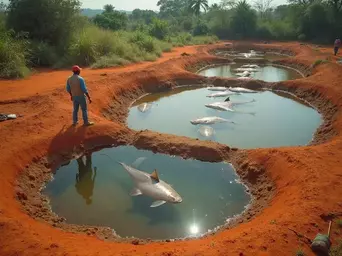
Picture this: You've invested months nurturing your catfish fingerlings, watching them grow steadily in your carefully constructed pond. Then the rains come, and without proper drainage, your pond overflows, fish escape, and water quality plummets. Within days, you're watching months of hard work and investment disappear.
📑 Table of Contents
This scenario plays out across Nigeria every rainy season, but it's entirely preventable with the right drainage system. Effective drainage isn't just about removing excess water—it's the foundation of successful catfish farming. A well-designed drainage system gives you complete control over your pond environment, allowing you to manage water quality, harvest efficiently, and maintain optimal conditions year-round.
Without proper drainage, you're at the mercy of weather patterns and have no way to properly clean, treat, or renovate your ponds between production cycles. The difference between farms with proper drainage and those without is stark: survival rates of 85-95% versus 60-75%, faster growth rates, and significantly reduced disease outbreaks. This comprehensive guide provides you with the complete technical knowledge to design, install, and maintain drainage systems that will transform your catfish farming operation.
🎯 What You'll Learn
- Learn how to design and install effective drainage systems tailored to your pond type for optimal water control and fish health
- Master the techniques for maintaining drainage components to prevent costly failures and ensure consistent production
- Discover the economic benefits of investing in drainage systems, including improved survival rates and reduced operational costs, to maximise your profits
Understanding Pond Drainage Systems
Importance of Drainage in Catfish Farming and Ecosystem Impact
Drainage systems serve as the circulatory system of your catfish pond, controlling water flow, quality, and pond health. Without effective drainage systems, you cannot maintain the stable environment catfish need to thrive. Water stagnation leads to oxygen depletion, toxic waste accumulation, and disease outbreaks that can wipe out entire stocks within days.
Proper drainage allows you to control water levels precisely, removing bottom water where waste concentrates whilst maintaining optimal depths for feeding and growth. During harvest, complete drainage enables efficient fish collection and thorough pond cleaning between cycles. This control translates directly to higher survival rates—farmers with good drainage systems typically achieve 85-95% survival compared to 60-75% in poorly drained ponds.
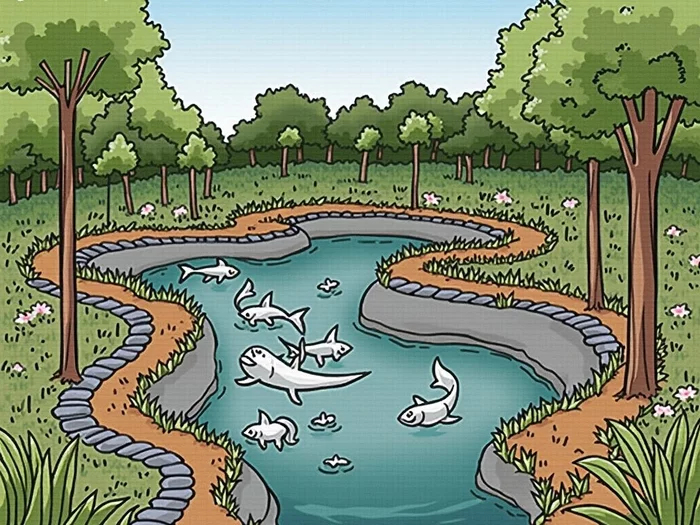
The ecosystem impact extends beyond your pond boundaries. Well-designed drainage prevents uncontrolled water discharge that can carry fish waste, uneaten feed, and chemicals into local waterways. Controlled drainage allows you to settle suspended particles, treat water if necessary, and release clean water that doesn't harm downstream communities or natural water bodies.
Types of Drainage Systems
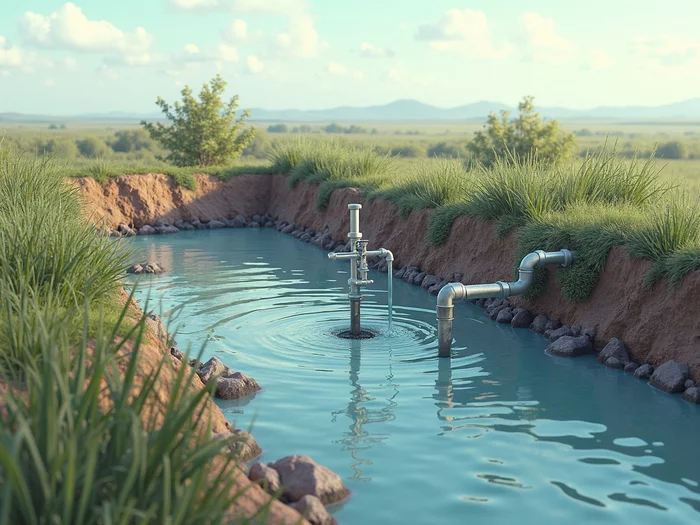
Earthen levee ponds represent the most common system in African catfish farming, using gravity-fed drainage through pipes installed at the pond's lowest point. These systems cost 15,000-25,000 naira per 100 square metres to install and work excellently in areas with adequate elevation differences. The drainage pipe typically runs through the levee wall, controlled by external valves or standpipes that allow precise water level management.
Concrete pond systems offer superior drainage control but require higher initial investment—typically 40,000-60,000 naira per 100 square metres including drainage infrastructure. These systems use bottom drains connected to external sump areas, providing excellent waste removal and complete water control. However, they require skilled construction and may crack in areas with unstable soil conditions.
Above-ground tank systems provide the ultimate drainage control, allowing complete water changes within hours and thorough cleaning between cycles. Installation costs range from 50,000-80,000 naira per 100 square metres, but operational efficiency and disease prevention often justify the investment for commercial operations. The main disadvantage is higher construction complexity and potential structural issues in areas prone to flooding or extreme weather.
| Drainage System Type | Installation Cost (per 100 sqm) | Advantages | Disadvantages |
|---|---|---|---|
| Earthen levee ponds | 15,000 - 25,000 naira | Cost-effective, easy to construct | Limited control over drainage |
| Concrete pond systems | 40,000 - 60,000 naira | Superior drainage control, durable | Higher initial investment |
| Above-ground tank systems | 50,000 - 80,000 naira | Maximum control, easy cleaning | Complex construction, potential flooding risks |
Designing Your Drainage System
Key Design Considerations
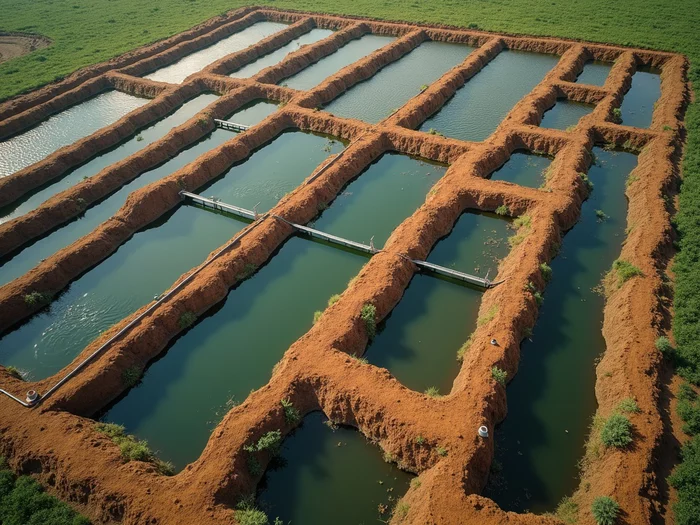
Your drainage system design must account for pond dimensions, local topography, and seasonal water variations. For rectangular ponds, position the drain at the deepest corner, typically 20-30 centimetres below the main pond floor. This creates a collection sump where waste settles and water exits cleanly.
Circular ponds require centre drains with sloped floors directing water flow from all edges—maintain a minimum 2% slope towards the drain point. Soil type critically affects drainage design. Clay soils with low permeability allow smaller drainage pipes (10-15cm diameter for ponds up to 200 square metres) since seepage losses are minimal.
Sandy soils require larger drainage capacity (15-20cm diameter) and additional sealing measures to prevent water loss through pond walls. Calculate drainage capacity using this formula: Pipe diameter (cm) = 0.8 × √(pond area in square metres). For a 100 square metre pond, you need a minimum 8cm diameter pipe, but install 10-12cm for safety margin.
| Pond Type | Drain Position | Slope Requirement | Soil Type Consideration |
|---|---|---|---|
| Rectangular ponds | Deepest corner | 20-30 cm below main floor | Clay for minimal seepage |
| Circular ponds | Centre drain | Minimum 2% slope | Sandy soils need sealing |
Drainpipe Installation Techniques
PVC pipes offer the best value for most catfish pond applications, costing 800-1,200 naira per metre for 10-15cm diameter pipes. Install pipes with a minimum 2% gradient—for every 10 metres of horizontal distance, the pipe should drop 20 centimetres. Begin installation during pond construction, not as an afterthought, to ensure proper positioning and sealing.
Dig the pipe trench 20 centimetres wider than the pipe diameter and 10 centimetres deeper than final pipe position. This allows for proper bedding material—use fine sand or screened soil, never rocks or clay clumps that can damage pipes. Lay pipes in straight sections where possible, using 45-degree elbows instead of 90-degree turns to maintain water flow efficiency.
Metal pipes, whilst more expensive (1,500-2,000 naira per metre), provide superior durability in high-traffic areas or where mechanical damage is likely. Galvanised steel works well in most African conditions but avoid aluminium in acidic soils. Proper joining is critical—use rubber gasket joints for PVC and welded connections for metal pipes.
Control Structures for Water Management
T-standpipes provide excellent water level control, allowing you to maintain any desired depth whilst ensuring bottom drainage. Construct standpipes using 15-20cm diameter PVC pipe, with the horizontal section extending 30-50cm into the pond and the vertical section rising above maximum water level. Cut slots or drill holes at different heights to create multiple drainage levels—this allows you to lower water gradually during harvest or emergency situations.
Alfalfa valves, though more expensive (3,000-5,000 naira each), offer superior control for commercial operations. These valves allow precise water level adjustment and complete shut-off when needed. Install valves in concrete valve boxes positioned outside the pond levee for easy access and protection from damage.
Anti-seep collars prevent water from flowing along the outside of drainage pipes, which can cause levee erosion and failure. Install collars made from rubber or plastic sheeting, wrapping completely around pipes at 2-3 metre intervals. Each collar should extend 15cm from the pipe surface and be sealed tightly to prevent water penetration.
Soil and Pond Preparation
Excavation Techniques
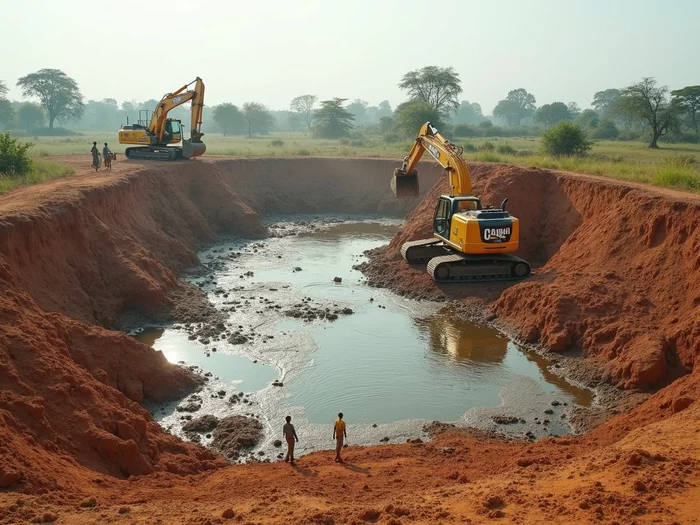
Begin excavation by marking pond boundaries with stakes and string, ensuring corners are square and dimensions accurate. Remove topsoil separately and stockpile for later use in levee construction—this organic-rich soil provides better compaction and vegetation establishment. Excavate in 20-30cm lifts, checking depth regularly with a measuring rod to maintain proper grades.
Create the pond floor with a consistent 2-3% slope towards the drainage point, using a builder's level or water level to ensure accuracy. The deepest point should be 20-30cm below normal pond depth to create a sump area for waste collection. Avoid over-excavation that requires backfilling, as this creates weak spots prone to settling and pipe damage.
Shape pond walls with 2:1 or 3:1 slopes (horizontal:vertical) to prevent erosion and provide stable levee construction. Steeper slopes may seem space-efficient but often fail during heavy rains or when pond levels fluctuate. Remove all rocks, roots, and debris that could puncture pond linings or interfere with proper soil compaction.
Soil Compaction and Sealing
Achieve proper compaction by adding water to excavated soil until it reaches optimum moisture content—soil should hold together when squeezed but not be muddy. Compact in 15-20cm lifts using a mechanical tamper or, for larger areas, a vibrating plate compactor. Each lift should achieve 95% standard Proctor density to prevent settling and ensure water retention.
Bentonite clay provides excellent sealing for ponds in sandy or permeable soils. Apply bentonite at 2-4 kilograms per square metre, mixing thoroughly with the top 10cm of pond floor soil. Work bentonite in when soil moisture is optimal—too dry and it won't distribute evenly, too wet and it becomes difficult to work with.
Alternative sealing methods include plastic liners (200-400 naira per square metre) or cement-soil mixtures for high-value installations. Plastic liners provide immediate water retention but require careful handling during installation and ongoing protection from damage. Cement-soil mixtures (1 part cement to 10 parts soil) create permanent sealing but cost 50-80 naira per square metre and require skilled application.
| Sealing Method | Cost per Square Metre | Application Rate | Best Use Case |
|---|---|---|---|
| Bentonite clay | 30-50 naira | 2-4 kg per sqm | Sandy or permeable soils |
| Plastic liners | 200-400 naira | Complete coverage | Immediate water retention |
| Cement-soil mixture | 50-80 naira | 1:10 cement to soil | High-value installations |
Installation and Maintenance of Drainage Systems
Step-by-Step Installation Process
Start drainage installation immediately after pond excavation, before any soil compaction or sealing work begins. Mark the exact pipe route from the pond sump to the discharge point, ensuring continuous downward slope and avoiding obstacles like trees or existing structures. Dig the pipe trench to proper depth and width, maintaining straight alignment wherever possible.
Install the pipe starting from the discharge end, working back towards the pond. This ensures proper joint alignment and prevents water accumulation during construction. Place pipes on a 5cm bed of fine sand or screened soil, checking grade with a spirit level every 3 metres.
Backfill around pipes in 10cm lifts, using fine soil free of rocks or organic matter. Compact each lift lightly to avoid pipe damage whilst ensuring good support. Install anti-seep collars as you backfill, positioning them according to manufacturer specifications.
Maintenance of Drainage Components
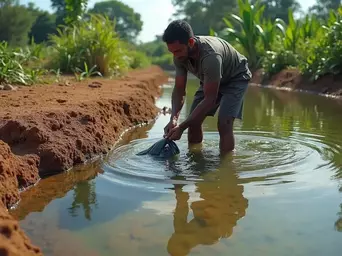
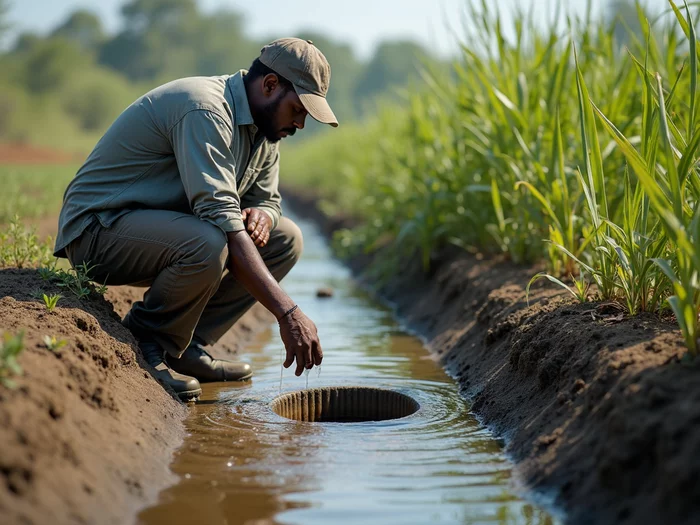
Inspect drainage valves monthly during active production periods and weekly during critical times like harvest or pond draining. Check for smooth operation, proper sealing, and signs of wear or corrosion. Lubricate moving parts with waterproof grease every three months, using products approved for potable water systems to avoid fish toxicity.
Clean standpipes and valve boxes quarterly to remove accumulated sediment and debris. Use a high-pressure water hose to flush pipes and check for blockages. If water flow seems restricted, use a drain snake or pressure jetting equipment to clear obstructions.
Monitor drain outlets for erosion or scour damage after every heavy rain or pond draining event. Install riprap (rock protection) or concrete splash pads where high-velocity water discharge threatens to erode soil. Maintain vegetation around outlets to slow water flow and filter sediments, but keep growth trimmed to prevent flow obstruction.
| Component | Frequency of Inspection | Maintenance Action |
|---|---|---|
| Valves | Monthly | Check operation, lubricate |
| Standpipes | Quarterly | Clean sediment, check for blockages |
| Drain outlets | After heavy rains | Inspect for erosion, repair as needed |
Routine Maintenance Checks and Troubleshooting
Establish a weekly inspection routine covering all drainage system components. Check valve operation by cycling through full open and closed positions, listening for unusual sounds that might indicate wear or damage. Observe water flow patterns during normal drainage to identify developing problems before they become serious.
Common drainage problems include valve leakage, pipe blockages, and erosion around outlets. Valve leakage often results from worn seals or debris caught in the valve seat—disassemble and clean valves quarterly, replacing seals annually or when damage is evident. Pipe blockages typically occur at joints or bends where debris accumulates—install cleanout fittings at strategic locations for easy access.
Address erosion problems immediately to prevent system failure and environmental damage. Small erosion areas can be repaired with stone riprap or concrete, but extensive damage may require pipe relocation or outlet redesign. Keep detailed records of problem areas and solutions to guide future maintenance planning and system improvements.
Economic Considerations
Basic earthen pond drainage systems cost 150-250 naira per square metre of pond area, including excavation, pipes, valves, and installation labour. This investment typically pays for itself within two production cycles through improved survival rates and operational efficiency. A farmer spending 25,000 naira on drainage for a 100 square metre pond can expect 15-20% higher yields compared to ponds without proper drainage control.
Concrete pond systems require 300-500 naira per square metre for drainage infrastructure, but offer superior long-term performance and operational flexibility. These systems reduce labour costs for pond management and cleaning whilst providing better disease control through complete water changes. Commercial operations often achieve 20-30% better feed conversion ratios in well-drained concrete systems compared to basic earthen ponds.
Calculate return on investment by comparing production improvements against installation costs. A properly drained pond producing 8-10 kilograms per square metre versus 5-7 kilograms in poorly drained systems generates 2,000-4,000 naira additional revenue per square metre annually. With catfish prices at 800-1,200 naira per kilogram, drainage system investments typically achieve full payback within 12-18 months.
| Drainage System Type | Initial Investment | Expected Yield Increase | Payback Period |
|---|---|---|---|
| Earthen pond systems | 15,000 - 25,000 naira | 15-20% increase | 12-18 months |
| Concrete pond systems | 40,000 - 60,000 naira | 20-30% increase | 12-18 months |
| Above-ground tank systems | 50,000 - 80,000 naira | 30-40% increase | 18-24 months |
Environmental Considerations and Sustainable Practices
Innovative Drainage Solutions
Modern sensor-based drainage systems provide automated water level control that optimises fish health whilst reducing labour requirements. These systems use float switches or ultrasonic sensors to monitor water levels, automatically opening or closing valves to maintain optimal conditions. Installation costs range from 15,000-25,000 naira per pond, but labour savings and improved production control often justify the investment for commercial operations.
Solar-powered drainage pumps offer sustainable solutions for farms without reliable electricity supply. A 12-volt solar pump system costs 35,000-50,000 naira but provides independent drainage capability during power outages or in remote locations. These systems work particularly well for emergency drainage situations or regular water exchange programmes that improve pond water quality.
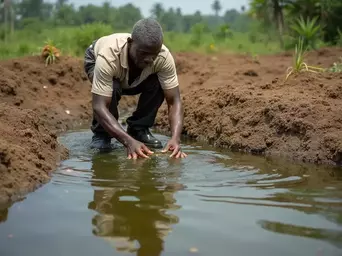
Constructed wetland systems treat pond discharge water before release to natural waterways, removing nutrients and suspended solids that could cause environmental problems. Build simple wetlands using local plants like water hyacinth or papyrus in shallow basins that allow 2-4 hours retention time. This treatment reduces environmental impact whilst creating additional income opportunities through wetland plant harvesting.
Summary of Drainage System Options
Earthen pond gravity drainage systems provide the most cost-effective solution for small to medium-scale operations, requiring minimal technical expertise and using locally available materials. These systems work well in areas with adequate slope and stable soil conditions, offering reliable performance at 150-250 naira per square metre installation cost. Maintenance requirements are moderate, focusing on valve operation and outlet erosion control.
Concrete pond drainage systems offer superior control and longevity for commercial operations willing to invest in higher initial costs. Installation requires skilled labour and quality materials but provides excellent waste removal, complete water control, and reduced long-term maintenance. These systems excel in intensive production scenarios where precise environmental control justifies the 300-500 naira per square metre investment.
Above-ground tank systems represent the premium option for high-value operations requiring maximum biosecurity and environmental control. Whilst installation costs reach 500-800 naira per square metre, these systems provide unmatched operational flexibility and disease prevention capabilities. Consider this option for breeding operations, research facilities, or premium market production where superior fish quality commands higher prices.
Hybrid systems combining earthen ponds with concrete drainage structures offer balanced performance and cost-effectiveness for many African catfish farmers. These systems use earthen pond construction for economy whilst incorporating concrete valve boxes and drainage sumps for improved control and durability. Installation costs typically range from 200-350 naira per square metre, providing good value for expanding commercial operations.
Conclusion
Effective drainage systems form the backbone of successful catfish farming, providing the water control capabilities essential for maintaining healthy fish, achieving optimal growth rates, and maximising production efficiency. The investment in proper drainage infrastructure—whether basic gravity systems for small ponds or sophisticated automated systems for commercial operations—pays dividends through improved survival rates and reduced operational costs, and enhanced operational flexibility that directly impacts your bottom line.
The technical knowledge you've gained here empowers you to design, install, and maintain drainage systems appropriate for your specific conditions and production goals. From calculating proper pipe sizes and installation gradients to establishing maintenance schedules that prevent costly failures, you now have the tools to implement professional-grade drainage systems using locally available materials and skilled labour. Remember that proper drainage isn't an expense—it's an investment in production stability and long-term profitability.
Start with your current facilities by evaluating existing drainage capabilities and identifying improvement opportunities that offer the highest return on investment. Whether you're installing your first drainage system or upgrading existing infrastructure, focus on proper design and quality installation that will serve your operation for years to come. The principles and techniques covered here work across all scales of catfish farming, from backyard ponds to commercial facilities, providing the foundation for sustainable and profitable aquaculture operations throughout Africa.
Frequently Asked Questions
What is the most cost-effective drainage system for a small-scale catfish farmer starting out?
For small to medium-scale operations, an earthen pond gravity drainage system is the most cost-effective solution. It requires minimal technical expertise and uses locally available materials, costing 150-250 naira per square metre and paying for itself within two production cycles through improved survival rates.
How can I prevent my pond's drainage pipe from causing erosion at the outlet during heavy rains?
You should monitor drain outlets for erosion or scour damage after every heavy rain or pond draining event. Install riprap (rock protection) or concrete splash pads where high-velocity water discharge threatens to erode soil. Maintaining vegetation around outlets also helps to slow water flow and filter sediments.
Why is it crucial to install anti-seep collars on my drainage pipes?
Anti-seep collars are crucial because they prevent water from flowing along the outside of drainage pipes, which can cause levee erosion and eventual failure. You should install collars made from rubber or plastic sheeting, extending 15cm from the pipe surface and sealed tightly at 2-3 metre intervals.
How do I determine the correct size of drainage pipe for my catfish pond?
You can calculate the required drainage capacity using the formula: Pipe diameter (cm) = 0.8 × √(pond area in square metres). For a 100 square metre pond, this means a minimum 8cm diameter pipe, but installing a 10-12cm pipe provides a better safety margin.
Can I use my pond's drainage water for other purposes on my farm?
Yes, you can design integrated aquaculture systems that use pond drainage water for crop irrigation, recycling valuable nutrients whilst reducing freshwater requirements. Consider designing your drainage system with holding ponds or settling basins to allow for particle removal before the water reaches your crop areas.


Yomi Adisa Lead Researcher
Yomi Adisa is the lead researcher at Fish Farming Business, where he studies what makes aquaculture ventures profitable across Africa. His research focuses on market patterns, buyer preferences, and the business decisions that determine success or failure in fish farming.