How to Install Monk Structures for Catfish Pond Water Control
Posted on: 2025-11-25
By: Yomi Adisa
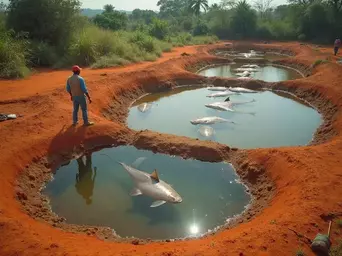
You've stocked your catfish pond with healthy fingerlings and watched them grow, but then disaster strikes – heavy rains cause your pond to overflow, washing away months of investment and hard work. Or perhaps you're struggling with poor water quality because you can't effectively drain and refresh your pond water when needed.
These water management challenges plague catfish farmers across Africa, from small-scale operations in rural Ghana to commercial farms in Nigeria's aquaculture belt. Without proper water control systems, you're constantly battling against unpredictable weather, declining water quality, and the risk of fish escaping during floods.
This article provides you with comprehensive technical knowledge about monk structures – engineered water control systems that solve these critical pond management problems. You'll learn exactly what monk structures are, how they function, and most importantly, how to install them correctly in your catfish ponds.
Proper water management through monk structures directly impacts your catfish production success. These systems allow you to control water levels precisely, maintain optimal water quality, prevent fish escapes, and even assist with harvesting. For catfish farmers managing ponds larger than 500 square metres, monk structures become essential infrastructure that protects your investment and ensures consistent production cycles.
The principles of effective water control systems apply across different aquaculture species, and understanding water quality management for tilapia can provide valuable insights for catfish farmers looking to optimise their pond systems. While the specific requirements differ between species, the fundamental concepts of water level control and overflow management remain consistent across pond-based aquaculture operations.
What You Will Learn
- Learn how to select the appropriate monk structure type based on pond size and production needs.
- Discover the essential steps for proper site preparation and foundation work to ensure stability.
- Master the installation techniques for effective water level control and overflow management.
- Understand the critical maintenance practices to prolong the life and functionality of your monk structures.
- Explore troubleshooting tips to quickly resolve common issues with water control systems.
What is a Monk Structure?
You need to understand exactly what a monk structure is before you invest time and money installing one in your catfish pond. A monk structure is essentially a vertical water control tower that sits at the deepest point of your pond, allowing you to regulate water levels with precision whilst preventing your valuable catfish from escaping. Think of it as the control centre for your entire pond's water management system.
Most catfish farmers across Nigeria and Ghana struggle with basic water control – they either have too much water during rainy season or can't drain their ponds effectively for harvesting. A properly installed monk structure solves both problems by giving you complete control over water inflow, outflow, and emergency overflow situations. This isn't just convenient infrastructure; it's essential equipment that protects your investment in African catfish (Clarias gariepinus) stock.
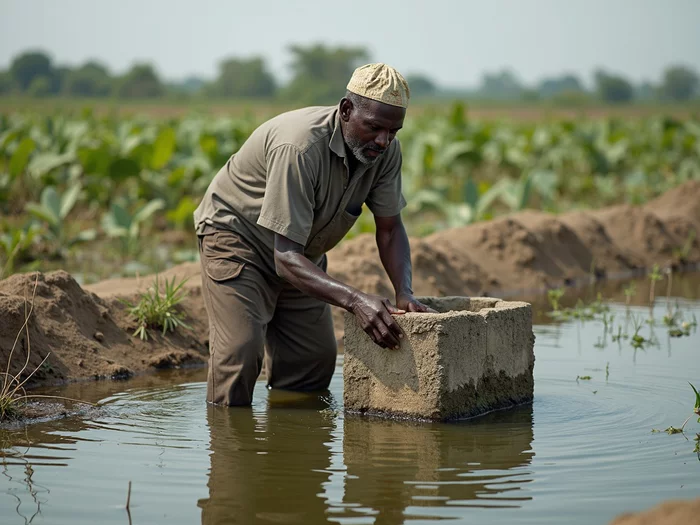
The beauty of monk structures lies in their simplicity and effectiveness. You can adjust water levels gradually without stressing your fish, maintain optimal depths for different growth stages, and even use the structure to assist with partial harvesting when your catfish reach market size.
Definition and Purpose
A monk structure functions as a vertical drainage and overflow system installed at your pond's outlet point, typically where water naturally wants to flow out. You control water levels by adjusting removable boards or gates within the structure, allowing water to flow over the top when it reaches your desired level. The structure includes screens or mesh to prevent fish from escaping whilst allowing water to flow freely.
Your monk structure serves three critical functions in catfish production: it prevents fish escape during heavy rains, allows controlled drainage for pond management, and provides emergency overflow protection when water levels rise too quickly. In earthen ponds common across Kenya and Uganda, monk structures also prevent erosion at the outlet point by controlling water flow velocity.
Benefits for Catfish Farmers
You gain immediate control over water quality management when you install a monk structure in your catfish pond. During Nigeria's rainy season (May to October), you can prevent pond overflow that would otherwise wash away months of investment in fingerlings and feed. The structure allows you to maintain optimal water depths of 1.2-1.5 metres for adult African catfish whilst providing shallow areas for feeding.
Your harvesting operations become significantly easier with a monk structure because you can gradually lower water levels to concentrate fish in smaller areas. Commercial catfish farmers in Ghana's Ashanti region report 30% faster harvesting times when using monk structures compared to seining nets alone. The structure also prevents the costly problem of fish escaping into irrigation channels or natural water bodies, which can result in total stock loss during flood events.
Types of Monk Structures (Slot, Gate, Pipe)
You have three main monk structure designs to choose from when planning your catfish pond water control system, each with distinct advantages depending on your farm size, budget, and management style. Understanding these different types helps you select the most appropriate system for your specific production needs and local conditions. The choice between slot, gate, and pipe monk structures can significantly impact your long-term pond management efficiency and maintenance costs.
Your decision should consider factors like pond size, expected water flow volumes, and how frequently you'll need to adjust water levels throughout your catfish production cycles. Commercial catfish farmers in Nigeria's Ogun State often prefer different monk types depending on whether they're managing nursery ponds (requiring frequent water level changes) or grow-out ponds (needing stable water levels with occasional drainage). Each design offers unique benefits for controlling water flow whilst preventing your valuable African catfish stock from escaping.
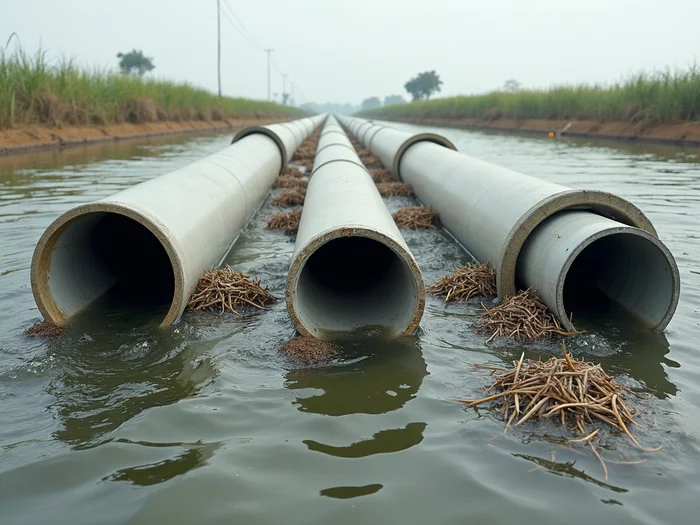
The construction complexity and material costs vary considerably between these three monk structure types, making it essential to match your choice with your technical skills and available resources. Some designs work better in clay soils common across Ghana's Volta Region, whilst others perform more reliably in sandy soils found in parts of Kenya's aquaculture zones.
Slot Monk Structures
You install slot monk structures by creating vertical grooves or channels in concrete or wooden walls that hold removable boards for water level control. These boards slide into the slots, allowing you to stack them to your desired water height whilst the top board acts as an overflow weir. The design works particularly well for catfish ponds between 500-2000 square metres where you need precise water level control during different production phases.
Your slot monk structure requires careful construction to ensure the boards fit snugly without allowing fish to escape through gaps. Most successful installations in Uganda's catfish farms use 25mm thick hardwood boards or concrete panels that slide smoothly in 30mm wide slots. You'll want to install fine mesh screens (2-3mm openings) on the downstream side to prevent fingerlings from escaping whilst allowing debris to flow out with the water.
Gate Monk Structures
You operate gate monk structures using hinged or sliding gates that open and close to control water flow, offering more robust construction than slot systems but requiring more complex installation. These structures work exceptionally well in larger commercial operations where you need reliable, long-term water control without frequent board adjustments. The gate mechanism allows you to fine-tune water flow rates, making them ideal for ponds exceeding 3000 square metres.
Your gate monk installation requires proper sealing mechanisms to prevent leakage around the gate edges, typically using rubber gaskets or expanding foam seals. Commercial catfish farmers in Egypt's Nile Delta region favour gate structures because they withstand heavy siltation and debris loads during flood seasons. You'll need to budget approximately ₦150,000-250,000 for a quality gate monk structure, but the durability and ease of operation justify the higher initial investment for serious catfish production operations.
Pipe Monk Structures
You construct pipe monk structures using vertical standpipes with adjustable outlets, offering the simplest and most cost-effective water control solution for smaller catfish ponds. The system works by installing a vertical pipe at your pond's deepest point, with the water level determined by the height of the pipe outlet or elbow fitting. You can adjust water levels by changing pipe sections or using adjustable elbow joints to raise or lower the discharge point.
Your pipe monk structure costs significantly less than slot or gate systems, typically requiring only ₦25,000-45,000 in materials for ponds up to 1000 square metres. However, you must install adequate screening around the pipe intake to prevent catfish from entering the drainage system, using 5mm mesh for adult fish and 2mm mesh for fingerling ponds. Small-scale catfish farmers in Ghana's Northern Region successfully use PVC pipe monks with 150-200mm diameter pipes, though you'll need to clean debris from the intake screens more frequently than with other monk types.
Materials and Design Options
You face critical decisions about materials and design specifications when planning your monk structure installation, choices that will determine both your initial investment and long-term maintenance costs. The materials you select must withstand constant water exposure, resist corrosion from organic matter in your catfish pond, and provide reliable structural integrity for years of operation. Poor material choices lead to frequent repairs, fish escapes, and ultimately higher costs than investing in quality components from the start.
Your design specifications directly impact how effectively the monk structure controls water levels and prevents your African catfish (Clarias gariepinus) from escaping during various growth stages. The screen mesh sizes, structure dimensions, and overflow heights must match your specific catfish production system, whether you're managing fingerlings in nursery ponds or adult fish in grow-out facilities. Commercial catfish farmers in Nigeria's Lagos State often discover that undersized monk structures become bottlenecks during heavy rains, whilst oversized systems waste money without providing additional benefits.
The local availability of materials significantly affects your project costs and timeline, making it essential to balance ideal specifications with practical sourcing considerations. Materials readily available in Ghana's Kumasi markets might cost twice as much in remote areas of Northern Uganda, forcing you to adapt your design to local supply chains whilst maintaining functionality.
Common Materials Used
You can construct effective monk structures using concrete, PVC, treated timber, or steel, each offering distinct advantages depending on your budget and local conditions. Concrete provides the most durable option, typically lasting 15-20 years with minimal maintenance, but requires skilled labour and costs approximately ₦80,000-120,000 for materials in a standard 1000 square metre pond installation. The concrete must include proper reinforcement with 12mm steel rods and waterproof additives to prevent cracking in clay soils common across Kenya's aquaculture regions.
Your PVC monk structure offers the most cost-effective solution for smaller operations, requiring only ₦25,000-40,000 in materials whilst providing 8-12 years of reliable service. Use 200-250mm diameter PVC pipes for the main structure with 150mm branches for water control, ensuring all joints include proper PVC cement and rubber gaskets. Treated hardwood works well in areas with reliable timber supplies, costing ₦35,000-55,000 but requiring annual treatment with wood preservatives to prevent rot in Uganda's humid climate conditions.
Design Specifications
You need to size your monk structure based on your pond's maximum water volume and expected flow rates during peak drainage operations. For catfish ponds between 500-1500 square metres, install monk structures with 200-300mm diameter outlets to handle drainage within 24-48 hours without creating excessive water velocity that stresses your fish. The structure height should extend 300-500mm above your maximum desired water level to provide adequate overflow capacity during unexpected rainfall events.
Your screen mesh specifications must prevent fish escape whilst allowing adequate water flow and debris passage. Use 2-3mm mesh openings for fingerling ponds containing catfish under 50 grams, 5-8mm mesh for juvenile fish (50-200 grams), and 10-15mm mesh for adult African catfish exceeding 500 grams. Install screens at 45-degree angles to the water flow to reduce clogging and make cleaning easier. Commercial operations in Ghana's Brong-Ahafo region typically install removable screen panels that can be lifted out for cleaning without draining the entire pond.
Step-by-Step Installation Guide
You must approach monk structure installation with careful planning and precise execution to ensure your water control system functions reliably for years of catfish production. The installation process requires specific technical steps that, when followed correctly, create a robust system capable of handling both routine water management and emergency overflow situations. Rushing through installation or skipping critical steps leads to expensive repairs, fish losses, and system failures during crucial production periods.
Your installation success depends heavily on proper site preparation and foundation work, areas where many catfish farmers make costly mistakes that compromise the entire system. The monk structure must integrate seamlessly with your pond's drainage system whilst maintaining structural integrity under varying water pressures and soil conditions. Poor installation techniques result in leakage around the structure base, uneven settling that creates gaps, and inadequate anchoring that allows the structure to shift during heavy water flows.
The complexity of monk structure installation varies significantly depending on whether you're retrofitting an existing pond or incorporating the system into new pond construction. New pond installations allow you to optimise the entire drainage system design, whilst retrofitting requires careful integration with existing infrastructure and may involve temporary fish relocation during construction phases.
Site Preparation
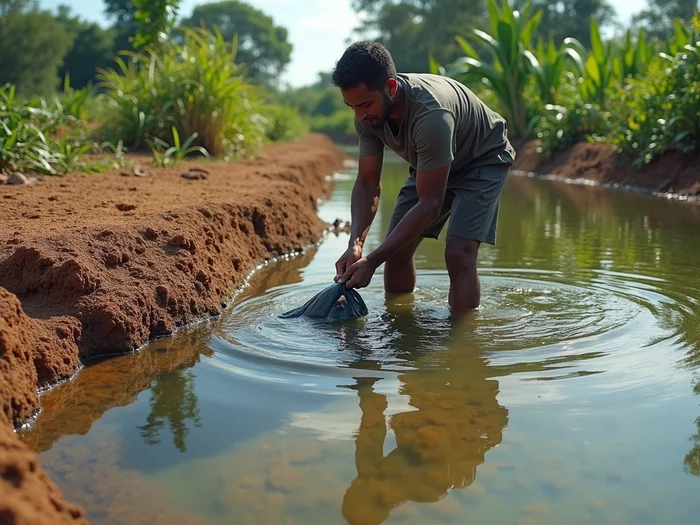
You begin site preparation by identifying the optimal location for your monk structure, typically at the pond's deepest point where water naturally collects during drainage operations. The site must provide stable soil conditions capable of supporting the structure's weight and resisting erosion from concentrated water flow. Excavate a foundation area extending 500mm beyond the structure's footprint on all sides, reaching depths of 800-1200mm below the pond bottom to ensure adequate anchoring in clay soils common across Nigeria's Middle Belt region.
Your foundation preparation requires compacting the excavated area and installing a concrete base pad at least 150mm thick with proper reinforcement. Mix concrete using a 1:2:4 ratio (cement:sand:aggregate) with waterproofing additives to prevent seepage around the structure base. Allow the foundation to cure for minimum 7 days before proceeding with structure installation, extending this period to 14 days in humid conditions typical of Ghana's coastal regions where slower curing improves long-term durability.
Installation Process
You install the monk structure by positioning it precisely on the prepared foundation and securing it with anchor bolts or concrete collars that prevent movement under water pressure. For concrete monk structures, use expanding anchor bolts with minimum 150mm embedment depth, whilst PVC systems require concrete anchor rings that distribute loads evenly across the foundation. Apply waterproof sealant around all connection points between the structure and foundation to prevent leakage that could undermine the installation over time.
Your water control components must be installed with careful attention to alignment and sealing to ensure smooth operation throughout the structure's service life. Install slot guides or gate frames with precise vertical alignment using spirit levels and temporary bracing until concrete sets completely. Test all moving parts before backfilling around the structure, ensuring boards slide smoothly in slot systems and gates operate without binding. Commercial catfish farmers in Kenya's Central Province recommend installing temporary bypass pipes during construction to maintain water circulation if fish cannot be relocated during installation.
Water Level Control and Overflow Management
You establish effective water level control by calibrating your monk structure's board positions or gate settings to maintain optimal depths for different catfish production phases. Mark board positions clearly for standard operating levels: 800-1000mm depth for fingerling ponds, 1200-1500mm for grow-out operations, and 600-800mm for harvesting activities. Create a simple chart showing board configurations for different water levels, helping farm workers maintain consistent pond management even when you're not present.
Your overflow management system must handle emergency situations during heavy rainfall without allowing fish to escape or causing erosion damage to pond structures. Install emergency spillways or overflow channels that activate when water levels exceed your monk structure's capacity, directing excess water safely away from fish-holding areas. Size these emergency systems to handle 100-year flood events typical in your region – approximately 150-200mm of rainfall in 24 hours across most of sub-Saharan Africa's catfish farming zones.
Maintenance and Troubleshooting
You must establish regular maintenance routines for your monk structure to ensure reliable water control throughout your catfish production cycles, preventing small problems from becoming expensive system failures. Neglected monk structures develop leaks, screen blockages, and mechanical problems that compromise your ability to manage water levels effectively during critical periods like harvesting or emergency drainage. The maintenance requirements vary depending on your structure type and local conditions, but consistent attention prevents most serious problems before they impact your catfish production.
Your troubleshooting skills become essential when monk structures don't perform as expected, particularly during high-stress situations like flood events or urgent pond drainage needs. Understanding common failure modes and their solutions helps you respond quickly to problems, minimising fish stress and production losses. Many catfish farmers across Uganda's aquaculture regions lose valuable time and fish because they don't recognise early warning signs of monk structure problems or lack the knowledge to implement quick fixes.
The cost of proper maintenance represents a small fraction of your monk structure investment but dramatically extends system life and reliability. Commercial operations in Nigeria's Kaduna State typically budget 5-8% of their initial monk structure costs annually for maintenance activities, finding this investment prevents major repairs that could cost 50-100% of the original installation expense.
Routine Maintenance Practices
You should inspect your monk structure weekly during active production periods, checking for signs of leakage, structural damage, or screen blockages that could affect water control or allow fish escapes. Clean debris from intake screens using a stiff brush or high-pressure water spray, paying particular attention to organic matter that accumulates during feeding periods. Remove any vegetation growing around the structure that could interfere with water flow or provide hiding places for predators that might enter your catfish pond.
Your maintenance schedule must include monthly checks of all moving parts, lubricating gate hinges and testing board fit in slot systems to ensure smooth operation when you need to adjust water levels quickly. Apply appropriate lubricants to metal components – marine-grade grease for gate mechanisms and food-safe lubricants for any parts that contact pond water. Tighten anchor bolts and check foundation integrity every six months, looking for settlement or erosion that could compromise structural stability over time.
Common Issues and Solutions
You'll encounter screen clogging as the most frequent monk structure problem, particularly during algae blooms or heavy feeding periods when organic matter accumulates rapidly around intake areas. Install multiple screen panels that can be cleaned alternately without stopping water flow, or use rotating drum screens that self-clean through water movement. When screens become completely blocked, remove them carefully to avoid fish escapes and clean thoroughly with diluted bleach solution (1:10 ratio) before reinstalling.
Your monk structure may develop leaks around board slots or gate seals, typically caused by warping, debris accumulation, or normal wear of sealing materials. Replace worn rubber gaskets immediately and ensure boards fit snugly in their slots without forcing, which can damage both boards and slot guides. For persistent leakage problems, apply underwater epoxy sealants or install additional gasket materials, but address root causes like structural settlement or component wear rather than just treating symptoms. Catfish farmers in Ghana's Ashanti region successfully use expanding foam sealants for temporary leak repairs whilst planning permanent solutions.
Considerations for Monk Structures
You need to weigh the significant advantages of monk structures against their limitations and costs to determine whether they represent the best water control solution for your specific catfish farming operation. While monk structures provide excellent water management capabilities, they require substantial initial investment and ongoing maintenance that may not be justified for all pond sizes or production systems. Understanding these trade-offs helps you make informed decisions about when to invest in monk structures versus alternative water control methods.
Your evaluation should consider both immediate benefits and long-term implications of monk structure installation, including how the system will perform under different weather conditions and production scenarios. The multi-functional nature of monk structures makes them particularly valuable for commercial operations, but smaller catfish farmers might achieve adequate water control through simpler, less expensive alternatives. Regional factors like soil type, rainfall patterns, and local construction costs significantly influence whether monk structures provide good value for your investment.
The decision becomes more complex when you consider that monk structures represent permanent infrastructure that affects your pond design and management practices for decades. Once installed, these systems influence how you conduct routine operations like feeding, harvesting, and pond maintenance, making it essential to understand all implications before committing to installation.
Advantages and Disadvantages
You gain precise water level control with monk structures, allowing you to maintain optimal depths for different catfish growth stages whilst preventing fish escapes during flood events or routine drainage operations. The structures provide reliable overflow protection that can save your entire stock during unexpected heavy rains, a critical benefit in regions like Nigeria's Niger Delta where seasonal flooding threatens catfish farms annually. Your harvesting operations become significantly more efficient because you can concentrate fish in smaller areas by gradually lowering water levels, reducing labour costs and fish stress compared to seining methods.
Your initial investment in monk structures ranges from ₦25,000 for simple PVC systems to ₦250,000 for concrete gate structures, representing substantial capital requirements that may strain budgets for smaller operations. The structures require regular maintenance and occasional repairs that add ongoing costs to your production budget, whilst improper installation or maintenance can lead to catastrophic failures during critical periods. You also lose some flexibility in pond design and management because the monk structure's fixed location determines drainage patterns and influences how you conduct routine operations like feeding and water quality monitoring.
When considering the broader financial implications of your aquaculture operation, it's important to understand how infrastructure investments like monk structures affect your overall profitability. The hidden costs that can ruin your fish farm often include inadequate planning for water management infrastructure, making proper monk structure installation a crucial investment that prevents more expensive problems later in your operation.
Regulatory Considerations
You must comply with various regulatory requirements when installing monk structures in your catfish ponds, particularly regarding water discharge, environmental protection, and aquaculture facility standards. Most African countries have specific regulations governing pond construction and water management systems, though enforcement varies significantly between regions and countries. Understanding these requirements before installation prevents costly modifications or legal complications that could disrupt your catfish production operations.
Your monk structure installation may require permits or approvals from local water authorities, environmental agencies, or aquaculture departments, depending on your pond size and location. In Nigeria, the Federal Ministry of Agriculture and Rural Development requires registration for commercial aquaculture facilities exceeding certain production thresholds, whilst Kenya's National Environment Management Authority oversees environmental impact assessments for larger installations. Contact your local agricultural extension office or aquaculture association to understand specific requirements in your area before beginning construction.
The discharge water from your monk structure must meet environmental standards for pH, dissolved oxygen, and nutrient content to prevent pollution of downstream water bodies. Install appropriate treatment systems if your pond water doesn't meet discharge standards, particularly important in densely populated areas where water quality affects community water supplies. Some regions require monitoring and reporting of discharge volumes and quality, adding administrative responsibilities to your farm management routine but ensuring sustainable aquaculture practices that protect local water resources.
Summary Table
| Key Points | Details |
|---|---|
| Definition of Monk Structure | Vertical water control tower at the pond's deepest point; regulates water levels and prevents fish escape. |
| Optimal Water Depths | Maintain 1.2-1.5 metres for adult African catfish; 800-1000mm for fingerlings. |
| Types of Monk Structures | Slot (500-2000m²), Gate (exceeding 3000m²), Pipe (up to 1000m²) with varying costs and complexity. |
| Installation Costs | Costs range from ₦25,000 (PVC) to ₦250,000 (concrete gate structures). |
| Screen Mesh Sizes | 2-3mm for fingerlings, 5-8mm for juveniles, 10-15mm for adults. |
| Foundation Preparation | Excavate 500mm beyond structure footprint; depth of 800-1200mm; compact and pour 150mm thick concrete base. |
| Maintenance Practices | Weekly inspections, clean screens, monthly checks of moving parts; budget 5-8% of installation cost for maintenance. |
| Emergency Overflow Systems | Design to handle 100-year flood events; ensure fish safety and prevent erosion. |
Conclusion
Installing monk structures properly requires careful planning, quality materials, and attention to detail during construction. Choose the right type for your pond size and budget—pipe systems work well for smaller operations whilst gate structures suit larger commercial farms. Remember that proper foundation work and sealing prevent most long-term problems.
You now have the technical knowledge to evaluate whether monk structures make sense for your catfish operation and how to install them correctly. Start with thorough site preparation and don't rush the installation process. Your investment in proper water control infrastructure protects your catfish stock and makes pond management much easier.
As you improve your water control systems, focus next on optimising your pond drainage and harvesting techniques. Monk structures work best when integrated with well-designed pond layouts and efficient harvesting methods that reduce fish stress and labour costs.
Frequently Asked Questions
What pond size is best suited for each type of monk structure?
Pipe monk structures are most cost-effective for smaller catfish ponds up to 1000 square metres. Slot monk structures are ideal for ponds between 500-2000 square metres where precise water level control is needed. Gate monk structures are best for larger commercial operations, especially those exceeding 3000 square metres, due to their robust construction and fine-tuned flow control.
How can I prevent my African catfish fingerlings from escaping through the monk structure screens?
You must use appropriately sized mesh screens to prevent fingerling escape. For catfish under 50 grams, use screens with 2-3mm mesh openings. Ensure screens are installed at a 45-degree angle to the water flow to minimise clogging and make cleaning easier.
What maintenance is required for a monk structure in a catfish pond?
You should inspect your monk structure weekly for leaks, damage, or blockages, and clean screens of debris. Monthly, check all moving parts like gate hinges and board fits, lubricating as necessary. Every six months, tighten anchor bolts and check the foundation for stability.
What are the typical material costs for installing a monk structure in an African catfish pond?
Pipe monk structures are the most affordable, costing approximately ₦25,000-45,000. Treated timber systems range from ₦35,000-55,000. Concrete monk structures are more durable but cost around ₦80,000-120,000, while gate monk structures can range from ₦150,000-250,000 for quality installations.
How high should a monk structure extend above my desired water level to manage overflows effectively?
Your monk structure should extend 300-500mm above your maximum desired water level. This provides sufficient overflow capacity to manage unexpected heavy rainfall events without overwhelming the system or risking fish escape. Additionally, consider installing emergency spillways for extreme weather conditions.


Yomi Adisa Lead Researcher
Yomi Adisa is the lead researcher at Fish Farming Business, where he studies what makes aquaculture ventures profitable across Africa. His research focuses on market patterns, buyer preferences, and the business decisions that determine success or failure in fish farming.