Inlet and Outlet Structures for Catfish Ponds: Practical Guide to Water Flow Control and Fish Retention
Posted on: 2025-11-13
By: Yomi Adisa
Inlet and Outlet Structures for Catfish Ponds: Practical Guide to Water Flow Control and Fish Retention
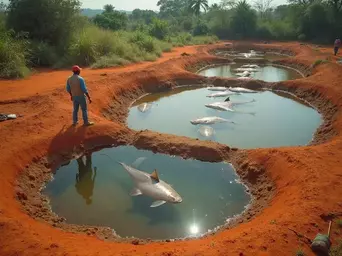
You've invested months nurturing your catfish fingerlings, watching them grow from 5 grams to nearly harvestable size. Then disaster strikes during the rainy season. Poor water flow control causes oxygen depletion overnight, and you wake to find 200 fish floating belly-up in your 100-square-metre pond.
The financial loss hits hard—approximately 60,000 naira worth of fish gone because your inlet structure couldn't handle the sudden influx of rainwater, whilst your outlet failed to maintain proper drainage.
📑 Table of Contents
This devastating scenario plays out across Nigerian fish farms every year, yet it's entirely preventable with proper inlet and outlet structures. These critical components control water quality, prevent fish escapes, and maintain the delicate balance your catfish need to thrive. Without them, you're gambling with every naira you've invested. Poor water flow management doesn't just kill fish—it wastes feed, stunts growth, and turns profitable ventures into expensive lessons.
This comprehensive guide provides you with complete technical knowledge for designing, installing, and maintaining effective water flow systems. You'll learn exact specifications for different structure types, understand placement principles that prevent common failures, and master maintenance techniques that protect your investment.
Whether you're managing earthen ponds in Ogun State or tarpaulin systems in Lagos, proper water control structures transform unpredictable farming into reliable production. The difference between profit and loss often comes down to these seemingly simple but critically important systems that govern every drop of water entering and leaving your pond.
🎯 What You'll Learn
- Learn how to design and install effective inlet and outlet structures to control water flow and prevent fish loss during heavy rainfall.
- Master the selection of materials and sizing techniques for your water control systems to ensure durability and reliability in your catfish ponds.
- Understand how to implement strategic maintenance practices to prevent common outlet issues and maintain optimal water quality for your catfish.
Understanding Inlet and Outlet Structures and Their Impact on Water Quality
Types of Inlet and Outlet Structures
Your choice of inlet and outlet structures directly determines your pond's water quality stability and fish retention success. Each type offers distinct advantages depending on your pond size, budget, and management style. Understanding these options helps you make informed decisions that protect your investment whilst maximising fish health.
Stand-pipe outlets represent the most reliable option for earthen ponds. These vertical pipes, typically 150-200mm in diameter, extend from the pond bottom through the embankment wall. You control water levels by adjusting removable boards or installing gate valves at different heights. The main advantage lies in precise water level control - you can drain completely for harvesting or maintain specific depths during production.
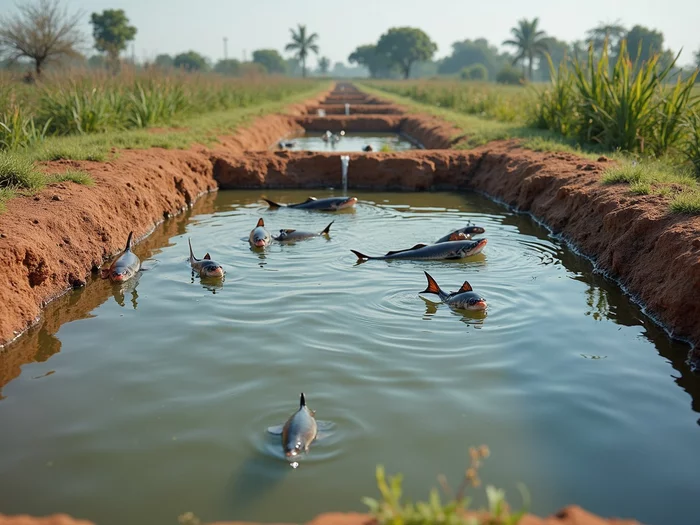
However, stand-pipes require skilled installation to prevent leakage around the pipe-to-embankment junction, and initial costs run 15,000-25,000 naira for materials in a 200-square-metre pond. Drop outlets work exceptionally well for smaller ponds where you need reliable drainage without complex mechanisms. These L-shaped structures feature a vertical intake section connected to a horizontal drain pipe.
Water enters through the vertical section and flows out through the horizontal pipe. You'll appreciate their simplicity - no moving parts to break or maintain. Construction costs remain modest at 8,000-12,000 naira for materials, but they offer limited water level adjustment once installed.
Siphon systems provide excellent solutions when you cannot install pipes through embankments. These inverted U-shaped pipes start drainage automatically once water reaches the pipe's highest point. Siphons work particularly well for temporary ponds or rental situations where permanent modifications aren't permitted. The downside involves priming requirements - you must fill the pipe with water to start the siphoning action, and air bubbles can break the siphon effect.
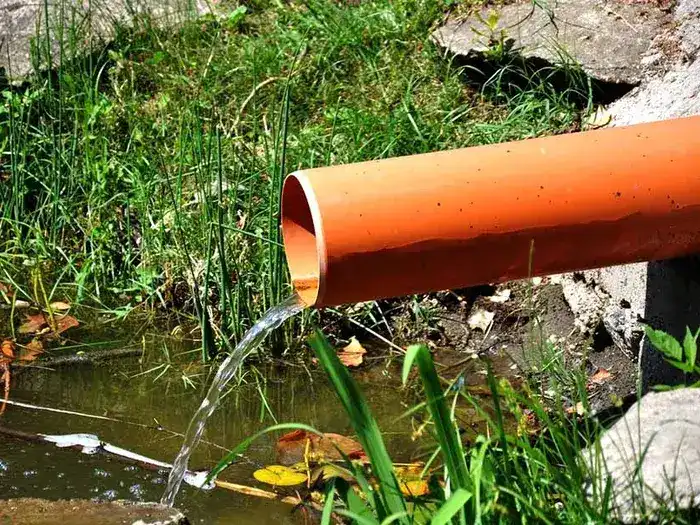
Pipe inlets offer the most controlled water introduction method. Install these horizontal pipes 30-50cm below your desired water surface, allowing smooth water entry that minimises turbulence and erosion. Pipe diameters of 100-150mm handle most small-scale operations effectively. You can add valve controls for precise flow regulation, though this increases costs by 3,000-5,000 naira per valve.
| Structure Type | Advantages | Disadvantages | Cost (Naira) | Lifespan |
|---|---|---|---|---|
| Stand-pipe Outlets | Precise water level control | Skilled installation required | 15,000-25,000 | 20-25 years |
| Drop Outlets | Simplicity and low maintenance | Limited adjustability | 8,000-12,000 | Not specified |
| Siphon Systems | No permanent modifications needed | Priming requirements | 3,000-5,000 | Not specified |
| Pipe Inlets | Controlled water introduction | Additional costs for valves | 12,000-18,000 | 15-20 years |
Materials Used for Construction
Material selection significantly impacts both initial investment and long-term reliability. PVC pipes dominate small-scale installations due to their 15-20 year lifespan, corrosion resistance, and reasonable costs. A complete PVC outlet system for a 100-square-metre pond costs 12,000-18,000 naira including fittings. PVC handles Nigerian climate conditions well, though UV exposure can cause brittleness over time - always bury pipes or provide shade protection.
Concrete structures offer maximum durability for permanent installations. Properly constructed concrete outlets last 25-30 years with minimal maintenance. However, construction requires skilled labour and costs 25,000-40,000 naira for materials and installation. Concrete works best for larger operations where the higher initial investment spreads across greater production volumes.
Steel pipes provide strength for high-flow situations but suffer from corrosion in pond environments. Even galvanised steel shows rust signs within 5-7 years in tropical humidity. Reserve steel for emergency repairs or temporary installations where cost considerations outweigh longevity concerns. Bamboo represents an innovative low-cost option gaining popularity among small-scale farmers.
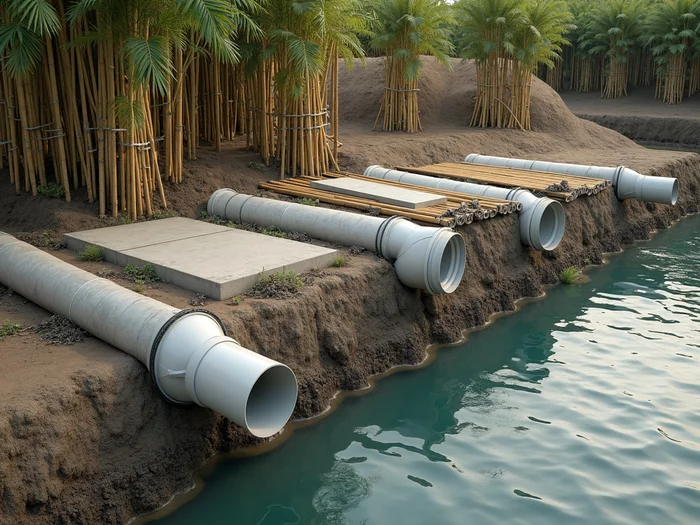
Large bamboo culms, properly sealed and treated, function effectively as inlet pipes for 2-3 years. Costs remain minimal at 500-1,000 naira per structure, making bamboo ideal for testing pond designs before investing in permanent materials.
| Material Type | Durability | Cost (Naira) | Maintenance | Ideal Use |
|---|---|---|---|---|
| PVC | 15-20 years | 12,000-18,000 | Low maintenance | Small-scale installations |
| Concrete | 25-30 years | 25,000-40,000 | Requires skilled labour | Larger operations |
| Steel | 5-7 years | Not specified | High maintenance due to corrosion | Temporary repairs |
| Bamboo | 2-3 years | 500-1,000 | Minimal maintenance | Testing designs |
Technical Specifications
Proper sizing ensures your structures handle required flow rates without creating problems. For inlet pipes, calculate diameter based on your water source flow rate and desired filling time. A 100mm diameter pipe delivers approximately 15 litres per minute under normal gravity flow - sufficient to fill a 50-cubic-metre pond in 55 hours. Increase to 150mm diameter for faster filling or larger ponds.
Outlet pipe sizing depends on your drainage requirements and emergency overflow needs. Size your main outlet to drain the pond completely within 24-48 hours for harvesting purposes. This typically requires 100mm diameter pipes for ponds up to 200 square metres, 150mm for ponds up to 500 square metres. Always include an emergency overflow outlet sized 25% larger than your main outlet to handle unexpected rainfall.
Placement depth affects both functionality and fish retention. Install inlet pipes 30-50cm below normal water surface to prevent surface turbulence whilst ensuring adequate mixing. Outlet structures should reach the pond bottom for complete drainage, with the intake point 10-15cm above the bottom to prevent sediment blockage. Flow rates directly impact water quality parameters.
Target complete water exchange every 7-10 days during hot season, extending to 14-21 days during cooler periods. This translates to continuous flow rates of 2-3% of pond volume daily. For a 100-cubic-metre pond, maintain inflow of 2-3 cubic metres per day during peak production periods.
| Pipe Diameter (mm) | Flow Rate (litres/minute) | Pond Size (cubic metres) | Drainage Time (hours) |
|---|---|---|---|
| 100 mm | 15 | Up to 50 | 55 |
| 150 mm | Not specified | Larger than 50 | To be calculated |
Water Quality Management Techniques
Effective inlet and outlet design supports critical water quality parameters that determine fish health and growth rates. Dissolved oxygen levels depend heavily on water circulation patterns created by your inlet placement. Position inlets to create gentle circulation that moves oxygenated surface water throughout the pond without creating dead zones where waste accumulates.
Temperature stratification poses serious risks in deeper ponds during hot season. Your inlet design should introduce cooler incoming water at multiple depths to prevent thermal layering. Install multiple inlet points or use diffuser systems that distribute incoming water vertically rather than creating surface-only flow patterns.
Ammonia and nitrite control relies on adequate water exchange rates through properly functioning outlets. Stagnant areas with poor circulation accumulate toxic compounds that stress fish and reduce growth rates. Your outlet placement should encourage flow patterns that sweep waste toward the drainage point whilst maintaining adequate residence time for beneficial bacteria to process waste products. pH stability improves with consistent water exchange through well-designed inlet systems.
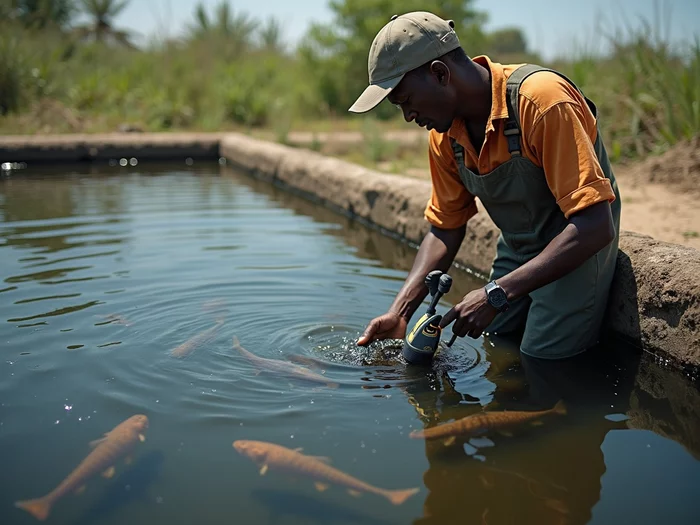
Incoming water should enter gradually to prevent sudden pH swings that shock fish. Install baffles or splash plates at inlet points to dissipate energy and allow gradual mixing with existing pond water.
Integrating Design with Fish Habitat Needs
Catfish behaviour patterns influence optimal inlet and outlet placement for both water quality and fish comfort. Catfish prefer areas with gentle current and protection from direct flow, so avoid placing inlets where they create high-velocity zones that stress fish. Instead, design inlet systems that create broad, gentle circulation patterns mimicking natural river conditions.
Feeding areas require special consideration in your water flow design. Position inlets and outlets to create circulation patterns that carry uneaten feed toward collection points rather than allowing it to settle in pond corners where it decomposes and degrades water quality. This circulation pattern also helps distribute dissolved oxygen to areas where fish congregate during feeding.
Spawning behaviour in breeding ponds demands specific flow characteristics. Breeding catfish seek areas with gentle current and suitable substrate. Your inlet design should create these conditions in designated areas whilst maintaining overall pond circulation for water quality management. Fish size affects their ability to resist water currents, particularly important during harvesting operations.
Juvenile fish require gentler flow rates than adult fish. Adjust your inlet flow rates based on fish size - reduce flows when fish are small and vulnerable, increase gradually as they grow stronger.
Summary Table/Comparison
Stand-pipe outlets excel in versatility and control, making them ideal for permanent earthen ponds where precise water level management justifies the 15,000-25,000 naira investment. Their 20-25 year lifespan and complete drainage capability suit commercial operations best. Drop outlets provide reliable, low-maintenance drainage for smaller ponds at 8,000-12,000 naira material costs.
Limited adjustability restricts their use to situations where fixed water levels work adequately, but their simplicity appeals to beginning farmers. Siphon systems offer temporary solutions or rental pond applications where permanent modifications aren't feasible. Costs remain minimal at 3,000-5,000 naira, though operational complexity and reliability concerns limit their commercial application.
PVC materials balance cost, durability, and ease of installation for most small-scale operations. Steel provides strength but suffers corrosion, whilst concrete offers maximum longevity at higher initial costs. Bamboo serves as an excellent testing material for design concepts before permanent installation. Proper sizing requires 100-150mm diameter pipes for most small-scale applications, with flow rates targeting complete water exchange every 7-21 days depending on season and stocking density.
Emergency overflow capacity should exceed normal outlet capacity by 25% to handle unexpected rainfall safely.
Designing Effective Water Flow Systems
Water Flow Control Methods
Controlling water flow requires understanding both mechanical systems and natural pond dynamics. Gate valves provide the most precise control method, allowing you to adjust flow rates from completely closed to fully open with infinite positions between. Install 100-150mm gate valves at your main outlet for 4,000-6,000 naira each. These valves last 8-10 years with proper maintenance and give you complete control over water exchange rates.
Ball valves offer simpler on-off control at lower costs of 1,500-2,500 naira each. Whilst they don't provide variable flow control, ball valves work excellently for emergency shutoffs or seasonal pond management where you need complete drainage capability. Their quarter-turn operation makes them easy to use even when partially buried or in awkward locations.
Adjustable weir boards create flexible overflow control without valves. Install vertical slots in your outlet structure to hold removable boards of varying heights. Add or remove boards to adjust water levels precisely. This system costs only 500-1,000 naira per board and provides reliable level control without mechanical failure risks.
Bypass systems allow you to maintain minimum flow whilst providing emergency drainage capacity. Install a small continuous-flow pipe alongside your main outlet valve. This arrangement ensures constant water exchange for fish health whilst preserving your ability to drain completely when needed. Size the bypass at 10-15% of your main outlet capacity.
Placement and Sizing of Structures
Strategic placement determines whether your water flow system enhances or hinders fish production. Position inlets at the pond's shallow end to maximise circulation distance before water reaches the outlet. This arrangement ensures incoming water travels the full pond length, providing maximum mixing and oxygenation benefits.
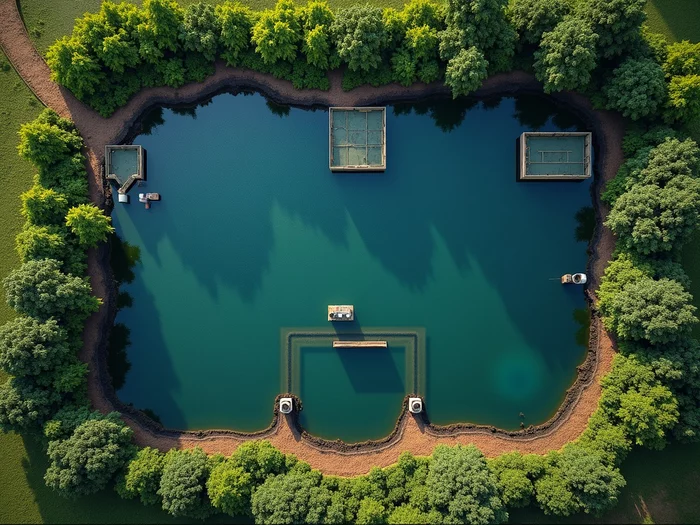
Outlet placement affects drainage efficiency and sediment management. Locate outlets at the pond's deepest point to ensure complete drainage during harvesting. Install the intake 10-15cm above the pond bottom to prevent sediment from blocking the outlet whilst still allowing thorough drainage. This height prevents most debris from entering whilst maintaining drainage capability.
Multiple inlet points improve water distribution in larger ponds. For ponds exceeding 300 square metres, install inlet pipes at 2-3 locations to prevent dead zones and ensure uniform water quality throughout the pond. Space inlets along the pond's length rather than clustering them at one end.
Sizing calculations must account for peak flow requirements during rainy season. Your emergency overflow should handle a 50mm rainfall event over 24 hours without pond overtopping. For a 200-square-metre pond, this means handling an additional 10 cubic metres of water - requiring outlet capacity of at least 115 litres per minute during peak flow periods.
Innovative Fish Retention Devices
Screen systems prevent fish escape whilst maintaining water flow. Install removable screens at outlet points using 10-15mm mesh spacing for adult catfish, 5-8mm for juveniles. Construct screen frames from 25mm angle iron with stainless steel or plastic mesh. Total costs run 2,000-3,500 naira per screen, but they prevent losses that could cost thousands in escaped fish.
Baffle systems slow water velocity at outlets, reducing the risk of fish being swept out during high-flow periods. Install a series of vertical plates perpendicular to the water flow, creating a zigzag path that dissipates energy whilst allowing water passage. Space baffles 30-40cm apart with 20-25cm gaps between plates and pond walls.
Settling basins at inlet points remove sediment and reduce water velocity before pond entry. Excavate a small depression 1-2 metres square and 50cm deep where incoming water first enters. This basin allows sediment to settle and reduces inlet water velocity, protecting both pond water quality and fish from turbulence.
Monk structures combine water level control with fish retention in a single system. These masonry or concrete structures feature removable boards for level control and integrated screens for fish retention. Construction costs 20,000-35,000 naira but provide comprehensive control over both water management and fish security for larger operations.
Step-by-Step Installation Guide
Preparing the Site
Site preparation determines installation success and long-term reliability. Begin by surveying your pond to identify the optimal inlet and outlet locations based on natural drainage patterns and pond geometry. Mark these locations clearly and verify they provide the necessary elevation differences for gravity flow systems.
Excavate outlet trenches to the required depth, typically 50-80cm below pond bottom level for gravity drainage. Ensure trench bottoms slope consistently toward the drainage destination at minimum 1% grade - 1cm drop per metre of length. Compact trench bottoms firmly to prevent settling that could damage pipes later.
Prepare inlet locations by excavating connection points and ensuring stable foundations for pipe supports. Install temporary diversion systems to keep construction areas dry during installation. This might involve pumping water away or installing temporary dams, but dry installation ensures proper sealing and prevents contamination.
Gather all materials before beginning installation to avoid delays that could compromise partially completed work. For a typical 100-square-metre pond outlet, you'll need: 6 metres of 150mm PVC pipe, two 90-degree elbows, one T-junction, pipe cement, rubber sealing rings, and 50kg of concrete for pipe bedding. Total material costs typically run 8,000-12,000 naira.
Installing the Inlet Structure
Start inlet installation by establishing the correct elevation for your inlet pipe. Position the pipe 30-50cm below your desired water surface level, ensuring adequate submersion to prevent air entrainment whilst maintaining proper flow characteristics. Use a water level or transit to verify elevations accurately.
Install pipe supports every 2 metres along the inlet pipe run to prevent sagging that could create low spots where air bubbles accumulate. Construct supports from concrete blocks or treated timber, ensuring they provide stable foundations that won't shift over time. Inadequate support causes pipe failure within 2-3 years.
Connect inlet pipes using proper PVC joining techniques. Clean pipe ends thoroughly, apply PVC cement evenly, and join with a quarter-turn twist to ensure complete coverage. Allow joints to cure for 24 hours before backfilling or applying pressure. Poor joints account for 60% of inlet system failures within the first year.
Install flow control mechanisms at accessible locations where you can operate them easily. Gate valves should be positioned in valve boxes or above ground where you can reach them without entering the pond. Bury valve boxes with removable covers to protect mechanisms whilst maintaining access for adjustments.
Installing the Outlet Structure
Outlet installation requires precise elevation control to ensure complete drainage capability. Establish the outlet invert elevation at least 15cm below your pond's lowest point to guarantee thorough drainage during harvesting. Use permanent benchmarks to verify elevations throughout construction.
Excavate the outlet trench with consistent slope toward your drainage destination. Install pipe bedding using 10cm of sand or fine gravel beneath the pipe to provide uniform support and prevent point loads that could crack pipes. Compact bedding material to 95% standard density to prevent settling.
Install the outlet pipe working from the discharge end toward the pond. This sequence allows you to maintain proper grades and ensures each joint fits correctly without forcing connections. Use rubber gasket joints for the first 3 metres from the pond to accommodate minor settling without leakage.
Construct the intake structure using either prefabricated fittings or cast-in-place concrete. For PVC systems, install a T-fitting with the vertical leg extending upward for screen attachment. For concrete systems, form the intake chamber with removable board slots and screen attachment points. Ensure all connections seal completely to prevent bypass flow. Backfill outlet trenches carefully to avoid damaging installed pipes.
Use hand compaction for the first 30cm above the pipe, then mechanical compaction for remaining fill. Install warning tape 30cm above pipes to prevent accidental damage during future excavations.
Maintenance and Troubleshooting
Routine Maintenance Practices
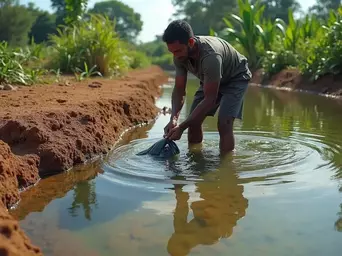
Weekly inspections prevent small problems from becoming expensive failures. Check inlet screens for debris accumulation that reduces flow rates and creates stagnant areas. Clean screens by lifting them from their frames and hosing off accumulated leaves, algae, and waste materials. Replace damaged screens immediately - a torn screen that allows fish escape costs far more than replacement screen material.
Monthly valve operation maintains mechanical components and identifies problems before they cause system failures. Operate all gate valves and ball valves through their full range of motion, checking for smooth operation and proper sealing. Apply marine grease to valve stems and threads to prevent corrosion and ensure continued operation. Replace valve seals showing signs of wear or leakage.
Seasonal maintenance addresses weather-related challenges and prepares systems for changing conditions. Before rainy season, verify emergency overflow capacity by conducting flow tests with maximum expected volumes. Clear vegetation from outlet channels and ensure unobstructed discharge paths. During dry season, inspect exposed pipes for UV damage and apply protective coatings where needed.
Annual comprehensive inspections identify structural issues requiring major repairs. Excavate around buried fittings to check for settlement, corrosion, or root damage. Test all joints for leakage using pressure testing or dye trace methods. Document inspection results and plan necessary repairs during low-production periods when pond drainage won't impact fish production.
Common Issues and Solutions
Pipe blockages represent the most frequent outlet problem, typically caused by debris accumulation or sediment buildup. Symptoms include slow drainage, inability to lower water levels, or complete flow stoppage. Clear blockages using high-pressure water jets or mechanical snakes, working from the discharge end toward the pond. Install larger screens or modify inlet designs to prevent debris entry.
Valve failures manifest as inability to control flow rates or water levels. Gate valve failures usually involve worn seals or corroded stems, whilst ball valve problems typically result from debris preventing complete closure. Replace failed valves immediately rather than attempting repairs - valve replacement costs 1,500-6,000 naira whilst fish losses from poor water control can reach tens of thousands.
Erosion around inlet and outlet structures indicates inadequate flow energy dissipation or poor installation practices. Install riprap protection using 10-15cm stones around inlet discharge points. For outlets, construct splash pads or energy dissipators to reduce water velocity before discharge. Repair eroded areas immediately to prevent undermining of structures.
Screen damage from fish impact or debris accumulation requires immediate attention to prevent fish escape. Keep spare screens available for quick replacement during peak production periods. Reinforce screen frames using angle iron or heavy-gauge wire to withstand impact from large fish during feeding frenzies or harvesting operations.
Seasonal Adjustments
Rainy season preparations focus on handling increased water volumes and preventing system overload. Increase outlet capacity by opening bypass valves or installing temporary overflow pipes. Clear all drainage channels of vegetation that could impede flow during heavy rainfall events. Test emergency overflow systems before the rains begin to ensure they function when needed.
Dry season management emphasises water conservation and maintaining adequate circulation with reduced inflow. Reduce inlet flow rates to minimum levels that maintain water quality whilst conserving water supplies. Install temporary shade covers over exposed pipes to prevent UV degradation and reduce water temperature increases from heated pipes.
Temperature management requires seasonal adjustment of water exchange rates. During hot season, increase water exchange rates to 3-5% of pond volume daily to maintain dissolved oxygen levels and prevent thermal stratification. During cooler months, reduce exchange rates to 1-2% daily to conserve heated water whilst maintaining adequate circulation.
Feeding period adjustments account for seasonal changes in fish metabolism and water quality impacts. During peak feeding seasons, increase water exchange rates immediately after feeding to remove uneaten feed and metabolic wastes. Reduce flow rates during minimal feeding periods to maintain stable water conditions without unnecessary water usage.
| Season | Recommended Water Exchange Rate (% of pond volume daily) | Key Maintenance Tasks | Special Considerations |
|---|---|---|---|
| Hot Season | 3-5% | Increase water exchange, check dissolved oxygen | Prevent thermal stratification |
| Rainy Season | Variable (emergency overflow) | Test emergency systems, clear drainage channels | Handle increased water volumes |
| Dry Season | 1-2% | Water conservation, UV protection for pipes | Maintain circulation with reduced inflow |
| Cool Season | 1-2% | Reduce exchange rates, conserve heated water | Maintain adequate circulation |
Cost-Effective Strategies for Small-Scale Farmers
Small-scale farmers can achieve effective water control without major capital investments through strategic material selection and phased installation approaches. Begin with basic gravity-flow systems using 100mm PVC pipes for outlets and simple overflow weirs for emergency drainage. This basic system costs 6,000-8,000 naira for materials and provides adequate control for ponds up to 100 square metres.
Tarpaulin pond operators face unique challenges requiring specialised solutions that don't damage pond liners. Install external standpipe systems where pipes run outside the tarpaulin with flexible connections through reinforced grommets. Use bulkhead fittings designed for tank applications - these cost 800-1,200 naira each but provide reliable sealing without liner damage.
Phased installation allows you to spread costs over multiple production cycles whilst gaining experience with simpler systems first. Start with basic inlet and outlet pipes, then add control valves and screens as your operation grows. This approach reduces initial investment whilst allowing you to learn your pond's specific requirements before investing in permanent structures.
Community purchasing of materials reduces individual costs through bulk buying power. Organise with neighbouring farmers to purchase pipes, fittings, and tools together. A group purchase of 500 metres of PVC pipe typically saves 15-20% compared to individual purchases, whilst shared tools like pipe cutters and cement mixers reduce individual equipment costs.
Conclusion
Mastering inlet and outlet structures is your foundation for profitable catfish farming - these systems control everything from daily water quality to emergency flood protection. Start with properly sized PVC systems that match your pond size and budget, ensuring your outlets can drain completely for harvesting whilst your inlets create gentle circulation without stressing fish. Remember that a 100mm outlet pipe handles most small-scale operations effectively, whilst emergency overflow capacity should exceed normal drainage by 25% to handle unexpected rainfall.
You now have the technical knowledge to design, install, and maintain water flow systems that protect your investment and maximise fish health. Implementation requires careful attention to detail during installation, but the principles are straightforward - proper sizing, strategic placement, and regular maintenance prevent the costly disasters that destroy unprepared farms. Don't expect perfection immediately; even experienced farmers refine their systems over time as they learn their pond's specific characteristics.
Focus next on developing your feeding management skills to complement these water control systems. Proper water flow carries away uneaten feed and fish waste, whilst good feeding practices reduce the burden on your drainage systems. Together, effective water management and efficient feeding form the backbone of successful catfish production. Your fish depend on both systems working in harmony - master these fundamentals, and you'll have the confidence to expand your operation knowing you can maintain the water quality that healthy, profitable catfish require.
Frequently Asked Questions
What is the most cost-effective outlet structure for a small, temporary catfish pond?
For temporary ponds or rental situations where permanent modifications aren't allowed, siphon systems are the most cost-effective. They cost only 3,000-5,000 naira for materials and function well once primed, though you'll need to re-prime them if air bubbles enter.
How can I prevent fish from escaping through my outlet structure, especially during heavy rainfall?
You should install screen systems at your outlet points using 10-15mm mesh for adult catfish and 5-8mm for juveniles. Additionally, consider baffle systems to slow water velocity, reducing the risk of fish being swept out during high-flow periods.
Why is it important to have an emergency overflow outlet that is larger than my main outlet?
An emergency overflow outlet is crucial to prevent pond overtopping and potential fish loss during unexpected heavy rainfall. The article recommends sizing it 25% larger than your main outlet to safely handle sudden large influxes of water.
How often should I perform routine maintenance on my inlet and outlet structures?
You should conduct weekly inspections of inlet screens for debris, monthly operations of all valves to prevent seizing, and seasonal maintenance to prepare for rainy or dry periods. An annual comprehensive inspection will help identify any major structural issues.
Can I use bamboo for my inlet pipes, and if so, how long will it last?
Yes, you can use large bamboo culms as an innovative low-cost option for inlet pipes. Properly sealed and treated bamboo can function effectively for 2-3 years, making it ideal for testing pond designs before investing in more permanent materials.


Yomi Adisa Lead Researcher
Yomi Adisa is the lead researcher at Fish Farming Business, where he studies what makes aquaculture ventures profitable across Africa. His research focuses on market patterns, buyer preferences, and the business decisions that determine success or failure in fish farming.