Stress Management for Healthy Catfish: Preventing Disease Outbreaks
Posted on: 2025-10-12
By: Yomi Adisa
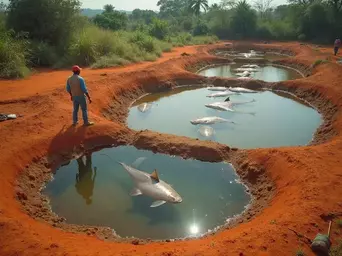
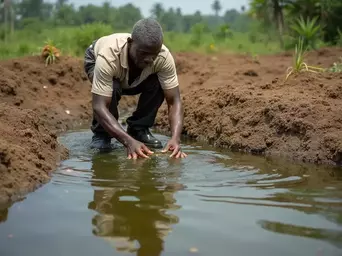
You've watched your catfish grow steadily for weeks, then suddenly they stop feeding and begin floating listlessly at the surface. Within days, what started as a few lethargic fish becomes a pond-wide health crisis that threatens your entire harvest. This scenario plays out across catfish farms from Lagos to Kampala, often because farmers don't recognise the early warning signs of stress in their fish.
Stress is the silent killer in catfish production. When your fish experience stress from poor water quality, overcrowding, or rough handling, their immune systems weaken dramatically. This opens the door to bacterial infections, fungal diseases, and parasites that can wipe out months of careful feeding and investment.
In this guide, you'll learn to identify the key stress factors that affect African catfish (Clarias gariepinus) and master the management techniques that keep your fish healthy. We'll cover essential water quality parameters, proper pond design principles, feeding strategies that reduce stress, and harvesting methods that protect your investment.
Understanding stress management isn't just about fish welfare—it's about protecting your profits. Stressed fish grow slowly, convert feed poorly, and die easily. By implementing the stress reduction techniques covered here, you'll maintain healthier stock, reduce mortality rates, and achieve better growth performance in your catfish enterprise.
What You Will Learn
- Learn to identify key stress factors affecting African catfish (Clarias gariepinus) to prevent disease outbreaks.
- Discover effective water quality management techniques to maintain optimal conditions for healthy growth.
- Master pond design principles that enhance fish welfare and reduce stress through improved circulation and space allocation.
- Understand feeding strategies that promote calm behaviour and enhance feed conversion efficiency in catfish.
- Implement harvesting best practices that minimise stress and protect your fish from post-harvest diseases.
Understanding Stress in Catfish Farming
You might think stress only affects humans, but your catfish experience it just as intensely—and the consequences can devastate your entire operation. When African catfish (Clarias gariepinus) encounter stressful conditions, their bodies release cortisol and other stress hormones that suppress their immune systems within hours. This biological response, designed to help fish survive short-term threats, becomes deadly when stress persists for days or weeks.
Most catfish farmers in Nigeria and Kenya recognise obvious signs of distress—fish gasping at the surface or refusing to feed. However, chronic low-level stress often goes unnoticed until mortality rates spike or growth performance plummets. Your fish might appear normal whilst their immune systems gradually weaken, making them vulnerable to diseases that healthy catfish would easily resist.
Understanding how stress affects your catfish allows you to prevent problems before they become expensive disasters. By recognising the early warning signs and addressing root causes, you can maintain healthier stock and protect your investment from the silent threat of chronic stress.
What is Stress in Catfish?
Stress in catfish occurs when environmental or management conditions force their bodies to work harder than normal to maintain basic functions. You can think of it as your fish's emergency response system—useful for surviving brief threats but harmful when activated continuously. When stressed, catfish redirect energy from growth and reproduction towards immediate survival, which explains why stressed fish grow slowly and become more susceptible to disease.
Your catfish show stress through both physiological and behavioural changes that you can learn to recognise. Physiologically, stressed fish produce elevated cortisol levels, experience increased heart rates, and show reduced white blood cell activity that weakens their disease resistance. These internal changes happen before you notice any external symptoms, making early detection challenging but crucial for effective management.
Behaviourally, stressed African catfish display several warning signs you should monitor daily. They may swim erratically near the surface, refuse feed even when hungry, or cluster in corners of your pond instead of distributing evenly. Some stressed fish become lethargic and respond slowly to disturbances, whilst others become hyperactive and jump frequently—both responses indicate your management needs immediate attention.
Common Causes of Stress in Catfish
Environmental factors create the most persistent stress in catfish farming, with poor water quality topping the list of problems. You need to maintain dissolved oxygen above 5mg/L because levels below 3mg/L cause severe stress within hours, whilst ammonia concentrations above 0.5mg/L damage gill tissues and create chronic stress. Temperature fluctuations beyond the optimal 25-32°C range force your catfish to expend extra energy maintaining body functions, reducing their growth efficiency and disease resistance.
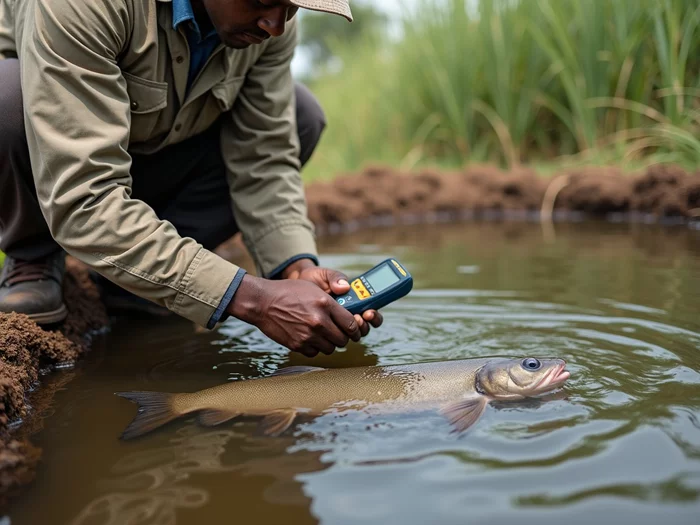
Management practices often compound environmental stress through poor handling and overcrowding decisions. When you stock more than 150 fingerlings per square metre in earthen ponds, competition for space and oxygen increases stress levels significantly. Rough handling during grading, harvesting, or transport causes immediate stress spikes that can persist for days—a single careless netting session can set back growth for an entire week.
Feeding irregularities create another major stress source that many farmers overlook. Your catfish develop internal clocks based on your feeding schedule, so skipping meals or feeding at inconsistent times triggers stress responses. Overfeeding creates water quality problems that stress your entire stock, whilst underfeeding forces fish to compete aggressively for limited food resources, increasing both physical injuries and psychological stress.
Impact of Stress on Fish Health
Stressed catfish convert feed poorly because their bodies prioritise survival over growth, directly affecting your profitability. You'll notice stressed fish require 20-30% more feed to achieve the same weight gain as unstressed fish, whilst their growth rates can drop by 40% during periods of chronic stress. A farmer in Ogun State lost ₦180,000 in feed costs because persistent stress from poor water quality reduced his fish's feed conversion efficiency from 1.2:1 to 1.8:1.
The immune suppression caused by stress opens the door to bacterial, viral, and parasitic infections that healthy catfish would resist. You'll see increased mortality from diseases like columnaris, fin rot, and parasitic infestations when your fish experience prolonged stress. Even brief stress episodes can reduce white blood cell activity by 50%, leaving your catfish vulnerable to opportunistic pathogens present in every pond environment.
Economically, stress-related problems compound rapidly because stressed fish become disease reservoirs that infect healthy stock. You might lose 10-15% of your fish directly to stress-induced mortality, but the remaining fish often carry subclinical infections that reduce their market value and growth performance. Recovery from stress-related setbacks typically requires 2-3 weeks of optimal conditions, during which your fish consume feed without gaining weight efficiently, further eroding your profit margins.
Maintaining Optimal Water Quality
Water quality forms the foundation of successful stress management in catfish farming, yet many farmers only test their water when problems become visible. By the time your fish show obvious signs of distress—gasping at the surface or refusing feed—water quality issues have already triggered stress responses that can persist for weeks. Understanding and maintaining optimal water parameters prevents these problems before they damage your fish's health and your profits.
African catfish (Clarias gariepinus) tolerate a wider range of water conditions than many fish species, but tolerance doesn't mean optimal performance. Your catfish might survive in marginal water quality whilst experiencing chronic stress that reduces growth rates, weakens immunity, and increases mortality. The difference between survival and thriving often comes down to maintaining water quality parameters within narrow optimal ranges rather than simply avoiding lethal conditions.
Effective water quality management requires daily monitoring, proactive intervention, and understanding how different parameters interact with each other. When you master these fundamentals, you'll prevent most stress-related problems and create conditions where your catfish can achieve their full growth potential whilst maintaining strong disease resistance.
Key Water Parameters to Monitor
Dissolved oxygen represents the most critical parameter you need to monitor because catfish require consistent oxygen levels above 5mg/L for optimal health. You should measure oxygen levels twice daily—early morning when levels are lowest and late afternoon when they peak—because fluctuations below 3mg/L cause immediate stress and can kill fish within hours. In earthen ponds across Nigeria and Kenya, oxygen levels often drop dangerously low during hot nights when algae consume oxygen faster than they produce it.
pH levels between 6.5 and 8.5 provide the optimal range for African catfish, but sudden changes prove more dangerous than gradual shifts outside this range. You want to maintain stable pH rather than chasing perfect numbers, because rapid pH swings stress fish more severely than slightly acidic or alkaline conditions. Test pH weekly using reliable test kits, and investigate immediately if readings change by more than 0.5 units between tests.
Ammonia and nitrite levels must remain as close to zero as possible because both compounds are toxic to catfish even at low concentrations. You should keep ammonia below 0.25mg/L and nitrite below 0.5mg/L, testing these parameters twice weekly during the first month after stocking and weekly thereafter. A farmer in Kaduna lost 40% of his fingerlings because ammonia levels reached 2mg/L after overfeeding during the rainy season when biological filtration slowed down.
Techniques for Water Quality Management
Aeration provides your most powerful tool for maintaining water quality because it addresses multiple problems simultaneously. You need at least 2-3 watts of aeration per cubic metre of water in intensive systems, running aerators continuously during hot weather and at night when oxygen levels drop naturally. Paddle wheel aerators work best in large ponds, whilst venturi systems or air stones suit smaller operations—the key is creating water movement that promotes gas exchange at the surface.
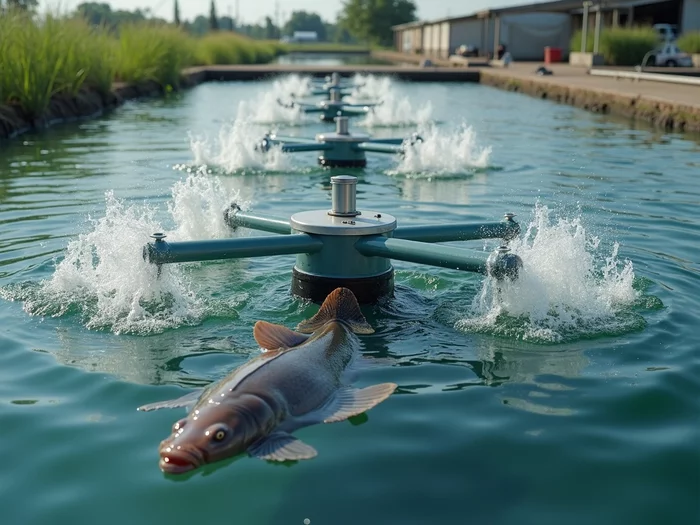
Water exchange practices help dilute accumulated waste products and maintain stable water chemistry, but you must balance exchange rates with water availability and costs. In earthen ponds, exchange 10-15% of water weekly during normal conditions, increasing to 20-25% daily if ammonia or nitrite levels rise above safe limits. Always match incoming water temperature to pond temperature within 2°C to avoid thermal shock that can stress your entire stock.
Biological filtration through beneficial bacteria colonies provides long-term water quality stability that mechanical solutions cannot match. You can establish these bacteria by adding commercial bacterial supplements during pond preparation, maintaining adequate surface area for bacterial growth through biofilter media, and avoiding antibiotics that kill beneficial bacteria along with harmful ones. Mature biological systems can process waste products continuously, reducing your reliance on water exchanges and chemical treatments.
Addressing Water Quality Issues
When dissolved oxygen drops below 4mg/L, you need immediate action to prevent fish kills and chronic stress damage. Increase aeration capacity immediately, reduce feeding by 50% until oxygen levels stabilise, and consider emergency water exchanges if oxygen continues declining. During oxygen crises, your catfish will gather at aerators or water inlets—this behaviour indicates severe stress that requires hours or days of optimal conditions to reverse completely.
High ammonia levels demand rapid intervention because concentrations above 1mg/L can cause permanent gill damage within 24 hours. Stop feeding immediately to reduce waste production, increase water exchange rates to 25-30% daily, and add commercial ammonia-binding products if available. You can also add agricultural lime at 50-100kg per hectare to raise pH above 8.0, which converts toxic ammonia to less harmful ammonium, but monitor pH carefully to avoid overcorrection.
pH crashes below 6.0 or spikes above 9.0 require gradual correction over several days rather than rapid adjustment that can shock your fish. For low pH, add agricultural lime gradually at 25kg per hectare per day until pH reaches 7.0, whilst high pH responds to partial water changes with neutral water or careful addition of organic acids. A farmer in Ashanti Region lost ₵15,000 worth of fish by adding too much lime at once, causing pH to swing from 5.8 to 9.2 within hours and killing fish from pH shock rather than the original acidity problem.
Effective Pond and Tank Design
Your pond design decisions made during construction will either support or undermine your stress management efforts for years to come. Many farmers focus solely on maximising water volume without considering how pond shape, depth, and infrastructure affect fish behaviour and water quality. A well-designed system creates natural stress reduction through proper water circulation, adequate space allocation, and biosecurity features that prevent disease introduction.
African catfish (Clarias gariepinus) thrive in environments that provide security, adequate space, and stable conditions. Your pond design should eliminate sharp corners where fish cluster and fight, provide uniform depths that prevent temperature stratification, and include infrastructure that makes management tasks less stressful for both you and your fish. Poor design choices create chronic stress hotspots that persist throughout your production cycle.
Effective design goes beyond basic construction to include biosecurity measures, habitat enhancement, and systems that support optimal water quality. When you invest in proper design from the start, you'll reduce daily management stress, prevent disease outbreaks, and create conditions where your catfish can achieve their full growth potential with minimal intervention.
Designing Stress-Reducing Environments
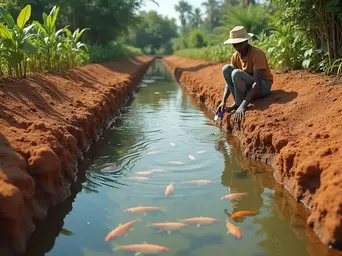
Optimal pond dimensions for catfish farming balance water volume with management efficiency, with rectangular ponds measuring 20-30 metres long by 10-15 metres wide providing the best combination of water circulation and accessibility. You want depths between 1.2-1.8 metres because shallower ponds experience temperature fluctuations that stress fish, whilst deeper ponds develop oxygen stratification that creates dead zones. Rounded corners prevent fish from clustering in sharp angles where aggression and competition increase stress levels significantly.
Aeration system placement determines water circulation patterns that either reduce or increase stress throughout your pond. You should position paddle wheel aerators to create a circular flow pattern that moves water from the bottom to the surface, preventing dead zones where waste accumulates and oxygen depletes. Install aerators at opposite ends of rectangular ponds to ensure complete water mixing, and size your system to provide 2-3 watts per cubic metre of water during peak summer temperatures.
Biofloc technology offers advanced farmers a way to improve water quality whilst reducing stress through natural biological processes. You can establish biofloc systems by maintaining carbon-to-nitrogen ratios of 15:1 through molasses or wheat bran additions, creating beneficial bacterial communities that consume waste products continuously. A farmer in Kiambu County reduced his water exchange requirements by 80% using biofloc technology, whilst maintaining better growth rates and lower mortality than conventional systems.
Implementing Biosecurity Measures
Quarantine facilities represent your first line of defence against introducing diseases that create farm-wide stress and mortality. You need separate tanks or ponds located at least 50 metres from your main production areas, with independent water supplies and dedicated equipment that never contacts your main stock. Size quarantine facilities to hold 10-15% of your planned stocking density, allowing proper evaluation of new fish before introduction to your main system.
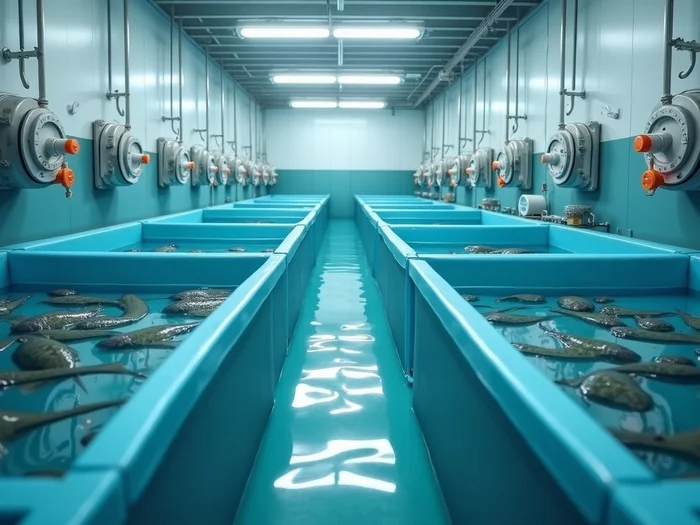
Disinfection protocols must be followed religiously because a single contaminated net or bucket can introduce pathogens that stress your entire operation. You should maintain footbaths with 2% formalin solution at all pond entrances, disinfect nets and equipment with potassium permanganate solution between uses, and require visitors to use dedicated boots and clothing. Establish separate equipment sets for each pond to prevent cross-contamination during routine management tasks.
Water source protection prevents many stress-inducing problems before they reach your fish, particularly in areas where multiple farms share water resources. You want independent boreholes or protected surface water sources that you can control completely, with filtration systems that remove suspended solids and potential pathogens. Install UV sterilisation units if your budget allows, as they eliminate most viral and bacterial threats without creating chemical residues that might stress your fish.
Enhancing Fish Resilience Through Design
Habitat complexity reduces aggression and territorial behaviour that creates chronic stress in overcrowded conditions. You can add simple structures like bamboo bundles, concrete blocks, or plastic mesh panels that provide hiding spots and break up sight lines between aggressive fish. Position these structures to create distinct territories whilst maintaining water circulation—avoid solid barriers that create stagnant zones where waste accumulates.
Feeding station design influences competition levels and stress during meal times when fish naturally become more aggressive. You should install multiple feeding points spaced at least 5 metres apart in larger ponds, allowing subordinate fish to access food without competing directly with dominant individuals. Automatic feeders reduce feeding stress by delivering consistent portions at regular intervals, eliminating the excitement and competition that occurs when you approach the pond manually.
Shade structures over 30-40% of your pond surface reduce temperature stress whilst providing security that calms nervous fish. You can use simple shade cloth suspended 2 metres above water level, or plant fast-growing trees like moringa or leucaena around pond perimeters for natural shading. A farmer in Brong Ahafo Region reduced his fish mortality by 25% after installing shade cloth over his ponds, particularly during the hot dry season when temperatures exceeded 35°C regularly.
Feeding Practices to Minimise Stress
Feeding represents the most frequent interaction between you and your catfish, making it either a source of chronic stress or a tool for building calm, predictable conditions. Your feeding decisions affect not only growth performance but also social dynamics, water quality, and overall fish behaviour. Inconsistent feeding schedules, inappropriate feed types, or poor feeding techniques can create lasting stress that reduces immunity and growth efficiency for weeks.
African catfish develop strong feeding rhythms based on your management patterns, with their digestive systems and behaviour adapting to expect food at specific times. When you disrupt these patterns through irregular feeding or sudden changes in feed type, you trigger stress responses that persist long after feeding returns to normal. Understanding how feeding schedule practices influence stress allows you to use meals as opportunities to reinforce calm behaviour and optimal health.
Effective feeding management goes beyond simply providing adequate nutrition to encompass timing, presentation methods, and monitoring techniques that minimise competition and stress. When you master these feeding fundamentals, you'll create positive associations with your presence, reduce aggressive behaviour, and maintain the stable conditions that support optimal growth and disease resistance.
Establishing a Feeding Schedule
Consistent feeding times create predictable routines that reduce stress by allowing your catfish to anticipate meals rather than remaining in constant alert mode. You should feed at the same times daily—typically 8:00 AM, 1:00 PM, and 6:00 PM for three-meal schedules—because variations of more than 30 minutes can trigger stress responses that affect feed conversion efficiency. Your fish will learn to gather calmly at feeding areas rather than rushing frantically when they see you approaching unexpectedly.
Feeding frequency affects stress levels more than total daily feed amounts, with smaller frequent meals creating less competition and better water quality than large infrequent feedings. You want to provide 3-4 meals daily for fingerlings and juveniles, reducing to 2-3 meals for adult fish as their metabolic rates slow. Overfeeding during single large meals creates feeding frenzies that stress subordinate fish and degrade water quality through uneaten feed decomposition.
Weather-based feeding adjustments help maintain consistent stress levels when environmental conditions change rapidly. You should reduce feeding by 25-50% during cold periods when fish metabolism slows, and skip feeding entirely when dissolved oxygen drops below 4mg/L to prevent additional stress from digestion demands. A farmer in Oyo State learned to monitor weather forecasts and adjust feeding schedules accordingly, reducing mortality during harmattan season by 40% compared to previous years.
Choosing the Right Feed
High-quality commercial feeds with 35-40% protein content provide the nutritional foundation for stress resistance, whilst poor-quality feeds create additional stress through nutritional deficiencies and digestive problems. You want feeds with stable pellets that don't disintegrate quickly in water, reducing waste that degrades water quality and creates stress-inducing conditions. Floating feeds allow you to monitor consumption accurately and remove uneaten portions before they decompose.
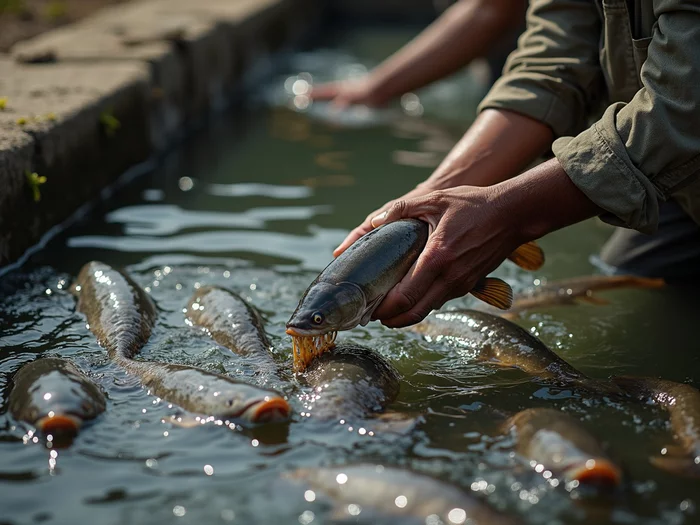
Feed particle size must match your fish size to prevent feeding stress and competition between different age groups. You should use 2-3mm pellets for fingerlings, 4-6mm for juveniles, and 6-9mm for adult catfish, ensuring all fish can consume feed comfortably without struggling or competing unfairly. Mixing different pellet sizes in the same pond creates feeding hierarchies where smaller fish cannot access appropriate nutrition, leading to chronic stress and poor growth performance.
Supplemental feeds like earthworms, maggots, or kitchen scraps can provide nutritional variety but must be managed carefully to avoid introducing pathogens or creating water quality problems. You should limit supplements to 10-20% of total feed intake, ensure all organic supplements are fresh and pathogen-free, and monitor water quality closely after feeding supplements. Fresh supplements often trigger more aggressive feeding behaviour that can stress timid fish, so provide supplements in multiple locations to reduce competition.
Monitoring Feeding Behaviour
Normal feeding behaviour in unstressed catfish includes calm approach to feeding areas, steady consumption without frantic rushing, and even distribution throughout the feeding zone. You should observe feeding sessions daily to identify stress indicators like fish refusing to approach feeding areas, aggressive chasing behaviour, or individuals consistently excluded from feeding. Healthy catfish typically consume their ration within 15-20 minutes, with most fish participating actively in feeding.
Appetite changes often provide the first indication of developing stress or health problems before other symptoms become visible. You need to monitor daily feed consumption carefully, investigating immediately when consumption drops by more than 20% without obvious environmental causes. Stressed fish may show selective feeding behaviour, consuming only preferred feed types whilst avoiding others, or feeding only at specific locations within the pond.
Feeding response adjustments help you maintain optimal conditions when you notice stress indicators during meal times. You should reduce feeding amounts by 25-50% when fish show reduced appetite, increase feeding locations to reduce competition when aggression increases, and temporarily switch to smaller, more frequent meals when environmental stress affects normal feeding patterns. A farmer in Central Region improved his feed conversion ratio from 1.8:1 to 1.3:1 by carefully monitoring feeding behaviour and adjusting practices based on daily observations rather than following rigid feeding schedules.
Disease Prevention and Stress Management During Harvesting
Harvesting represents the most stressful period in your catfish production cycle, when months of careful management can be undermined by poor handling techniques that damage fish and reduce market value. The physical stress of netting, crowding, and transport triggers massive cortisol releases that suppress immunity for days, making freshly harvested fish extremely vulnerable to bacterial infections and mortality. Understanding how to minimise harvesting stress protects both fish welfare and your economic returns.
Disease prevention during harvesting requires proactive health management throughout the production cycle, not just emergency treatments when problems appear. Your vaccination programmes, quarantine procedures, and routine health monitoring create the foundation for stress-resistant fish that can better tolerate the unavoidable stresses of harvesting and transport. Weak or already-stressed fish rarely survive the harvesting process, making prevention far more effective than treatment.
Successful harvesting combines gentle handling techniques with biosecurity measures that prevent disease introduction and spread. When you master these integrated approaches, you'll maintain fish quality from pond to market whilst protecting your remaining stock from contamination and stress-related mortality that can persist for weeks after harvesting operations.
Vaccination and Health Management
Vaccination programmes provide crucial protection against bacterial diseases that exploit stress-weakened immune systems during harvesting and transport periods. You should implement vaccination schedules using commercially available vaccines against columnaris, Aeromonas, and other common bacterial pathogens, typically administering vaccines 4-6 weeks before planned harvesting dates. Injectable vaccines provide better protection than immersion vaccines but require more labour and careful handling to avoid additional stress during administration.
Routine health assessments help you identify and address problems before they compromise your fish's ability to handle harvesting stress. You need to examine 10-15 fish weekly for external parasites, gill damage, fin rot, or other health indicators that suggest developing problems. Fish showing signs of disease or stress should be treated immediately or removed from the population to prevent spread during the crowded conditions of harvesting operations.
Prophylactic treatments with approved medications can strengthen fish immunity before stressful periods, but must be timed carefully to avoid residue problems that affect market acceptance. You can use vitamin C supplements at 200-500mg per kg of feed for 2-3 weeks before harvesting to boost immune function, or probiotics that improve gut health and disease resistance. A farmer in Ashanti Region reduced post-harvest mortality by 60% after implementing a pre-harvest health programme that included vaccination, vitamin supplementation, and careful health screening.
Implementing Quarantine Procedures
New stock quarantine prevents disease introduction that can stress your entire operation and compromise harvesting success months later. You must isolate all incoming fish for minimum 14-21 days in separate facilities with independent water supplies, monitoring daily for signs of disease or stress before introduction to main production areas. During quarantine, observe feeding behaviour, swimming patterns, and physical condition whilst treating any problems that develop.
Quarantine protocols should include water quality testing, external examination for parasites or injuries, and prophylactic treatments appropriate for your local disease risks. You want to maintain quarantine water temperature within 1°C of your main ponds to avoid thermal shock during transfer, whilst providing adequate aeration and filtration to maintain optimal conditions. Document all observations and treatments during quarantine to establish health baselines for each batch of fish.
Post-harvest quarantine for remaining stock helps identify and treat stress-related problems before they spread throughout your operation. You should monitor fish closely for 7-10 days after partial harvesting, watching for increased mortality, reduced feeding, or signs of bacterial infections that often develop when stressed fish are exposed to pathogens during harvesting operations. Immediate treatment of affected fish prevents minor problems from becoming major losses.
Best Practices for Harvesting and Transport
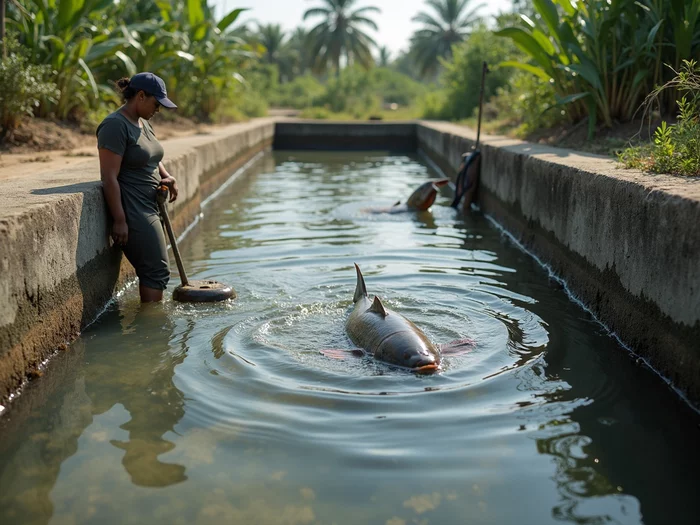
Gentle netting techniques reduce physical damage and stress during fish capture, using fine-mesh nets that support fish weight properly without causing scale loss or fin damage. You should work slowly and deliberately rather than rushing, allowing fish time to swim into nets rather than chasing them aggressively around the pond. Seine nets work best for complete harvesting, whilst dip nets should be used for selective harvesting of specific size classes.

Pre-harvest conditioning helps prepare fish for the stress of handling and transport by gradually reducing feeding and improving water quality in the days before harvesting. You want to stop feeding 24-48 hours before harvesting to empty digestive systems and reduce waste production during transport, whilst increasing aeration and water exchange to optimise dissolved oxygen and reduce ammonia levels. Clean, well-oxygenated water during harvesting reduces additional stress on already-compromised fish.
Transport water management requires careful attention to temperature, oxygen, and waste accumulation that can kill fish within hours of leaving your farm. You need to maintain water temperature within 2°C of pond temperature, provide continuous aeration at 2-3 times normal rates, and limit loading densities to 30-50kg per cubic metre depending on transport duration. A farmer in Kiambu County improved his transport survival rates from 85% to 98% by investing in proper aeration equipment and reducing loading densities during long-distance transport to Nairobi markets.
Genetics and Breeding for Stress Resistance
Genetic selection represents your most powerful long-term strategy for reducing stress susceptibility in your catfish operation, though many farmers overlook this approach in favour of short-term management solutions. The genetic makeup of your breeding stock determines how well their offspring will handle environmental challenges, disease pressure, and management stresses throughout their production cycle. Investing in genetically superior broodstock pays dividends for years through improved survival rates, better growth performance, and reduced management problems.
African catfish (Clarias gariepinus) populations show significant genetic variation in stress tolerance, disease resistance, and growth efficiency that you can exploit through careful selection programmes. Wild populations often carry genes for environmental adaptability that have been lost in some commercial strains selected purely for rapid growth. Understanding how to identify and maintain these valuable genetic traits allows you to build a breeding programme that produces increasingly stress-resistant fish over multiple generations.
Successful genetic improvement requires long-term commitment and systematic record-keeping that tracks performance across generations. When you combine genetic selection with proper broodstock selection, you'll develop fish lines specifically adapted to your local conditions and management style, reducing the chronic stress problems that plague farmers using poorly adapted commercial strains.
Importance of Genetic Selection
Stress-resistant catfish strains show measurably better survival rates during environmental challenges, with mortality differences of 20-40% between genetically superior and inferior lines during oxygen depletion, temperature stress, or disease outbreaks. You can identify these superior individuals by monitoring which fish maintain normal feeding behaviour, growth rates, and physical condition during stressful periods when others show obvious distress. These stress-tolerant individuals often carry genetic variants that improve oxygen utilisation, immune function, and metabolic efficiency.
Disease resistance traits provide another crucial selection criterion because fish that resist common bacterial and parasitic infections experience less chronic stress throughout their lives. You want to select breeding stock from families that show low mortality rates during disease challenges, rapid recovery from health problems, and strong immune responses to vaccination programmes. Genetic resistance to specific diseases like columnaris or Aeromonas infections can dramatically reduce treatment costs and mortality rates in your operation.
Growth efficiency under stress conditions identifies fish that maintain productivity when environmental or management conditions become challenging. You should select broodstock that continue growing steadily during periods when other fish show reduced feed conversion or growth stagnation, as these individuals often carry genes for metabolic efficiency and stress tolerance. A farmer in Ogun State improved his average daily growth rates by 25% over three generations by consistently selecting the fastest-growing fish from each stressful period rather than from optimal conditions.
Breeding Strategies for Resilience
Family-based selection allows you to identify and propagate genetic lines with superior stress tolerance by tracking performance of offspring from specific breeding pairs. You need to maintain separate breeding groups and tag offspring to track their parentage, monitoring survival rates, growth performance, and health status throughout the production cycle. Families showing consistently superior performance under stress should contribute more breeding stock to future generations.

Crossbreeding between different catfish strains can combine beneficial traits from multiple genetic backgrounds, often producing hybrid vigour that improves stress tolerance beyond either parent line. You might cross fast-growing commercial strains with hardy local populations to combine growth efficiency with environmental adaptability, or blend strains from different regions to increase genetic diversity. However, you must test hybrid performance carefully because some crosses produce inferior offspring despite superior parent lines.
Genetic diversity maintenance prevents inbreeding depression that reduces stress tolerance and overall fitness in closed breeding populations. You should maintain at least 8-10 unrelated breeding males and 15-20 females in your broodstock population, introducing new genetic material every 2-3 generations to prevent accumulation of harmful recessive genes. Record-keeping becomes crucial for tracking relationships and avoiding accidental inbreeding that can quickly degrade the stress resistance you've worked to develop.
Addressing Farmer Stress and Mental Health
Your stress levels directly affect your catfish operation through decision-making quality, attention to detail, and consistency in management practices that prevent fish stress. When you're overwhelmed by financial pressures, equipment failures, or market uncertainties, you're more likely to skip routine monitoring, delay necessary interventions, or make hasty decisions that create problems for your fish. Recognising and managing your own stress becomes essential for maintaining the calm, consistent management that keeps your catfish healthy and productive.
Catfish farming presents unique psychological challenges that many agricultural extension services overlook, from the constant worry about overnight fish kills to the isolation of working alone with minimal human interaction. The financial stakes involved in intensive aquaculture create additional pressure because a single management mistake can destroy months of investment within days. Understanding these stressors and developing coping strategies protects both your mental health and your business success.
Recognising Farmer Stressors
Financial pressures create the most persistent stress for catfish farmers, particularly during the 4-6 month production cycle when expenses accumulate daily whilst income remains months away. You face constant decisions about feed purchases, equipment maintenance, and labour costs whilst worrying about market prices that might change dramatically before harvest time. A farmer in Kano State described losing sleep for weeks after investing ₦400,000 in fingerlings and feed, only to watch feed prices increase by 30% during his production cycle.
Technical challenges and equipment failures create acute stress episodes that can affect your judgement when quick decisions are crucial for fish survival. When your aerator fails during hot weather or water quality problems develop rapidly, the pressure to find immediate solutions whilst protecting your investment can become overwhelming. These crisis situations often occur at night or weekends when technical support is unavailable, leaving you to handle emergencies alone with limited resources.
Strategies for Managing Farmer Stress
Building support networks with other catfish farmers provides emotional support and practical knowledge sharing that reduces the isolation and uncertainty of fish farming. You should join local aquaculture associations, participate in farmer field days, and maintain regular contact with successful farmers who can provide advice during challenging periods. Sharing experiences with others who understand your challenges helps normalise the stress and provides access to proven solutions for common problems.
Developing contingency plans for common emergencies reduces stress by providing clear action steps when problems occur, eliminating the panic that leads to poor decisions. You need written procedures for equipment failures, water quality crises, disease outbreaks, and market disruptions that specify exactly what to do, who to contact, and what resources you'll need. A farmer in Western Region credits his emergency response plans with saving ₵50,000 worth of fish during a power outage that lasted three days, because he knew exactly how to deploy backup aeration and maintain water quality without electricity.
When you're ready to analyse your farm's profitability metrics, you'll find that proper stress management directly impacts your bottom line. Stressed fish require more feed, grow slower, and die more frequently—all factors that reduce your return on investment and create additional financial pressure that compounds your own stress levels.
Many farmers also find that stress management techniques used in tilapia farming operations can be adapted for catfish production, particularly gentle handling methods and environmental enrichment strategies that reduce chronic stress in intensive aquaculture systems.
Summary Table
| Key Points | Details |
|---|---|
| Stress Causes | Poor water quality, overcrowding (max 150 fingerlings/m²), rough handling. |
| Critical Water Parameters | Dissolved Oxygen: >5 mg/L; Ammonia: <0.25 mg/L; pH: 6.5-8.5; Nitrite: <0.5 mg/L. |
| Feeding Practices | Feed 3-4 times daily for fingerlings; maintain schedule to reduce stress. |
| Impact of Stress | Reduced growth rates by 40%; increased feed conversion by 20-30%. |
| Effective Pond Design | Dimensions: 20-30m x 10-15m; depth: 1.2-1.8m; rounded corners to reduce stress. |
| Harvesting Techniques | Gentle netting; stop feeding 24-48 hours before harvesting. |
| Vaccination Schedule | Administer vaccines against common diseases 4-6 weeks pre-harvest. |
| Genetic Selection | Focus on stress-resistant traits for breeding stock. |
| Farmer Stress Management | Build support networks, establish contingency plans for emergencies. |
Conclusion
Stress management forms the foundation of successful catfish farming, affecting everything from daily growth rates to disease resistance and final harvest quality. By maintaining optimal water quality, designing proper pond systems, implementing consistent feeding schedules, and handling fish gently during harvesting, you create conditions where your African catfish can thrive rather than merely survive. Each management decision either reduces or increases stress levels that compound over your entire production cycle.
You now have the practical knowledge to identify stress factors before they damage your fish and implement proven techniques that prevent most problems. Start with daily water quality monitoring and consistent feeding schedules—these two practices alone will eliminate the majority of stress-related issues in your operation. Your skills will develop as you learn to read your fish behaviour and respond appropriately to changing conditions.
As you master these stress management fundamentals, consider exploring selective breeding programmes that can improve your fish's natural resilience over time. Remember that managing your own stress levels is equally important—calm, consistent management creates the stable environment your catfish need to reach their full potential and maximise your returns.
Frequently Asked Questions
How often should I monitor dissolved oxygen in my African catfish pond?
You should measure dissolved oxygen levels twice daily: once in the early morning when levels are typically lowest, and again in the late afternoon when they peak. This helps you identify dangerous fluctuations, especially levels below 3mg/L, which can cause severe stress and mortality.
What are the optimal pond dimensions for reducing stress in African catfish?
Optimal pond dimensions balance water volume with management efficiency. Rectangular ponds, approximately 20-30 metres long by 10-15 metres wide, are ideal. Aim for depths between 1.2-1.8 metres to prevent temperature fluctuations and oxygen stratification.
Can inconsistent feeding times cause stress in my catfish, and how can I avoid this?
Yes, inconsistent feeding times can trigger stress responses in African catfish by disrupting their natural rhythms. You should establish a consistent feeding schedule, feeding at the same times daily (e.g., 8:00 AM, 1:00 PM, and 6:00 PM) with variations of no more than 30 minutes. This helps your fish anticipate meals calmly.
What are the key biosecurity measures I should implement to prevent disease-related stress?
You should establish a quarantine facility for all new stock, separate from your main production areas, for at least 14-21 days. Implement strict disinfection protocols for all equipment and maintain footbaths at pond entrances. Protecting your water source with filtration or UV sterilisation also significantly reduces disease introduction.
Why is gentle handling so important during catfish harvesting, and how can I achieve it?
Gentle handling is crucial during harvesting because physical stress from netting and crowding can suppress immunity for days, making fish vulnerable to infections and mortality. You should use fine-mesh nets, work slowly and deliberately, and allow fish to swim into nets rather than chasing them aggressively. Pre-harvest conditioning, like reducing feeding 24-48 hours prior, also helps.


Yomi Adisa Lead Researcher
Yomi Adisa is the lead researcher at Fish Farming Business, where he studies what makes aquaculture ventures profitable across Africa. His research focuses on market patterns, buyer preferences, and the business decisions that determine success or failure in fish farming.