Did you know that ammonia levels can dramatically influence the health and productivity of your catfish farming operation? Understanding this key aspect can lead to improved yields and sustainable practices.
What You Will Learn
Ammonia is a byproduct of fish waste and organic decomposition; managing its levels is crucial for fish health.
High ammonia concentrations can cause stress, disease susceptibility, and mortality in catfish.
Understanding the nitrogen cycle helps in managing ammonia through beneficial bacteria that convert it into less harmful substances.
Regular water quality testing, biological filtration, and proper feeding regimens are essential for long-term ammonia management.
Sustainable aquaculture requires a balance between fish production and ecosystem health, incorporating practices like environmental audits and community engagement.
Effective water regulation, including recycling systems and regular changes, is vital for maintaining a healthy pond environment.
Ammonia Management in Catfish Farming: Cycle & Strategies
Understanding the nitrogen cycle and implementing effective management strategies are crucial for maintaining healthy catfish ponds. The visual below outlines this vital process and key long-term strategies. For more detailed insights into pond health, explore our guide on water quality management in aquaculture.
The Nitrogen Cycle in Fish Ponds
1. Ammonia (NH3)(Fish waste, uneaten feed)
↓
2. Nitrites(Converted by beneficial bacteria)
↓
3. Nitrates(Less harmful)
Long-term Ammonia Management Strategies
✓ Regular water quality testing
✓ Biological filtration
✓ Balanced feeding regimen
✓ Aeration techniques
Pond Health
Impact of Ammonia Toxicity on Catfish
✘ Gasping at surface
✘ Gills inflammation/redness
✘ Unusual swimming/lethargy
✘ Decreased growth & mortality
Fish Health
Understanding Ammonia's Impact on Catfish Farming
Ammonia is a compound that can significantly affect the health of your fish and the overall success of your catfish farming operation. As a catfish producer, understanding ammonia and its impact on your ponds is crucial. This article delves into what ammonia is, its toxicity, and its role in aquaculture to help you manage your farm effectively!
What is Ammonia and Why is it a Concern in Fish Ponds?
Ammonia (NH3) is a nitrogenous compound produced during fish metabolism and the decomposition of organic matter. In fish ponds, ammonia can accumulate quickly, especially in high-density farming environments. It's essential to monitor ammonia levels because they can lead to serious health issues for your catfish.
Fish waste and uneaten feed contribute to ammonia production.
High ammonia levels can stress fish, making them susceptible to disease.
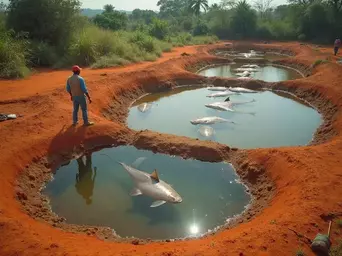
Ammonia toxicity can result in decreased growth rates and increased mortality.
As a farmer, I’ve seen firsthand how ammonia can create challenges in maintaining a healthy pond environment. That’s why proactive management is key to ensuring your catfish thrive! For additional insights on maintaining optimal conditions, consider reading our post on optimizing catfish growth.
The Toxicity of Ammonia: Effects on Catfish Health
Ammonia toxicity varies depending on its concentration and the duration of exposure. At low levels, catfish may show signs of stress, but as levels rise, the effects can become lethal. Symptoms of ammonia poisoning in catfish include:
Gasping at the surface for air
Inflammation or redness in the gills
Unusual swimming patterns or lethargy
Maintaining optimal ammonia levels is not just about keeping your fish alive; it’s about promoting their growth and maximizing your yield. I recommend regular testing and monitoring to catch any issues before they escalate. For a comprehensive guide on fish health, check out the resources available at our fish disease prevention guide.
Understanding the Nitrogen Cycle and Ammonia's Role in Aquaculture
The nitrogen cycle is a natural process that plays a vital role in aquaculture. It involves the conversion of ammonia into less toxic substances through beneficial bacteria. Here’s a simplified overview:
Ammonia is produced from fish waste and uneaten feed.
Beneficial bacteria convert ammonia into nitrites.
Other bacteria further convert nitrites into nitrates, which are less harmful.
Understanding this cycle is crucial for effective pond management. It allows you to create a balanced ecosystem that minimizes ammonia toxicity. Regular water quality assessments can help keep your nitrogen cycle functioning optimally!
Pro Tip
Did you know? Regularly changing 10-20% of your pond water can significantly reduce ammonia levels, thus enhancing the health and growth of your catfish. This simple practice helps maintain a balanced ecosystem and ensures a thriving aquaculture environment!
Frequently Asked Questions About Ammonia Management in Catfish Farming
Q1: What is ammonia and where does it come from in catfish ponds?
Ammonia (NH3) is a nitrogenous compound that originates from fish waste and the decomposition of uneaten feed and other organic matter in the pond. It's a natural byproduct of the fish's metabolic processes.
Q2: Why is ammonia a concern for catfish health?
High concentrations of ammonia are toxic to catfish. Even at low levels, it can cause stress, making fish more susceptible to diseases. At higher levels, it can lead to gill inflammation, unusual swimming patterns, decreased growth, and ultimately, mortality.
Q3: How does the nitrogen cycle help manage ammonia?
The nitrogen cycle is a natural biological process where beneficial bacteria convert harmful ammonia into less toxic substances. First, ammonia is converted into nitrites, and then nitrites are further converted into nitrates, which are much safer for fish.
Q4: What are the key strategies for long-term ammonia management?
Effective long-term strategies include regular water quality testing (for ammonia, pH, etc.), implementing biological filtration systems, maintaining a balanced feeding regimen to prevent excess waste, and incorporating aeration techniques to enhance oxygen levels, which supports beneficial bacteria.
Q5: How can sustainable practices contribute to ammonia management?
Sustainable aquaculture practices, such as proper pond design, utilizing native plants for natural filtration, optimizing pond size, and implementing water recycling systems, help create a balanced ecosystem that naturally minimizes ammonia toxicity and supports overall fish health while reducing environmental impact.
Strategies for Long-term Ammonia Management in Catfish Ponds
As catfish farmers, we understand that managing ammonia in our ponds is not a one-time task but an ongoing commitment. Implementing effective strategies for long-term ammonia management ensures not just the health of our fish but the sustainability of our farming practices. Here are some key strategies to consider:
Regular water quality testing: Conduct consistent tests for ammonia, pH, and other water parameters.
Implementing biological filtration: Use biofilters to support the natural nitrification process.
Maintaining a balanced feeding regimen: Feed our fish the right amounts to minimize excess waste.
Incorporating aeration techniques: Enhance oxygen levels to promote healthier fish and bacteria.
By focusing on these strategies, we can build a sustainable aquaculture system that not only supports our fish but also contributes positively to the environment.
Building a Sustainable Aquaculture System
Building a sustainable aquaculture system starts with understanding the delicate balance of our pond ecosystem. It’s essential to create an environment where beneficial bacteria can thrive, as they play a crucial role in breaking down ammonia. Investing in proper pond design is critical; consider using natural materials and methods that enhance filtration and aeration. I have seen firsthand how these strategies can transform a pond into a thriving ecosystem!
Utilize native plants: Incorporate aquatic plants that naturally filter water and provide habitats for beneficial organisms.
Optimize pond size: Ensure your pond is adequately sized to support your fish population without overcrowding.
Implement rotational stocking: Rotate fish species and sizes to promote a balanced ecosystem.
When we take these steps, we not only improve fish health but also contribute to the overall sustainability of our farming practices. For further reading on creating a balanced ecosystem, visit sustainable aquaculture practices.
Assessing Environmental Impact: Balancing Production and Ecology
As catfish farmers, it’s vital we assess the environmental impact of our practices regularly. This means evaluating how our farming methods affect local ecosystems. By focusing on maintaining water quality and minimizing waste, we can strike a balance between production and ecology. A sustainable approach helps ensure that our farms can thrive for generations to come!
Conduct environmental audits: Regularly check for signs of pollution and its effects on local wildlife.
Engage with local communities: Work with others to promote responsible aquaculture practices in the area.
Educate ourselves and our teams: Stay informed about the latest sustainable practices and regulations.
These practices contribute significantly to creating a harmonious relationship between our farms and the surrounding environment.
The Importance of Water Regulation in Sustainable Practices
Regulating water levels and quality is one of the most important aspects of sustainable catfish farming. Proper water management helps control ammonia levels and supports the health of both the fish and the pond ecosystem. We must be proactive in monitoring water changes and adjusting practices as needed.
Implement water recycling systems: Utilize technology to recycle water within the farm.
Set limits on water usage: Be mindful of how much water is drawn from local sources.
Schedule regular water changes: Establish a routine for partial water replacements to maintain quality.
By prioritizing water regulation, we can promote a more resilient farming operation that aligns with sustainable practices. Learn more about effective water management techniques in our detailed article on advanced aquaculture techniques.
Recap of Key Points
Here is a quick recap of the important points discussed in the article:
Monitor Ammonia Levels: Regularly test water quality to keep ammonia levels in check.
Recognize Symptoms of Toxicity: Be aware of signs like gasping for air and unusual swimming patterns.
Understand the Nitrogen Cycle: Implement strategies to promote beneficial bacteria that convert ammonia into less harmful substances.
Implement Long-term Management Strategies: Use biological filtration, balanced feeding, and aeration to maintain optimal conditions.
Assess Environmental Impact: Regularly evaluate farming practices to balance production with ecological sustainability.
Regulate Water Quality: Establish a routine for water changes and recycling to support a healthy ecosystem.
Yomi Adisa is the lead researcher at Fish Farming Business, where he studies what makes aquaculture ventures profitable across Africa. His research focuses on market patterns, buyer preferences, and the business decisions that determine success or failure in fish farming.