Managing Water Temperature for Catfish Production: Practical Techniques for Optimal Growth
Posted on: 2025-11-11
By: Yomi Adisa
Managing Water Temperature for Catfish Production: Practical Techniques for Optimal Growth
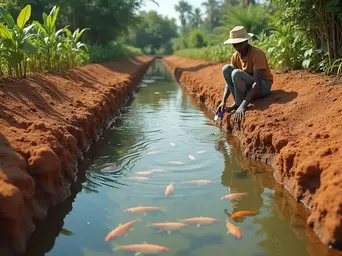
Picture this: You walk to your catfish pond early one morning in Lagos, expecting to see your fish actively feeding near the surface. Instead, you find them sluggish at the bottom, barely responding to feed. The culprit? Water temperature that's dropped below optimal levels during the cool harmattan season, slowing their metabolism to a crawl.
📑 Table of Contents
- Understanding Optimal Water Temperature for Catfish
- Key Water Quality Parameters
- Practical Techniques for Managing Water Temperature
- Species-Specific Considerations for Catfish
- Temperature Management and Health Implications
- Emergency Measures for Extreme Temperatures
- Summary Table of Key Techniques and Parameters
This scenario plays out across thousands of catfish farms throughout Nigeria, Ghana, and Kenya, where temperature fluctuations can make the difference between profitable harvests and disappointing yields. Water temperature management represents one of the most critical yet controllable factors in successful catfish production.
Understanding and controlling water temperature matters because it directly impacts your bottom line. Catfish maintained within optimal temperature ranges grow 40-60% faster than those in poorly managed systems, reach market weight weeks earlier, and show significantly better survival rates. When you master temperature management, you're not just improving fish welfare and profitability—you're maximising feed conversion efficiency, reducing mortality, and ensuring consistent production cycles that keep your cash flow steady throughout the year.
🎯 What You'll Learn
- Master techniques for maintaining optimal water temperatures between 24-30°C to enhance catfish growth and feed conversion rates
- Discover practical shading and aeration strategies to effectively manage temperature extremes in your pond environment
- Learn how to monitor key water quality parameters, including pH and dissolved oxygen, to support healthy catfish metabolism and reduce disease risk
Understanding Optimal Water Temperature for Catfish
Importance of Temperature Ranges
The ideal water temperature range for catfish production sits between 24-30°C (75-85°F), with peak growth occurring around 27-28°C. Within this range, catfish exhibit optimal feeding behaviour, efficient digestion, and robust immune function. Your fish will actively seek food, convert feed efficiently, and maintain the energy levels needed for steady weight gain.
When temperatures drop below 20°C, catfish become increasingly lethargic, reducing their feeding activity by up to 70%. Their digestive enzymes work less efficiently, meaning even the feed they consume provides limited nutritional benefit. Conversely, temperatures exceeding 32°C stress catfish significantly, causing them to reduce feeding and seek cooler water at pond bottoms where oxygen levels are typically lower.
Temperature extremes create cascading problems throughout your production system. Cold-stressed catfish become more susceptible to bacterial infections, particularly columnaris disease, while heat-stressed fish face increased ammonia toxicity as their metabolic waste production continues even when oxygen levels drop. These stress responses can reduce growth rates by 50% or more, extending your production cycle and increasing feed costs substantially.
Temperature Effects on Metabolism and Behaviour
Water temperature directly controls catfish metabolism through its effect on enzyme activity and cellular processes. At optimal temperatures around 27°C, digestive enzymes function at peak efficiency, allowing catfish to convert 1.5-1.8 kilograms of quality feed into 1 kilogram of body weight. As temperatures drop to 22°C, this conversion ratio deteriorates to 2.5-3.0 kilograms of feed per kilogram of growth.
Feeding behaviour changes dramatically with temperature fluctuations. During Lagos's hot season when pond temperatures reach 30-32°C, you'll notice catfish feeding most actively during early morning and evening hours, avoiding the heat of midday. In contrast, during harmattan periods when temperatures drop to 18-22°C, feeding activity may cease almost entirely for days at a time.
Seasonal variations require you to adjust management practices accordingly. During Nigeria's rainy season (May to October), cloud cover and rainfall naturally moderate temperatures, creating relatively stable conditions. However, the dry season brings extreme temperature swings – scorching afternoons followed by surprisingly cool nights – that challenge even experienced farmers.
| Temperature Range (°C) | Feed Conversion Ratio (kg feed/kg growth) | Growth Rate Impact | Feeding Behaviour |
|---|---|---|---|
| 18-20°C | 3.0-4.0 | Growth slows significantly | Reduced feeding activity |
| 22-24°C | 2.5-3.0 | Moderate growth | Feeding resumes but still slow |
| 27-28°C | 1.5-1.8 | Optimal growth | Active feeding |
| 30-32°C | 2.0-2.5 | Stress impacts growth | Feeding shifts to cooler times |
Seasonal Management Strategies
Effective seasonal management begins with adjusting feeding schedules to match temperature-driven behaviour changes. During hot months, shift to feeding during cooler hours – 6:00-7:00 AM and 6:00-7:00 PM – when catfish are most active. Reduce feeding rates by 20-30% during extremely hot periods (above 32°C) to prevent uneaten feed from decomposing and further warming the water.
Cold season management requires different strategies. When temperatures drop below 24°C, switch to high-energy feeds with increased fat content to help catfish maintain body condition despite reduced feeding. Feed smaller amounts more frequently rather than large meals, as digestion slows considerably in cooler water.
Behavioural observations provide crucial temperature management cues. Active surface feeding indicates comfortable temperatures, while fish gathering at pond bottoms suggests thermal stress. Rapid gill movement signals oxygen stress often associated with high temperatures, whilst sluggish movement typically indicates cold stress.
Key Water Quality Parameters
pH Levels and Their Importance
Maintaining proper pH levels becomes more challenging as water temperature fluctuates, yet it remains crucial for catfish health and growth. The ideal pH range for catfish production spans 6.5-8.5, with optimal levels between 7.0-8.0. Temperature changes affect pH stability because warmer water holds less dissolved carbon dioxide, which tends to raise pH levels throughout the day.
pH fluctuations outside the optimal range stress catfish and reduce their ability to regulate body temperature effectively. When pH drops below 6.5, catfish expend extra energy maintaining internal pH balance, energy that should support growth. Conversely, pH levels above 9.0 increase ammonia toxicity, particularly dangerous in warmer water where ammonia becomes more lethal to fish.
Monitor pH at the same time daily, preferably early morning before photosynthesis begins raising levels. Use a reliable digital pH metre rather than test strips for accuracy. If pH consistently falls outside optimal ranges, add agricultural lime (calcium carbonate) at 100-200 kg per hectare to raise pH, or introduce organic matter like rice bran to gradually lower pH through bacterial decomposition.
Dissolved Oxygen and Aeration
The relationship between water temperature and dissolved oxygen creates one of catfish farming's greatest challenges. Warm water holds significantly less oxygen than cool water – at 32°C, water holds only 7.0 mg/L of oxygen compared to 9.1 mg/L at 24°C. Since catfish require minimum oxygen levels of 4-5 mg/L for healthy growth, temperature increases quickly create oxygen stress.
Implement aeration systems that can maintain oxygen levels above 5 mg/L even during the hottest periods. Paddlewheel aerators work excellently for larger ponds (above 500 square metres), providing both oxygenation and beneficial water circulation. For smaller ponds, electric air pumps with multiple air stones distribute oxygen effectively whilst remaining affordable for most farmers.
Calculate your aeration needs based on stocking density and temperature. During hot seasons, you'll need approximately 2-3 watts of aeration per kilogram of fish biomass. This requirement increases to 4-5 watts during extremely hot periods or when stocking densities exceed 15 kg per cubic metre.
Managing Water Turbidity
Water turbidity significantly impacts temperature regulation by affecting light penetration and heat absorption. Clear water allows sunlight to penetrate deeply, warming the entire water column gradually. Turbid water absorbs heat at the surface, creating temperature stratification that stresses catfish and reduces oxygen levels in deeper areas.
Maintain water transparency of 30-40 centimetres for optimal temperature management. This clarity allows beneficial sunlight penetration whilst preventing excessive surface heating. Use a simple Secchi disk or white dinner plate to measure visibility – when you can see the object at 30-35 cm depth, turbidity levels are appropriate.
Control turbidity through proper pond management and filtration. Avoid overfeeding, which increases organic matter and bacterial growth that cloud water. Remove excess organic debris regularly, and consider adding beneficial bacteria products that break down waste without increasing turbidity.
| Parameter | Optimal Range | Impact of Deviations | Management Techniques |
|---|---|---|---|
| pH | 7.0-8.0 | Stress below 6.5 or above 9.0 | Use lime to raise, organic matter to lower |
| Dissolved Oxygen | >5 mg/L | Stress below 4 mg/L | Aerate water, increase circulation |
| Turbidity | 30-40 cm visibility | Poor growth and temperature regulation | Regularly remove organic debris |
Practical Techniques for Managing Water Temperature
Shading Techniques
Implementing effective shading reduces water temperature by 3-5°C during peak sunshine hours whilst maintaining relatively stable nighttime temperatures. Construct shade structures covering 40-60% of pond surface area using locally available materials. Bamboo frames with palm fronds, black shade cloth, or even recycled zinc sheets mounted 1.5-2 metres above water level provide excellent temperature control.
Position shade structures to provide maximum coverage during the hottest part of the day (11:00 AM to 3:00 PM) whilst allowing morning and evening sunlight to maintain beneficial algae growth. Partial shading works better than complete coverage because it prevents temperature extremes whilst maintaining natural light cycles that support healthy pond ecosystems.
Natural shading options include planting fast-growing trees like plantain or banana around pond perimeters, though these take time to establish. Floating plants such as water hyacinth can provide immediate surface shading, but monitor coverage carefully – excessive plant coverage reduces oxygen production and can create anaerobic conditions underneath.
Aeration and Circulation Systems
Proper aeration and circulation prevent temperature stratification whilst maintaining oxygen levels throughout the water column. Install paddlewheel aerators that create surface agitation and water movement, mixing warm surface water with cooler bottom water to maintain uniform temperatures. Position aerators to create circular water flow patterns that reach all pond areas.
For ponds smaller than 200 square metres, electric air pumps with diffuser stones provide adequate aeration and circulation. Use 1-2 watts of aeration power per square metre of pond surface, increasing to 3-4 watts during extremely hot weather. Run systems continuously during hot seasons, as stopping aeration even briefly can cause rapid oxygen depletion and temperature spikes.
Fountain-style aerators combine oxygenation with cooling through evaporation. These systems spray water 2-3 metres into the air, where it cools before returning to the pond. While more expensive to operate than bottom diffusion systems, fountain aerators can reduce water temperature by 2-4°C during hot afternoons whilst creating attractive pond features.
Monitoring and Adjusting Temperature
Establish a daily monitoring routine using accurate digital thermometers that measure temperature at multiple depths. Check temperatures at 30 cm, 60 cm, and near the bottom of deeper ponds to identify stratification problems. Record readings at the same times daily – 6:00 AM and 6:00 PM provide good baseline data for daily temperature ranges.
Install continuous monitoring systems for larger operations. Digital thermometers with data logging capabilities cost 15,000-25,000 naira but provide invaluable information about temperature trends and sudden changes. Set alarms for temperatures below 22°C or above 31°C to enable rapid response to dangerous conditions.
Adjust temperatures gradually rather than making sudden changes that shock catfish. To cool overheated ponds, add fresh water during early morning hours when new water is coolest. Add water slowly over 2-3 hours rather than all at once.
Species-Specific Considerations for Catfish
Channel Catfish
Channel catfish (Ictalurus punctatus) perform optimally at temperatures between 26-29°C, showing excellent growth rates and feed conversion within this range. These fish tolerate temperature fluctuations better than other catfish species, making them suitable for regions with variable climates. Channel catfish reduce feeding significantly when temperatures drop below 21°C, entering a semi-dormant state that can last several weeks.
Feeding strategies for channel catfish should emphasise high-protein diets (32-36% protein) during optimal temperature periods to maximise growth. When temperatures exceed 30°C, reduce protein levels slightly (28-32%) and increase feeding frequency to smaller meals that fish can consume quickly before seeking cooler water. Channel catfish show strong feeding responses to commercial pellets but will also consume natural foods like insects and small fish.
Channel catfish demonstrate excellent disease resistance at optimal temperatures but become susceptible to enteric septicaemia and columnaris when stressed by temperature extremes. Maintain water temperatures above 24°C during treatment periods, as most medications work more effectively in warmer water whilst fish immune systems function better.
Blue Catfish
Blue catfish (Ictalurus furcatus) prefer slightly cooler temperatures than channel catfish, with optimal growth occurring between 24-28°C. These larger catfish tolerate cold better than heat, making them suitable for highland areas or regions with cooler wet seasons. Blue catfish continue feeding at temperatures as low as 18°C, though growth rates slow considerably below 22°C.
Management practices for blue catfish should focus on maintaining stable temperatures rather than achieving maximum warmth. These fish show stress responses when temperatures fluctuate more than 4-5°C daily, so implement shading and thermal mass techniques to moderate temperature swings. Blue catfish grow larger than channel catfish but require longer production cycles, making temperature stability crucial for economic viability.
Blue catfish exhibit unique feeding behaviours that change with temperature. In cooler water (20-24°C), they prefer bottom feeding, consuming sinking pellets and natural foods. As temperatures rise above 26°C, blue catfish become more active throughout the water column, readily taking floating feeds during cooler morning and evening hours.
Flathead Catfish
Flathead catfish (Pylodictis olivaris) require the most specific temperature management, performing best in a narrow range of 25-28°C. These predatory catfish show reduced feeding and growth outside optimal temperatures more quickly than other species. Flathead catfish are particularly sensitive to rapid temperature changes, requiring gradual adjustments over several days rather than hours.
Feeding management for flathead catfish differs significantly from other species because they prefer live or fresh food over processed feeds. Maintain optimal temperatures to support live food organisms like small fish, frogs, and aquatic insects that flathead catfish naturally consume. When using commercial feeds, choose high-fat formulations (8-12% fat content) that better match their natural diet preferences.
Flathead catfish show territorial behaviour that intensifies with temperature stress. Provide adequate space and hiding structures when temperatures deviate from optimal ranges to reduce aggressive interactions. These fish require larger pond volumes per kilogram of biomass compared to other catfish species, making temperature management more challenging but crucial for successful production.
| Species | Optimal Temperature Range (°C) | Feeding Behaviour | Key Management Practices |
|---|---|---|---|
| Channel Catfish | 26-29°C | Active feeding during optimal temperatures | High-protein diets, monitor for stress |
| Blue Catfish | 24-28°C | Feeding slows below 22°C | Focus on temperature stability, manage shading |
| Flathead Catfish | 25-28°C | Reduced feeding outside optimal range | Maintain stable temperatures, provide live food options |
Temperature Management and Health Implications
Temperature and Disease Synergy
Temperature fluctuations significantly impact catfish immune system function, creating windows of vulnerability for disease outbreaks. Stress from temperatures below 22°C or above 31°C suppresses white blood cell activity, reducing fish ability to fight bacterial and parasitic infections. Common diseases like columnaris, enteric septicaemia, and ich become more virulent and spread faster in temperature-stressed fish populations.
Bacterial diseases multiply rapidly in warm water but become more lethal to stressed fish. Columnaris bacteria reproduce every 20 minutes at 28°C but slow dramatically below 24°C. However, cold-stressed catfish cannot mount effective immune responses, so slower-growing bacteria still cause significant mortality.
Parasitic infections show different temperature relationships. Ich parasites complete their life cycle in 3-4 days at 28°C but require 10-14 days at 22°C. Use this knowledge to time treatments effectively – raising temperature to 30°C for controlled periods can accelerate parasite life cycles, making treatments more effective whilst avoiding prolonged heat stress to fish.
Best Practices for Synergistic Management
Integrate temperature monitoring with overall health management through systematic observation and record-keeping. Check fish behaviour, appetite, and appearance during daily temperature readings. Healthy catfish in optimal temperatures show active feeding, normal swimming patterns, and bright colouration.
Implement preventive health measures that work synergistically with temperature management. Maintain excellent water quality through proper filtration and regular water testing. Stock fish at appropriate densities that allow effective temperature control – overcrowded ponds heat up faster and cool down slower than properly stocked systems.
Coordinate feeding schedules with temperature and health monitoring. Feed fish when they're most active and temperatures are optimal, typically during cooler morning and evening hours. Remove uneaten feed promptly to prevent bacterial growth that can raise water temperature and create disease conditions.
Emergency Measures for Extreme Temperatures
Immediate Actions for Heat Waves
When pond temperatures exceed 32°C, implement emergency cooling measures within hours to prevent fish mortality. Begin with immediate water exchanges, adding cooler groundwater or municipal water during early morning hours when replacement water is coolest. Exchange 15-20% of pond volume gradually over 2-3 hours to avoid shocking fish with sudden temperature changes.
Increase aeration capacity immediately during heat waves. If permanent aeration systems cannot maintain adequate oxygen levels, deploy temporary aerators or air pumps to supplement existing equipment. Focus aeration on the deepest areas of ponds where fish typically congregate during hot weather.
Create emergency shade using any available materials – tarps, zinc sheets, palm fronds, or even large umbrellas positioned over pond sections where fish are concentrated. Spray water over shade structures to increase cooling through evaporation.
Strategies for Cold Snaps
Cold weather emergencies require different approaches focused on maintaining fish metabolism and preventing thermal shock. When temperatures drop below 20°C, reduce feeding to prevent digestive problems and uneaten feed decomposition. Switch to easily digestible, high-energy feeds that fish can process efficiently at lower metabolic rates.
Implement thermal mass strategies to moderate temperature drops. Add dark-coloured containers filled with water to pond edges – these heat up during sunny periods and release warmth slowly during cool nights. Black plastic drums or containers work excellently for this purpose.
Protect ponds from cold winds that accelerate heat loss through evaporation. Construct temporary windbreaks using plastic sheeting, palm fronds, or any available materials. Even partial wind protection can prevent temperature drops of 2-3°C during cold snaps.
Summary Table of Key Techniques and Parameters
Temperature management success depends on understanding optimal ranges, implementing appropriate techniques, and responding quickly to emergencies. Catfish grow best between 24-30°C, with peak performance at 27-28°C. Monitor temperatures at least twice daily, maintaining dissolved oxygen above 5 mg/L and pH between 7.0-8.0 for optimal results.
Practical management techniques include shading 40-60% of pond surface area, providing adequate aeration at 2-3 watts per kilogram of fish biomass, and implementing circulation systems that prevent temperature stratification. Species-specific considerations matter – channel catfish tolerate temperature fluctuations best, blue catfish prefer cooler conditions, and flathead catfish require the most stable temperatures.
Emergency protocols should include rapid cooling methods for temperatures above 32°C and thermal protection for temperatures below 20°C. Integrate temperature management with health monitoring, adjusting feeding schedules and stocking densities to support optimal temperature control throughout production cycles.
Conclusion
Mastering water temperature management puts you in control of one of the most critical factors determining your catfish farming success. By maintaining temperatures between 24-30°C through practical techniques like strategic shading, proper aeration, and consistent monitoring, you can achieve 40-60% faster growth rates and significantly better survival rates. Start with daily temperature readings at consistent times, implement basic shading over 40-60% of your pond surface, and ensure adequate aeration during hot periods—these foundational steps will immediately improve your production results.
You now have the technical knowledge and practical techniques needed to manage temperature effectively, whether you're farming in Lagos's variable climate or Ghana's highland regions. Don't feel overwhelmed by implementing everything at once—successful farmers build their systems gradually, starting with basic monitoring and expanding to more sophisticated temperature control as their operations grow. Each technique you master brings you closer to consistent, profitable harvests.
Temperature management works hand-in-hand with other critical aspects of catfish production. As you develop confidence in controlling water temperatures, focus next on optimising your feeding strategies and stocking densities to complement your temperature management efforts. The combination of stable temperatures, proper nutrition, and appropriate stocking rates creates the foundation for a thriving catfish enterprise.
Frequently Asked Questions
How can I cool my catfish pond quickly during a sudden heatwave without electricity?
During a heatwave, you can implement immediate water exchanges by adding cooler groundwater or municipal water during early morning hours, exchanging 15-20% of the pond volume gradually. Additionally, create emergency shade using available materials like tarps, palm fronds, or large umbrellas over pond sections where fish are concentrated. Spraying water over these shade structures can also increase cooling through evaporation.
Why is it important to monitor pH levels when managing water temperature for catfish?
Monitoring pH is crucial because temperature changes affect pH stability, and pH levels outside the optimal range (6.5-8.5) stress catfish, reducing their ability to regulate body temperature effectively. Warmer water holds less dissolved carbon dioxide, which can raise pH. High pH levels also increase ammonia toxicity, which is particularly dangerous in warmer water.
When should I adjust my catfish feeding schedule due to temperature changes?
You should adjust your feeding schedule immediately when temperatures deviate from the optimal 24-30°C range. During hot months (above 30°C), shift to feeding during cooler hours (early morning and evening) and reduce feeding rates by 20-30%. In cold seasons (below 24°C), switch to smaller, more frequent meals of high-energy feeds, closely monitoring if fish are actively seeking food.
What are some effective, low-cost ways to provide shade for my catfish pond?
You can construct shade structures covering 40-60% of your pond's surface area using locally available and affordable materials. Bamboo frames with palm fronds, black shade cloth, or even recycled zinc sheets mounted 1.5-2 metres above the water level are excellent options. Position these to provide maximum coverage during the hottest part of the day.
Can different types of catfish species tolerate different water temperatures?
Yes, different catfish species have varying temperature preferences. Channel catfish tolerate fluctuations best and thrive between 26-29°C, while Blue catfish prefer slightly cooler temperatures (24-28°C) and tolerate cold better than heat. Flathead catfish are the most sensitive, requiring a narrow range of 25-28°C and are particularly susceptible to rapid temperature changes.


Yomi Adisa Lead Researcher
Yomi Adisa is the lead researcher at Fish Farming Business, where he studies what makes aquaculture ventures profitable across Africa. His research focuses on market patterns, buyer preferences, and the business decisions that determine success or failure in fish farming.