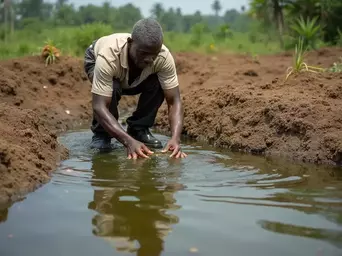
Exploring Catfish Reproductive Biology: Unraveling Breeding Behavior
Posted on: 2025-11-02
By: Yomi Adisa
If you're involved in catfish farming, you might find yourself grappling with the complexities of breeding behaviour. Many farmers overlook crucial aspects of catfish reproduction, leading to misunderstandings that can negatively impact your yield. This blog post aims to unravel some of the common myths about catfish breeding, helping you cultivate a more profitable and sustainable operation. You'll learn about the importance of understanding local species differences, the timing of spawning seasons, and the hidden costs of inadequate knowledge. By addressing these critical areas, you can make informed decisions that enhance your farm's productivity and success.
What You Will Learn
- The significance of species-specific breeding behaviours in catfish.
- How environmental factors and local weather patterns influence spawning success.
- The importance of understanding fecundity and its impact on profitability.
- Key hormonal and physiological triggers that optimise breeding outcomes.
- Practical strategies to enhance parental care and nesting conditions for successful reproduction.
Why Most Fish Farmers Misunderstand Catfish Breeding Behaviour
You walk into your breeding pond expecting to see spawning activity, but your catfish are swimming in circles with no sign of reproduction. You've followed the basic guidelines, maintained decent water quality, and waited for the right season. Yet your breeding programme isn't delivering the fingerlings you need for expansion.
The problem isn't your pond setup or feeding schedule. You're missing the fundamental understanding of how catfish actually behave during reproduction. Most farmers rely on outdated information or assume all catfish species behave identically. This knowledge gap costs you time, money, and the opportunity to scale your operation effectively.
The Common Myths That Could Cost You
You've probably heard that catfish will breed naturally once they reach maturity and conditions are right. This oversimplification leads to expensive mistakes. Catfish reproductive behaviour varies significantly between species, and what works for Clarias gariepinus in Lagos might fail completely with Heterobranchus bidorsalis in Kumasi. Understanding species-specific breeding patterns becomes crucial for your success.
The myth of "natural breeding" ignores the complex behavioural triggers that initiate spawning. You need to understand that catfish require specific environmental cues, social dynamics, and physiological conditions to begin their reproductive cycle. Simply putting mature fish together in a pond won't guarantee breeding success.
Another costly myth suggests that all catfish spawn during the rainy season. While rainfall influences breeding patterns, the relationship isn't straightforward. Temperature fluctuations, photoperiod changes, and water chemistry shifts all play crucial roles that most farmers overlook.
Critical Breeding Behaviour Factors
Your breeding success depends on understanding these key behavioural elements:
- Species-specific courtship rituals and timing
- Territorial behaviour and space requirements
- Social hierarchy establishment before spawning
- Environmental trigger recognition and response
- Parental care patterns and nest site selection
How Misreading Behaviour Impacts Your Yield
When you misinterpret catfish breeding behaviour, you're not just losing potential fingerlings. You're wasting expensive broodstock, feeding costs, and months of preparation time. A farmer in Ibadan lost an entire breeding season worth ₦400,000 because he couldn't recognise pre-spawning aggression and separated his fish too early.
Aggressive behaviour between potential breeding pairs often signals the beginning of courtship, not incompatibility. You might remove fish that are actually establishing the social dynamics necessary for successful reproduction. This misreading costs you breeding opportunities and forces you to start the conditioning process again.
Poor behavioural understanding also leads to inadequate nest site preparation. Catfish exhibit specific preferences for spawning locations based on substrate type, water depth, and shelter availability. When you don't provide appropriate nesting options, breeding pairs may spawn in unsuitable locations where eggs face higher mortality rates. Proper water quality management becomes essential for creating optimal breeding environments.
The timing of hormone injection becomes critical when you understand natural breeding behaviour. Injecting fish before they show proper pre-spawning behaviour often results in poor egg quality and low fertilisation rates. You need to recognise the behavioural signs that indicate readiness for artificial reproduction techniques.
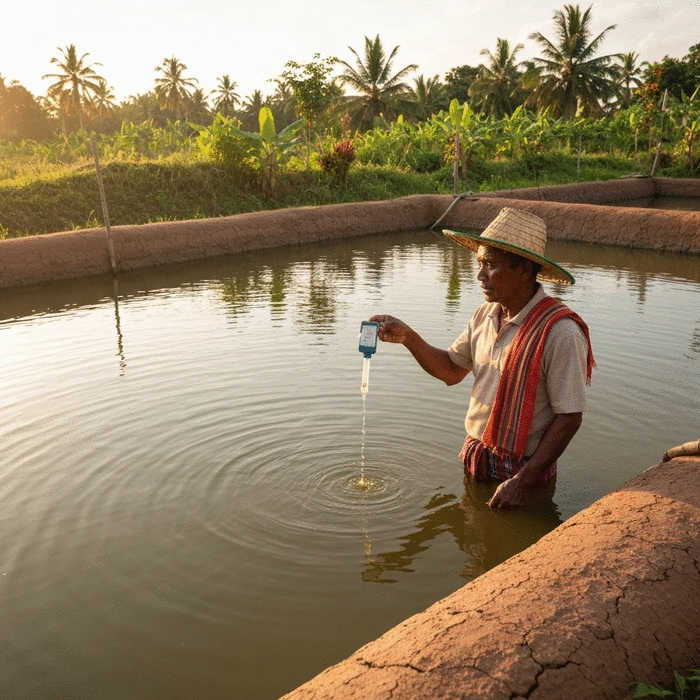
What Happens When You Ignore Local Species Differences
You cannot apply breeding knowledge from one catfish species to another without understanding their distinct behavioural patterns. Clarias gariepinus shows different territorial behaviour compared to Heterobranchus longifilis, yet many farmers treat them identically in breeding programmes.
Local catfish species have evolved specific reproductive strategies suited to regional environmental conditions. The breeding behaviour of catfish in northern Nigeria differs from those in southern regions due to distinct wet and dry season patterns. Ignoring these adaptations leads to poor breeding timing and reduced reproductive success.
Water temperature preferences during spawning vary between species and local populations. What triggers breeding behaviour in one species might inhibit reproduction in another. You need species-specific knowledge to create optimal breeding conditions rather than relying on generalised catfish breeding advice. Implementing effective broodstock selection strategies requires understanding these species-specific requirements.
| Species | Breeding Behaviour Pattern | Key Trigger |
|---|---|---|
| Clarias gariepinus | Aggressive courtship, nest building | Temperature drop + rainfall |
| Heterobranchus bidorsalis | Territorial establishment, extended courtship | Photoperiod change + water level |
| Clarias anguillaris | Seasonal migration, group spawning | Flood season onset |
The social structure requirements also differ significantly between species. Some catfish require group dynamics for successful breeding, while others perform better in isolated pairs. Understanding these species-specific social needs determines your stocking density and pond management approach for breeding operations.
| Key Points | Details |
|---|---|
| Understanding Species Differences | Breeding behaviour varies significantly between catfish species, necessitating species-specific knowledge for success. |
| Critical Environmental Factors | Water temperature, rainfall patterns, and photoperiod changes profoundly affect breeding cycles. |
| Impact of Misunderstanding Behaviour | Misreading breeding behaviours can lead to wasted resources and reduced yields. |
| Fecundity Considerations | Regular assessment of broodstock fecundity is vital for maximising egg production and profitability. |
| Hormonal Influences | Hormonal regulation significantly impacts reproductive success; timing of hormone treatments is crucial. |
| Importance of Breeding Rituals | Observing courtship behaviours and parental care roles can enhance breeding outcomes. |
| Sustainable Practices | Incorporating sustainable aquaculture practices is essential for long-term success and profitability. |
| Adaptation and Continuous Learning | Farmers should be open to adapting strategies based on new information and continuous learning. |
The Hidden Costs of Ignoring Fecundity in Catfish
Understanding fecundity is key to maximising your catfish breeding operation. You might not realise it, but the number of eggs a female can produce directly influences your profit margins. Many farmers overlook this aspect, assuming that just having broodstock is enough.
You need to assess the reproductive capacity of your stock regularly. Species like Clarias gariepinus can lay thousands of eggs, but if you don't ensure optimal conditions, those numbers can drop significantly.
Key Information
Monitor these factors to improve fecundity:
- Genetic quality of broodstock
- Health and nutrition levels
- Water quality parameters
- Stress minimisation techniques
How Fecundity Affects Profit Margins You Didn't Consider
Fecundity directly impacts your yield and profitability. A farmer in Abuja learned this the hard way. Initially, he thought feeding and water quality were sufficient for good yields. It wasn't until he tested his broodstock that he realised he had a mix of low-fecundity and high-fecundity females. Switching to higher-quality broodstock resulted in a 50% increase in egg production, drastically improving his bottom line.
You want to select broodstock based on proven fecundity records. This means not just relying on appearance but also traceable breeding history.

The Realities of Egg Development and Its Impact on Aquaculture
Egg development is crucial, and understanding it will help you manage your breeding cycles more effectively. Catfish eggs require specific temperatures and oxygen levels during incubation to develop properly. Deviating from these conditions can lead to poor hatch rates.
You might not realise that even minor fluctuations in water quality can affect embryo viability. Monitor dissolved oxygen levels closely—ideally, these should stay above 6 mg/L during incubation.
Why Your Understanding of Gonadal Development Matters More Than You Think
Gonadal development plays a pivotal role in the reproductive success of your catfish. The timing and conditions for gonad maturation vary significantly between species. For instance, Clarias gariepinus requires consistent temperatures around 26-28°C for optimal gonadal development.
You need to keep a keen eye on your broodstock, noting changes in physical appearance and behaviour that indicate readiness for spawning. A farmer in Lagos successfully increased his yield by adjusting his breeding schedule in line with these observations.
What Hormonal Secrets You Might Be Overlooking
Hormonal regulation is often the unsung hero of successful catfish breeding. Ignoring hormonal influences can mean lower reproduction rates and loss of potential income. You may think that environmental factors alone determine spawning success, but hormones play a more significant role than you'd expect.
You want to understand how to stimulate hormonal release effectively. For example, using hormone injections can enhance spawning in controlled environments, but the timing must align with natural cues.
Key Information
Focus on these hormonal aspects:
- Timing of hormone treatments
- Physiological response indicators
- Species-specific hormonal requirements
Why Ignoring Hormonal Influence Could Mean Lower Reproduction Rates
Failing to manage hormone levels can lead to disappointing spawning outcomes. A farmer in Ibadan discovered this when he introduced hormone treatments too late, resulting in a poor spawning yield.
You must carefully monitor your fish's conditions leading up to hormone treatments, ensuring they are in the right physical and psychological state for breeding.
The Unexpected Role of Neuroendocrine Pathways in Your Success
Neuroendocrine pathways are vital in regulating reproductive behaviours and responses in catfish. Understanding these can provide insights into how to improve your breeding success.
You need to recognise that stress can impair hormone production. Ensure your fish are in a stress-free environment leading up to breeding seasons.
What Successful Farmers Understand About Hormonal Regulation
Successful farmers are those who grasp the importance of hormonal regulation. They monitor not just environmental factors but also hormonal dynamics to optimise breeding outcomes.
You should regularly assess health and stress levels in your broodstock. A consistent approach to monitoring will lead to better results.
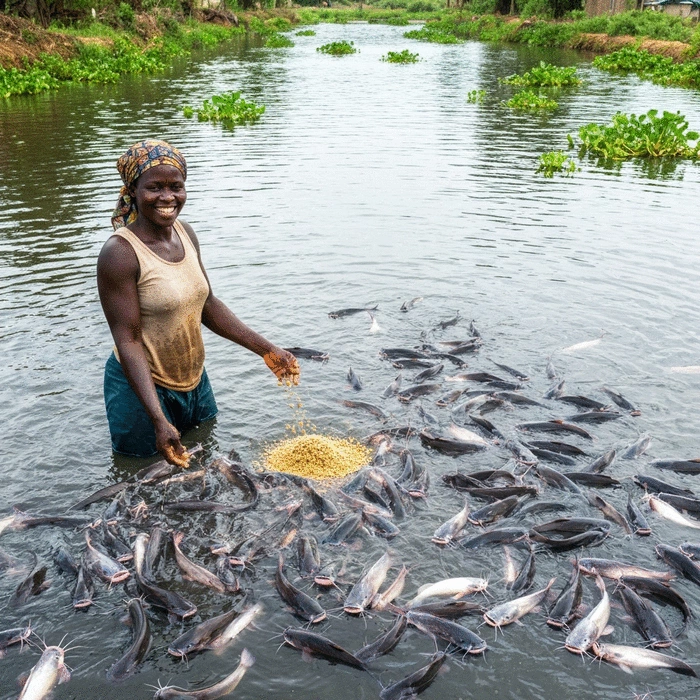
The Breeding Rituals That Could Make or Break Your Farm
Breeding rituals are often more complex than they appear. Understanding these rituals can be the difference between a successful spawn and a failed season. You want to pay attention to courtship displays and parental care behaviours.
Ignoring these rituals could lead to poor breeding outcomes. For instance, catfish engage in specific courtship behaviours that signal readiness for spawning.
Key Information
Focus on these breeding rituals:
- Observation of courtship behaviours
- Understanding of parental care roles
- Importance of nesting sites
The Courtship Displays You Can't Afford to Ignore
Courtship displays often involve complex behaviours that indicate readiness for spawning among catfish. If you overlook these displays, you may prematurely separate potential breeding pairs, leading to wasted resources.
You need to observe these behaviours closely and create an environment that encourages courtship. A farmer in Nigeria adjusted the layout of his breeding pond to support courtship activities, resulting in a significant increase in successful spawns.
Why Parental Care Matters More Than You Think for Catfish
Parental care is crucial for the survival of eggs and fry. Some catfish species exhibit significant parental care, which can affect survival rates post-hatching.
You want to ensure that your breeding pairs have the right conditions to care for their offspring. Failure to provide adequate nesting sites or space can lead to egg abandonment.
What Happens When Nests Are Abandoned?
When nests are abandoned, the potential for loss is significant. Eggs left unattended are at risk of predation and poor water quality.
You need to create ideal nesting conditions to reduce the likelihood of abandonment. This includes ensuring shelter and appropriate water quality within the breeding environment.
Why Environmental Factors Are Your Silent Partners
Environmental factors play a pivotal role in the breeding success of catfish. Ignoring these can lead to subpar results. You need to consider everything from water quality to habitat conditions.
Managing these environmental factors is not just an option; it's a necessity. If the environment isn't right, even the best broodstock will fail to reproduce successfully.
Key Information
Monitor these environmental aspects:
- Water temperature and quality
- Oxygen levels
- Habitat complexity
- Seasonal changes in local climate
How Different Habitats Influence Your Breeding Success
Different habitats can significantly affect the reproductive success of catfish. For instance, natural breeding sites often provide better conditions for spawning than artificial ones.
You want to replicate the natural habitat as closely as possible in your breeding ponds. A farmer in Ghana improved his breeding rates by adding gravel and rocks to create more complex environments.
The Climate Change Factor: What You Need to Prepare For
Climate change is an emerging factor you cannot ignore. Rising temperatures and unpredictable weather patterns can disrupt breeding cycles.
You need to adapt your breeding programmes to account for these changes. Monitoring long-term water temperature trends will help you stay ahead.
What You Can Learn from Local Water Conditions
Local water conditions dramatically influence breeding success. Factors like pH, hardness, and mineral content can change your approach.
Regularly test your water parameters to ensure they meet the needs of the species you're breeding. A farmer in Kenya found that adjusting his water pH helped improve the hatch rates significantly.
The Genetics of Catfish Reproduction: What You Didn't Know
Genetics plays a crucial role in catfish reproduction. Understanding the genetic diversity within your broodstock can significantly impact breeding outcomes.
You want to ensure that your breeding stock has a good genetic mix. Inbreeding can lead to reduced fecundity and increased susceptibility to diseases.
Key Information
Consider these genetics-related factors:
- Diversity of broodstock
- Proven lineage in breeding
- Disease resistance traits
How Genetic Diversity Impacts Your Breeding Outcomes
Genetic diversity can lead to more robust populations, with improved growth rates and disease resistance. A farmer in Lagos found that mixing different strains improved overall survivability and growth in his catfish.
You should aim for a varied genetic pool in your breeding programme. This will enhance the resilience of your stock and improve overall productivity.
The Molecular Mechanisms Behind Reproductive Strategies
Molecular biology plays a role in understanding reproductive strategies in catfish. Hormones and genetic markers dictate spawning behaviours and success rates.
Stay informed on current research in this area. You may find insights that could improve your breeding techniques and outcomes.
What Genetic Studies Reveal About Future Breeding
Recent genetic studies are shedding light on specific traits that enhance breeding success. You want to keep track of these findings to inform your breeding decisions.
Leveraging genetic insights will help you make better choices in broodstock selection and management.
What You Need to Consider for Sustainable Aquaculture Practices
Sustainable aquaculture practices are essential for long-term success in catfish farming. You need to balance productivity with environmental responsibility.
Ignoring sustainability can lead to decreased yields and increased costs in the long run. Focus on methods that support both profitability and environmental health.
Key Information
Incorporate these sustainable practices:
- Minimising feed waste
- Using eco-friendly materials
- Implementing water conservation methods
The Challenges of Artificial Breeding and What to Avoid
Artificial breeding techniques can be tricky. Missteps can lead to low success rates and wasted resources.
You want to ensure that your artificial techniques are aligned with natural behaviours. A farmer in Kaduna discovered that modifying hormone treatments to match natural cycles resulted in better spawning outcomes.
The Realities of Common Reproduction Issues in Aquaculture
Common reproduction issues can plague your farm if not managed properly. These include stress, poor water quality, and inadequate nutrition.
You need to address these issues proactively. Regular monitoring and adapting your practices will help maintain a productive environment for breeding.
What Successful Farmers Do Differently in Breeding Practices
Successful farmers focus on continuous improvement in their breeding practices. They adjust based on observation and data analysis.
You should keep detailed logs of your breeding cycles, environmental conditions, and outcomes. This information will help you make informed decisions in the future.
Where Do You Go From Here?
Navigating the complexities of catfish breeding can be challenging, but taking informed steps will help you improve your operation. You must be willing to adapt and learn from each breeding cycle.
The decisions you make now will shape your farm's future. You want to start applying the insights from this article to enhance your practices.
Key Information
Consider these next steps:
- Evaluate your current breeding practices
- Invest in training for your team
- Stay updated on industry research
The Choices You Face in Adapting Your Breeding Strategies
Adaptation is vital in a changing environment. You need to assess your current strategies critically and be open to making changes based on new information.
Keep your options flexible; this will allow you to pivot quickly to avoid losses.
What the Future Holds for Catfish Farming in Africa
The future of catfish farming is promising, with increasing demand and innovation. However, challenges such as climate change and market fluctuations will require smart management and adaptability.
You should prepare your farm for future changes by investing in sustainable practices.
Why Continuous Learning Is Your Best Strategy for Success
Continuous learning is essential for success in catfish farming. You want to stay informed about new breeding techniques and market trends.
Engage with fellow farmers and experts to share experiences and insights. This collaborative approach can lead to improved practices and outcomes in your breeding operation.
What You Need to Know About Spawning Seasons in Africa
You cannot time your catfish breeding operations without understanding the natural spawning cycles that govern reproduction across African regions. Most farmers assume catfish breed year-round in tropical climates, but this misconception leads to poor hatchery planning and inconsistent fingerling production. The reality is more complex—and more profitable when you understand it properly.
African catfish species follow distinct seasonal patterns that vary dramatically between regions, influenced by rainfall, temperature fluctuations, and photoperiod changes. You need to align your breeding programme with these natural cycles rather than fighting against them. When you work with nature's timing, your spawning success rates can improve by 40-60% compared to random breeding attempts.
Critical Spawning Factors to Monitor
- Water temperature ranges (24-28°C optimal for most African catfish)
- Rainfall patterns and their effect on water levels
- Photoperiod changes throughout the year
- Local breeding seasons for wild populations
- Regional variations in peak spawning months
Why Timing Could Be Your Biggest Challenge
You face a fundamental challenge that separates successful catfish breeders from struggling ones: understanding when your fish are naturally programmed to reproduce. Catfish reproductive cycles are triggered by environmental cues that have evolved over thousands of years. When you ignore these signals, you're essentially asking your fish to perform against their biological programming.
The primary trigger for catfish spawning across Africa is the onset of rainy seasons, which typically occurs between March and June in West Africa, and November to March in East Africa. During these periods, water temperatures rise, dissolved oxygen levels fluctuate, and hormonal changes prepare fish for reproduction. You want to schedule your breeding activities 2-3 weeks before these natural peaks to maximise fertilisation rates.
Temperature plays the most critical role in spawning success. You need water temperatures between 26-28°C for optimal gonadal development in most African catfish species. Below 24°C, reproductive activity slows significantly. Above 30°C, stress hormones interfere with spawning behaviour. A farmer in Kaduna discovered this when his indoor hatchery maintained constant 22°C temperatures—his spawning success dropped to less than 20% until he installed heating systems.
The Difference Between Regions: Nigeria vs. Ghana
You cannot apply the same breeding calendar across different African regions because climatic variations create distinct spawning windows. Nigerian catfish farmers typically see peak spawning activity between April and July, coinciding with the heaviest rainfall periods. Ghanaian farmers, however, experience two distinct spawning seasons: a major peak from April to June and a secondary peak from September to November.
These regional differences affect everything from broodstock selection to fingerling marketing strategies. You need to understand your local patterns rather than copying techniques from other regions. In northern Nigeria, the single rainy season creates one intense breeding period, while southern regions with longer wet seasons allow for extended breeding programmes.
Water chemistry changes also vary by region, affecting spawning triggers. Nigerian waters tend to have higher mineral content, which influences hormonal regulation in breeding fish. Ghanaian coastal regions deal with seasonal salinity changes that can either enhance or or inhibit spawning depending on timing. You want to test your local water parameters monthly to identify the specific chemical triggers that signal optimal breeding conditions for your area.
| Region | Peak Spawning Period | Secondary Period | Key Trigger |
|---|---|---|---|
| Northern Nigeria | May-July | None | Rainfall onset |
| Southern Nigeria | April-June | September-October | Temperature + rainfall |
| Ghana (Coastal) | April-June | September-November | Salinity changes |
| Kenya (Highlands) | November-February | March-May | Temperature rise |
What Local Weather Patterns Teach Us About Spawning
You can predict your optimal breeding windows by studying local weather patterns over multiple years rather than relying on general seasonal calendars. Catfish respond to specific environmental changes that precede major weather shifts, giving you advance warning of prime breeding conditions. The key is learning to read these natural signals before your competitors do.
Barometric pressure changes affect catfish behaviour 3-5 days before major weather systems arrive. You'll notice increased feeding activity and restless swimming patterns as pressure drops, indicating that spawning readiness is building. Smart farmers use this window to introduce breeding pairs and prepare spawning environments before the optimal conditions peak.
Photoperiod changes—the length of daylight hours—trigger hormonal cascades that prepare catfish for reproduction. You need to track sunrise and sunset times throughout the year because even small changes in daylight duration can influence gonadal development. In equatorial regions where photoperiod variation is minimal, temperature and rainfall become the dominant triggers. Further from the equator, daylight changes play increasingly important roles in timing reproductive cycles.
The most successful catfish breeders maintain detailed weather logs that correlate local conditions with spawning success rates. You want to record daily temperatures, rainfall amounts, barometric pressure readings, and photoperiod measurements alongside your breeding results. After 2-3 breeding seasons, patterns emerge that allow you to predict optimal breeding windows with remarkable accuracy. This data becomes invaluable for planning broodstock conditioning, scheduling hormone treatments, and timing fingerling production to meet market demand.
Frequently Asked Questions
What are the main differences between catfish species in terms of breeding behaviour?
Different catfish species exhibit distinct breeding behaviours that affect your farming success. Clarias gariepinus shows aggressive courtship and nest-building behaviour, while Heterobranchus bidorsalis requires territorial establishment and extended courtship periods. You need to understand these species-specific patterns to create appropriate breeding environments and timing for optimal results.
How do environmental factors influence catfish spawning success?
Environmental factors like water temperature, rainfall patterns, and photoperiod changes significantly impact spawning success. You should maintain water temperatures between 26-28°C for optimal breeding, monitor seasonal rainfall patterns, and understand how daylight changes trigger hormonal responses. These factors work together to create the ideal conditions for natural spawning behaviour.
Why is fecundity important for catfish farming profitability?
Fecundity directly affects your profit margins by determining how many eggs each female can produce. You need to select broodstock based on proven fecundity records rather than appearance alone. Higher-fecundity females can increase your egg production by 50% or more, significantly improving your bottom line and fingerling availability for expansion.
When should hormone treatments be administered for artificial breeding?
You should administer hormone treatments only when fish show proper pre-spawning behaviour, not according to a fixed schedule. Timing must align with natural breeding cues and physiological readiness. Premature hormone injection often results in poor egg quality and low fertilisation rates, wasting both resources and breeding opportunities.
How do spawning seasons vary across different African regions?
Spawning seasons vary significantly across African regions due to different climatic patterns. Nigerian farmers typically see peak activity from April to July, while Ghanaian farmers experience two seasons from April-June and September-November. You need to understand your local patterns rather than copying techniques from other regions to maximise breeding success.
In conclusion, understanding catfish reproductive biology is crucial for improving your breeding practices and overall yield. By recognising common myths, acknowledging local species differences, and being aware of spawning seasons, you can significantly enhance your outcomes. Additionally, paying attention to fecundity, hormonal influences, and environmental factors will help you make informed decisions.
Your next steps should involve assessing your current breeding strategies and considering adjustments based on the insights shared in this guide. Continuous learning and adapting to local conditions will not only enhance your breeding success but also contribute to sustainable aquaculture practices.
For more tailored insights and detailed strategies, visit FishFarmingBusiness.com to explore how you can transform your fish farming efforts into a more profitable and sustainable venture.


Yomi Adisa Lead Researcher
Yomi Adisa is the lead researcher at Fish Farming Business, where he studies what makes aquaculture ventures profitable across Africa. His research focuses on market patterns, buyer preferences, and the business decisions that determine success or failure in fish farming.