Understanding Catfish Biology and Anatomy for Successful Farming
Posted on: 2025-10-10
By: Yomi Adisa
Are you struggling to maximise your catfish farming profits? The truth is, understanding catfish biology and anatomy can be a game changer for your operations. Many farmers overlook the importance of these fundamentals, believing that fish farming is solely about production techniques. However, the anatomy of catfish directly influences their health, growth rates, and overall profitability.
This blog post will guide you through essential aspects of catfish biology that can inform your farming strategies. From recognising unique species traits to understanding the unseen mechanics behind their anatomy, each section provides valuable insights aimed at enhancing your farming practices. Equip yourself with the knowledge that can help you make informed decisions and ultimately lead to a more successful catfish farming business.
What You Will Learn
- Essential biological principles that influence catfish health and growth.
- Key anatomical features that affect feeding strategies and profitability.
- The significance of water quality and its impact on fish survival.
- Best practices for optimising breeding and reproductive success.
- How to select the right catfish species based on local conditions.
Navigating Catfish Biology and Anatomy: What You Must Know for Success
Why Understanding Catfish Biology Could Change Your Farming Game
You walk into your pond area every morning, checking on thousands of fish swimming beneath the surface. But how well do you actually know what's happening inside those catfish bodies? Most farmers focus on feeding schedules and water changes whilst completely ignoring the biological processes that determine whether their fish thrive or merely survive.
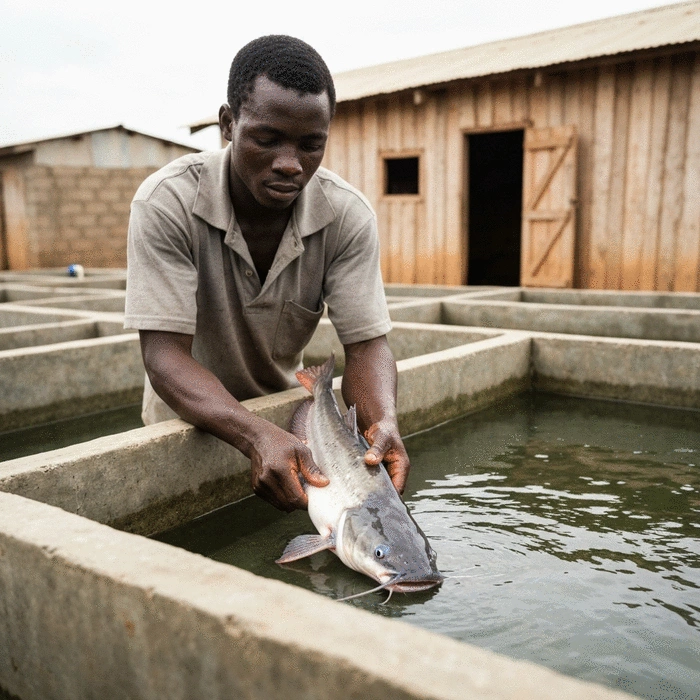
Understanding catfish biology isn't academic theory—it's practical knowledge that directly affects your bottom line. When you know how a catfish's digestive system works, you can optimise feeding times and reduce waste. When you understand their respiratory system, you can prevent costly oxygen crashes that kill entire stocks overnight.
The difference between profitable farms and struggling ones often comes down to this biological knowledge. You might have perfect water chemistry and expensive feed, but if you don't understand how your fish actually process nutrients or respond to environmental changes, you're farming blind. Understanding feeding schedules for African catfish becomes much easier when you grasp their digestive anatomy.
The Surprising Impact of Anatomy on Catfish Farming
Your catfish's anatomy determines everything from how much they can eat to how quickly they grow. Take their stomach structure—catfish have a simple, single-chambered stomach that processes food differently than other fish species. This affects when you should feed them and how much food they can handle at once.
A farmer in Ogun State discovered this the hard way when he switched from tilapia to catfish without adjusting his feeding approach. He lost 40% of his stock to digestive issues because he didn't understand that catfish need smaller, more frequent meals rather than large portions twice daily.
The swim bladder—that internal air sac—controls buoyancy and affects how catfish move through water. When you understand this organ, you can identify stress and disease symptoms early. Fish struggling to maintain their position in the water column often have swim bladder problems, which can indicate poor water quality or nutritional deficiencies.
Critical Anatomical Features That Affect Your Profits
- Barbels (whiskers): These sensory organs help catfish find food in murky water—understanding this helps you choose optimal feeding locations
- Lateral line system: Detects water movement and pressure changes—explains why catfish respond to environmental stress before you notice it
- Gill structure: Determines oxygen requirements and affects stocking density decisions
- Digestive tract length: Influences feed conversion ratios and optimal protein levels in your feed
What You Didn't Know About the Connection Between Biology and Profitability
Every biological process in your catfish translates to naira in your pocket or losses in your account. Feed conversion efficiency—how well fish convert food into body weight—depends entirely on their digestive anatomy and metabolic rate. When you understand these processes, you can adjust feeding strategies to maximise growth whilst minimising feed costs.
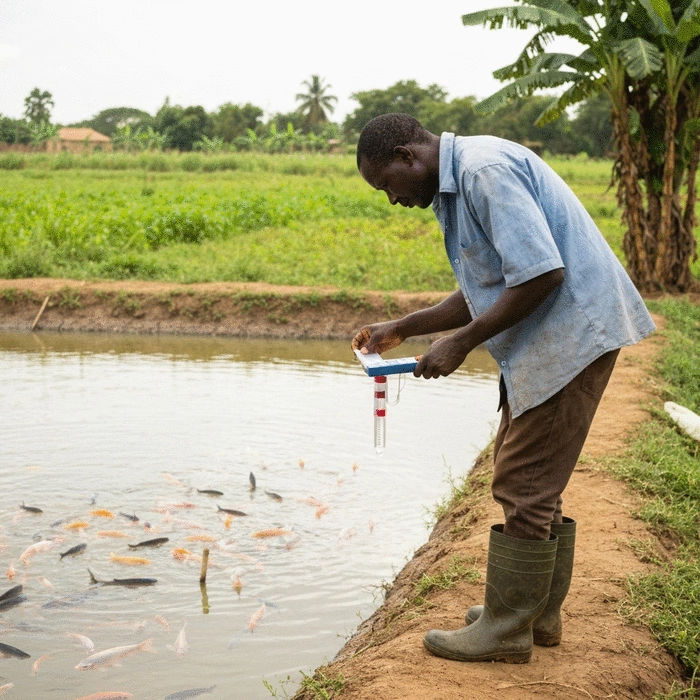
Temperature affects every biological function in catfish. Their metabolism, immune system, reproduction, and growth rates all change with water temperature. You need to know the optimal temperature ranges for different life stages and how temperature fluctuations affect feeding behaviour and disease resistance. Proper water temperature management becomes critical for maintaining these biological processes.
Catfish are facultative air breathers—they can gulp air from the surface when dissolved oxygen drops. This biological adaptation allows higher stocking densities than other fish species, but only if you understand the limits. Push too hard without understanding their respiratory physiology, and you'll face massive mortality events.
The reproductive biology of catfish determines your breeding success and fingerling production costs. Understanding spawning triggers, egg development, and fry behaviour helps you time breeding cycles and improve hatchery survival rates. Poor understanding of reproductive anatomy leads to failed breeding attempts and expensive fingerling purchases.
How Ignoring Biological Fundamentals Can Cost You Dearly
You can't manage what you don't understand, and biological ignorance creates expensive problems. Farmers who don't understand catfish stress responses often misinterpret feeding behaviour, leading to overfeeding and water quality crashes. The cost of emergency water treatments and fish mortality can wipe out months of profits.
Disease outbreaks devastate farms where owners don't understand basic fish anatomy and physiology. When you know how catfish immune systems work, you can identify early warning signs and prevent diseases rather than treating them after losses occur. Prevention costs hundreds of naira; treatment and replacement costs thousands. Learning about identifying African catfish diseases early can save your entire operation.
| Biological Knowledge Gap | Typical Cost Impact |
|---|---|
| Poor understanding of digestive anatomy | 20-30% feed waste, reduced growth rates |
| Ignoring respiratory physiology | Oxygen crashes, 50-80% stock mortality |
| Misunderstanding stress responses | Increased disease susceptibility, treatment costs |
| Poor reproductive biology knowledge | Failed breeding, expensive fingerling purchases |
Growth rates suffer when you don't understand the relationship between anatomy and nutrition. Catfish have specific amino acid requirements based on their muscle development patterns. Feed them the wrong protein profile, and you'll see slow growth despite high feeding costs. Understanding their nutritional physiology helps you choose feeds that deliver results rather than just filling fish bellies.
Water quality management becomes guesswork without biological knowledge. You need to understand how catfish gills extract oxygen, how their kidneys process waste, and how their skin responds to pH changes. This knowledge guides your water management decisions and prevents costly environmental stress that reduces growth and increases mortality.
| Key Points | Details |
|---|---|
| Importance of Biological Knowledge | Understanding catfish biology enhances farming practices and profitability. |
| Anatomical Features Impacting Farming | Features like swim bladder, barbels, and gills affect feeding strategies and health management. |
| Feeding Practices | Optimal feeding should be frequent and tailored to fish size and water temperature to enhance growth rates. |
| Water Quality Management | Regular monitoring of water parameters is crucial to prevent stress and disease. |
| Species Selection | Choosing the right species based on local conditions can significantly affect growth and survival rates. |
| Continuous Learning | Farmers should seek ongoing education to adapt to new practices and technologies in aquaculture. |
The Unseen World of Catfish Anatomy: What Lies Beneath the Surface
How Understanding Gill Structure Can Enhance Your Stocking Decisions
You need to look closely at your catfish's gill structure to make informed stocking decisions. The gills are vital for oxygen exchange, directly affecting your fish's growth and survival. If you stock too many fish without considering their oxygen demands, you risk stressing them and increasing mortality rates.
Consider a farmer in Lagos who experienced high mortality rates after stocking his pond to capacity without measuring oxygen levels. By learning about the gill structure, he realised that he needed to maintain a balance between stocking density and available oxygen. You want to research and monitor the oxygen levels in your water regularly to avoid similar situations.
Key Considerations for Gill Management
- Monitor dissolved oxygen levels—aim for above 5mg/L.
- Adjust stocking density based on oxygen consumption—150-200 fingerlings per square metre in concrete ponds is ideal.
- Implement regular water exchanges to maintain oxygen levels.
The Role of the Swim Bladder: Why It Matters More Than You Think
The swim bladder is critical for buoyancy control in catfish. If you understand how it works, you can better manage feeding practices and disease prevention. Catfish that struggle with swim bladder issues often show signs of stress or abnormal swimming patterns.
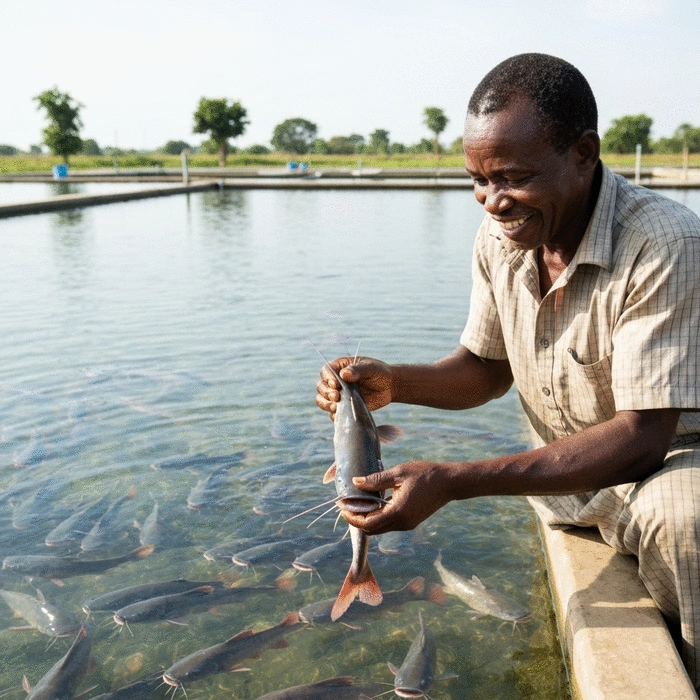
For example, a farmer in Ogun noted that his catfish were swimming erratically, which he initially dismissed. After consulting a specialist, he learned that poor water quality had led to swim bladder problems. By addressing the water issues, he improved his fish's buoyancy and overall health.
Swim Bladder Management Tips
- Observe swimming patterns—any irregularity might indicate health issues.
- Maintain stable water quality to support swim bladder function.
- Feed smaller portions more frequently to aid digestion and reduce stress.
What Farmers Often Miss About Reproductive Biology and Spawning Success
Understanding catfish reproductive biology is essential for successful breeding. Many farmers overlook this aspect, leading to low fry production and increased costs. Factors such as water temperature, light intensity, and male-to-female ratios play crucial roles in spawning success.
For instance, a farmer in Akwa Ibom improved his breeding output by adjusting water temperatures to match optimal spawning conditions. He realised that a stable environment increased the likelihood of successful fertilisation and higher fry yields.
Reproductive Success Tips
- Maintain water temperatures between 25-30°C during breeding.
- Ensure a balanced male-to-female ratio for optimal fertilisation.
- Provide adequate hiding spaces for females to lay eggs safely.
The Vital Biological Functions That Influence Your Harvest
Why Feeding Habits Are Key to Maximising Growth Rates
Feeding practices directly impact the growth rates of your catfish. You want to ensure you're feeding the right amounts at the right intervals. Adjust your feeding strategy based on the fish's growth stage, size, and water temperature.
One farmer in Benin City learned that by shifting from large, infrequent feedings to smaller, more frequent ones, he improved his fish's growth rate significantly. Monitoring their weight and behaviour helped him fine-tune his feeding schedule.
Feeding Strategy Guidelines
- Feed 3-5% of total body weight daily, split into at least two meals.
- Adjust feeding as fish grow—smaller fish need more frequent feeding.
- Observe fish behaviour—if they are not eating all the feed, reduce the amount.
How Water Quality Affects Catfish Health and Disease Management
Water quality is integral to catfish health. You need to monitor parameters like pH, ammonia, and dissolved oxygen regularly. Poor water quality leads to stress, disease, and mortality.
Take note of a farmer in Kaduna who faced a disease outbreak after neglecting water quality monitoring. By implementing a consistent testing routine, he was able to detect and rectify issues before they escalated.
Water Quality Management Tips
- Test water parameters weekly—aim for pH levels between 6.5-8.5.
- Perform regular water changes to maintain quality.
- Implement aeration systems to ensure adequate oxygen levels.
The Hidden Costs of Neglecting Nutritional Needs in Your Feed Strategy
Nutritional needs are often overlooked but crucial for catfish growth and health. You want to ensure that your feed contains the right balance of proteins, fats, and vitamins.
For example, a farmer in Enugu found that his fish were growing slower than expected due to poor feed quality. After switching to a nutritionally balanced feed, he observed improved growth rates and lower mortality.
Nutritional Needs Checklist
- Ensure feed includes at least 30% protein for optimal growth.
- Incorporate vitamins and minerals to support overall health.
- Monitor fish growth and adjust feed composition accordingly.
Learning from Nature: Practical Applications of Catfish Anatomy
How Proper Anatomy Knowledge Can Improve Breeding Techniques
Understanding catfish anatomy allows you to refine your breeding techniques. You need to consider factors like size, maturity, and health of your breeding stock. This knowledge can lead to higher fry production rates and better growth potential.

For instance, a farmer in Ogun State improved his breeding success by selecting the healthiest and largest females for spawning. This practice ensured that he produced robust fry capable of withstanding environmental stresses.
Breeding Techniques to Consider
- Select larger females for breeding to ensure healthier fry.
- Monitor the maturity of males to optimise fertilisation rates.
- Keep breeding conditions stable to reduce stress on fish.
The Link Between Anatomy and Effective Disease Management
Recognising the anatomical features of catfish can assist in managing diseases proactively. By understanding how their immune systems work, you can identify symptoms early and take action before losses occur.
A farmer in Port Harcourt learned to spot early signs of stress, such as abnormal swimming or lethargy, which indicated potential diseases. Implementing preventative measures reduced his losses significantly.
Disease Management Strategies
- Regularly observe fish behaviour for signs of stress or illness.
- Keep water quality high to support immune system function.
- Implement vaccination protocols where applicable.
What Successful Farmers Do to Enhance Feeding Efficiency Through Biology
Successful farmers leverage their understanding of catfish biology to optimise feeding efficiency. You want to align your feeding practices with the fish's natural behaviours and biological needs.
For example, a farmer in Abuja noticed that adjusting his feeding schedule according to the fish's activity peaks led to better feed conversion rates. This observation helped him minimise waste and maximise growth.
Tips for Enhancing Feeding Efficiency
- Feed during peak activity times—usually in the early morning and late afternoon.
- Adjust feed types based on growth stages and feeding preferences.
- Monitor feed response and adjust quantities to optimise consumption.
Comparing Catfish Species: What You Need to Decide
The Differences Between African and Other Catfish: What That Means for You
You need to understand the differences between African catfish and other species to make informed choices. Each species has unique biological characteristics that influence growth rates, disease resistance, and feed conversion.
A farmer in Rivers State faced challenges when he tried to transition from African catfish to channel catfish. He learnt the hard way that compatibility with local conditions is critical for success.
Key Species Comparison Factors
- Assess local environmental conditions before choosing a species.
- Consider growth rates—African catfish typically outperform other species.
- Evaluate disease resistance traits based on species.
Choosing the Right Species: Avoiding Common Pitfalls
Selecting the right species is crucial to your farming success. You want to avoid common mistakes that could lead to poor growth or increased costs.
For instance, a farmer in Sokoto faced lower yields because he selected a species without understanding its growth requirements. Educating yourself about each species' needs will help you make smarter decisions.
Species Selection Guidelines
- Research local market demands for specific species.
- Evaluate the adaptability of species to your environmental conditions.
- Understand the dietary needs of the species before committing.
How Local Environment Influences Your Species Choice
Your local environment plays a significant role in determining which catfish species will thrive. Factors such as water temperature, oxygen levels, and food availability must be considered.
A farmer in Delta discovered that certain species struggled in the high temperatures of his region, while others thrived. Tailoring your species choice to local conditions can lead to more successful outcomes.
Environmental Considerations
- Monitor seasonal temperature variations in your area.
- Assess local water quality and its impact on different species.
- Consider availability of local feed sources for your chosen species.
Embracing Innovation: Modern Technologies in Catfish Farming
How Precision Feeding Can Revolutionise Your Operations
You want to consider implementing precision feeding techniques that can improve your farm's efficiency. Utilising technology to monitor fish growth and adjust feed amounts can optimise feed conversion ratios and reduce waste.
For example, a farmer in Kogi invested in a simple weighing scale to track the weight of his fish regularly. This practice enabled him to fine-tune his feeding regime, significantly enhancing his overall profitability.
Precision Feeding Best Practices
- Weigh fish regularly to assess growth rates accurately.
- Adjust feed amounts based on the average weight of the fish.
- Use technology, such as automated feeders, to optimise feeding times.
The Role of Technology in Diagnosing Anatomical Issues
Using modern technology can help you diagnose anatomical issues before they become significant problems. Tools such as underwater cameras can provide insights into fish behaviour and health that you might not notice otherwise.
A farmer in Ebonyi used camera technology to monitor his fish closely. He identified behavioural anomalies early, leading to timely interventions that saved his stock.
Technology Implementation Tips
- Invest in monitoring tools that allow you to observe fish behaviour.
- Use data analytics to identify patterns related to health and growth.
- Ensure that your technology is user-friendly and fits your budget.
Visual Tools: Enhancing Your Understanding of Catfish Biology and Anatomy
Visual aids can greatly enhance your understanding of catfish biology and anatomy. Diagrams, videos, and infographics can provide clarity on complex topics, helping you make better management decisions.
For instance, a farmer in Imo found that using visual resources helped him explain anatomical features to his farm workers, leading to improved practices across the board.
Tips for Using Visual Aids Effectively
- Incorporate diagrams to illustrate anatomical structures in training sessions.
- Use videos to demonstrate feeding techniques and water quality management.
- Share infographics summarising critical biological functions with your team.
The Choices You Face: Where Do You Go From Here?
Key Considerations for Implementing Your Knowledge in the Field
Now that you have this knowledge, it's time to apply it. Focus on critical factors such as water quality management, feeding practices, and understanding catfish anatomy to improve your farming outcomes.
A farmer in Ogun dedicated a week to reassessing his pond management strategies. By implementing changes based on his new knowledge, he saw a positive shift in his production levels.
Implementation Tips
- Develop a management plan that incorporates biological knowledge.
- Set measurable goals for growth rates and survival rates.
- Regularly review practices and adjust based on results.
The Future of Catfish Farming: Are You Ready to Adapt?
Adapting to new insights in catfish biology will be crucial for long-term success. You want to stay updated on advancements in aquaculture and continuously refine your practices.
A farmer in Delta who embraced new feeding technologies saw significant improvements in his operations. Keeping an open mind and being willing to adapt can lead to better outcomes.
Adaptation Strategies
- Stay informed about the latest research in aquaculture.
- Network with other farmers to share insights and techniques.
- Be willing to experiment with new feeding and management practices.
How Will You Use This Information to Transform Your Business?
You need to consider how you will implement what you've learned to transform your catfish farming business. Focus on areas that will have the most impact on your profitability and sustainability.
A farmer in Enugu found that by prioritising water quality and understanding nutritional needs, he could significantly boost his profit margins.
Transformation Steps
- Identify areas of improvement in your current practices.
- Set clear, actionable goals based on your new knowledge.
- Monitor progress and adjust strategies as needed.
What Every Farmer Should Know Moving Forward
Key Takeaways for Future-Proofing Your Catfish Farming
As you move forward, keep these key takeaways in mind. Understanding catfish biology and anatomy is not just beneficial but essential for successful farming. You want to apply your knowledge to improve practices that directly affect your profitability.
A farmer in Lagos summarised his learnings by creating a checklist that he referred to daily. This practice helped him stay focused on critical operational aspects.
Key Takeaways
- Prioritise water quality and monitor parameters regularly.
- Adjust feeding practices based on growth and behaviour observations.
- Understand the anatomy of catfish to make informed decisions.
Resources for Ongoing Learning in Catfish Biology and Anatomy
Consider seeking out additional resources to expand your knowledge further. Books, online courses, and workshops can provide you with updated information and techniques that enhance your farming practices.
A farmer in Akwa Ibom found success through a local aquaculture workshop where he learned innovative farming techniques. Continuous learning is crucial for staying competitive in the market.
Learning Resources
- Look for local aquaculture workshops and training sessions.
- Read books and research papers on catfish biology and farming techniques.
- Join online forums and communities for knowledge exchange.
What You Need to Know About Catfish Species in Africa
You cannot make informed stocking decisions without understanding the fundamental differences between catfish species available in African markets. Most farmers choose their species based on fingerling availability or price alone, missing critical biological factors that determine long-term profitability. The species you select affects everything from growth rates to disease resistance, feeding efficiency to market acceptance.
African catfish farming centres around several key species, each with distinct anatomical features that influence their performance in your ponds. You need to understand these differences before investing in fingerlings, constructing ponds, or developing feeding programmes. The wrong species choice can cost you months of growth time and thousands of naira in lost revenue.
Your success depends on matching species characteristics to your specific farming conditions, market demands, and management capabilities. A farmer in Kaduna discovered this when his imported channel catfish struggled in local conditions while his neighbour's African catfish thrived in identical ponds. The difference lay in understanding species-specific biological requirements.
The Unique Traits of African Catfish: What Sets Them Apart?
African catfish (*Clarias gariepinus*) possess anatomical features that make them exceptionally suited to African farming conditions. You want to understand these traits because they directly impact your management decisions and production outcomes. Their robust gill structure allows them to extract oxygen efficiently from water with lower dissolved oxygen levels than most other species can tolerate.
The most distinctive feature is their accessory breathing organ, located above the gills. This anatomical adaptation allows African catfish to gulp air from the surface when water oxygen levels drop. You'll notice this behaviour during hot afternoons or in densely stocked ponds. This ability means you can stock at higher densities without the expensive aeration systems required for other species.
Their elongated body shape and powerful swimming muscles make them efficient feeders in murky water conditions common in earthen ponds. African catfish have well-developed barbels (whiskers) containing thousands of taste buds and sensory cells. These organs help them locate food in low-visibility conditions, making them less dependent on clear water for feeding efficiency.
Key Anatomical Advantages of African Catfish
- Accessory breathing organ: Allows survival in low-oxygen conditions
- Enhanced barbel system: Superior food detection in murky water
- Robust digestive system: Can process diverse feed ingredients efficiently
- Scaleless skin: Faster growth with less energy spent on scale production
- Hardy immune system: Better disease resistance in tropical conditions
The reproductive anatomy of African catfish also offers advantages for breeding programmes. Males develop distinctive genital papillae during breeding season, making sex identification easier than with many other species. Females can produce 50,000-100,000 eggs per kilogram of body weight, significantly higher than channel catfish.
How Channel and Blue Catfish Compare in Your Local Market
Channel catfish (*Ictalurus punctatus*) and blue catfish (*Ictalurus furcatus*) represent imported species that some Nigerian farmers experiment with, but their anatomical differences create specific challenges in African conditions. You need to understand these limitations before considering these species for your operation.
Channel catfish have a more streamlined body shape optimised for flowing water conditions. Their gill structure requires higher dissolved oxygen levels than African catfish, typically above 5mg/L for optimal growth. You'll need mechanical aeration or water exchange systems to maintain these levels, adding significant operational costs to your production.
Their feeding anatomy differs substantially from African catfish. Channel catfish have smaller mouths relative to body size and more specialised digestive systems. They perform best on manufactured feeds with specific protein and fat ratios, making them less adaptable to locally available feed ingredients. This dependency increases your feed costs and limits flexibility during supply shortages.
| Species Trait | African Catfish | Channel Catfish |
|---|---|---|
| Oxygen Requirements | Can survive at 2-3mg/L | Requires 5mg/L minimum |
| Temperature Tolerance | 15-35°C optimal range | 20-28°C optimal range |
| Feed Conversion | 1.5-2.0 FCR typical | 1.3-1.8 FCR with quality feed |
| Market Acceptance | High local demand | Limited market knowledge |
Blue catfish grow larger than channel catfish but require even more specific conditions. Their anatomical adaptations favour cooler water temperatures and higher protein requirements. In Nigerian conditions, they often experience stress-related health problems that reduce growth rates and increase mortality.
The skin structure of both imported species differs from African catfish. They have thinner, more sensitive skin that's prone to handling damage and bacterial infections in warm, nutrient-rich pond water typical of African systems. You'll face higher medication costs and more frequent health management interventions.
The Risks and Rewards of Mixing Species: A Cautionary Tale
Polyculture systems mixing different catfish species create complex biological interactions that most farmers underestimate. You might consider mixing species to diversify risk or target different market segments, but the anatomical and behavioural differences between species can create serious management challenges.
African catfish are naturally more aggressive feeders with larger mouths and stronger jaw muscles. When mixed with channel catfish, they typically dominate feeding areas and consume disproportionate amounts of feed. The channel catfish, with their more reserved feeding behaviour and smaller mouth structure, often become stunted from inadequate nutrition.
Different species also have varying space requirements based on their body structure and swimming patterns. African catfish are bottom-dwellers that establish territories, while channel catfish prefer mid-water areas. However, in crowded pond conditions, these natural preferences break down, leading to increased stress and aggressive interactions.
The most significant risk comes from disease transmission between species. Each species carries different parasite loads and bacterial populations that may not affect their original host but can devastate other species. African catfish might carry parasites that cause minimal problems in their robust systems but prove fatal to more sensitive imported species.
You also face complications in feeding management when mixing species. African catfish can digest a wider range of feed ingredients due to their more robust digestive anatomy, while channel catfish require more refined nutrition. Feeding for the lowest common denominator often results in suboptimal growth for both species.
Water quality management becomes more complex with mixed species. You must maintain conditions suitable for the most sensitive species in your system, typically the imported varieties. This requirement increases operational costs and reduces the natural advantages of hardy African catfish that can tolerate variable conditions.
The harvesting process also presents challenges when mixing species. Different growth rates mean you cannot harvest all fish simultaneously. African catfish typically reach market size faster, but selective harvesting in mixed ponds increases labour costs and pond disturbance that stresses remaining fish.
Your market strategy becomes complicated with mixed species production. Buyers often prefer consistent products, and mixed harvests require separate processing, storage, and marketing approaches. The additional complexity rarely justifies the perceived benefits of diversification through species mixing.
Frequently Asked Questions
What are the most important anatomical features that affect catfish farming profitability?
The gill structure determines oxygen requirements and stocking density limits, whilst the digestive system affects feed conversion efficiency. The swim bladder controls buoyancy and indicates health status, and barbels help fish locate food in murky water conditions common in earthen ponds.
How does understanding catfish biology help prevent disease outbreaks?
Knowledge of catfish immune systems helps you recognise early stress indicators like abnormal swimming patterns or reduced feeding. Understanding respiratory physiology prevents oxygen crashes, whilst knowledge of skin structure helps you maintain proper water quality to prevent bacterial infections.
Why do African catfish perform better than imported species in Nigerian conditions?
African catfish possess accessory breathing organs that allow survival in low-oxygen conditions, whilst their robust digestive systems can process diverse local feed ingredients. They also have better disease resistance in tropical temperatures and can tolerate variable water quality conditions.
What biological factors should influence my feeding schedule decisions?
Catfish digestive anatomy requires smaller, frequent meals rather than large portions. Their metabolism changes with water temperature, affecting feeding frequency and amounts. Understanding their natural feeding behaviour helps you time meals during peak activity periods for better feed conversion.
How can reproductive biology knowledge improve my breeding success rates?
Understanding spawning triggers like water temperature and photoperiod helps you time breeding cycles. Knowledge of egg development requirements improves hatchery survival rates, whilst understanding fry behaviour helps you provide appropriate nutrition and environmental conditions during critical early stages.
Understanding catfish biology and anatomy is crucial for enhancing your farming practices. By grasping the fundamentals of species differentiation, anatomical structures, and their implications on health and growth, you can make informed decisions that directly impact your profitability.
As you move forward, consider how your newfound knowledge can be applied practically in your operations. Whether it's selecting the right species, optimising feeding strategies, or managing water quality, each choice you make plays a role in your farm's success. Remember, the connection between biology and business is a pathway to greater yields.
Take the next step by evaluating your current practices and identifying areas for improvement. Stay curious, seek further resources, and engage with the community of fish farmers. Your journey towards a more profitable catfish farming operation starts here.


Yomi Adisa Lead Researcher
Yomi Adisa is the lead researcher at Fish Farming Business, where he studies what makes aquaculture ventures profitable across Africa. His research focuses on market patterns, buyer preferences, and the business decisions that determine success or failure in fish farming.