Basic Fish Health Monitoring for Small-Scale Catfish Farms: A Practical Guide
Posted on: 2025-10-21
By: Yomi Adisa
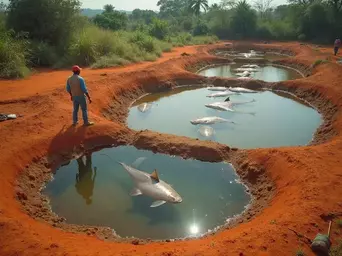
You arrive at your catfish ponds early morning, expecting to see your fish actively feeding near the surface. Instead, you notice several fish floating belly-up and others swimming erratically near the pond edges. Without proper health monitoring knowledge, this scenario can quickly escalate from a minor issue to a complete stock loss that devastates your investment.
This practical guide provides you with essential fish health monitoring techniques specifically designed for small-scale catfish operations. You'll learn daily monitoring practices, water quality management, disease identification, and effective record-keeping systems that successful farmers across Nigeria and Ghana use to maintain healthy stocks.
Proper health monitoring directly impacts your farm's profitability and sustainability. Early detection of health issues can prevent mortality rates from climbing above 5%, whilst maintaining optimal water conditions ensures your African catfish (Clarias gariepinus) reach market size efficiently.
By implementing these monitoring practices, you'll develop the skills to spot problems before they become costly disasters. You'll understand which water parameters to check daily, how to recognise disease symptoms, and when to take immediate action to protect your investment.
Understanding the connection between health monitoring and record-keeping system profitability helps you make informed decisions about treatment timing, quarantine procedures, and when to seek expert assistance. Your investment in proper monitoring protects not only your current stock but also future production cycles.
What You Will Learn
- Learn essential daily monitoring practices to spot health issues before they escalate.
- Discover how to effectively test and manage key water quality parameters for optimal catfish health.
- Master the identification of common diseases affecting African catfish and implement preventive measures.
- Understand the importance of detailed record-keeping to track fish health trends and inform management decisions.
- Gain insights into developing an emergency response plan to minimise losses during health crises.
Daily Monitoring Practices
You cannot maintain healthy catfish without establishing consistent daily monitoring routines that catch problems before they become disasters. Most small-scale farmers in Nigeria and Ghana lose fish because they only check their ponds when feeding, missing critical warning signs that appear between meals. African catfish (Clarias gariepinus) are resilient, but even they succumb quickly to deteriorating conditions that go unnoticed.
Your daily monitoring should take 15-20 minutes per pond and cover three essential areas: visual fish health checks, water quality parameters, and mortality assessment. These practices cost virtually nothing but can prevent losses worth thousands of naira or cedis. A farmer in Ogun State lost 400 catfish worth ₦240,000 because he skipped daily checks for a week and missed rising ammonia levels.
Effective monitoring requires you to visit your ponds at the same time each day, preferably early morning when fish are most active. This consistency helps you establish baseline behaviour patterns and spot deviations immediately.
Visual Checks
You need to observe your catfish behaviour and appearance systematically every morning before feeding. Healthy African catfish swim actively near the surface, respond quickly to your presence, and show no visible injuries or abnormal colouration. Watch for fish that swim erratically, remain isolated from the group, or display unusual surface breathing patterns.
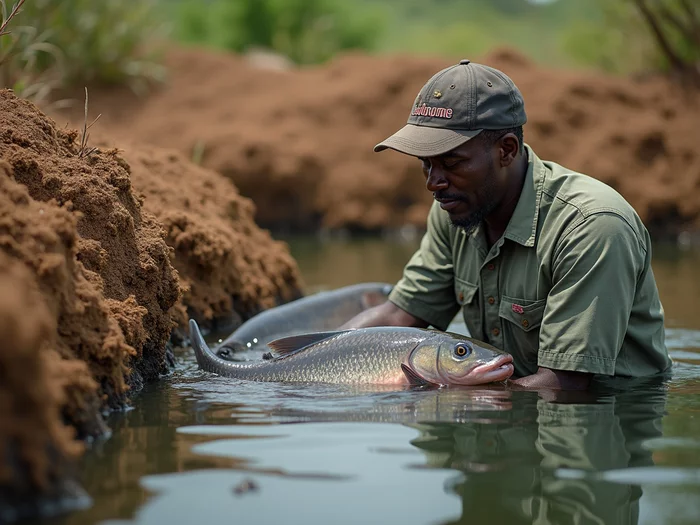
Look specifically for these warning signs: white or grey patches on skin indicating fungal infections, frayed or rotting fins suggesting bacterial disease, and red streaks or lesions that signal internal bacterial problems. Fish that float sideways, swim in circles, or remain motionless at the pond bottom require immediate attention. You should also check for external parasites like anchor worms, which appear as small thread-like projections from the fish's body.
Count your fish during feeding to establish normal numbers in each section of your pond. If you notice significantly fewer fish appearing for food, investigate immediately rather than assuming they're simply not hungry. Missing fish often indicate mortality, predation, or severe illness that's keeping them at the pond bottom.
Water Quality Management
You must test critical water parameters daily because African catfish health depends entirely on maintaining water quality for catfish. Your essential daily tests should cover dissolved oxygen (DO), pH, temperature, and ammonia levels using affordable test kits available at agricultural supply stores in Lagos, Accra, or Kampala for ₦8,000-₦15,000.
Maintain dissolved oxygen above 5mg/L throughout the day, with levels naturally dropping to their lowest point just before dawn. Test DO early morning (5-6 AM) when it's typically lowest, and again in late afternoon when it peaks. If morning DO drops below 3mg/L, you need immediate aeration or water exchange to prevent fish kills.
Keep pH between 6.5-8.5 for optimal catfish health, testing with simple pH strips that cost ₦2,000 for a 100-strip container. African catfish tolerate pH fluctuations better than other species, but sudden changes above 8.5 or below 6.0 stress fish and increase disease susceptibility. Water temperature should remain between 25-32°C, which occurs naturally in most African climates, but monitor for extreme variations during harmattan or heavy rains.
Test ammonia levels twice weekly using liquid test kits, maintaining levels below 0.5mg/L to prevent gill damage. Ammonia spikes occur from overfeeding, overcrowding, or inadequate water circulation, and levels above 1mg/L can kill catfish within 24-48 hours. If ammonia exceeds safe levels, reduce feeding by 50% and increase water exchange immediately.
Mortality Rate Assessment
You need to track and record every fish death to identify patterns that indicate developing problems in your pond system. Remove dead fish immediately and examine them for obvious signs of disease, injury, or parasites before disposal. Normal mortality rates in well-managed catfish ponds should remain below 2-3% monthly, with higher rates signalling management problems.
Record the date, estimated size, and apparent cause of death for each fish in a simple logbook or mobile phone notes. Look for patterns such as multiple deaths occurring at the same time of day, similar symptoms across dead fish, or mortality concentrated in specific areas of your pond. These patterns help you identify whether deaths result from water quality issues, disease outbreaks, or management problems like overfeeding.
Calculate your weekly mortality rate by dividing dead fish by total stock and multiplying by 100. If mortality exceeds 1% weekly for two consecutive weeks, investigate immediately by testing all water parameters, examining remaining fish more closely, and considering expert consultation. Early intervention based on mortality tracking can prevent minor issues from becoming major stock losses.
Disease Identification and Prevention
You cannot rely solely on daily monitoring without understanding how to identify and prevent the most common diseases that affect African catfish operations. Disease outbreaks can devastate your entire stock within 48-72 hours if you don't recognise early warning signs and implement proper prevention measures. Even experienced farmers in Oyo State and Central Region Ghana lose thousands of fish annually because they mistake disease symptoms for normal behaviour variations.
Prevention costs significantly less than treatment, and many catfish diseases become untreatable once they reach advanced stages. Your investment in biosecurity measures and vaccination protocols protects not only your current stock but also future production cycles. A single disease outbreak can contaminate your pond environment for months, making restocking risky and expensive.
Understanding disease identification helps you make informed decisions about treatment timing, quarantine procedures, and when to seek expert assistance. You'll save money by avoiding unnecessary treatments whilst ensuring you act quickly when intervention can still save your fish.
Common Diseases in Catfish
You need to recognise the five most common diseases affecting African catfish (Clarias gariepinus) in small-scale operations: bacterial fin rot, columnaris disease, fungal infections, parasitic infestations, and viral haemorrhagic septicaemia. Each disease presents distinct symptoms that you can identify through careful observation during your daily monitoring routine. Early detection within the first 24-48 hours dramatically improves treatment success rates and reduces mortality.
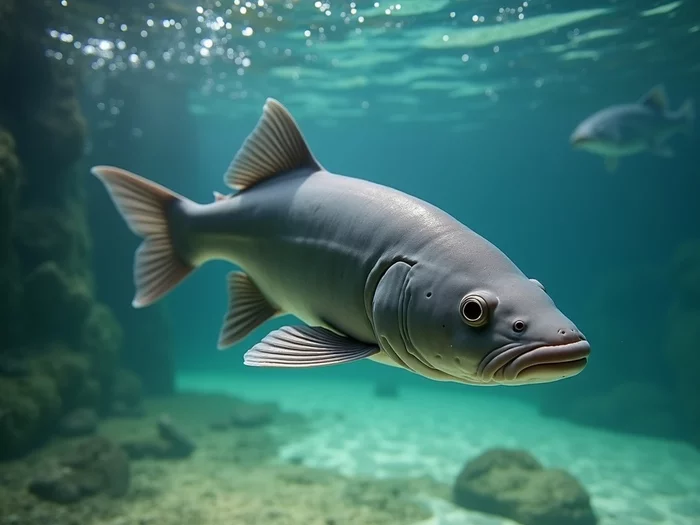
Bacterial fin rot appears as frayed, discoloured fin edges that progress inward toward the fish body, often accompanied by red streaks along fin rays. You'll notice affected fish swimming sluggishly and isolating themselves from healthy fish. Columnaris disease manifests as white or grey patches around the mouth, gills, or fins, spreading rapidly across the fish's body surface within 2-3 days if untreated.
Fungal infections create cotton-like growths on fish skin, particularly around wounds or areas of scale damage. These infections typically occur after physical injuries or in ponds with poor water quality where fish immunity becomes compromised. Parasitic infestations cause fish to rub against pond walls or surfaces, display rapid gill movement, and show small white spots or thread-like projections from their bodies. Watch for fish that jump frequently or swim erratically near the surface, as these behaviours often indicate parasite irritation.
Biosecurity Measures
You must establish strict biosecurity protocols to prevent disease introduction and spread within your catfish operation. Your first line of defence involves controlling access to your ponds by requiring all visitors to disinfect footwear in a 2% potassium permanganate solution before entering production areas. Maintain dedicated equipment for each pond to prevent cross-contamination, and disinfect nets, buckets, and feeding tools with bleach solution (1:10 ratio) between uses.
Quarantine all new fish for 14-21 days in separate holding tanks before introducing them to your main production ponds. During quarantine, monitor new arrivals closely for disease symptoms and treat any issues before they can spread to your established stock. Many farmers in Lagos and Kumasi skip quarantine procedures to save time and space, but this shortcut often results in introducing diseases that kill entire pond populations.
Implement proper waste management by removing uneaten feed within 2 hours of feeding and disposing of dead fish immediately in designated burial pits at least 100 metres from water sources. Control wild bird access with netting or scare devices, as birds can carry diseases between different fish farms. Maintain visitor logs and restrict access during disease outbreaks or when treating fish with medications.
Vaccination and Treatment Options
You should vaccinate your catfish fingerlings against common bacterial diseases within 2-3 weeks of stocking, using vaccines specifically formulated for African catfish available through veterinary suppliers in major cities like Ibadan, Accra, and Nairobi. Immersion vaccination works best for small-scale operations, requiring you to dissolve vaccine powder in pond water according to manufacturer instructions and expose fish for 30-60 seconds before returning them to clean water.
For bacterial infections, treat affected ponds with oxytetracycline at 50-75mg per kilogram of fish body weight, administered through medicated feed for 7-10 consecutive days. Calculate total fish biomass in your pond and mix antibiotic powder thoroughly with feed using vegetable oil as a binder. Fungal infections respond well to salt baths using 3-5 grams of salt per litre of water for 10-15 minute treatments, repeated daily until symptoms disappear.
Parasitic treatments require specific medications like formalin (25ml per 1,000 litres of pond water) or potassium permanganate (2mg per litre) applied as pond treatments. Always test treatments on a small number of fish first, and ensure adequate aeration during chemical treatments as they can reduce dissolved oxygen levels. Stop feeding during treatment periods and resume normal feeding 24-48 hours after completing medication courses to avoid stressing recovering fish.
Effective Record-Keeping Techniques
You cannot manage what you don't measure, and successful catfish farming depends entirely on maintaining detailed records that track every aspect of your operation. Most small-scale farmers in Nigeria and Ghana operate by memory alone, missing critical patterns that could prevent disease outbreaks or optimise feeding schedules. Without proper records, you're essentially farming blind, unable to identify which management practices work and which ones cost you money.
Your record-keeping system serves as your farm's memory bank, storing vital information about water quality trends, fish health patterns, feeding responses, and mortality causes. These records become invaluable when problems arise, helping you identify root causes quickly and implement targeted solutions. A well-organised farmer in Ashanti Region increased his survival rates from 78% to 94% simply by analysing his records and adjusting feeding times based on documented fish behaviour patterns.
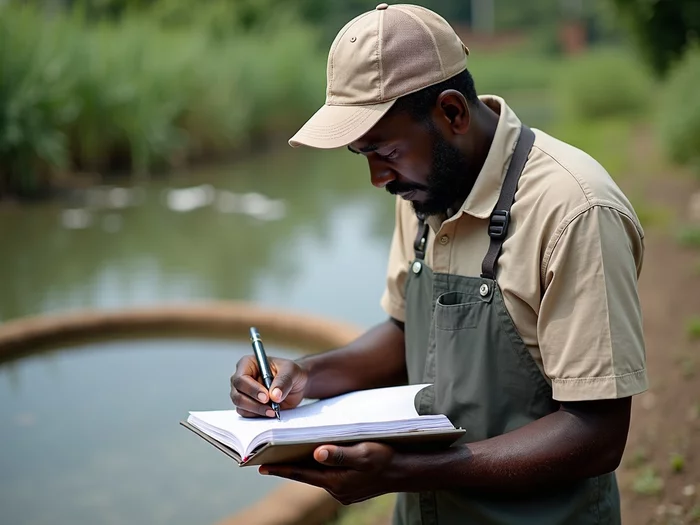
Effective record-keeping also supports your business growth by providing data for loan applications, insurance claims, and expansion planning. Banks and agricultural development programmes increasingly require detailed production records before approving financing for catfish operations.
Importance of Record-Keeping
You need comprehensive records to identify trends that affect your catfish health and productivity over time. Daily water quality measurements mean nothing without historical context to show whether conditions are improving, declining, or remaining stable. Your records help you correlate fish health problems with specific environmental conditions, feeding changes, or management practices that occurred days or weeks earlier.
Proper documentation enables you to calculate accurate production costs, feed conversion ratios, and profit margins for each production cycle. Without these figures, you cannot determine whether your operation is truly profitable or identify areas where you're losing money. Records also help you track seasonal patterns in fish growth, disease occurrence, and water quality fluctuations that repeat annually in your specific location.
Your records become crucial evidence when dealing with insurance claims, veterinary consultations, or disputes with feed suppliers about product quality. Detailed documentation of fish deaths, treatment protocols, and their outcomes provides the proof you need to support compensation claims or demonstrate due diligence in farm management.
Templates and Logbooks
You should maintain four essential logbooks: daily water quality records, fish health observations, feeding schedules and responses, and mortality tracking sheets. Create simple templates using exercise books available for ₦200-₦500 at local stationery shops, or use smartphone apps like FarmLogs or simple spreadsheet applications if you have reliable access to technology.
Your daily water quality log should include columns for date, time, pond number, dissolved oxygen, pH, temperature, ammonia levels, and weather conditions. Record observations at the same time each day, preferably early morning before feeding, to maintain consistency in your data. Include a comments section for noting unusual observations like algae blooms, equipment malfunctions, or changes in fish behaviour that might affect water quality readings.
Design your fish health logbook with sections for visual observations, abnormal behaviours, disease symptoms, treatments administered, and treatment outcomes. Use simple codes like "N" for normal, "S" for sluggish, "L" for lesions visible, and "D" for dead fish found. This coding system speeds up daily entries whilst maintaining detailed information. Your feeding log should track feed amounts, feeding times, fish response levels, and any uneaten feed quantities to help optimise your feeding programme.
Staff Training for Effective Monitoring
You must train all farm workers in proper observation techniques and record-keeping procedures to ensure consistent, accurate data collection. Many farmers lose valuable information because untrained staff miss important symptoms or record observations inconsistently. Spend at least two days training each worker on what to look for during daily checks and how to record findings using your established templates and codes.
Teach your staff to recognise the difference between normal and abnormal fish behaviour, emphasising specific warning signs like erratic swimming, surface gasping, or isolation from the group. Practice water quality testing procedures together, ensuring each worker can use test kits correctly and interpret results accurately. Demonstrate proper techniques for handling sick fish, collecting samples for analysis, and implementing emergency response procedures.
Establish clear protocols for when staff should alert you immediately versus issues they can handle independently. Create simple decision trees showing staff when to stop feeding, increase aeration, or begin emergency water changes based on their observations. Regular weekly reviews of records with your staff help identify knowledge gaps and ensure everyone understands the importance of accurate documentation for farm success.
Emergency Response and Expert Consultation
You cannot prevent every catfish health crisis, but you can minimise losses through rapid response and knowing when to seek expert help. Emergency situations like sudden fish kills, disease outbreaks, or equipment failures require immediate action within the first few hours to prevent total stock loss. Many farmers in Ogun State and Greater Accra lose entire ponds because they hesitate too long before implementing emergency measures or contacting specialists.
Your emergency response capability determines whether a minor problem becomes a manageable setback or a devastating financial loss. Having predetermined action plans, emergency contacts, and backup equipment ready can save thousands of naira worth of fish when crisis strikes. The difference between a 10% loss and a 90% loss often comes down to how quickly you respond in the first 6-12 hours of an emergency.
Understanding when to handle problems yourself versus when to call experts prevents both unnecessary expenses and costly delays. Some situations require immediate professional intervention, whilst others respond well to standard management practices you can implement independently.
Developing an Emergency Response Plan
You need a written emergency response plan that covers the five most common catfish farming crises: sudden fish kills, disease outbreaks, equipment failures, water contamination, and severe weather events. Your plan should include specific action steps, emergency contact numbers, and backup equipment locations that any farm worker can follow without confusion. Post laminated copies of your emergency procedures near each pond and in your equipment storage area.
For sudden fish kills, your immediate response should include stopping all feeding, increasing aeration to maximum capacity, testing water quality parameters, and beginning partial water changes of 20-30% if dissolved oxygen drops below 3mg/L. Document the time emergency began, number of affected fish, and symptoms observed before implementing treatments. Contact your nearest aquaculture extension officer or fish veterinarian within 2 hours if mortality exceeds 5% of your stock.
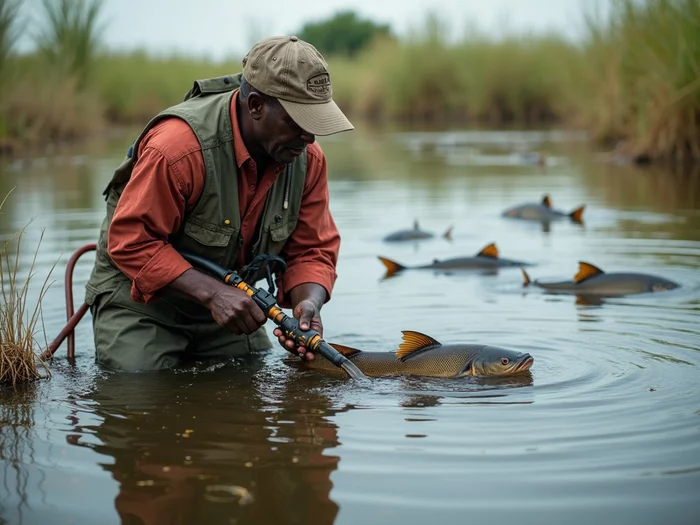
Prepare emergency equipment kits containing backup aerators, water testing supplies, basic medications like salt and potassium permanganate, and emergency contact lists. Store these kits in waterproof containers at easily accessible locations around your farm. Include battery-powered aerators or generators if your area experiences frequent power outages, as oxygen depletion kills catfish faster than most other problems.
When to Consult Experts
You should contact aquaculture specialists immediately when mortality exceeds 2% daily for two consecutive days, when you observe symptoms you cannot identify, or when standard treatments fail to improve conditions within 48 hours. Don't wait for problems to worsen, as expert consultation costs ₦5,000-₦15,000 but can save fish worth ₦100,000 or more. Many veterinary schools in Nigeria, Ghana, and Kenya offer subsidised consultation services for small-scale farmers.
Seek expert help when dealing with unusual fish behaviour like mass surface swimming, circular swimming patterns, or fish jumping out of ponds, as these symptoms often indicate serious neurological or parasitic problems requiring specialised treatment. Water quality problems that don't respond to standard management practices also warrant professional assessment, particularly if pH swings exceed normal ranges or ammonia levels remain elevated despite reduced feeding and increased water changes.
Contact specialists before implementing expensive treatments like antibiotics or when considering pond drainage and restocking decisions. Expert guidance helps you avoid wasting money on inappropriate treatments whilst ensuring you use the most effective intervention methods. Maintain relationships with local aquaculture extension officers, fish veterinarians, and experienced commercial farmers who can provide advice during emergencies.
Case Studies of Successful Interventions
You can learn valuable lessons from successful emergency interventions that saved catfish operations from total loss. When a farmer in Oyo State noticed 50 fish floating at dawn, he immediately stopped feeding, doubled aeration, and tested water quality, discovering ammonia levels at 2.5mg/L. His quick response with 40% water changes and activated charcoal treatment saved 95% of his remaining stock, preventing a ₦300,000 loss.
Another successful intervention occurred when a Ghanaian farmer observed white patches spreading rapidly across his fish during the rainy season. Instead of attempting home treatments, she contacted the University of Ghana aquaculture department within 6 hours and received guidance on fungal treatment protocols. The prescribed formalin treatment stopped the outbreak within 3 days, limiting losses to just 8% of her stock rather than the 60-80% mortality typical of untreated fungal infections.
These cases demonstrate that rapid response, accurate problem identification, and willingness to seek expert help when needed can transform potential disasters into manageable setbacks. Your detailed records, emergency preparedness, and professional network become your most valuable assets when crisis strikes your catfish operation.
Nutrition and Feeding Practices
You cannot maintain healthy catfish without understanding how nutrition directly impacts their immune system, growth rates, and disease resistance. Poor feeding practices cause more fish health problems than water quality issues in many small-scale operations across Nigeria and Ghana. African catfish (Clarias gariepinus) require specific nutrient ratios to maintain optimal health, and deficiencies in protein, vitamins, or minerals make your fish vulnerable to diseases that well-nourished fish easily resist.
Your feeding programme affects every aspect of fish health monitoring because malnourished fish show different behavioural patterns, slower recovery from stress, and increased susceptibility to parasites and bacterial infections. Overfeeding creates water quality problems through excess waste production, whilst underfeeding weakens fish immunity and slows growth rates. The timing, quantity, and quality of feed you provide determines whether your monitoring efforts reveal healthy, thriving fish or stressed animals fighting constant health challenges.
Understanding the connection between nutrition and fish health helps you interpret monitoring results more accurately and adjust management practices to prevent problems before they require treatment. Well-fed catfish display predictable behaviours that make abnormal symptoms easier to identify during daily health checks.
Importance of Nutrition
You need to provide African catfish with feeds containing 35-40% crude protein for optimal growth and immune function, as protein deficiency directly compromises their ability to fight diseases and heal from injuries. Quality commercial feeds from reputable manufacturers like Vital Feed, Hybrid Feeds, or Top Feeds contain balanced amino acid profiles that support healthy gill function, skin integrity, and internal organ development. Poor-quality feeds with inadequate protein levels produce fish with thin body walls, pale colouration, and increased mortality rates during stress periods.
Essential fatty acids, particularly omega-3 and omega-6, support catfish immune responses and help maintain healthy cell membranes that resist bacterial penetration. Feeds lacking adequate fat content (8-12%) produce fish with poor wound healing, increased susceptibility to fungal infections, and reduced reproductive performance. You can supplement commercial feeds with fish oil or groundnut oil at 2-3% of total feed weight to improve fatty acid profiles.
Vitamin C deficiency causes skeletal deformities, poor wound healing, and increased disease susceptibility in catfish, whilst vitamin E deficiency leads to muscle degeneration and reproductive problems. Quality feeds should contain stabilised vitamin C at 200-500mg per kilogram and vitamin E at 100-200mg per kilogram. Store feeds in cool, dry conditions and use within 3 months of manufacture to prevent vitamin degradation that compromises fish health.
Feeding Techniques and Schedules
You should feed your catfish 2-3 times daily at consistent intervals, providing 3-5% of estimated body weight for fingerlings and 2-3% for market-size fish. Divide daily rations into multiple smaller meals rather than one large feeding to improve digestion, reduce waste production, and maintain stable water quality. Feed early morning (6-7 AM), midday (12-1 PM), and evening (5-6 PM) when temperatures are moderate and fish are most active.
Monitor feeding response carefully during each meal, as healthy catfish should consume feed within 10-15 minutes of distribution. Fish that ignore feed, eat sluggishly, or leave significant amounts uneaten may be developing health problems that require investigation. Adjust feeding quantities based on observed consumption rates rather than rigid schedules, reducing amounts by 25-50% when fish show decreased appetite or during disease treatment periods.
Use proper feeding techniques that distribute feed evenly across the pond surface to prevent competition and ensure all fish receive adequate nutrition. Understanding feeding schedule for African catfish helps you scatter feed by hand or use simple feeding devices rather than dumping entire portions in one location, which creates feeding hierarchies and leaves smaller fish malnourished. Stop feeding immediately if you notice fish kills, unusual behaviour, or water quality problems, as continued feeding during stress periods worsens conditions and increases mortality rates.
Similar feeding principles apply to other aquaculture species, and understanding tilapia fingerling nutrition management can provide additional insights into optimising feeding programmes for different fish species in your operation.
Pro Tip: Feed Quality Assessment
Test feed quality by checking for rancid odours, mould growth, or excessive dust that indicates poor storage or expired products. Quality pellets should sink slowly, maintain their shape for 15-20 minutes in water, and produce minimal cloudiness when dissolved.
Summary Table
| Key Points | Details |
|---|---|
| Daily Monitoring Time | 15-20 minutes per pond, preferably early morning. |
| Dissolved Oxygen (DO) | Maintain above 5mg/L; test early morning (5-6 AM) and late afternoon. |
| pH Levels | Keep between 6.5-8.5; measure with pH strips (₦2,000 for 100 strips). |
| Ammonia Levels | Test twice weekly; maintain below 0.5mg/L to prevent mortality. |
| Mortality Rate | Normal rates: below 2-3% monthly; investigate if >1% weekly. |
| Common Diseases | Bacterial fin rot, columnaris disease, fungal infections, parasitic infestations, viral haemorrhagic septicaemia. |
| Feeding Frequency | Feed 2-3 times daily; give 3-5% of body weight for fingerlings, 2-3% for market-size fish. |
| Vaccination Timing | Vaccinate fingerlings within 2-3 weeks of stocking. |
| Emergency Response | Act within 6-12 hours; stop feeding, increase aeration if DO <3mg/L. |
| Record-Keeping | Maintain logs for water quality, fish health, feeding, and mortality. |
Conclusion
Effective fish health monitoring requires consistent daily practices that become second nature over time. By checking water quality parameters, observing fish behaviour, and maintaining detailed records, you create a comprehensive health management system for your catfish operation. These monitoring techniques help you spot problems early when they're still manageable and cost-effective to treat.
You now have the practical knowledge to implement a monitoring system that protects your investment and improves your farm's productivity. Start with the daily visual checks and basic water testing, then gradually add more detailed record-keeping as you become comfortable with the routine. Your ability to read your ponds and understand your fish will develop with consistent practice.
As you master health monitoring, consider expanding your knowledge into advanced feeding strategies and pond management techniques. Learning about identifying African catfish diseases works together with these monitoring skills to create a profitable catfish operation that produces healthy fish consistently. Your monitoring records will become valuable tools for optimising every aspect of your farming system.
Frequently Asked Questions
How often should I test water quality for my African catfish?
You should test dissolved oxygen, pH, and temperature daily, ideally in the early morning. Ammonia levels should be tested twice weekly, or more frequently if you notice signs of stress or observe unusual fish behaviour. Consistent monitoring helps you maintain optimal conditions.
What are the key warning signs of illness in African catfish?
Look for erratic swimming, isolation from the group, unusual surface breathing, or inactivity at the pond bottom. Visually check for white/grey patches on the skin, frayed fins, red streaks or lesions, and cotton-like growths. Any of these signs warrant immediate investigation.
When should I contact an aquaculture expert about my catfish?
You should seek expert help if daily mortality exceeds 2% for two consecutive days, if you observe symptoms you cannot identify, or if standard treatments fail to improve conditions within 48 hours. Early consultation can prevent minor issues from becoming major stock losses.
Can I introduce new catfish directly into my main production pond?
No, you must quarantine all new fish for 14-21 days in separate holding tanks. During this period, monitor them closely for disease symptoms and treat any issues before introducing them to your main stock. This biosecurity measure prevents the spread of diseases.
What is a normal mortality rate for a well-managed catfish pond?
Normal mortality rates in well-managed catfish ponds should remain below 2-3% monthly. Higher rates signal potential management problems, such as poor water quality, disease outbreaks, or overfeeding, and require immediate investigation.


Yomi Adisa Lead Researcher
Yomi Adisa is the lead researcher at Fish Farming Business, where he studies what makes aquaculture ventures profitable across Africa. His research focuses on market patterns, buyer preferences, and the business decisions that determine success or failure in fish farming.