Oxygen Requirements: How Catfish Thrive in Low-Oxygen Waters
Posted on: 2025-11-10
By: Yomi Adisa
As a fish farmer, you may have noticed that your catfish thrive even in waters where oxygen levels are alarmingly low. This phenomenon raises an important question: how do these resilient fish manage to survive where others cannot? Understanding the unique adaptations of catfish in low-oxygen conditions is essential for your farming success.
In this blog post, we will explore the various factors contributing to catfish's ability to endure hypoxic environments. By gaining insight into their survival strategies, you can better manage your aquaculture operations and make informed decisions that foster healthier fish stocks. Let's delve into the oxygen dilemma and uncover why catfish are indeed the unsung heroes of aquatic survival.
What You Will Learn
- The unique adaptations that allow catfish to survive in low-oxygen conditions.
- Critical oxygen thresholds for catfish and their implications for farming.
- How to implement effective oxygen management strategies in your ponds.
- The impact of oxygen levels on catfish health and growth rates.
- Key signs of low oxygen stress and appropriate farmer responses.
Navigating the Oxygen Dilemma: Why Catfish Thrive in Low-Oxygen Waters
You're standing at the edge of your pond at 5 AM, watching your catfish gasping at the surface, and your heart sinks. Most fish would be dead by now, but your catfish are still fighting. You wonder how long they can survive like this and whether you should panic or trust their legendary toughness.
This scenario plays out across fish farms from Lagos to Kumasi every rainy season when oxygen levels plummet overnight. What separates successful catfish farmers from those counting losses isn't just luck—it's understanding exactly how these remarkable fish survive conditions that would kill tilapia or carp within hours.
You need to grasp why catfish can tolerate low oxygen, what their limits actually are, and how to manage your ponds when oxygen becomes scarce. This knowledge determines whether you harvest healthy fish or face devastating losses during critical periods.
The Silent Crisis: What Happens When Oxygen Runs Low?
Oxygen depletion strikes your pond faster than you realise, especially during hot, humid nights when your fish consume more oxygen whilst plants stop producing it. You might check your pond at sunset and find everything normal, then discover fish gasping at dawn. This silent crisis unfolds in three stages that every catfish farmer must recognise.
The first stage begins when dissolved oxygen drops below 4 mg/L. Your catfish start showing subtle behavioural changes—they become less active, feed reluctantly, and begin positioning themselves near the surface or around aerators. Most farmers miss these early warning signs because the fish aren't yet in obvious distress.
Stage two occurs when oxygen falls to 2-3 mg/L. Now you'll see clear signs: fish gathering at the surface, gulping air, and showing reduced appetite. Your catfish are switching to survival mode, using their accessory breathing organs to supplement gill respiration. This is when you need to act immediately.

Why You Should Care About Oxygen Levels in Your Ponds
You cannot afford to ignore oxygen management because it directly impacts your profitability in ways that extend far beyond fish mortality. When oxygen levels drop, even if your catfish survive, their growth rates slow dramatically, feed conversion efficiency plummets, and disease susceptibility increases.
Your fish require approximately 0.3-0.5 mg of oxygen per gram of body weight per hour under normal conditions. In a 1,000-fish pond averaging 200g per fish, that's 60-100 mg of oxygen consumed hourly just for basic metabolism. Add feeding, swimming, and stress responses, and consumption can double.
The economic impact becomes clear when you calculate the numbers. A farmer in Ibadan discovered that chronic low oxygen (2.5-3.5 mg/L) extended his production cycle from 6 months to 8 months, reducing his annual harvests from two to 1.5 cycles. This 25% reduction in productivity cost him ₦400,000 annually on a modest 10-pond operation.
Critical Oxygen Thresholds for Catfish
Understanding these levels helps you make informed management decisions:
- Optimal range: 5-8 mg/L - Maximum growth and feed efficiency
- Acceptable range: 3-5 mg/L - Reduced performance but manageable
- Stress threshold: 2-3 mg/L - Survival mode, growth stops
- Critical level: Below 2 mg/L - Emergency intervention required
- Lethal threshold: Below 1 mg/L - Even catfish cannot survive long
A Day in the Life of a Catfish Farmer During Hypoxia
You wake up at 4:30 AM to check your ponds, as you've learned that oxygen levels hit their lowest point just before dawn. The first thing you notice is the unusual quiet—no splashing sounds from normal fish activity. As you approach your main production pond, you see them: hundreds of catfish heads breaking the surface, mouths opening and closing rhythmically.
Your immediate response determines everything. You grab your portable oxygen meter and confirm what you suspected: 1.8 mg/L. Your emergency aeration system kicks in—paddle wheel aerators, venturi systems, or even the backup generator powering additional air pumps. Within 30 minutes, you see fish beginning to disperse from the surface as oxygen levels climb back above 3 mg/L.
But the crisis isn't over. You spend the next hour testing water in all your ponds, checking for dead fish, and adjusting feeding schedules. You know that stressed fish are more susceptible to disease, so you'll monitor closely for the next week. Your feeding will be reduced by 50% for the next three days to prevent further oxygen depletion from uneaten food decomposition.

The Ripple Effects of Oxygen Depletion on Your Fish Stock
You need to understand that oxygen stress creates cascading problems that affect your operation for weeks after the initial crisis. Stressed catfish become immunocompromised, making them vulnerable to bacterial infections, parasites, and fungal diseases that can devastate your stock even after oxygen levels normalise.
The physiological stress also triggers hormonal changes that suppress appetite and growth. Your fish may refuse feed for 2-3 days after severe oxygen depletion, and their growth rates can remain depressed for up to two weeks. This means a single oxygen crisis can delay your harvest by 3-4 weeks, disrupting your production schedule and cash flow.
Your breeding stock faces additional challenges. Oxygen stress can disrupt reproductive cycles, delay sexual maturation, and reduce egg quality in broodstock. If you're maintaining breeding pairs, even brief oxygen crises can affect spawning success for the entire season, impacting your fingerling production and future income streams.
| Oxygen Level (mg/L) | Fish Response | Recovery Time |
|---|---|---|
| 2.5-3.0 | Surface breathing, reduced feeding | 1-2 days |
| 1.5-2.5 | Severe stress, no feeding | 3-7 days |
| Below 1.5 | Emergency survival mode | 1-2 weeks |
| Key Points | Details |
|---|---|
| Catfish Resilience | Catfish can survive in low-oxygen conditions that would be lethal for other species. |
| Oxygen Levels and Behaviour | Fish exhibit behavioural changes at varied oxygen levels, indicating their distress. |
| Critical Oxygen Thresholds | Understanding oxygen thresholds can help farmers manage their ponds effectively. |
| Unique Respiratory Mechanisms | Catfish have a dual respiratory system allowing them to breathe air, enhancing survival in low-oxygen water. |
| Anaerobic Metabolism | In critical conditions, catfish can utilise anaerobic metabolism to survive temporarily. |
| Impact of Stress | Oxygen depletion leads to stress, affecting growth and health for weeks after the event. |
| Monitoring and Management | Regular monitoring and effective aeration strategies are crucial for preventing crises. |
When is Low Oxygen Too Low? Understanding Tolerance Levels
You must recognise the specific oxygen levels that can affect your catfish. Understanding tolerance thresholds not only helps prevent losses but also informs your management strategies.
What You Didn't Know About Catfish Survival Thresholds
Catfish are resilient, but they have limits. Here's a breakdown of their oxygen tolerance levels:
Monitor these levels closely. If your catfish are showing signs of stress at 3 mg/L, you need to take action immediately.
Key Survival Thresholds
- 4 mg/L: Minimum for normal behaviour and feeding.
- 2-3 mg/L: Fish show distress; immediate action required.
- Below 2 mg/L: Critical survival mode; significant risk of mortality.
- Below 1 mg/L: Very few catfish can survive for long.
The Risks of Low Dissolved Oxygen: A Story of Growth and Loss
A farmer in Delta State faced a significant crisis when oxygen levels dropped to 1.5 mg/L. He lost 30% of his stock within days, despite knowing his fish were resilient. This loss was primarily due to delayed action when he first noticed surface breathing.
To avoid similar scenarios, you must act quickly when oxygen levels dip. Regular monitoring and early intervention can prevent cascading impacts on growth and yield.
How Your Choice of Species Affects Oxygen Tolerance
While catfish are more tolerant of low oxygen than many other species, not all catfish breeds have the same resilience. For example, hybrid catfish often have different tolerance levels compared to native species.
You should consider the specific breeds you stock in your ponds. Choose hybrids known for better growth rates in low-oxygen conditions, as this can significantly impact your harvest.
The Farmer's Dilemma: Managing Oxygen in Aquaculture
Managing oxygen levels isn't just a technical hurdle; it's a critical aspect of maintaining a thriving fish farm. Understanding the challenges can help you prevent crises.

Real-Life Challenges: When Oxygen Monitoring Goes Wrong
A farmer in Abuja discovered the hard way that relying solely on visual signs can lead to disaster. He noticed fish gasping but didn't check the oxygen levels until it was too late. By the time he installed an aeration system, he had already lost a significant portion of his stock.
To avoid such missteps, always equip yourself with an oxygen meter. Regular readings are essential to prevent surprises.
The Tools You Didn't Know You Needed for Effective Aeration
You might think aeration systems are costly. However, there are various options available that can fit different budgets. Consider these tools:
Investing in proper aeration tools can save you from significant losses.
- Paddle Wheel Aerators: Suitable for larger ponds, they can circulate water effectively.
- Venturi Systems: Affordable and efficient for smaller setups.
- Backup Generators: Crucial for times when power outages threaten your aeration systems.
Signs Your Catfish Are Struggling: A Farmer's Story
A farmer in Ogun State observed his catfish swimming erratically and not feeding. He recognised these as signs of low oxygen levels and tested the water, confirming it was below 3 mg/L. He acted promptly by increasing aeration and even implemented emergency water exchanges.
Learn from his experience: Monitor fish behaviour closely. Early signs can help you act before a crisis unfolds.
Beyond the Surface: Environmental Factors Impacting Oxygen Levels
Environmental factors play a significant role in oxygen levels in your ponds. These aspects can shift dramatically, especially in tropical climates.
The Hidden Role of Temperature in Your Fishery's Health
Temperature affects dissolved oxygen levels significantly. Warmer water holds less oxygen, especially above 30°C. You need to keep an eye on both temperature and oxygen levels to ensure your fish thrive.
Monitor water temperature daily. Use shaded areas or floating plants to help regulate water temperatures in your ponds.
How High CO2 Levels Can Sabotage Your Catfish Crop
High levels of carbon dioxide (CO2) often accompany low oxygen levels. Elevated CO2 can lead to respiratory issues in your fish. Take the following steps:
Balancing these gases is crucial for maintaining a healthy environment.
- Regularly check CO2 levels alongside oxygen.
- Implement water circulation methods to disperse CO2.
- Consider using aquatic plants that absorb CO2.
The Balance of Biomass: Managing Your Pond Ecosystem
You must also consider the overall biomass in your pond. Too much fish stocking can lead to higher oxygen consumption and waste production.
Regularly assess your fish density and adjust as necessary. Thinning your stock can improve overall health and oxygen availability.
From Crisis to Control: Practical Strategies for Farmers
Turning oxygen management from a crisis to a controlled practice requires practical strategies. You want to establish systems that minimise risks.
Innovative Aeration Solutions: What Works and What Doesn't
Not all aeration methods are equally effective. You must find solutions that suit your specific pond conditions. Here are a few options:
Evaluate your pond's needs to select the best aeration solution.
Effective Aeration Techniques
- Surface Aerators: Ideal for shallow ponds to increase oxygen exchange.
- Subsurface Aerators: Best for deeper ponds, mixing water layers.
- Solar-Powered Aeration Systems: Cost-effective and energy efficient.
Monitoring Tools That Could Save Your Fish: A Farmer's Perspective
Investing in monitoring tools can be a game changer for your operation. Here's what you might consider:
These tools can help you maintain optimal conditions and avoid crises.
- Dissolved Oxygen Meters: Essential for accurate readings.
- Water Quality Test Kits: For measuring pH, ammonia, and nitrite levels.
- Automated Monitoring Systems: Provide real-time data, helping you respond quickly.
Success Stories: How Farmers Overcame Low-Oxygen Challenges
In a success story from Akwa Ibom, a farmer implemented a combination of aeration techniques and regular monitoring. He reported significant improvements in fish health and growth rates, illustrating the importance of proactive management.
Take inspiration from these successes. By applying similar strategies, you can enhance your farm's resilience to oxygen challenges.
Looking Ahead: Research and Insights into Catfish Adaptations
Stay informed about ongoing research in catfish adaptations. This knowledge can equip you for future challenges in aquaculture.
Exploring the Science Behind Anaerobic Metabolism: What's Next?
Research continues to uncover more about anaerobic metabolism in catfish. Understanding this process can help you develop better management strategies during low-oxygen events.
Stay updated on findings from aquaculture research institutions, as they can provide insights into improving practices.
Visual Learning: Diagrams That Illustrate Catfish Respiration
Consider using visual aids to understand catfish respiration better. Diagrams can illustrate the dual respiratory system, showcasing how catfish thrive in low-oxygen conditions.
These resources can enhance your knowledge, making complex concepts easier to grasp.
What Research is Telling Us About Future Oxygen Challenges
Studies indicate that climate change may further impact oxygen levels in aquatic environments. As a farmer, you need to adapt to these changes.
Monitor trends in aquaculture research to prepare for future challenges. Knowledge is key to ensuring your farm's longevity.
The Choices You Face: Ensuring the Longevity of Your Catfish Farming
Your choices now will determine the future of your catfish farming venture. Take the time to reflect on your current practices and consider improvements.
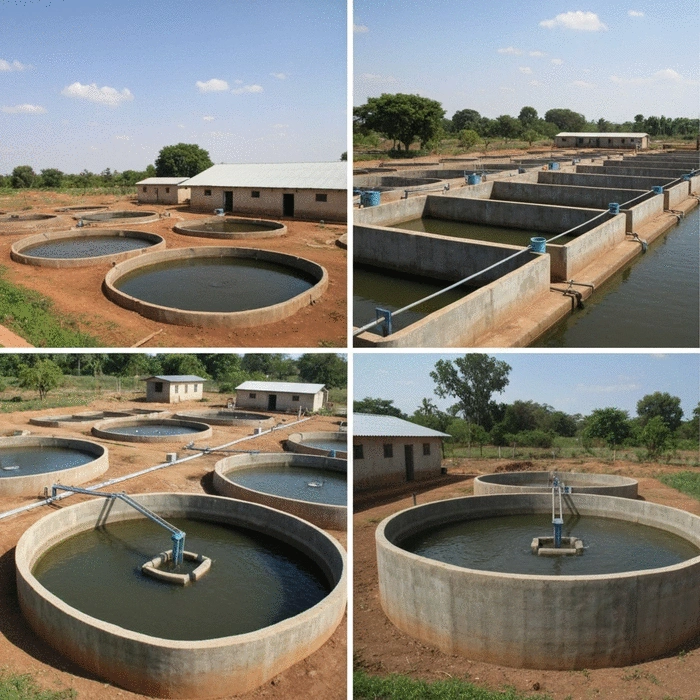
Reflecting on Your Strategies: What Can Be Improved?
Conduct a thorough review of your current oxygen management strategies. Ask yourself:
Identify areas for enhancement and take action to implement changes.
- Are your monitoring practices adequate?
- What aeration methods are you using?
- Do you have a contingency plan for emergencies?
The Importance of Adaptation: Are You Ready for Tomorrow's Challenges?
Adaptation is crucial in aquaculture. As conditions change, you need to adjust your practices accordingly. Stay informed and flexible.
Consider training opportunities or workshops on advanced aquaculture techniques to enhance your skills.
Your Role in the Sustainable Future of Aquaculture
As a catfish farmer, you play a vital role in promoting sustainable practices. Focus on creating a balanced ecosystem in your ponds.
Your commitment to sustainability contributes to the overall health of aquaculture in your region.
- Implement responsible feeding practices.
- Ensure proper waste management.
- Promote biodiversity within your farm.
Catfish Adaptations: The Unsung Heroes of Aquatic Survival
You might think all fish are created equal when it comes to breathing underwater, but catfish have evolved remarkable survival mechanisms that set them apart from tilapia, carp, or any other species you might consider farming. These adaptations didn't develop by accident—they're the result of millions of years of evolution in environments where oxygen levels fluctuate dramatically. Understanding these biological advantages helps you make smarter decisions about stocking densities, pond management, and crisis response.
Most farmers focus on feeding schedules and water temperature, but the real secret to catfish farming success lies in appreciating how these fish have mastered the art of survival in challenging conditions. When you understand their unique respiratory toolkit, you can push your production systems harder whilst maintaining healthy fish stocks. This knowledge also explains why catfish consistently outperform other species in intensive farming operations across Nigeria, Ghana, and Kenya.
How Catfish Defy the Odds with Unique Respiratory Mechanisms
Your catfish possess a dual respiratory system that functions like having both a car engine and a backup generator. They extract oxygen from water through their gills just like other fish, but they also have a specialised air-breathing organ called the suprabranchial chamber. This organ sits above their gills and allows them to gulp air from the surface and extract oxygen directly from atmospheric air.
You'll notice this behaviour when oxygen levels drop—your catfish will rise to the surface and appear to "kiss" the water surface. They're not being playful; they're accessing their backup oxygen supply. This adaptation means they can survive in water with dissolved oxygen levels as low as 1-2 mg/L, whilst most other fish species start dying when levels drop below 4-5 mg/L.
The suprabranchial chamber works by creating a pocket of air that the fish can access repeatedly. When your catfish gulps air, specialised blood vessels in this chamber extract oxygen whilst carbon dioxide is expelled. This process is so efficient that catfish can survive out of water for several hours if their skin remains moist—a trait that makes them incredibly hardy during harvesting and transport.
The Catfish Respiratory Advantage
Your catfish can switch between three oxygen sources:
- Gill respiration: Standard underwater breathing like other fish
- Air breathing: Direct oxygen extraction from atmospheric air
- Skin respiration: Limited oxygen absorption through their skin surface
This triple system explains why catfish survive transport in crowded containers and thrive in high-density farming systems.
The Air-Breathing Advantage: What It Means for Your Farm
This air-breathing capability transforms how you can approach pond management and stocking decisions. You can maintain higher fish densities than would be possible with species that rely solely on dissolved oxygen. A farmer in Ogun State successfully stocks 200 fingerlings per square metre in his concrete ponds because he understands that his catfish will supplement gill respiration with surface breathing when needed.
Your production costs drop significantly when you realise you don't need expensive aeration systems running constantly. During cool mornings and evenings when dissolved oxygen levels are naturally higher, your catfish rely primarily on gill respiration. As temperatures rise and oxygen levels drop during hot afternoons, they seamlessly switch to air breathing without stress or growth reduction.
You can also transport more fish per container because they're not competing solely for dissolved oxygen. This means lower transport costs when moving fingerlings between ponds or taking market-size fish to buyers. The air-breathing adaptation essentially gives you a buffer against the oxygen crashes that devastate farmers raising other species.
| Respiratory Feature | Catfish Advantage | Farming Benefit |
|---|---|---|
| Air breathing | Can survive in 1-2 mg/L dissolved oxygen | Higher stocking densities possible |
| Dual oxygen sources | Less dependent on water quality | Reduced aeration costs |
| Surface tolerance | Can survive hours out of water | Easier harvesting and transport |
Exploring Anaerobic Metabolism: The Lifeline in Crisis Situations
When oxygen levels drop to critical levels—below 1 mg/L—your catfish have one final survival mechanism: anaerobic metabolism. This process allows them to generate energy without oxygen, similar to how your muscles work during intense exercise when you're out of breath. They break down stored carbohydrates and fats to produce energy, though this process is less efficient and can't be sustained indefinitely.
You'll recognise when your fish are relying on anaerobic metabolism because they become less active and may gather near the surface in groups. Their feeding response decreases, and they conserve energy by reducing unnecessary movement. This isn't ideal for growth, but it keeps them alive during oxygen crises that would kill other species within hours.
The byproducts of anaerobic metabolism include lactic acid, which can build up in their tissues and cause stress. However, catfish can tolerate higher levels of these metabolic byproducts than most other fish species. Once oxygen levels improve, they quickly clear these compounds from their system and return to normal activity levels.
Understanding this process helps you make better decisions during emergencies. If your aeration system fails during a power outage, you know your catfish can survive several hours using anaerobic metabolism whilst you arrange backup power or emergency water exchange. This knowledge has saved countless farmers from total stock losses during equipment failures or extreme weather events.
You should monitor your fish closely during these periods because prolonged reliance on anaerobic metabolism will eventually cause mortality. The key is recognising the early warning signs and taking corrective action before your fish exhaust their anaerobic capacity. Most healthy catfish can sustain anaerobic metabolism for 4-6 hours, giving you a crucial window to restore normal oxygen levels.
In summary, understanding the oxygen requirements of catfish is essential for optimising your aquaculture practices. Their unique adaptations, like the ability to breathe air and utilise anaerobic metabolism, allow them to thrive in low-oxygen environments where other species might struggle.
As you manage your catfish farming operations, remember to monitor oxygen levels closely, utilise effective aeration strategies, and choose species that align with your specific conditions. Consider how you can implement the strategies discussed in this post to improve the health and productivity of your stock. By adapting to the challenges of low oxygen, you can enhance your farm's sustainability and profitability. Visit FishFarmingBusiness.com for more insights tailored to your needs as a catfish farmer.
Frequently Asked Questions
What is the minimum oxygen level catfish can survive in?
Catfish can survive in oxygen levels as low as 1-2 mg/L for short periods, though they require at least 3-5 mg/L for normal feeding and growth. Below 1 mg/L, even catfish face significant mortality risk.
How do catfish breathe air when oxygen levels drop?
Catfish possess a specialised organ called the suprabranchial chamber that allows them to gulp air from the surface and extract oxygen directly. This dual respiratory system gives them a significant survival advantage over other fish species.
Why do my catfish gather at the surface during hot weather?
Surface gathering indicates low dissolved oxygen levels, which commonly occur during hot weather when water holds less oxygen. Your catfish are accessing atmospheric oxygen through their air-breathing organs to supplement gill respiration.
How long can catfish survive using anaerobic metabolism?
Healthy catfish can sustain anaerobic metabolism for approximately 4-6 hours during severe oxygen depletion. This emergency survival mechanism allows them to generate energy without oxygen, though it cannot be maintained indefinitely.
What are the long-term effects of oxygen stress on catfish growth?
Oxygen stress can suppress growth rates for up to two weeks after the initial crisis, delay harvests by 3-4 weeks, and increase disease susceptibility. Even brief oxygen crises can significantly impact your production schedule and profitability.


Yomi Adisa Lead Researcher
Yomi Adisa is the lead researcher at Fish Farming Business, where he studies what makes aquaculture ventures profitable across Africa. His research focuses on market patterns, buyer preferences, and the business decisions that determine success or failure in fish farming.