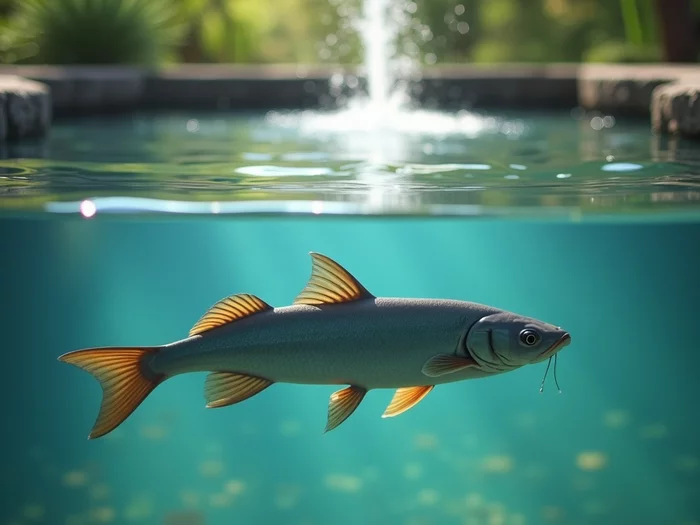
IMPACT OF OPTIMAL DO LEVELS
- Improved Growth Rates
- Enhanced Feed Conversion
- Increased Disease Resistance
Posted on: 2025-10-31
By: Yomi Adisa
Effective aquaculture hinges on understanding the critical relationship between aeration and fish health. Consider the fact that optimal oxygen levels can mean the difference between a thriving catfish farm and a struggling one. This article provides insights on managing these levels for improved growth and sustainability.
Maintaining optimal conditions in African catfish farming involves a delicate balance of factors and proactive strategies. Below, we highlight the core elements influencing oxygen levels and the essential approaches for efficient and healthy operations. For more information on creating the ideal environment, see our guide on pond building for catfish farming.
When it comes to catfish farming, understanding aeration and oxygen management is vital for ensuring the health and growth of your fish. The African catfish, known for its resilience and fast growth, thrives under specific conditions, especially regarding dissolved oxygen levels. In this section, we will explore why maintaining optimal oxygen levels is crucial for your farm's success and delve into effective aeration techniques tailored for our unique aquaculture environment.
As a seasoned aquaculture expert, I’ve seen firsthand how proper oxygen management can transform a struggling farm into a thriving business. With over a decade of experience in the field, I can assure you that understanding and implementing these strategies is paramount to achieving sustainable practices in African Catfish Farming.
Maintaining optimal dissolved oxygen (DO) levels is essential for several reasons. First and foremost, catfish require sufficient oxygen to survive and grow efficiently. Without adequate levels, you may notice stunted growth or even mortality in your stock. Here are several key impacts of optimal DO levels:
As you can see, ensuring that your water is well-aerated is a critical factor in the health of your farm. It's not just about survival; it's about thriving!
Several factors can affect the concentration of oxygen in your aquaculture system. Understanding these will help you create a more stable environment for your fish. Some of the most significant factors include:
By actively monitoring these factors, you can make necessary adjustments to maintain optimal conditions. An essential takeaway is that proactive management is far better than reactive solutions when it comes to oxygen management. For further reading on this topic, check out our insights on maintaining water quality for catfish.
Water quality is intertwined with oxygen management and plays a significant role in the health of African catfish. Factors such as pH, ammonia levels, and turbidity can influence oxygen levels and, consequently, the overall well-being of your fish. Here’s a quick overview of critical water quality parameters:
By prioritizing water quality alongside oxygen management, you are setting the foundation for a healthy and resilient catfish farming operation. Remember, clean water is the lifeblood of your aquaculture venture!
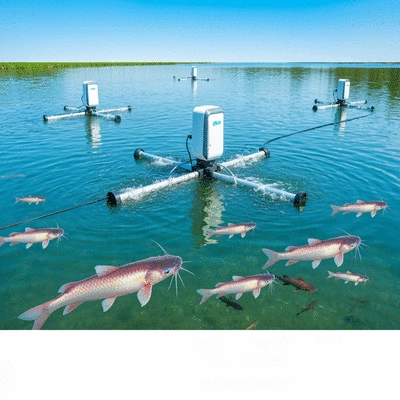
Now that we've established the importance of aeration and water quality, let’s dive into effective aeration techniques tailored for African catfish aquaculture. The right aeration strategy can significantly boost your farm's productivity and fish health. Let’s explore various options that can suit your needs!
Choosing the right aeration equipment is crucial. Not only does it impact oxygen levels, but it also affects your overall operational efficiency. Let's look at different aeration equipment types and what they bring to the table.
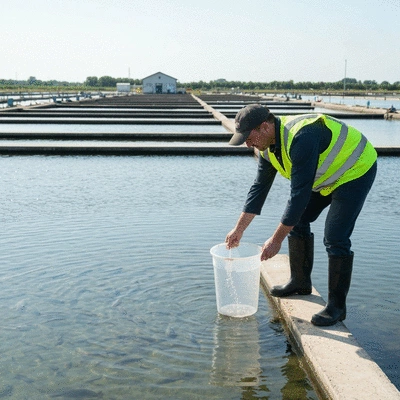
To maximize the health and growth of your African catfish, consider implementing a routine for measuring dissolved oxygen levels regularly. This proactive approach helps you adjust aeration methods promptly, ensuring optimal conditions and preventing potential stress or health issues in your stock.
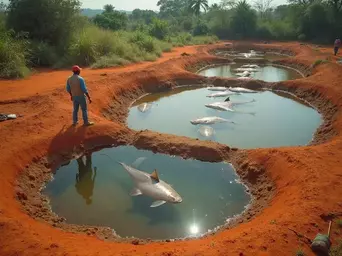
Optimal dissolved oxygen (DO) levels are crucial for the survival, growth, and overall health of African catfish. While specific requirements can vary slightly, generally, levels between 4-7 mg/L are considered ideal. Levels below 3 mg/L can cause stress, stunted growth, and increased susceptibility to diseases.
Water temperature significantly influences oxygen solubility. Warmer water holds less dissolved oxygen than cooler water. This means that as pond temperatures rise, especially during hot seasons, the water's capacity to hold oxygen decreases, making aeration even more critical.
High ammonia concentrations are toxic to fish and can severely impact their health by damaging gills and reducing their ability to absorb oxygen from the water. Maintaining low ammonia levels (ideally below 0.05 mg/L) is crucial for preventing stress, disease, and oxygen depletion in catfish ponds. Regular water quality monitoring helps manage this.
Energy-efficient aeration solutions include investing in aerators designed for low power consumption, performing regular maintenance to ensure equipment runs optimally, and optimizing aeration timing (e.g., aerating during cooler parts of the day or when oxygen demand is highest). Considering the initial cost against long-term operational savings is key.
Biosecurity measures are essential for preventing disease outbreaks. Key practices include controlling access to ponds to prevent external pathogen introduction, regularly cleaning and disinfecting all equipment, and quarantining new fish stock for at least two weeks before introducing them to existing populations. These steps minimize the spread of diseases and enhance overall fish health.
In catfish farming, optimizing aeration systems is crucial not just for fish health, but also for managing costs effectively. At African Catfish Farming, we understand that energy efficiency can significantly impact your bottom line. By evaluating and implementing cost-effective aeration solutions, you can enhance your farm's productivity while keeping expenses in check.
Here are some strategies that can help you maximize energy efficiency in your aeration practices:
By focusing on these strategies, you’ll not only ensure a healthier environment for your catfish but also enhance the sustainability of your farming operation!
As a farmer, it's important to choose the right aeration equipment that meets both your needs and budget. When evaluating options, consider the following:
At African Catfish Farming, we always recommend considering both quality and cost-effectiveness when selecting aeration systems. Your choice can directly affect your farm’s profitability! For a deeper dive into sustainable practices, explore our sustainable aquaculture resources.
Keeping a close eye on energy consumption can reveal significant insights into your farm’s profitability. Higher energy costs can quickly eat into your profits, making it essential to understand how to manage these costs effectively.
To achieve this, track your energy usage and consider implementing the following steps:
By tackling energy consumption proactively, you can not only enhance the health of your catfish but also improve your overall profitability.
Proper oxygen management is closely tied to fish health, and understanding this relationship can help prevent diseases from affecting your stock. As I’ve seen over my years in aquaculture, ensuring optimal oxygen levels can enhance the disease resistance of your catfish.
In this section, we will explore how oxygen levels affect fish health and some practical tips for maintaining healthy populations.
Catfish are especially sensitive to varying oxygen levels, and inadequate oxygen can lead to stress and increased susceptibility to diseases. Here’s why maintaining proper oxygen levels is essential:
By prioritizing oxygen management, you're investing in the overall health and resilience of your catfish populations!
At African Catfish Farming, we emphasize that proactive management practices can make a world of difference in your farm’s health. Here are some practical tips to enhance your fish health:
Implementing these strategies will help you create a thriving environment for your catfish. For more insights on fish health, visit our fish disease management blog.
Biosecurity is a crucial component of fish health management. Implementing effective biosecurity measures can significantly reduce the risk of disease outbreaks on your farm.
Here’s how to bolster your farm's biosecurity:
By integrating these biosecurity measures, you can create a safer environment for your fish and enhance the overall health management strategy of your farm. For further information on preventing common issues, consider reading our article on preventing bacterial infections in catfish.
Here is a quick recap of the important points discussed in the article:
Yomi Adisa Lead Researcher
Yomi Adisa is the lead researcher at Fish Farming Business, where he studies what makes aquaculture ventures profitable across Africa. His research focuses on market patterns, buyer preferences, and the business decisions that determine success or failure in fish farming.