Understanding Temperature Needs and Seasons in Catfish Farming
Posted on: 2025-10-27
By: Yomi Adisa
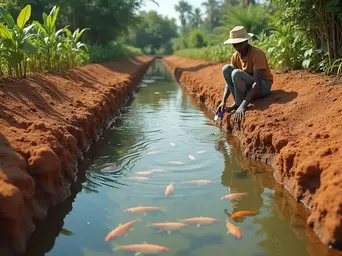
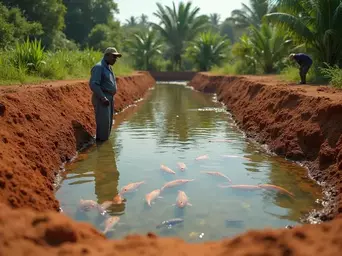
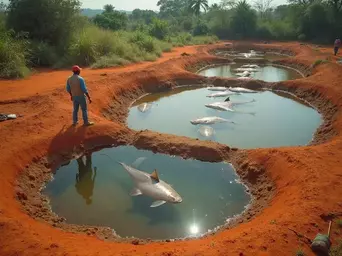
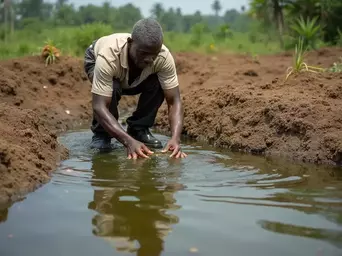
You walk to your pond at dawn and notice something's wrong. Your catfish are gasping at the surface, moving sluggishly, barely responding to feed. The temperature dropped 8 degrees overnight, and now you're watching thousands of naira worth of fish struggle to survive. This scenario plays out across African fish farms every season, yet most farmers still treat temperature as an afterthought rather than the critical business factor it truly is.
Temperature doesn't just affect fish comfort—it controls their metabolism, appetite, growth rate, and survival. When you ignore temperature management, you're essentially gambling with your entire investment. A farmer in Ogun State learned this the hard way when unseasonably cold weather killed 60% of his stock, costing him ₦400,000 in a single week.
You need to understand that successful catfish farming in Africa means mastering temperature challenges that range from scorching dry seasons to unexpected cold snaps. The farmers who thrive aren't necessarily those with the biggest ponds or the most expensive equipment—they're the ones who've learned to work with Africa's unpredictable climate rather than against it. Understanding water temperature management techniques is essential for maintaining healthy stock throughout the year.
Why Most Farmers Underestimate Temperature's Role
You probably think catfish are hardy creatures that can survive anything. After all, they're African natives, right? This dangerous assumption costs farmers more money than disease, predators, and feed quality combined. Temperature affects every aspect of your catfish operation, from how much they eat to how fast they grow to whether they survive at all.
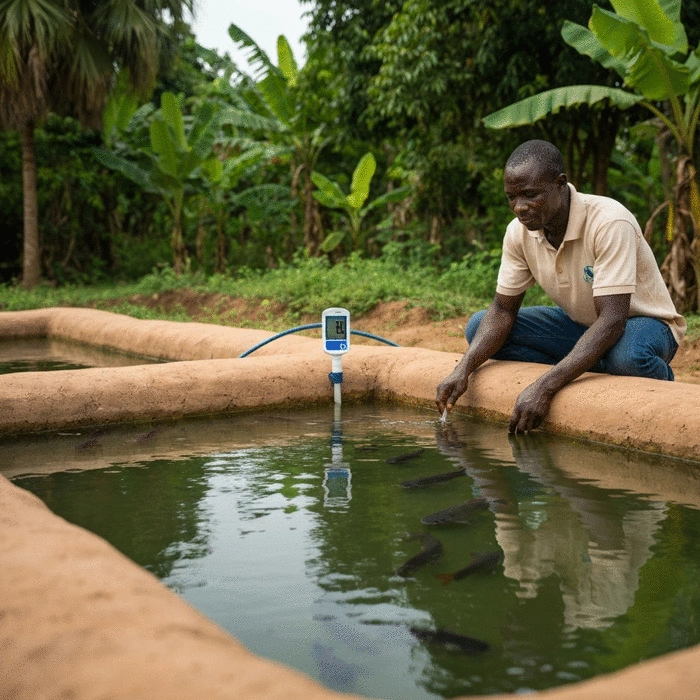
Most farmers focus on obvious factors like pond construction and feeding schedules whilst completely overlooking the invisible killer lurking in their water. Temperature stress weakens fish immune systems, making them vulnerable to diseases that would normally pose no threat. It slows growth rates, meaning longer production cycles and higher feed costs. Worst of all, it can trigger mass mortality events that wipe out months of careful work in just days.
The Hidden Costs of Ignoring Water Temperature
You need to understand that temperature mismanagement doesn't just kill fish—it destroys your profit margins in ways you might not even notice. When water temperatures drop below optimal ranges, your catfish metabolism slows dramatically. They eat less, grow slower, and convert feed less efficiently. What should be a six-month production cycle stretches to eight or nine months, whilst your feed costs continue mounting.
Consider the mathematics: if temperature stress extends your production cycle by just two months, you're paying for two extra months of feed, labour, and pond maintenance whilst your fish barely grow. Your return on investment plummets, and you might not even realise temperature was the culprit. You'll blame poor-quality fingerlings, expensive feed, or bad luck when the real problem was sitting right there in your water temperature readings.
Temperature's Hidden Impact on Your Bottom Line
When water temperatures aren't optimal, you face these costly consequences:
- Extended production cycles: 25-40% longer time to market weight
- Poor feed conversion: Up to 30% more feed needed for same weight gain
- Increased mortality: Stress-related deaths can reach 15-25%
- Reduced market value: Stressed fish often have poor flesh quality
- Higher disease treatment costs: Temperature-stressed fish get sick more often
The economics become even more brutal during extreme weather events. You might lose 50-80% of your stock during a severe cold snap or heat wave, representing months of investment vanishing overnight. Insurance rarely covers weather-related losses in aquaculture, meaning these costs come straight from your pocket. Proper feeding frequency adjustments based on temperature changes can help minimise these losses.
The Silent Impact of Seasonal Changes on Your Catfish
You probably notice when temperatures swing dramatically, but the subtle seasonal changes cause just as much damage over time. Your catfish experience stress from gradual temperature shifts that you barely register. During harmattan season, nighttime temperatures can drop 10-15 degrees below daytime highs, creating a daily stress cycle that weakens your fish progressively.
Rainy season brings different challenges—sudden temperature drops from heavy downpours, reduced sunlight affecting water warming, and increased cloud cover that prevents natural temperature regulation. Your fish spend energy constantly adjusting to these changes instead of growing efficiently. A farmer in Kaduna tracked his fish growth rates through different seasons and discovered his catfish grew 40% slower during periods of high temperature variability, even when average temperatures remained acceptable.
The seasonal breeding patterns of your catfish also depend heavily on temperature cues. When temperatures fluctuate unpredictably, breeding becomes erratic, affecting your ability to produce consistent fingerling supplies. You need to recognise that temperature isn't just about survival—it's about optimising every aspect of your fish's biological processes for maximum profitability. Maintaining proper water quality standards becomes even more critical during these seasonal transitions.
| Season | Temperature Challenge | Impact on Catfish |
|---|---|---|
| Dry Season | High daytime temperatures (35-40°C) | Reduced oxygen, heat stress, poor appetite |
| Harmattan | Large day/night temperature swings | Constant stress, weakened immunity |
| Rainy Season | Sudden temperature drops from rainfall | Shock, reduced feeding, slower growth |
| Transition Periods | Unpredictable temperature patterns | Disrupted breeding, irregular behaviour |
You need to start thinking about temperature management as preventive medicine for your fish farm. The farmers who consistently achieve high survival rates and fast growth aren't lucky—they're the ones who've learned to anticipate and buffer against seasonal temperature challenges before problems arise.
| Key Points | Details |
|---|---|
| Importance of Temperature | Temperature affects metabolism, appetite, growth rate, and survival of catfish. |
| Seasonal Challenges | Farmers face unique challenges during each season (dry, harmattan, rainy) affecting fish health and growth. |
| Species-Specific Needs | Different catfish species have distinct optimal temperature ranges and stress thresholds. |
| Monitoring and Management | Effective temperature management requires monitoring and adaptation to changing conditions to minimise stress and mortality. |
| Economic Impact | Ignoring temperature can lead to extended production cycles, increased feed costs, and reduced profitability. |
| Community Support | Engaging with local aquaculture networks fosters collaboration and shared solutions. |
What Happens When Seasons Change: Preparing for Temperature Swings
As a catfish farmer, preparing for seasonal temperature swings is essential. Understanding how each season affects your fish will help you make informed decisions. You want to observe trends and adjust your management practices accordingly.
The Annual Cycle: How Seasons Alter Your Fish Farming Strategy
The annual cycle brings distinct temperature changes that directly impact your catfish farming strategy. In Nigeria, for example, farmers often face three main seasons: dry, harmattan, and rainy. Each season presents unique challenges.
During the dry season, temperatures soar, pushing water temperatures above optimal ranges. You may need to increase aeration to maintain oxygen levels. A farmer in Benin City noticed a 30% increase in growth rate after adding aeration during high heat.
The harmattan season brings cooler nights and can drop temperatures significantly. You want to monitor temperatures daily and have a heating strategy ready. Farmers who were prepared managed to keep feeding schedules consistent despite the sudden drops.
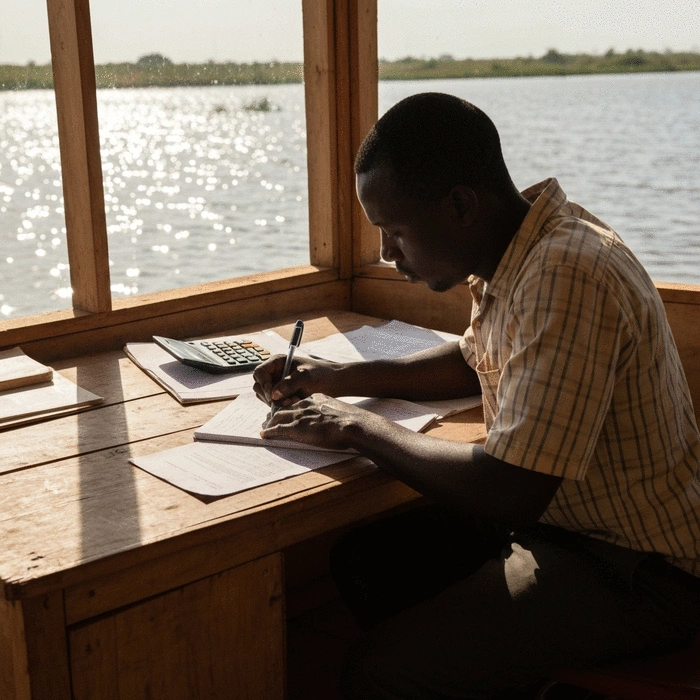
The rainy season can introduce sudden temperature fluctuations and even flooding. You must adjust feeding practices and be vigilant about water quality. One farmer in Ghana saw a 50% increase in mortality during heavy rains because they underestimated the impact of temperature changes.
Adapting Feeding Practices to Monthly Temperature Variations
Your feeding practices must align with monthly temperature variations. You want to keep a close eye on how temperature changes affect fish behaviour and adjust feed amounts accordingly.
During the hottest months, you may find fish less active. Reduce feed amounts if you notice uneaten food after 30 minutes. A farmer in Lagos observed this tactic successfully reduced feed costs while maintaining fish health.
In contrast, during cooler months, you want to ensure you're feeding enough to encourage growth. Farmers who increased feed slightly during the harmattan reported better overall health and faster recovery once temperatures stabilised. You also want to track growth rates monthly. By recording fish weights and adjusting feed accordingly, you can optimise your production cycle.
When Crisis Hits: Strategies for Managing Extreme Temperature Events
Extreme temperature events can occur without warning. You need to have contingency plans ready to protect your stock.
What Your Neighbours Wish They Knew About Sudden Temperature Drops
Several farmers have faced sudden temperature drops that threatened their fish stocks. Proactive measures could have saved many of these situations.
For instance, a farmer in Kaduna lost 70% of their stock during a cold snap. They had no backup heating system in place. You want to consider investing in portable heaters or insulated covers to help maintain temperatures during unexpected events. Another farmer prepared by installing a temperature monitoring system. They were able to react quickly, adding additional heating at the first sign of a temperature drop. This quick action saved their entire stock from harm.
The Challenge of Hot Months: Insufficient Oxygen Levels and Your Catfish
High temperatures not only affect your fish's metabolism but also oxygen levels in the pond. You need to be aware of how these changes impact your catfish.
During hot months, oxygen levels can plummet, causing stress and reduced growth rates. A farmer in Enugu found that by increasing aeration, they improved oxygen levels and maintained healthy fish populations even in peak heat. You should regularly monitor dissolved oxygen levels during these months. If they dip below 5mg/L, it's time to take action. Increasing aeration or adding water from a cooler source can help restore balance.
The Winter Dilemma: Feeding Your Fish When Temperatures Plummet
Feeding your fish during cold weather requires special attention. You want to ensure your fish get the right nutrients while considering their reduced metabolic rates.
Real-Life Feeding Protocols: What Works in Cold Weather
Farmers have found that adjusting feeding protocols during colder months is crucial. You want to switch to lower feed rations as temperatures drop below 22°C.
One farmer in Abuja found success by switching to a high-protein feed that was easier for the fish to digest at lower temperatures. They reported improved health and less feed waste. Another practice is to feed less frequently but maintain higher quality. Consider a feeding schedule that focuses on nutrient-rich feeds during these months. This helps keep your fish healthy without overloading them.
The Economics of Keeping Your Catfish Healthy Through Winter
You need to balance costs and benefits when adapting your winter feeding strategies. The goal is to maintain fish health without incurring unnecessary expenses.
Investing in quality feed during winter may seem costly, but it pays off in better growth rates and reduced mortality. A farmer in Kenya calculated that improved feeding led to a 25% increase in overall yield, offsetting the higher costs. You want to also consider your heating costs. Evaluate whether investments in heating systems offer a good return on investment. This balance will help you maintain profitability year-round.
Why Effective Temperature Management is Your Best Business Strategy
Managing temperatures effectively is not just about fish health. It can significantly impact your bottom line.
The Unsung Heroes: Farmers Who Thrived Through Smart Temperature Control
Farmers who have implemented smart temperature control measures often report better outcomes. You need to learn from their success stories.
One farmer in Ogun State invested in temperature monitoring technology. They were able to adjust their practices quickly, resulting in growth rates that exceeded expectations. They reported a 20% increase in profitability after just one season. Another farmer prioritised training on temperature management. They joined a local aquaculture group where they shared insights and strategies. This community support enhanced their understanding and implementation of best practices.
Building a Support Network: How Community Can Aid Your Temperature Management
Joining local aquaculture networks can provide invaluable support. You want to connect with other farmers who face similar challenges.
These networks can offer insights, tips, and even resources to help you manage temperature effectively. A farmer in Ghana shared how participating in a local group led to discovering cost-effective solutions for aeration systems. You need to engage with others in your community. Sharing experiences not only builds knowledge but can also foster collaborative solutions to common problems.
Where Do You Go From Here? Making Decisions in Uncertain Times
You need to make critical decisions regarding temperature management to ensure the sustainability of your farming business.
The Choices You Face: Investing in Temperature Management Solutions
Consider the investments you need to make in technology and practices. You want to evaluate how they align with your business goals.
Investing in monitoring systems or aeration technology may seem daunting, but consider the long-term gains. A farmer who invested in automated aeration reported a 30% reduction in mortality rates during hot weather. Evaluate your options carefully. Look for solutions that fit your budget and provide the best outcomes for your fish.
Encouraging Continuous Learning: Your Path to Sustainable Catfish Farming
Commit to ongoing education in fish farming practices. You need to stay informed about the latest techniques and strategies.
Attend workshops or online courses focused on temperature management and seasonal practices. By staying current, you can adapt to changing conditions more effectively. Encourage a mindset of continuous improvement. Be open to learning from both successes and failures. This approach will position you better for future challenges.
Resources for Your Journey
You want to equip yourself with the right knowledge and support to succeed in catfish farming.
Where to Find Further Knowledge on Temperature and Seasonal Management
Consider accessing these resources for more information on temperature management:
- Local agricultural extension services
- Academic journals focused on aquaculture
- Online platforms such as FishFarmingBusiness.com for technical guides
These resources will help you deepen your understanding and refine your strategies.
Joining the Conversation: Online Communities and Forums for Catfish Farmers
Engaging with online communities can provide ongoing support. You want to connect with fellow farmers to share experiences and advice.
Platforms like Facebook groups or dedicated forums can offer valuable insights. You can ask questions, share successes, and learn from others who understand the challenges of catfish farming. Joining these communities will enhance your knowledge and provide support as you navigate your farming journey.
What You Need to Know About Your Catfish Species' Temperature Needs
You cannot manage what you don't understand, and most farmers make costly assumptions about their catfish species' temperature requirements. Each species has evolved specific thermal preferences that directly impact their growth rates, feeding behaviour, and survival. When you ignore these preferences, you're essentially fighting against biology—and biology always wins.
The difference between a thriving farm and a struggling one often comes down to matching your management practices to your fish's natural temperature needs. You might think all catfish are the same, but the temperature range that makes African catfish thrive can stress channel catfish, and what works in Lagos might fail in the cooler highlands of Kenya. Understanding your specific species' thermal requirements isn't just academic knowledge—it's the foundation of profitable fish farming. You need to know not just the optimal range, but also the warning signs when temperatures move outside safe limits and how quickly your fish will respond to temperature changes.
The African Catfish: A Case Study in Thermal Tolerance

African catfish (Clarias gariepinus) are remarkably adaptable, but this adaptability has limits that you need to respect. Your fish perform best when water temperatures stay between 25°C and 30°C. Within this range, they feed aggressively, grow rapidly, and show strong disease resistance. Push temperatures above 32°C, and you'll notice feeding drops off sharply—your fish become lethargic and stressed.
Below 20°C, African catfish enter a semi-dormant state where their metabolism slows dramatically. You'll see them gathering at the bottom of your pond, barely responding to feed. A farmer in Kaduna learned this the hard way when harmattan winds dropped his pond temperature to 18°C for three consecutive days—his 2,000 fish stopped eating entirely, and it took two weeks of gradual warming before normal feeding resumed.
Critical Temperature Thresholds for African Catfish
Your management decisions change dramatically at these temperature points:
- Below 18°C: Stop feeding completely—fish cannot digest properly
- 18°C-22°C: Reduce feeding to once daily, monitor closely for disease
- 22°C-25°C: Normal feeding but expect slower growth rates
- 25°C-30°C: Optimal range—maximum growth and feed conversion
- 30°C-32°C: Reduce feeding frequency, increase aeration
- Above 32°C: Emergency cooling needed—fish stress becomes severe
What makes African catfish particularly valuable is their ability to survive brief temperature extremes that would kill other species. They can tolerate temperatures as low as 15°C for short periods and as high as 35°C if oxygen levels remain adequate. However, survival and productivity are different things—you want your fish thriving, not just surviving. You need to monitor how quickly temperature changes occur in your system. African catfish can adapt to gradual temperature changes over several days, but sudden shifts of more than 5°C in a few hours cause severe stress. This is why you see mortality spikes during sudden weather changes, especially when cold fronts move through during harmattan season.
Surprising Insights on Channel and Blue Catfish Preferences
Channel catfish and blue catfish have different thermal requirements that many African farmers overlook when importing these species. Channel catfish prefer cooler water than African catfish—their optimal range is 21°C to 27°C. You'll get the best growth rates and feed conversion when you keep them in this narrower band.
Blue catfish are even more particular about temperature stability. They perform best between 18°C and 24°C, making them suitable for higher altitude areas or regions with cooler climates. If you're farming in the Jos Plateau or the Kenyan highlands, blue catfish might actually outperform African catfish in your conditions.
| Species | Optimal Range | Feeding Stops | Stress Begins |
|---|---|---|---|
| African Catfish | 25°C - 30°C | Below 18°C | Above 32°C |
| Channel Catfish | 21°C - 27°C | Below 15°C | Above 29°C |
| Blue Catfish | 18°C - 24°C | Below 12°C | Above 26°C |
The key insight many farmers miss is that these imported species often struggle during African hot seasons. Channel catfish become highly stressed when temperatures exceed 29°C for extended periods, leading to poor feed conversion and increased disease susceptibility. You'll notice they become less active during the hottest parts of the day and may refuse feed entirely during heat waves.
Your choice of species should match your local climate patterns, not just market demand. If you're in a region where temperatures regularly exceed 30°C, African catfish will consistently outperform channel or blue catfish. However, if you have access to cooler water sources or can provide adequate cooling, the imported species might command higher market prices that justify the extra management effort. You also need to consider seasonal temperature swings when selecting species. African catfish handle the dramatic temperature changes between wet and dry seasons better than imported species. Channel and blue catfish require more consistent temperatures year-round, which means higher management costs during extreme weather periods.
As we wrap up our exploration of temperature requirements and seasonal considerations in African catfish farming, it's clear that effective temperature management is crucial for your success. Ignoring the impact of water temperature can lead to reduced yields and increased costs, as many farmers have unfortunately discovered.
You have learned about the specific needs of different catfish species and the importance of adjusting your farming strategies with the changing seasons. Implementing proactive management techniques can help you mitigate risks from extreme temperature events, ensuring your fish remain healthy and productive throughout the year.
Consider investing in resources that enhance your understanding of these factors, and don't hesitate to reach out to fellow farmers in your community for support and shared experiences. Continuous learning and adaptation are key to navigating the challenges of catfish farming effectively. To further enhance your knowledge, explore the resources and communities we have highlighted. Engaging with others in the industry will provide valuable insights, helping you make informed decisions for your aquaculture business.
Frequently Asked Questions
What temperature range is optimal for African catfish growth?
African catfish perform best when water temperatures stay between 25°C and 30°C. Within this range, they feed aggressively, grow rapidly, and show strong disease resistance. Below 20°C, their metabolism slows dramatically, whilst temperatures above 32°C cause stress and reduced feeding.
How do seasonal temperature changes affect catfish feeding behaviour?
During hot months, catfish become less active and may refuse feed when temperatures exceed optimal ranges. In cooler months, their metabolism slows, requiring reduced feeding frequency and amounts. You should adjust your feeding schedule based on temperature readings rather than following a fixed routine.
What are the warning signs of temperature stress in catfish?
Temperature-stressed catfish display several warning signs including gasping at the surface, sluggish movement, reduced appetite, and gathering at the bottom of ponds during cold periods. You may also notice increased susceptibility to diseases and poor feed conversion rates.
How can sudden temperature drops affect my catfish stock?
Sudden temperature drops of more than 5°C in a few hours cause severe stress to catfish, potentially leading to mass mortality events. Fish cannot adapt quickly to rapid changes, which weakens their immune systems and makes them vulnerable to diseases that would normally pose no threat.
Why do different catfish species have varying temperature requirements?
Different catfish species have evolved in different environments, leading to distinct thermal preferences. African catfish tolerate higher temperatures (25-30°C optimal), whilst channel catfish prefer cooler water (21-27°C), and blue catfish perform best in even cooler conditions (18-24°C). Matching species to your local climate is crucial for success.


Yomi Adisa Lead Researcher
Yomi Adisa is the lead researcher at Fish Farming Business, where he studies what makes aquaculture ventures profitable across Africa. His research focuses on market patterns, buyer preferences, and the business decisions that determine success or failure in fish farming.