Algae Management in Catfish Ponds: Practical Prevention, Control and Farming Tips
Posted on: 2025-11-11
By: Yomi Adisa
Algae Management in Catfish Ponds: Practical Prevention, Control and Farming Tips
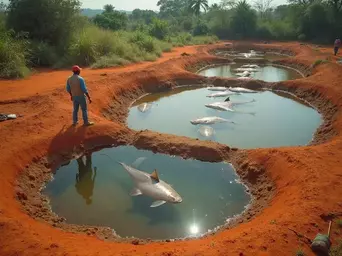
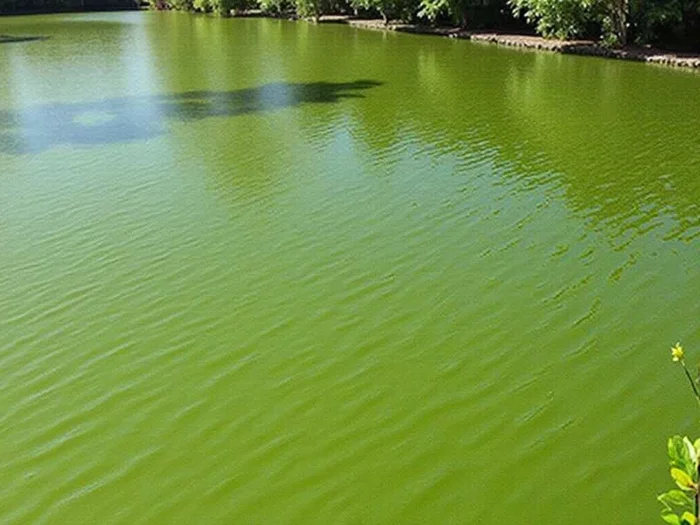
Picture this: You walk to your catfish pond early Monday morning, expecting to see clear water and healthy fish swimming near the surface. Instead, you're greeted by thick, green water that looks more like pea soup, with a foul smell hanging in the air. Your catfish are gasping at the surface, and you can barely see 10 centimetres into the water. This is the reality many African catfish farmers face when algae blooms spiral out of control.
📑 Table of Contents
Algae management isn't just about keeping your pond looking clean – it's fundamental to your farming success. Poor algae control leads to oxygen depletion that can kill your fish overnight, creates off-flavours that make your catfish unmarketable, and wastes the money you've invested in feed and fingerlings. When algae dies off suddenly, it consumes massive amounts of oxygen, creating dead zones where your catfish simply cannot survive. The economic impact is severe: farmers regularly lose 30-50% of their stock to algae-related problems, whilst off-flavour issues can make entire harvests unsellable.
This comprehensive guide provides you with the complete technical knowledge you need to prevent, control, and manage algae in your catfish ponds effectively. You'll learn to identify different types of algae, understand exactly what conditions promote their growth, and master proven prevention strategies that work in tropical African conditions. We'll cover physical removal techniques, safe chemical control methods, and biological approaches that create long-term balance in your pond ecosystem. By the end, you'll have the practical tools to transform struggling, algae-dominated ponds into profitable, sustainable catfish production systems.
🎯 What You'll Learn
- Master effective nutrient management techniques to prevent harmful algae blooms and enhance catfish health
- Understand the various algae types and their impact on pond ecosystems to implement targeted control methods
- Learn practical aeration and shading strategies to maintain optimal oxygen levels and reduce algae growth in your catfish ponds
The economic impact of proper algae management cannot be overstated. A farmer in Oyo State recently shared how implementing systematic algae control increased his harvest weight by 35% and eliminated the off-flavour problems that previously cost him 20% of his market value. You'll gain the same knowledge that transforms struggling ponds into profitable, sustainable catfish production systems.
Understanding Algae in Catfish Ponds
Types of Algae Commonly Found in Catfish Ponds
Your catfish pond hosts several distinct types of algae, each with different characteristics and management requirements. Filamentous algae appears as long, stringy masses that you can literally grab with your hands – it looks like wet cotton or hair floating in your water. This type often grows attached to pond walls, aerators, or any solid surface, forming thick mats that can clog your equipment and trap fish.
Blue-green algae, technically called cyanobacteria, creates the notorious pea-soup appearance that many farmers dread. Unlike true algae, these organisms can fix nitrogen from the air, making them particularly troublesome because they don't depend solely on nutrients in your water. Blue-green algae often forms surface scums that look like spilled paint, and they produce toxins that can kill your fish and create severe off-flavours.
Planktonic algae consists of microscopic organisms suspended throughout your water column, giving your pond a green tint that ranges from light green to dark emerald. While some planktonic algae is actually beneficial for oxygen production, excessive blooms consume oxygen at night and can crash suddenly, creating deadly conditions for your catfish.
| Type of Algae | Characteristics | Management Techniques |
|---|---|---|
| Filamentous Algae | Long stringy masses | Manual removal techniques |
| Blue-Green Algae | Pea-soup appearance | Chemical control options |
| Planktonic Algae | Microscopic organisms | Monitoring and aeration strategies |
Temperature plays a crucial role in algae development, with most problematic species thriving in the 28-35°C range common across tropical Africa. Nutrient levels, particularly nitrogen and phosphorus from fish waste and uneaten feed, provide the fuel these organisms need to multiply rapidly. High pH levels above 8.5, often caused by photosynthesis during algae blooms, create conditions that favour continued algae growth while stressing your catfish.
The Role of Algae in Pond Ecosystems
Algae serves important functions in your pond ecosystem when present in moderate amounts. During daylight hours, algae produces oxygen through photosynthesis, contributing to the dissolved oxygen levels your catfish need to survive. Small amounts of algae also provide food for zooplankton and other organisms that form part of the natural food web in your pond.
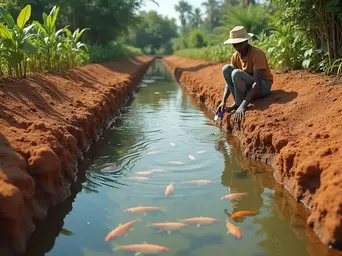
However, the balance between beneficial and harmful algae presence is delicate and easily disrupted. Healthy algae levels allow you to see 30-40 centimetres into your water – enough to observe your fish behaviour and feeding patterns. The water should have a light green tint, similar to weak tea, rather than the murky green or brown colours that indicate problems.
Monitor your pond for warning signs of unhealthy algae presence. Thick surface scums, foul odours resembling rotten eggs or musty basements, and fish gasping at the surface indicate dangerous algae blooms. Water that changes colour dramatically overnight, particularly turning red or brown, suggests algae die-offs that consume oxygen rapidly. pH swings greater than 1.0 unit between morning and evening readings often accompany problematic algae activity.
The key indicator you should track daily is monitoring dissolved oxygen levels, which fluctuate dramatically in ponds with algae problems. Healthy ponds maintain dissolved oxygen above 5 milligrams per litre throughout the day and night. Algae-dominated ponds may show readings above 15 mg/L during peak afternoon photosynthesis, then crash below 2 mg/L before dawn, creating lethal conditions for your catfish.
Prevention Strategies for Algae Control
Nutrient Management Techniques and Buffer Zones
Controlling nutrients entering your pond represents your most effective long-term strategy for preventing algae blooms. Excess nitrogen and phosphorus from fish waste and uneaten feed provide the primary fuel for algae growth, so managing these inputs directly impacts algae development in your system. Feed management forms the cornerstone of nutrient control.
Feed your catfish only what they can consume completely within 15-20 minutes, and remove any uneaten pellets after feeding. Overfeeding by just 10% can double the nutrient load in your pond within weeks. For a 100 square metre pond stocked with 2,000 fingerlings, feed approximately 6-8 kilograms daily during grow-out phase, split between morning and evening meals.
Calculate your feed conversion ratio monthly to monitor efficiency. Divide total feed given by weight gained – ratios above 1.8:1 often indicate overfeeding or poor feed quality that contributes to nutrient accumulation. Quality feed with 35-40% protein content produces less waste than cheaper alternatives with excessive fillers.
| Technique | Description | Impact on Algae Growth |
|---|---|---|
| Feed Management | Feed only what fish can consume in 15-20 minutes | Reduces nutrient loading |
| Buffer Zones | Planting vegetation around pond perimeter | Filters out nutrients before they enter water |
| Water Management | Regular water exchanges | Dilutes nutrients and improves water quality |
Buffer zones around your pond perimeter provide natural filtration that removes nutrients before they enter your water. Plant elephant grass, vetiver grass, or water hyacinth in constructed wetlands that receive pond overflow. These plants absorb nitrogen and phosphorus while their root systems filter sediments. A buffer zone covering 10-15% of your pond surface area can reduce nutrient loading by 40-60%.
Create buffer zones by excavating shallow areas 30-40 centimetres deep around pond edges, then planting appropriate vegetation. Ensure water flows through these planted areas before entering or leaving your main pond. Harvest buffer zone plants monthly to remove accumulated nutrients permanently from your system.
Aeration and Shading Techniques
Proper aeration disrupts algae growth patterns while maintaining oxygen levels essential for catfish health. Continuous aeration prevents thermal stratification that creates ideal conditions for blue-green algae development. Surface aerators or paddlewheels create water movement that keeps algae suspended rather than allowing them to form surface mats.
Install aeration capacity of at least 2 horsepower per hectare for intensive catfish production. Position aerators to create circular flow patterns that move water throughout your entire pond, eliminating dead zones where algae can accumulate. Run aerators continuously during hot months when algae growth accelerates, and monitor dissolved oxygen to determine minimum operating schedules during cooler periods.
Strategic shading reduces the sunlight that drives algae photosynthesis without significantly impacting your catfish production. Algae requires intense sunlight for rapid reproduction, so reducing light penetration by 30-40% can dramatically slow algae growth while maintaining adequate conditions for fish feeding and growth. Construct shade structures using locally available materials like palm fronds, bamboo screening, or shade cloth covering 25-30% of your pond surface.
Water hyacinth and water lettuce provide natural shading while removing nutrients from your system. Cover 15-20% of your pond surface with these floating plants, harvesting excess growth weekly to prevent complete coverage that would block oxygen exchange. These plants also serve as natural biofilters, absorbing nutrients that would otherwise fuel algae growth.
Control Methods for Algae Management
Physical and Mechanical Control
Physical removal provides immediate results when algae blooms threaten your catfish health. Filamentous algae responds well to manual harvesting using rakes, nets, or specialised algae removal tools. Work during early morning hours when algae mats are most concentrated, and remove as much biomass as possible before it decomposes and releases nutrients back into your water.
Construct a simple algae rake using a garden rake attached to a long handle, or fashion a net from mosquito netting stretched between two poles. Pull algae mats toward shore where you can lift them completely from the water. A 50 square metre pond typically yields 20-30 kilograms of wet algae during major removal operations.
Water drawdown effectively concentrates algae for easier removal while allowing you to clean pond bottoms. Reduce water levels by 30-40 centimetres, then use pumps or nets to remove concentrated algae from the remaining water. This technique works best during dry season when you can refill ponds with fresh water rather than nutrient-rich runoff.
Mechanical aeration during algae removal helps prevent oxygen crashes as disturbed algae begins decomposing. Increase aeration capacity by 50% during removal operations, and monitor dissolved oxygen hourly to ensure levels remain above 4 mg/L. Remove algae biomass from your farm completely – composting it near ponds allows nutrients to leach back into your system during rains.
Chemical Control Options
Chemical algae control requires careful application and thorough understanding of safety procedures to protect both your fish and the environment. Diuron, a herbicide approved for aquaculture use in many African countries, effectively controls algae when applied correctly at rates of 0.1-0.2 milligrams per litre. Calculate your pond volume accurately before any chemical treatment.
For rectangular ponds, multiply length × width × average depth in metres, then multiply by 1,000 to get litres. A pond measuring 20m × 10m × 1.5m contains 300,000 litres. Apply diuron at 30-60 millilitres per 300,000 litres, depending on algae density and species present.
Mix chemicals thoroughly throughout your pond using aeration or by dissolving in water and broadcasting while walking around pond perimeters. Never dump concentrated chemicals in single locations, as this creates toxic zones that can kill fish. Apply treatments during cool morning hours when oxygen levels are highest and fish are less stressed.
Monitor water quality closely for 72 hours following chemical treatments. Dying algae consumes oxygen rapidly, potentially creating lethal conditions for your catfish. Increase aeration capacity and be prepared to conduct emergency water exchanges if dissolved oxygen drops below 3 mg/L. Observe withdrawal periods before harvesting fish following chemical treatments – most algaecides require 21-30 days between application and fish harvest to ensure chemical residues clear from fish tissues.
Biological Control Methods
Beneficial bacteria provide sustainable algae control by competing for nutrients and producing compounds that inhibit algae growth. Commercial bacterial products containing Bacillus species can reduce algae blooms while improving water quality through enhanced waste decomposition. Apply bacterial supplements at 1-2 grams per cubic metre of water monthly during warm months when algae pressure is highest.
Introduce bacteria during stable weather conditions when water temperatures remain between 25-30°C for several consecutive days. Mix bacterial products with pond water before broadcasting, and avoid applying immediately after chemical treatments that might kill beneficial organisms. Maintain adequate aeration to support bacterial growth and activity.
Competitive aquatic plants provide long-term algae suppression by absorbing nutrients and shading water surfaces. Submerged plants like hornwort and vallisneria compete directly with algae for dissolved nutrients while providing habitat for beneficial organisms. Plant these species in shallow areas or containers that allow easy management.
Consider introducing herbivorous fish species that consume algae directly. Grass carp effectively control filamentous algae when stocked at 50-100 fish per hectare alongside your catfish. These biological control agents provide ongoing algae management while producing additional income through harvest sales.
Managing Off-Flavours in Catfish
Identifying Off-Flavour Issues
Off-flavours in catfish typically result from compounds produced by blue-green algae and certain bacteria that accumulate in fish tissues over time. The two primary compounds responsible for off-flavours are geosmin and 2-methylisoborneol (MIB), which create earthy, musty tastes that make your fish unmarketable regardless of their nutritional quality. Geosmin produces an earthy, soil-like flavour that consumers immediately recognise as unpleasant.
This compound concentrates in fatty tissues and can persist for weeks after initial exposure. MIB creates musty, mouldy flavours reminiscent of old basement smells. Both compounds become detectable to human taste at extremely low concentrations – less than 10 parts per billion.
Conduct regular taste testing to identify off-flavour problems before harvest. Sample 3-5 fish monthly by cooking small fillets without seasoning and evaluating taste and odour. Fresh catfish should have a clean, mild flavour with no earthy or musty characteristics. Any unusual tastes indicate potential off-flavour problems that require immediate attention.
Visual indicators often accompany off-flavour development. Ponds with thick algae blooms, particularly blue-green algae, frequently produce off-flavoured fish. Water with strong earthy or musty odours, especially during algae die-offs, suggests conditions that promote off-flavour compound production. Document off-flavour occurrences systematically to identify patterns and contributing factors.
Solutions for Off-Flavour Management
Diuron application provides effective treatment for algae-related off-flavours when applied correctly and with proper timing. Apply diuron at 0.15 mg/L when blue-green algae blooms begin developing but before they become established. Early intervention prevents massive algae populations that produce high concentrations of off-flavour compounds.
Calculate treatment timing based on algae development stages and planned harvest dates. Diuron requires 21-30 days to clear from fish tissues, so plan applications accordingly. If you detect off-flavours in fish scheduled for harvest within 30 days, consider delaying harvest or moving fish to clean water for depuration.
Water exchange offers immediate improvement for off-flavour problems when fresh, clean water is available. Exchange 20-30% of pond water daily for 5-7 days to dilute off-flavour compounds and improve overall water quality. Ensure replacement water is free from algae and off-flavour sources, as contaminated water will worsen rather than improve conditions.
Depuration in clean water allows fish to purge off-flavour compounds from their tissues before harvest. Transfer fish to clean ponds or tanks with continuous water flow for 5-7 days before processing. Monitor fish carefully during depuration, as handling stress can cause mortality in fish already stressed by poor water quality.
Seasonal Considerations in Off-Flavour Management
Dry season conditions create ideal circumstances for off-flavour development as water temperatures rise and pond volumes decrease. Concentrate your prevention efforts during November through March when temperatures exceed 30°C and water exchange becomes limited. Increase monitoring frequency to twice weekly during these high-risk periods.
Rainy season presents different challenges as nutrient runoff from surrounding areas can trigger sudden algae blooms. Prepare for seasonal transitions by installing adequate drainage to prevent contaminated runoff from entering your ponds. Clean buffer zones and drainage channels before rains begin to ensure proper function when needed.
Plan harvest schedules around seasonal off-flavour risks. Schedule major harvests during cooler months when off-flavours problems are less likely to develop. If you must harvest during high-risk periods, conduct taste testing 2-3 weeks before planned harvest dates to allow time for corrective action if problems are detected.
Practical Farming Tips for Catfish Producers
Optimal Stocking Density and Feeding Practices
Stocking density directly impacts algae management by determining waste production and nutrient loading in your pond system. Stock juvenile catfish at 100-150 fingerlings per square metre in well-managed ponds with adequate aeration and water exchange capabilities. Higher densities require proportionally more intensive management to prevent nutrient accumulation that fuels algae growth.
Calculate carrying capacity based on your pond's ability to process waste rather than simply maximising fish numbers. A 100 square metre pond with continuous aeration can support 12,000-15,000 fingerlings through grow-out, producing 2,000-2,500 kilograms of market-sized fish. Exceeding these densities without corresponding improvements in waste management leads to chronic algae problems.
| Density (fingerlings/m²) | Management Level | Expected Growth |
|---|---|---|
| 80-100 | New Farmers | Develop management skills |
| 100-150 | Well-Managed Ponds | Optimal growth with good aeration |
| 150+ | Experienced Farmers | Requires intensive management |
Feeding practices significantly influence algae development through nutrient inputs and waste production. Feed high-quality pellets containing 35-40% protein for optimal growth with minimal waste production. Cheap feeds with excessive fillers produce more waste per unit of fish growth, increasing nutrient loading that promotes algae blooms.
Implement precise feeding schedules based on fish size and water temperature. Feed 4-5% of body weight daily for fingerlings, reducing to 2-3% for market-sized fish. Split daily rations between morning and evening feedings to improve utilisation and reduce waste. Monitor feeding response carefully – fish should consume all feed within 15-20 minutes under normal conditions.
Water Quality Monitoring Techniques
Establish systematic water quality monitoring routines that provide early warning of conditions favouring algae development. Test dissolved oxygen, pH, temperature, and ammonia levels daily during critical periods, reducing to every other day during stable conditions. Record all measurements with dates and weather observations to identify patterns and trends.
Dissolved oxygen monitoring provides the most critical information for algae management. Test at dawn before sunrise to capture minimum daily levels, then again in mid-afternoon to measure maximum levels from algae photosynthesis. Healthy ponds show dissolved oxygen ranges of 5-12 mg/L, while algae-dominated systems may swing from 2-20 mg/L daily.
| Parameter | Healthy Range | Algae Risk Level |
|---|---|---|
| Dissolved Oxygen | 5-12 mg/L | Below 2 mg/L indicates high risk |
| pH | 6.5-8.5 | Fluctuations greater than 1.0 indicate high risk |
| Ammonia | <0.5 mg/L | Levels above indicate nutrient accumulation |
pH measurements indicate algae activity and potential problems developing in your system. Normal catfish ponds maintain pH between 6.5-8.5, with daily fluctuations less than 0.5 units. pH swings greater than 1.0 unit between morning and evening indicate excessive algae activity that requires immediate attention.
Temperature affects all biological processes in your pond, including algae growth rates and fish metabolism. Record water temperature at the same time daily, noting trends and sudden changes that might stress fish or trigger algae blooms. Maintain temperature records alongside other water quality data to understand seasonal patterns specific to your location.
Record-Keeping for Effective Management
Systematic record-keeping enables you to identify patterns, predict problems, and refine management strategies based on actual results from your specific pond conditions. Maintain daily logs that include water quality measurements, feeding amounts, fish behaviour observations, weather conditions, and any management activities performed. Create simple data recording systems that you can maintain consistently without excessive time investment.
Use waterproof notebooks or laminated sheets that withstand pond-side conditions. Record information immediately rather than relying on memory later in the day. Track feeding conversion ratios, mortality events, and any unusual observations that might indicate developing problems. This documentation becomes invaluable for troubleshooting issues and improving your management practices over time.
Conclusion
Effective algae management forms the foundation of successful catfish farming, and you now possess the essential knowledge to maintain healthy, productive ponds. Focus on prevention through proper feeding practices, effective nutrient management techniques, and strategic aeration rather than fighting established blooms. Remember that consistent daily monitoring of dissolved oxygen, pH, and visual algae indicators allows you to catch problems early when they're easiest to address. When algae problems do arise, combine physical removal with appropriate biological or chemical controls based on your specific situation and timing requirements.
Implementation of these techniques requires practice and observation to master, but every experienced catfish farmer started exactly where you are now. Trust your growing ability to read pond conditions and respond appropriately—your fish will show you through their behaviour and growth performance whether your management is working. Don't expect perfection immediately; successful algae management develops through consistent application of sound principles rather than perfect execution from day one.
Your algae management success directly supports every other aspect of your catfish operation. Clean water with balanced algae levels creates optimal conditions for efficient feed conversion, faster growth rates, and higher survival percentages. As you refine these skills, consider exploring advanced topics like biofloc systems or integrated aquaculture approaches that can further enhance your pond's natural balance. The water quality management foundation you're building now will serve you throughout your entire catfish farming journey, supporting sustainable profits and healthy fish production.
Frequently Asked Questions
How can I tell the difference between beneficial planktonic algae and harmful blue-green algae in my pond?
Beneficial planktonic algae gives your pond a light green tint, allowing you to see 30-40 centimetres into the water. Harmful blue-green algae, or cyanobacteria, often creates a thick "pea soup" appearance or surface scums that look like spilled paint, sometimes accompanied by a foul, musty odour.
When is the best time to apply chemical treatments like Diuron for algae control, and how long before harvest?
Apply Diuron during cool morning hours when oxygen levels are highest and fish are less stressed, ideally when blue-green algae blooms are just beginning to develop. Remember that most algaecides require a withdrawal period of 21-30 days between application and fish harvest to ensure fish tissues are clear of residues.
Why do off-flavours in my catfish often get worse during the dry season?
Off-flavours, primarily from geosmin and MIB produced by blue-green algae, often intensify during the dry season because rising water temperatures and reduced pond volumes create ideal conditions for algae growth. This period, typically November through March, requires concentrated prevention efforts and increased monitoring.
How much aeration capacity should I aim for in my intensive catfish pond to help manage algae?
For intensive catfish production, you should install aeration capacity of at least 2 horsepower per hectare. Position aerators to create continuous water movement and circular flow patterns throughout your entire pond to prevent thermal stratification and eliminate dead zones where algae can accumulate.
Can I use fast-growing aquatic plants to help control algae, and if so, which ones are best?
Yes, competitive aquatic plants are excellent for long-term algae suppression. Floating plants like water hyacinth and water lettuce are particularly effective in tropical conditions as they grow rapidly, shade the water surface, and absorb large quantities of nitrogen and phosphorus. Submerged plants like hornwort and vallisneria also compete directly for nutrients.


Yomi Adisa Lead Researcher
Yomi Adisa is the lead researcher at Fish Farming Business, where he studies what makes aquaculture ventures profitable across Africa. His research focuses on market patterns, buyer preferences, and the business decisions that determine success or failure in fish farming.