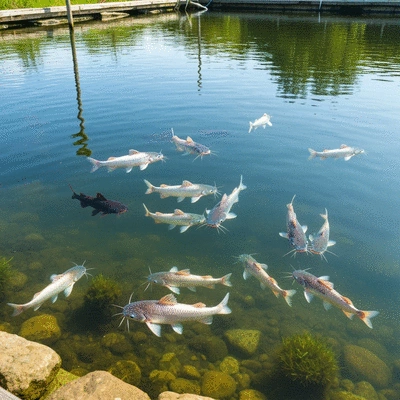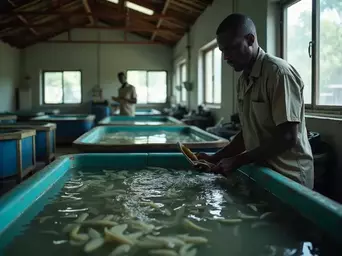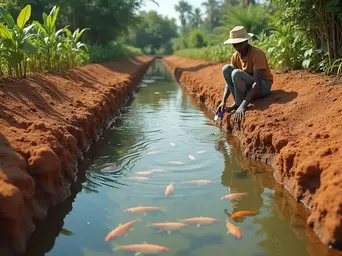
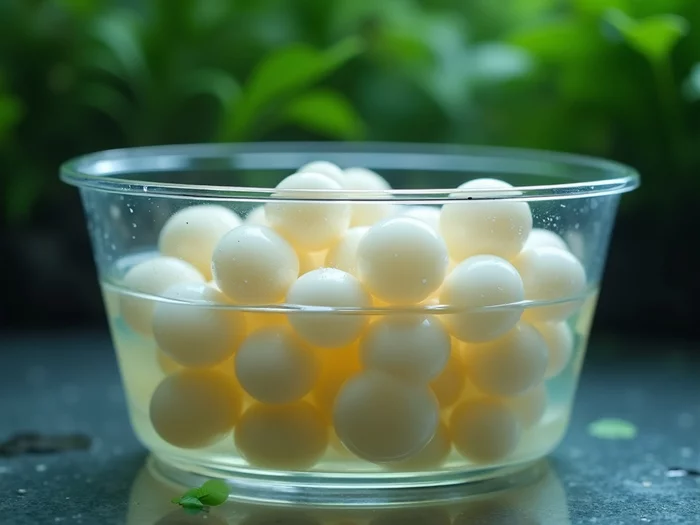
Optimal Environmental Conditions
- ●
Water Temperature: 25°C to 30°C
- ●
Dissolved Oxygen: At least 5 mg/L
- ●
Water Quality: pH 6.5-8, low ammonia
Posted on: 2025-10-23
By: Yomi Adisa
Successful African catfish breeding hinges on strategic techniques and optimal environmental conditions, as highlighted in the comparisons below. For more insights into optimizing your breeding practices, consider exploring a detailed guide to African catfish propagation.
As a catfish farmer in Africa, understanding the induction of spawning is crucial to the success of your fish farming business. The African catfish, scientifically known as Clarias gariepinus, is renowned for its fast growth and adaptability to various conditions. Knowing how to induce spawning effectively can significantly enhance your production rates and ensure a steady supply of stock for your farm.
This species thrives in diverse environments, making it an excellent candidate for aquaculture. With my experience, I've seen firsthand how proper techniques can transform the spawning process, leading to healthier fry and ultimately, a more profitable enterprise.
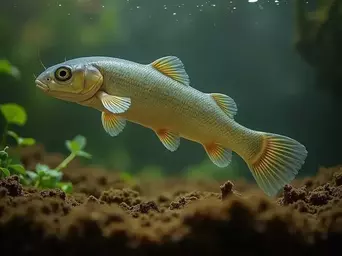
Clarias gariepinus is a freshwater fish that is native to Africa and has become a favorite among aquaculturists due to its hardiness. This species can grow in varying temperatures and salinities, making it suitable for many farming situations. Here are some notable characteristics:
By understanding the biology and behavior of this species, we can better manage their breeding and farming practices for increased success. It's essential to tailor our approaches to their specific needs, particularly during the spawning season.
Inducing spawning in Clarias gariepinus is vital for several reasons. First and foremost, it allows farmers to control breeding cycles, ensuring a consistent supply of fingerlings. This control can lead to enhanced productivity and profitability for your farm. Additionally, by managing spawning, we can select for favorable traits, which can lead to stronger stocks over time.
When I first started African Catfish Farming, I quickly learned how crucial it was to have a reliable spawning technique. The ability to induce spawning effectively means more fish to feed our communities and improve local food security. For further reading on selecting the best breeding stock, explore broodstock selection in catfish breeding.
The ideal spawning season for African catfish typically occurs during the warmer months, often coinciding with the rainy season in many regions. During this time, the environmental conditions, such as water temperature and quality, play a pivotal role in successful spawning. Here are some key factors:
Ensuring these conditions are met not only enhances the likelihood of spawning but also contributes to the overall health of your fish. I've often emphasized the importance of regular monitoring; keeping a close eye on these factors can make all the difference in your farm's success.
To maximize your success during the spawning season, consider implementing a gradual increase in water temperature. This mimics the natural conditions that trigger spawning in African catfish. Additionally, ensure that the breeding environment is enriched with appropriate nesting materials to encourage natural spawning behavior.
When it comes to raising African catfish, knowing how to effectively induce spawning is crucial for any fish farmer. I’ve seen many farmers struggle with this, but with the right techniques, you can ensure a successful breeding season. Here, I’ll walk you through the most effective methods for inducing spawning in your catfish.
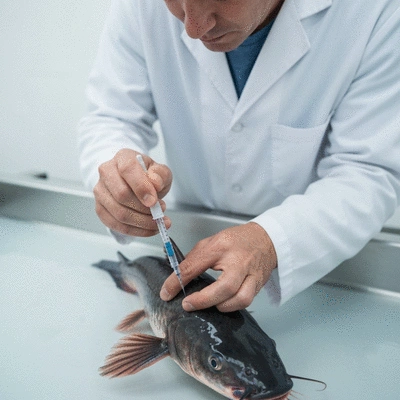
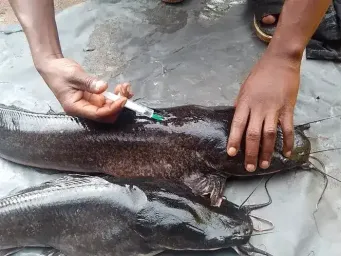
First off, let’s explore hormone treatments. These treatments can significantly improve your spawning success rates. By understanding the various approaches, you can choose one that best fits your farming setup.
Using hormone treatments is one of the most effective ways to stimulate spawning in Clarias gariepinus. Here’s a straightforward list of best practices to follow:
These treatments can significantly increase the likelihood of successful spawning. From my experience, adhering to these practices has helped many farmers achieve remarkable results.
Besides hormones, certain environmental conditions can also trigger spawning. Here are some techniques you might find useful:
By combining these techniques with hormone treatments, I've noticed a significant improvement in spawning success among catfish farmers I’ve worked with. It’s all about finding the right balance! Further details on maintaining optimal conditions can be found in our guide on maintaining water quality for catfish.
If you’re a small-scale farmer, not all techniques require complex setups. Here are a few simple yet effective methods:
These methods can be quite effective without needing extensive resources. I’ve seen small farmers thrive using these practical approaches, proving that with the right knowledge, success is attainable!
Here are some common questions farmers have about inducing spawning in African Catfish:
Here is a quick recap of the important points discussed in the article:
Yomi Adisa Lead Researcher
Yomi Adisa is the lead researcher at Fish Farming Business, where he studies what makes aquaculture ventures profitable across Africa. His research focuses on market patterns, buyer preferences, and the business decisions that determine success or failure in fish farming.
FREE guides, tools & resources to help you run a more profitable fish farming business.