
Catfish Basics
Catfish farming dominates African aquaculture for good reasons—rapid growth, market demand, and adaptability to local conditions. But jumping into production without understanding catfish biology leads to preventable losses. The farmers who succeed are those who understand their fish before they stock their first pond.
This section gives you the foundational knowledge every catfish farmer needs—from understanding African catfish biology and behaviour to recognising the growth patterns and environmental requirements that determine production success.
You'll learn about temperature tolerances, feeding behaviour, oxygen requirements, and the biological characteristics that make Clarias gariepinus and other African catfish species ideal for commercial farming. Build this foundation first, and your decisions on stocking density, feeding programmes, and water management will be grounded in understanding rather than guesswork
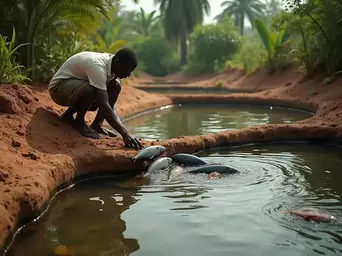
Exploring Catfish Feeding Behavior and Their Nutritional Needs
Are you aware that understanding catfish feeding behaviour could significantly impact your aquaculture venture? Ignoring the...
read more →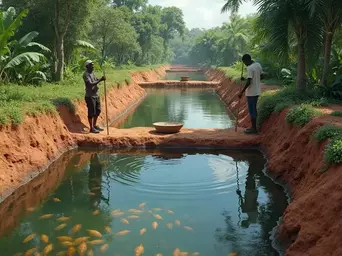
Oxygen Requirements: How Catfish Thrive in Low-Oxygen Waters
As a fish farmer, you may have noticed that your catfish thrive even in waters where oxygen levels are alarmingly...
read more →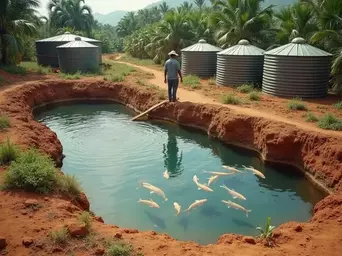
Exploring Catfish Reproductive Biology: Unraveling Breeding Behavior
If you're involved in catfish farming, you might find yourself grappling with the complexities of breeding behaviour. Many farmers overlook...
read more →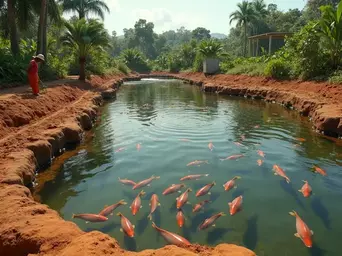
Understanding Temperature Needs and Seasons in Catfish Farming
You walk to your pond at dawn and notice something's wrong. Your catfish are gasping at the surface, moving sluggishly,...
read more →Categories
Recent Posts
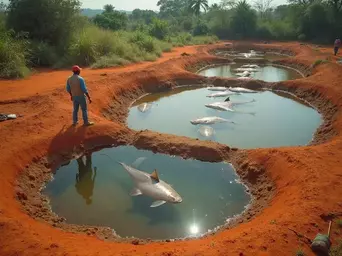 Protecting Catfish Ponds from Birds and Theft: Practical Steps
You've carefully stocked your ponds with healthy f
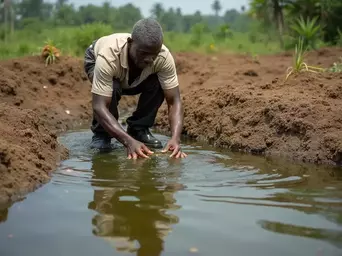 How to Install Monk Structures for Effective Catfish Pond Water Control
You've built your catfish ponds and stocked them w
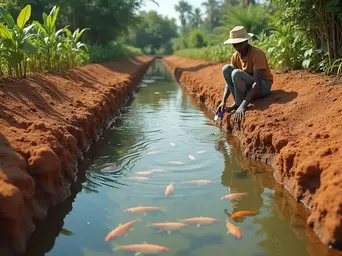 Understanding Catfish Stress Responses and Their Adaptations
As a catfish farmer, you may find yourself focusin
