Fungal Infections in African Catfish: Identification and Effective Treatment Guide
Posted on: 2025-10-06
By: Yomi Adisa
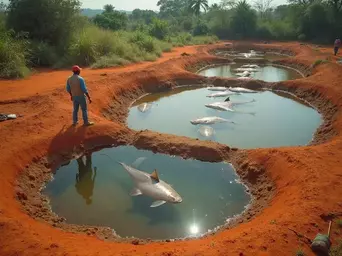
You've been monitoring your catfish ponds diligently, maintaining feeding schedules, and ensuring proper water circulation. Then one morning, you notice several fish floating at the surface with cotton-like growths covering their bodies, and mortality rates begin climbing unexpectedly. This scenario plays out across catfish farms from Nigeria to Kenya, where fungal infections can devastate entire stocks within days if not properly identified and treated.
Fungal infections represent one of the most common yet preventable causes of catfish mortality in African aquaculture. These opportunistic pathogens thrive in conditions that many farmers unknowingly create through poor water management, overcrowding, or inadequate biosecurity measures.
This comprehensive guide provides you with the technical knowledge needed to identify fungal infections early, implement effective treatment protocols, and establish prevention strategies specifically for African catfish (Clarias gariepinus). You'll learn to recognise the visual symptoms of different fungal pathogens, master salt bath treatment procedures for various life stages, and understand how environmental factors contribute to disease outbreaks.
Understanding fungal disease management directly impacts your farm's profitability and sustainability. Early detection and proper treatment can reduce mortality rates from 30-50% down to less than 5%, whilst implementing prevention strategies protects your investment and ensures consistent production cycles throughout the year.
What You Will Learn
- Identify early symptoms of fungal infections in African catfish to act promptly.
- Master effective salt bath treatment protocols tailored for different life stages of catfish.
- Discover key environmental factors that contribute to fungal outbreaks and how to manage them.
- Understand diagnostic techniques for accurate identification of fungal pathogens.
- Implement comprehensive prevention strategies to minimise fungal infection risks in your catfish farm.
Understanding Fungal Infections in African Catfish
Fungal infections in African catfish don't appear overnight—they develop when your pond environment creates the perfect conditions for opportunistic pathogens to attack weakened fish. You might maintain excellent feeding schedules and think your water looks clear, but invisible factors like elevated ammonia levels, temperature fluctuations, or overcrowding stress can compromise your catfish's natural immune defences. Once these defences weaken, fungal spores that naturally exist in pond water quickly colonise damaged tissue and spread throughout your stock.
The challenge with fungal infections lies in their rapid progression and high mortality rates if left untreated. What starts as a small white patch on one fish can spread to dozens within 48-72 hours, particularly in the warm, humid conditions common across Nigeria, Ghana, and Kenya. African catfish (Clarias gariepinus) are naturally hardy, but even they cannot withstand severe fungal attacks without proper intervention.
Understanding the root causes and recognising early symptoms gives you the knowledge to act decisively before losing significant portions of your stock. The following sections will help you identify the environmental triggers and pathogen characteristics that lead to fungal outbreaks in your catfish operation.
Causes of Fungal Infections
Poor water quality creates the foundation for most fungal outbreaks in catfish ponds across Africa. When dissolved oxygen drops below 4mg/L—common during hot afternoons in Lagos or Kampala—your catfish become stressed and their mucus layer thins, providing entry points for fungal spores. Ammonia levels above 0.5mg/L burn gill tissue, whilst pH swings beyond 6.5-8.5 further weaken their immune response.
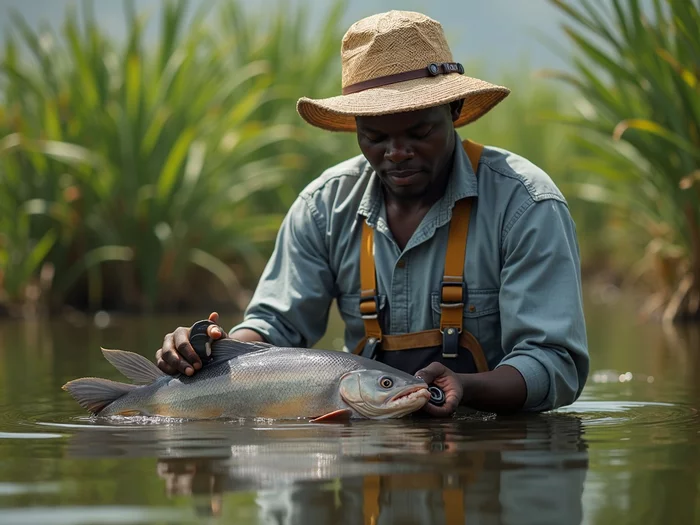
Temperature fluctuations stress African catfish more than most farmers realise, particularly during seasonal transitions. When pond temperatures vary more than 3°C within 24 hours, your fish expend energy regulating their metabolism instead of maintaining disease resistance. In earthen ponds common throughout Ghana and Nigeria, shallow areas heat rapidly during the day and cool quickly at night, creating these harmful temperature swings.
Overcrowding amplifies every other stress factor whilst creating ideal conditions for disease transmission. You should stock no more than 100-150 fingerlings per square metre in earthen ponds, yet many farmers in Kenya and Uganda exceed 200 per square metre to maximise short-term profits. This overcrowding reduces oxygen availability, increases waste accumulation, and ensures that fungal infections spread rapidly through physical contact between stressed fish.
Poor nutrition weakens your catfish's ability to fight off infections before they establish. Feeding frequency and catfish health directly correlate, as feeding low-protein pellets (below 35% crude protein) or storing feed in humid conditions where it develops mould compromises their immune system. Many farmers in rural Nigeria purchase cheap, expired feeds that lack essential vitamins and minerals, leaving their catfish vulnerable to opportunistic pathogens.
Common Fungal Pathogens and Their Symptoms
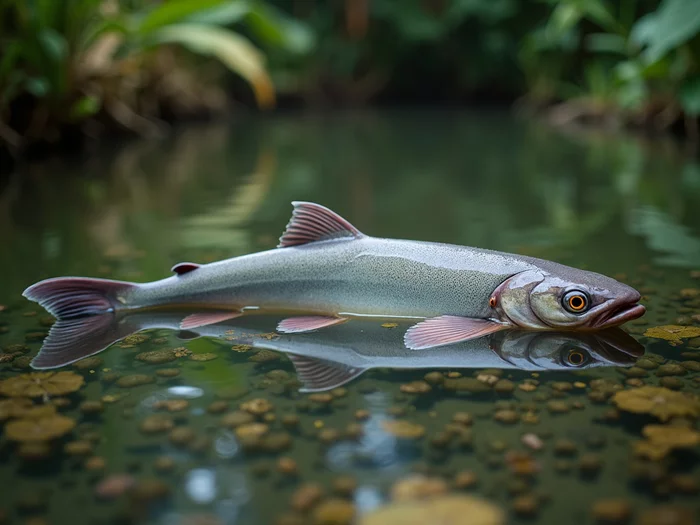
Saprolegnia species represent the most common fungal threat to African catfish, appearing as cotton-like white or grey growths on fins, gills, and body surfaces. You'll first notice these infections as small, fuzzy patches that rapidly expand to cover large areas of skin, particularly around wounds or areas where scales have been damaged. Infected catfish often develop secondary bacterial infections at the sites where fungal hyphae penetrate tissue.
Fusarium infections typically affect catfish through contaminated feed or pond sediment, causing internal organ damage that's harder to detect early. You might notice affected fish becoming lethargic, refusing food, and developing a darkened colouration before external symptoms appear. These infections often prove fatal because they damage liver and kidney function before you recognise the problem.
Aspergillus species commonly develop in poorly stored feeds and can cause both external lesions and internal infections when consumed. You'll see infected catfish displaying erratic swimming behaviour, gasping at the surface despite adequate oxygen levels, and developing raised, discoloured patches on their skin. In severe cases, affected fish develop swollen abdomens and may float at unusual angles.
Behavioural changes often provide the earliest warning signs of fungal infections in your catfish stock. Infected fish typically isolate themselves from the group, hanging motionless near pond edges or floating just below the surface. You might notice reduced feeding response during normal feeding times, with affected fish showing little interest in pellets they would normally consume eagerly. As infections progress, catfish may exhibit spinning or erratic swimming patterns, particularly when disturbed.
Identification of Fungal Infections
Accurate identification of fungal infections separates successful catfish farmers from those who lose entire stocks to misdiagnosed diseases. You cannot treat what you cannot properly identify, and the visual symptoms of fungal infections often overlap with bacterial diseases, parasitic infestations, or even nutritional deficiencies. Many farmers across Nigeria and Kenya waste valuable time and money applying incorrect treatments because they rely solely on external appearance without understanding the diagnostic process.
Early identification becomes critical when you consider that fungal infections can spread through your entire pond within 72 hours under optimal conditions. The difference between catching an infection on day one versus day three often determines whether you lose 5% of your stock or 50%. African catfish (Clarias gariepinus) show specific behavioural and physical changes that experienced farmers learn to recognise immediately.
The following diagnostic methods provide you with reliable tools to confirm fungal infections quickly and accurately. You'll learn both field-based identification techniques that require no special equipment and laboratory methods that provide definitive confirmation when dealing with valuable breeding stock or recurring disease problems.
Diagnostic Methods
Visual examination remains your first and most practical diagnostic tool for identifying fungal infections in catfish. You should inspect your fish during morning feeding when they're most active, looking for cotton-like growths, discoloured patches, or unusual swimming behaviour. Hold suspected infected fish gently but firmly, examining fins, gills, and body surfaces under good lighting—early morning sunlight works better than artificial lighting for detecting subtle colour changes.
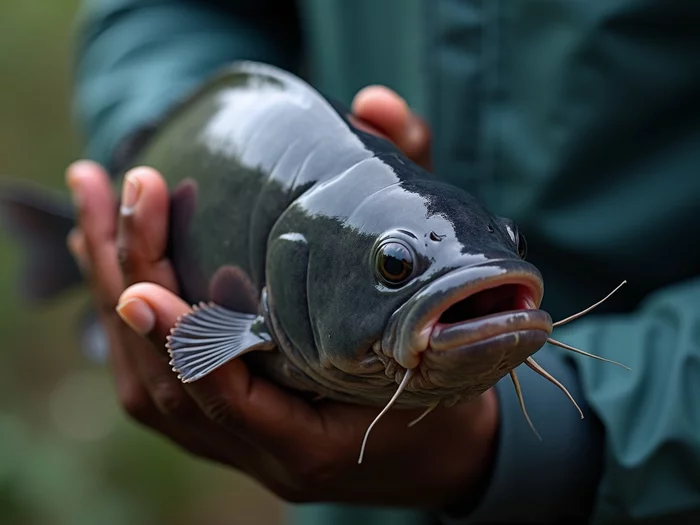
Microscopic examination provides definitive identification when visual symptoms aren't conclusive. You can prepare simple wet mounts by scraping affected tissue with a clean blade and placing the sample on a glass slide with a drop of pond water. Under 100x magnification, fungal hyphae appear as branching, thread-like structures that distinguish them from bacterial infections. Many agricultural extension offices in Ghana and Uganda provide microscope access for farmers who cannot afford their own equipment.
Culture tests offer the most accurate identification method, particularly when dealing with internal fungal infections that show few external symptoms. You collect tissue samples from affected areas using sterile techniques and place them on potato dextrose agar plates. Fungal colonies typically develop within 3-5 days at room temperature, showing characteristic colours and growth patterns that help identify specific species. This method proves essential when selecting targeted treatments for valuable breeding stock.
Field diagnostic kits designed for aquaculture provide rapid results without laboratory equipment. These kits test for common fungal metabolites in water samples or tissue extracts, giving you results within 15-30 minutes. Whilst more expensive than visual examination (₦2,500-5,000 per test in Nigeria), they prove cost-effective when dealing with high-value fish or when early intervention can prevent major losses.
Water quality testing supports your diagnostic process by identifying environmental conditions that favour fungal growth. You should measure dissolved oxygen, ammonia, nitrite, and pH levels when fungal infections appear, as these parameters often reveal the underlying causes. Maintaining water quality for catfish requires dissolved oxygen below 4mg/L, ammonia above 0.5mg/L, or pH outside the 6.5-8.5 range creates stress conditions that make fungal infections more likely and severe.
Importance of Early Identification for Effective Treatment
Early identification of fungal infections dramatically improves treatment success rates and reduces overall mortality in your catfish operation. When you catch infections within the first 24-48 hours, simple salt bath treatments achieve 85-95% cure rates, compared to 40-60% success rates when treatment begins after day three. This timing difference often determines whether you face minor losses or catastrophic stock mortality that threatens your farm's viability.
The economic impact of early versus late identification becomes clear when you calculate treatment costs and lost production. Early intervention typically costs ₦50-100 per affected fish in Nigeria through salt treatments, whilst advanced infections requiring antibiotic therapy can cost ₦300-500 per fish with lower success rates. Additionally, early treatment prevents healthy fish from becoming infected, protecting your entire stock investment.
Behavioural changes often provide the earliest warning signs before visible symptoms appear on your catfish. You should watch for fish that separate from the group, show reduced feeding response, or display unusual swimming patterns during your regular pond inspections. African catfish naturally school together, so isolated individuals often indicate health problems that require immediate investigation.
Establishing a systematic inspection routine helps you identify problems before they become critical. You should examine at least 10% of your stock daily during feeding times, rotating through different areas of your pond to ensure comprehensive coverage. Record any unusual observations in a simple logbook, noting date, location, symptoms, and environmental conditions. This documentation helps you identify patterns and improve your diagnostic accuracy over time.
Training your farm workers to recognise early symptoms multiplies your diagnostic capacity, particularly on larger operations in Kenya or Ghana where you cannot personally inspect every pond daily. Teach them to identify key warning signs like cotton-like growths, colour changes, or behavioural abnormalities, and establish clear protocols for reporting suspected infections immediately. Quick communication between workers and management often makes the difference between minor treatment costs and major stock losses.
Effective Treatment Protocols
When fungal infections strike your catfish operation, swift and appropriate treatment determines whether you face minor losses or catastrophic mortality rates. You cannot afford to experiment with unproven remedies or delay treatment whilst infections spread through your stock—every hour counts when dealing with aggressive fungal pathogens in the warm African climate. The treatment protocols outlined here have proven effective across thousands of catfish farms from Nigeria to Kenya, providing you with reliable methods to save infected fish and prevent further spread.
Successful treatment requires matching the right method to your specific situation, considering factors like infection severity, fish size, available resources, and environmental conditions. A mild Saprolegnia infection on adult catfish responds well to salt baths, whilst severe systemic infections may require antibiotic intervention combined with improved water management. Understanding these treatment options and their proper application gives you the tools to respond effectively to any fungal outbreak.
The key to treatment success lies in acting quickly whilst maintaining proper dosages and monitoring procedures. Under-dosing allows infections to persist and develop resistance, whilst over-dosing can stress or kill your catfish. The following protocols provide you with precise guidelines for implementing each treatment method safely and effectively.
Treatment Options Overview
Salt bath treatments represent your most practical and cost-effective option for treating fungal infections in African catfish. You can purchase quality salt for ₦200-400 per kilogram in most Nigerian markets, making this treatment affordable even for small-scale operations. Salt creates an osmotic environment that dehydrates fungal cells whilst stimulating mucus production in your catfish, helping them heal damaged tissue naturally.
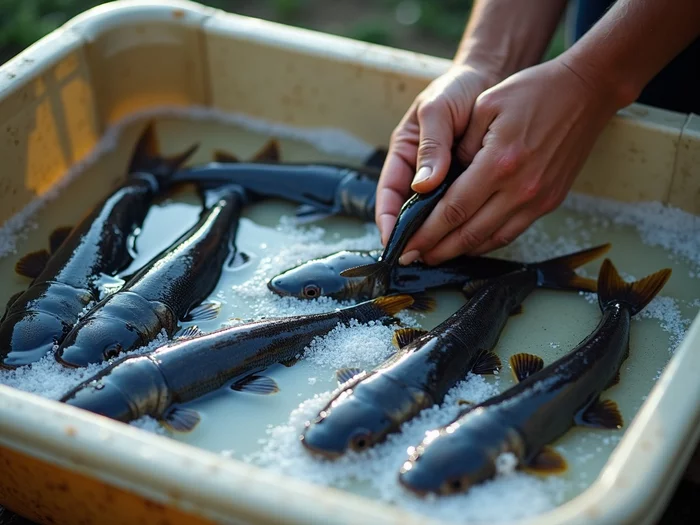
Antibiotic treatments become necessary when dealing with severe infections or when salt baths prove insufficient after 3-4 days of treatment. Metronidazole works effectively against internal fungal infections at doses of 50-100mg per kilogram of fish body weight, administered through medicated feed for 5-7 days. Furazolidone provides broader spectrum coverage at 2-5mg per litre of water, though it requires careful handling due to its toxicity to humans.
Natural remedies offer sustainable alternatives that many farmers in Ghana and Uganda use successfully for mild infections. Garlic extract contains allicin compounds that demonstrate antifungal properties when added to feed at 2-3% of total weight. Neem leaf extract, prepared by boiling 100g of fresh leaves per litre of water, can be added to ponds at 10ml per litre for mild external infections.
Combination treatments often prove most effective for severe infections, using salt baths to address external symptoms whilst administering antibiotics for systemic infections. You might start with a 1% salt bath for 20 minutes, followed by medicated feed containing metronidazole for internal treatment. This approach addresses both external fungal growth and internal organ damage that may have occurred.
Salt Bath Treatment Guidelines
Preparing effective salt baths requires precise measurements and proper timing to achieve therapeutic benefits without stressing your catfish. You should use non-iodised salt (cooking salt works well) mixed with clean water at temperatures matching your pond water within 1-2°C. Dissolve salt completely before introducing fish—undissolved crystals can damage gills and skin tissue.
Concentration levels depend on infection severity and fish condition, ranging from 0.5% for mild infections to 3% for severe cases. For mild external infections, prepare a 0.5-1% solution (5-10g salt per litre of water) and immerse affected fish for 10-15 minutes. Moderate infections require 1.5-2% solutions (15-20g per litre) for 5-10 minutes, whilst severe infections may need 2.5-3% solutions (25-30g per litre) for 3-5 minutes maximum.
Monitor your catfish closely during salt bath treatments, watching for signs of distress like rapid gill movement, loss of balance, or attempts to jump from the treatment container. Healthy African catfish should remain relatively calm during treatment, though they may show initial stress responses. If fish display severe distress, immediately transfer them to clean water and reduce concentration for subsequent treatments.
Treatment frequency depends on infection progression and fish response, typically requiring daily treatments for 3-5 days until symptoms resolve. You should see improvement within 24-48 hours of starting treatment—cotton-like growths begin shrinking and fish show increased activity levels. Continue treatments for 1-2 days after visible symptoms disappear to ensure complete elimination of fungal organisms.
Pro Tip: Salt Bath Success
Always prepare salt baths in separate containers rather than treating fish directly in ponds. This allows precise control over concentration and timing whilst preventing salt buildup that could harm beneficial bacteria in your pond ecosystem.
Life-Stage Specific Management
Different life stages of African catfish require carefully adapted treatment protocols because their physiology, stress tolerance, and handling requirements vary significantly. What works safely for adult catfish can prove fatal for delicate fry, whilst treatments that effectively cure fingerlings may prove insufficient for larger fish with established infections. Understanding these differences prevents treatment failures and reduces mortality rates across all age groups in your operation.
The surface area to body weight ratio changes dramatically as catfish grow, affecting how quickly they absorb treatments and how rapidly they can become stressed during handling. Fry have proportionally larger surface areas and thinner skin, making them more susceptible to osmotic shock from salt treatments but also allowing faster absorption of therapeutic compounds. Adult fish require longer exposure times but can tolerate higher concentrations and more intensive handling procedures.
Successful life-stage management also considers the different environments where each age group lives and the practical constraints of treating them effectively. Fry in nursery tanks allow for precise treatment control, whilst adult fish in large earthen ponds may require modified approaches that account for water volume and handling limitations.
Fry Management
Treating fungal infections in catfish fry requires extreme gentleness and precise timing because their delicate physiology cannot withstand the stress levels that older fish tolerate. You should use very mild salt concentrations (0.3-0.5%) for extremely short periods (2-5 minutes maximum) to avoid osmotic shock that can kill fry faster than the fungal infection itself. Prepare treatment baths at exactly the same temperature as your nursery tanks to minimise thermal stress during transfer.
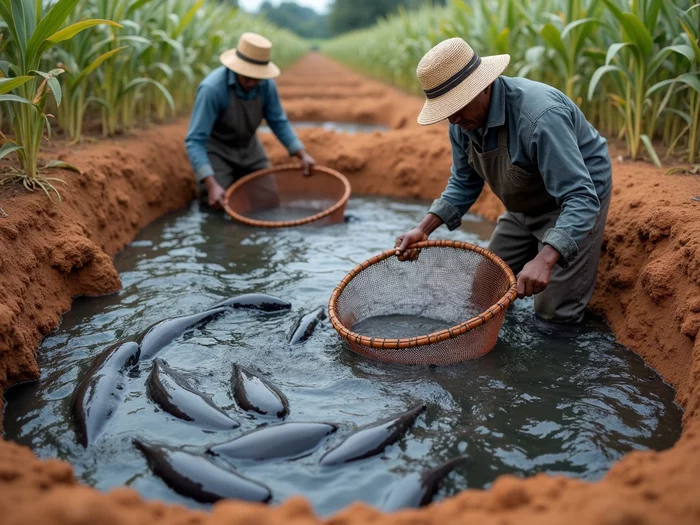
Handling fry during treatment requires soft mesh nets and shallow containers that allow easy observation without crowding. You should treat small batches of 20-30 fry at a time rather than attempting to treat entire populations simultaneously. This approach allows you to monitor each batch closely and remove any fry showing distress immediately.
Prevention becomes more critical than treatment for fry because their limited stress tolerance makes successful treatment challenging. You should maintain excellent water quality in nursery tanks with dissolved oxygen above 6mg/L, ammonia below 0.25mg/L, and stable temperatures within 1°C variation. Clean, well-aerated water with regular partial water changes (10-15% daily) prevents most fungal problems in fry populations.
Recovery monitoring for treated fry requires careful observation for 24-48 hours after treatment, watching for delayed stress responses that may not appear immediately. Healthy fry should resume normal swimming and feeding behaviour within 2-4 hours of treatment. Any fry showing continued lethargy, loss of balance, or reduced feeding response should be isolated and may require euthanasia to prevent suffering and protect healthy stock.
Fingerling and Adult Fish Management
Fingerling catfish (5-15cm length) tolerate more intensive treatments than fry whilst still requiring careful monitoring during procedures. You can use salt concentrations of 1-2% for 15-30 minutes, depending on infection severity and fish condition. Fingerlings respond well to daily treatments for 3-4 days, showing visible improvement within 24-48 hours when treatment begins early in the infection process.
Adult catfish (above 15cm length) can withstand the most intensive treatment protocols, including salt concentrations up to 3% for short periods or 1-1.5% for extended treatments up to 60 minutes. Their robust physiology allows for combination treatments using salt baths followed by medicated feed, providing comprehensive coverage for both external and internal infections. You should still monitor adults closely, as stress from handling and treatment can compromise their immune response.
Handling procedures for larger fish require proper restraint techniques to prevent injury to both fish and handlers. You should use appropriate-sized nets and containers that allow fish to remain submerged during treatment whilst preventing jumping or thrashing that could cause additional wounds. Adult catfish have strong muscles and sharp fin spines that can inflict painful injuries if handled carelessly.
Recovery assessment for fingerlings and adults involves monitoring feeding response, swimming behaviour, and social interactions within your pond system. Preventing bacterial infections in catfish requires healthy fish to resume normal feeding within 4-6 hours of treatment and show improved activity levels within 12-24 hours. You can safely return treated fish to main ponds once they demonstrate normal behaviour and show no signs of continued infection for 24-48 hours.
Prevention Strategies
Preventing fungal infections proves far more cost-effective and less stressful than treating established outbreaks in your catfish operation. You can spend ₦10,000-20,000 implementing comprehensive prevention measures that protect your entire stock, compared to ₦50,000-100,000 treating a major fungal outbreak that may still result in significant mortality. Prevention strategies focus on eliminating the environmental conditions that allow fungal pathogens to establish and spread through your catfish population.
Effective prevention requires a systematic approach that addresses water quality management, biosecurity protocols, and environmental hygiene simultaneously. You cannot rely on just one prevention method—fungal spores exist naturally in all aquatic environments, waiting for the right conditions to become pathogenic. Your goal is creating an environment where your African catfish remain healthy and stress-free, maintaining their natural resistance to opportunistic infections.
The prevention strategies outlined below have proven successful across diverse catfish operations throughout Africa, from intensive concrete tank systems in Lagos to extensive earthen pond operations in rural Kenya. Adapting these methods to your specific situation and maintaining consistent implementation provides long-term protection for your investment.
Environmental Management
Water quality management forms the foundation of fungal infection prevention, requiring consistent monitoring and maintenance of key parameters that support catfish health. You should test dissolved oxygen levels twice daily (morning and evening), maintaining levels above 5mg/L throughout your pond system. Install adequate aeration systems that provide 1-2 watts per cubic metre of water volume, ensuring continuous circulation that prevents stratification and oxygen depletion.
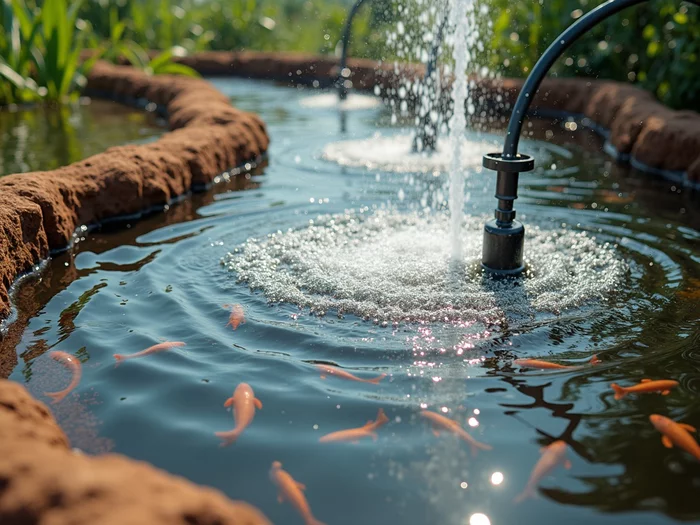
Ammonia and nitrite control requires proper biological filtration and regular water exchanges that remove accumulated waste products. You should maintain ammonia levels below 0.25mg/L and nitrite below 0.5mg/L through weekly water changes of 10-20% in intensive systems. In earthen ponds, ensure adequate bacterial populations by avoiding overuse of antibiotics and maintaining organic matter levels that support beneficial microorganisms.
Temperature stability prevents stress that compromises your catfish's immune response to fungal challenges. You can achieve this through proper pond depth (minimum 1.5 metres), strategic placement of aeration devices, and shading during extreme heat periods. In concrete tanks, insulation or partial underground construction helps buffer temperature fluctuations that stress fish and create conditions favouring fungal growth.
Regular debris removal eliminates organic matter that serves as a nutrient source for fungal growth whilst creating anaerobic conditions that produce toxic compounds. You should remove uneaten feed within 2-3 hours of feeding, clean dead plant material weekly, and maintain pond bottoms free of excessive organic accumulation. This practice reduces fungal spore populations and improves overall water quality.
Biosecurity Measures
Quarantine procedures for new stock prevent introducing fungal pathogens and other diseases into your established catfish population. You should maintain separate quarantine facilities for at least 14-21 days, treating all incoming fish with prophylactic salt baths (0.5% for 15 minutes) before introduction. During quarantine, monitor fish closely for any signs of disease and treat problems before they can spread to your main stock.
Equipment sanitation between ponds and operations prevents cross-contamination that spreads fungal infections throughout your farm. You should disinfect nets, buckets, and other equipment with 10% bleach solution or potassium permanganate (1g per litre) between uses. Allow equipment to dry completely in sunlight when possible, as UV radiation helps destroy fungal spores and other pathogens.
Visitor and worker hygiene protocols reduce the risk of introducing pathogens from external sources. You should provide hand washing stations with soap and disinfectant at pond entrances, require clean boots or boot baths containing disinfectant, and limit unnecessary access to production areas. Workers should use dedicated clothing for farm activities and avoid moving between infected and healthy populations without proper decontamination.
Stock health monitoring through regular inspections allows early detection of problems before they become serious outbreaks. You should examine at least 5-10% of your fish weekly, recording observations in a simple logbook that tracks health trends over time. This systematic approach helps you identify patterns and implement corrective measures before minor problems become major losses.
⚠️ Warning: Biosecurity Lapses
Many farmers unknowingly spread fungal infections by using the same nets and equipment across multiple ponds without disinfection. This single oversight can turn a minor problem in one pond into a farm-wide disaster within days.
Economic Considerations
Understanding the true economic impact of fungal infections helps you make informed decisions about prevention investments and treatment protocols for your catfish operation. Many farmers focus only on immediate treatment costs without considering the broader financial implications of mortality, reduced growth rates, delayed harvest schedules, and market price impacts. A comprehensive economic analysis reveals that prevention strategies typically provide 3-5 times better return on investment than reactive treatment approaches.
The hidden costs of fungal infections extend far beyond obvious mortality losses, affecting your operation's profitability through reduced feed conversion efficiency, extended production cycles, and increased labour requirements for treatment and monitoring. Fish that survive infections often show permanent growth reductions of 15-25%, requiring additional feeding time and resources to reach market size. These factors compound over multiple production cycles, significantly impacting your farm's long-term viability.
Accurate cost-benefit analysis requires tracking both direct expenses (treatments, medications, labour) and indirect losses (reduced productivity, delayed sales, reputation damage) to understand the true financial impact of fungal disease management. This information guides your decision-making process for prevention investments and helps justify expenditures that may seem expensive initially but provide substantial long-term savings.
Prevention costs typically range from ₦15,000-30,000 per hectare annually in Nigeria for comprehensive water quality management, biosecurity measures, and monitoring systems. Treatment costs for established infections can reach ₦100,000-200,000 per hectare when including mortality losses, medication expenses, and extended production cycles. These figures demonstrate the clear economic advantage of investing in prevention rather than relying on treatment after problems develop.
Market timing considerations affect the economic impact of fungal infections, particularly when outbreaks occur near planned harvest dates. Delaying harvest by 4-6 weeks due to treatment and recovery can shift your sales from peak price periods (December-January in Nigeria) to lower-demand periods, reducing revenue by 20-30% per kilogram. This timing impact often exceeds the direct costs of mortality and treatment, making prevention even more economically attractive.
Insurance and risk management strategies help protect your investment against catastrophic losses from fungal outbreaks, though coverage options remain limited in many African countries. You should explore available aquaculture insurance products whilst maintaining emergency funds equivalent to 10-15% of your stock value to cover unexpected treatment costs and temporary income losses during recovery periods.
Recovery and Long-term Management
Successful recovery from fungal infections requires careful post-treatment monitoring and gradual reintegration of treated fish into your main production system. You cannot simply assume that fish are fully recovered once visible symptoms disappear—internal damage may persist, and stress from treatment can leave fish vulnerable to secondary infections for several weeks. Proper recovery management ensures that treated fish regain full health and productivity whilst preventing reinfection that could trigger new outbreaks.
Long-term management strategies focus on building systemic resistance to fungal infections through improved genetics, enhanced nutrition, and optimised environmental conditions. These approaches reduce your reliance on treatments whilst improving overall production efficiency and profitability. Successful long-term management requires patience and consistent implementation, as benefits often take 2-3 production cycles to become fully apparent.
The recovery and management protocols outlined below help you transition from crisis response to sustainable production practices that minimise future fungal infection risks. These strategies have proven effective across diverse African catfish operations, providing frameworks you can adapt to your specific circumstances and production goals.
Post-Treatment Care
Monitoring recovered fish requires systematic observation for at least 7-14 days after treatment completion to ensure full recovery and detect any delayed complications. You should observe treated fish in separate recovery tanks or designated pond areas, watching for normal feeding behaviour, active swimming patterns, and social interactions with other fish. Healthy recovered catfish should show appetite within 4-6 hours of treatment completion and resume normal activity levels within 24-48 hours.
Nutritional support during recovery helps treated fish rebuild damaged tissue and restore immune function compromised by infection and treatment stress. You should provide high-quality feed with elevated protein content (40-45% crude protein) and supplement with vitamins C and E that support tissue repair and immune response. Feeding smaller, more frequent meals (3-4 times daily) improves digestibility and reduces waste that could trigger new infections.
Water quality maintenance becomes even more critical during recovery periods because treated fish remain more susceptible to environmental stress and secondary infections. You should maintain dissolved oxygen above 6mg/L, keep ammonia below 0.1mg/L, and ensure stable temperatures within 1-2°C variation. Increased water exchange rates (15-20% daily) help remove metabolic wastes and maintain optimal conditions for healing.
Reintegration protocols ensure that recovered fish can safely return to main production areas without triggering new outbreaks or experiencing additional stress. You should gradually acclimate recovered fish to main pond conditions over 2-3 days, monitoring for any signs of stress or disease recurrence. Only fish showing completely normal behaviour and no visible symptoms for at least 48 hours should be returned to main populations.
Integrating Fungal Resistance into Breeding Programs
Selective breeding for fungal resistance provides long-term protection that reduces treatment needs and improves overall farm productivity. You should identify and retain breeding stock that demonstrate natural resistance to fungal infections, particularly fish that remain healthy during outbreaks or recover quickly from treatments. These resistant individuals often carry genetic traits that enhance immune function and stress tolerance in their offspring.
Breeding programme implementation requires maintaining detailed health records for all breeding candidates, tracking their performance during disease challenges and environmental stress periods. You should select breeding stock based on multiple criteria including growth rate, survival rate during disease outbreaks, and overall health status rather than focusing solely on size or appearance. This comprehensive approach develops well-rounded genetics that perform consistently under various conditions.
Genetic diversity maintenance prevents inbreeding depression that can compromise disease resistance and overall fitness in your catfish stock. You should introduce new breeding lines every 2-3 generations from reputable sources, ensuring that new genetics undergo proper quarantine and health screening before integration. Maintaining at least 3-4 separate breeding lines provides genetic backup and allows continued selection progress.
Local adaptation considerations become important when developing breeding programmes for specific African environments and production systems. Catfish genetics that perform well in intensive concrete tank systems in Lagos may not thrive in extensive earthen pond operations in rural Ghana. You should select and develop breeding lines adapted to your specific climate, water conditions, and management practices for optimal long-term performance.
Performance evaluation of breeding programmes requires tracking disease resistance, growth performance, and survival rates across multiple generations to confirm genetic progress. You should maintain records comparing offspring performance to parent generation benchmarks, documenting improvements in fungal resistance alongside other economically important traits. This data guides future breeding decisions and demonstrates the value of genetic improvement investments.
Implementing comprehensive disease management strategies requires understanding how different aquaculture species respond to similar challenges. While catfish have specific requirements, essential disease prevention and biosecurity in African fish farming principles apply across multiple species and can help you develop more robust prevention protocols for your entire operation.
Successful breeding programmes often benefit from studying disease resistance patterns in related species. Preventing tilapia diseases in ponds reveals similar environmental management principles that can inform your catfish breeding decisions, particularly regarding genetic selection for improved immune function and stress tolerance under African farming conditions.
Summary Table
| Key Points | Details |
|---|---|
| Fungal Infection Symptoms | Cotton-like growths, discolouration, erratic swimming, and isolation behaviour in African catfish (Clarias gariepinus). |
| Optimal Water Conditions | Maintain dissolved oxygen above 5mg/L, ammonia below 0.25mg/L, and pH between 6.5-8.5. |
| Overcrowding Guidelines | Stock no more than 100-150 fingerlings per square metre to reduce stress and disease transmission. |
| Salt Bath Treatment | Use 0.5-3% salt concentrations for 3-60 minutes depending on infection severity; monitor closely for stress. |
| Antibiotic Protocol | For severe infections, use Metronidazole (50-100mg/kg) or Furazolidone (2-5mg/L). |
| Early Identification Importance | Identifying infections within 24-48 hours can reduce mortality from 30-50% to less than 5%. |
| Fry Treatment | Use 0.3-0.5% salt for 2-5 minutes; maintain stable water quality with oxygen above 6mg/L. |
| Recovery Monitoring | Observe treated fish for 7-14 days, ensuring re-acclimation and monitoring for stress and feeding behaviour. |
| Cost-Benefit Analysis | Prevention costs (₦10,000-20,000) are significantly lower than treatment costs (₦50,000-100,000) for outbreaks. |
| Biosecurity Measures | Implement quarantine for new stock, disinfect equipment, and enforce strict hygiene protocols to prevent disease spread. |
Conclusion
Successful fungal infection management in your catfish operation depends on three key principles: early detection through daily monitoring, swift treatment with appropriate protocols, and consistent prevention measures. By recognising the early warning signs like cotton-like growths and behavioural changes, you can implement salt bath treatments that achieve 85-95% success rates when started within 48 hours. Prevention through proper water quality management, biosecurity protocols, and environmental hygiene proves far more cost-effective than treating established infections.
You now have the technical knowledge to protect your African catfish from fungal diseases that devastate many operations across Nigeria, Ghana, and Kenya. The diagnostic methods, treatment protocols, and prevention strategies outlined here have proven successful on thousands of farms. Implementation takes practice, but you have the foundation to respond confidently when fungal infections threaten your stock.
As you master fungal disease management, consider integrating these practices with improved nutrition programmes and breeding strategies for disease-resistant stock. These complementary approaches work together to build a robust catfish operation that maintains consistent productivity and profitability throughout the year.
Frequently Asked Questions
How can I tell if my African catfish have a fungal infection versus another disease?
Look for cotton-like white or grey growths on their fins, gills, or body, especially around wounds. Other signs include lethargy, refusing food, darkened colouration, or erratic swimming. Microscopic examination of a tissue scrape will definitively show branching, thread-like fungal hyphae.
What water quality parameters most contribute to fungal outbreaks in African catfish ponds?
Poor water quality is a primary cause. Dissolved oxygen levels below 4mg/L, ammonia above 0.5mg/L, or pH outside the 6.5-8.5 range stress your catfish and weaken their immune system, making them highly susceptible to fungal infections.
Can I use salt baths to treat severe internal fungal infections in African catfish?
Salt baths are primarily effective for external fungal infections like Saprolegnia. For severe or internal infections, you may need to combine salt baths with medicated feed containing antibiotics like Metronidazole. A veterinarian or aquaculture specialist can advise on appropriate dosages for internal treatments.
How do treatment concentrations for salt baths differ between catfish fry, fingerlings, and adults?
Catfish fry require very mild solutions (0.3-0.5% for 2-5 minutes) due to their delicacy. Fingerlings can tolerate 1-2% solutions for 15-30 minutes. Adult African catfish are robust and can withstand up to 3% salt solutions for short durations (3-5 minutes) or 1-1.5% for up to 60 minutes.
What are the most important biosecurity measures to prevent fungal infections on my catfish farm?
Implement quarantine for all new stock for 14-21 days, disinfecting equipment like nets and buckets between ponds with solutions like 10% bleach. Ensure proper visitor and worker hygiene, including hand washing and boot baths, to prevent cross-contamination.


Yomi Adisa Lead Researcher
Yomi Adisa is the lead researcher at Fish Farming Business, where he studies what makes aquaculture ventures profitable across Africa. His research focuses on market patterns, buyer preferences, and the business decisions that determine success or failure in fish farming.