Preparing Catfish for Breeding Season: Essential Steps to Maximise Spawning Success
Posted on: 2025-11-04
By: Yomi Adisa
Preparing Catfish for Breeding Season: Essential Steps to Maximise Spawning Success
You've carefully selected your best broodstock, invested in quality feeds for months of conditioning, and now you're staring at your breeding tanks wondering if this spawning season will finally deliver the thousands of healthy fry your farm needs to expand. Last season's disappointing results—poor spawning rates, weak fry, and frustrating losses—still sting, and you can't afford another failed breeding cycle that sets your operation back months.
📑 Table of Contents
Successful catfish breeding isn't about luck or hoping your fish will spawn naturally when conditions seem right. It's a precise science that separates profitable hatchery operations from those struggling with inconsistent results and mounting losses. A well-executed breeding programme can produce 3,000-5,000 viable fry per kilogram of female broodstock with survival rates exceeding 80%, whilst poor preparation leads to spawning failures, deformed fry, and the financial devastation of wasted time and resources.
In Nigeria's competitive fingerling market, where quality fry sell for 8-15 naira each, the difference between breeding success and failure directly determines whether your farm grows or struggles to survive. This comprehensive guide provides you with the complete technical roadmap for maximising your catfish breeding success. You'll learn the precise 4-6 week preparation timeline, optimal broodstock conditioning protocols, water quality management systems, hormone induction techniques, and post-spawning fry management strategies that consistently produce high-quality results.
🎯 What You'll Learn
- Understand the essential pre-breeding checklist to ensure optimal tank conditions and broodstock health for successful catfish spawning
- Master hormone induction techniques to precisely control spawning timing and improve fertilisation rates in your breeding programme
- Discover effective post-spawning care practices to enhance fry survival and growth during their critical early development stages
Picture this: you're standing beside your breeding tanks on a warm Lagos morning, watching your carefully selected broodstock swimming healthily in crystal-clear water. After months of preparation, you're about to witness the spawning that could produce thousands of high-quality fry for your next production cycle. This moment represents the culmination of precise planning, careful nutrition management, and meticulous water quality control that separates successful catfish breeders from those who struggle with poor spawning rates and weak fry.
Preparing catfish for breeding season isn't simply about putting male and female fish together and hoping for the best. It's a systematic process that begins 4-6 weeks before spawning and requires your attention to broodstock selection, nutritional conditioning, water quality management, hormone administration, and post-spawning care. Each step builds upon the previous one, creating the optimal conditions for your catfish to produce viable eggs and healthy fry.
Why does this preparation matter so much to your farm's success? A well-executed breeding programme can produce 3,000-5,000 fry per kilogram of female broodstock, with survival rates exceeding 80% when done correctly. Poor preparation, however, leads to spawning failures, deformed fry, high mortality rates, and ultimately, significant financial losses. In Nigeria's competitive aquaculture market, where fingerling prices range from 8-15 naira each, the difference between successful and failed breeding seasons can mean the difference between profit and loss.
Understanding Catfish Breeding Methods
Natural vs. Artificial Breeding
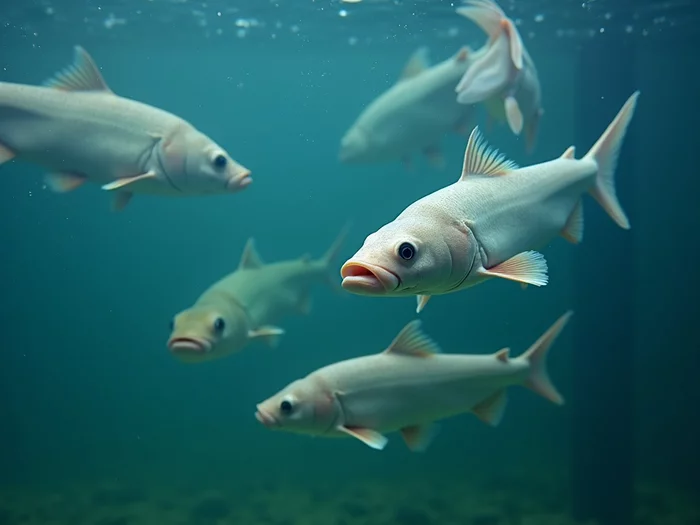
Natural breeding occurs when you allow catfish to spawn without human intervention, relying on environmental triggers like temperature changes, rainfall patterns, and photoperiod to stimulate reproductive behaviour. In natural breeding, you stock mature broodstock in prepared ponds during the rainy season when water temperatures are optimal (26-30°C) and allow them to spawn naturally. The advantages include lower labour requirements, no need for hormone injections, and reduced stress on the fish.
However, natural breeding offers less control over timing, produces variable results, and makes it difficult to predict when spawning will occur. Artificial breeding, particularly hormone-induced spawning, gives you complete control over the breeding process. You inject selected broodstock with hormones to trigger ovulation and spawning at predetermined times, allowing you to plan your breeding schedule precisely.
This method produces more consistent results, enables year-round breeding regardless of season, and allows you to synchronise multiple spawning events. The trade-off is higher technical skill requirements, additional costs for hormones and equipment, and more intensive labour during the spawning process. Most commercial catfish operations in Nigeria use artificial breeding because it provides predictable results essential for business planning.
Breeding Species Overview
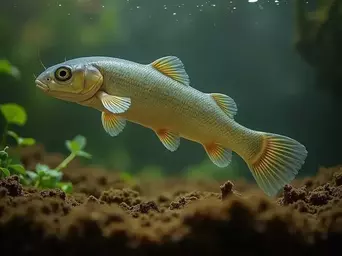
African catfish (Clarias gariepinus) dominates Nigerian aquaculture due to its excellent breeding characteristics and market acceptance. These fish reach sexual maturity at 8-12 months, with females weighing 800-1,200 grams and males 600-800 grams. African catfish respond well to hormone induction, typically producing 3,000-4,000 eggs per kilogram of body weight.
They tolerate a wide range of water conditions, making them ideal for various farming environments across Nigeria's diverse climatic zones. Channel catfish (Ictalurus punctatus), though less common in Nigeria, offer different breeding advantages. They require cooler water temperatures (22-26°C) for optimal spawning and typically breed naturally during the dry season.
Channel catfish produce fewer but larger eggs compared to African catfish, with spawning rates of 2,000-3,000 eggs per kilogram of female body weight. Hybrid varieties, particularly crosses between different Clarias species, combine desirable traits from parent species. These hybrids often exhibit faster growth rates, better disease resistance, and improved feed conversion ratios.
Selecting Broodstock
High-quality broodstock selection forms the foundation of successful catfish breeding. Choose females weighing 1-2 kilograms and males weighing 800-1,500 grams, ensuring all fish are sexually mature and in prime breeding condition. Look for fish with bright, clear eyes, intact fins, smooth skin without lesions or parasites, and active swimming behaviour.
The body should be well-proportioned with a slightly rounded belly in females and a more streamlined appearance in males. Genetic diversity prevents inbreeding and maintains vigour in your breeding programme. Source broodstock from at least three different genetic lines, avoiding fish from the same family groups.
Maintain detailed records of each broodstock's origin, breeding history, and performance to guide future selection decisions. Replace 20-30% of your broodstock annually with new genetic material to prevent genetic bottlenecks. Health assessments should include physical examinations for external parasites, bacterial infections, and structural deformities.
| Method | Advantages | Disadvantages |
|---|---|---|
| Natural Breeding | Lower labour requirements, no hormone injections, reduced stress on fish. | Less control over timing, variable results, unpredictable spawning. |
| Artificial Breeding | Complete control over breeding schedule, consistent results, year-round breeding. | Higher technical skill required, additional costs, intensive labour. |
| Criteria | Description |
|---|---|
| Weight Range for Females | 1-2 kilograms for optimal breeding. |
| Weight Range for Males | 800-1,500 grams for optimal breeding. |
| Physical Indicators | Clear eyes, intact fins, smooth skin, active swimming. |
| Genetic Diversity | Source from at least three different genetic lines. |
Preparation Timeline for Breeding Season
Pre-Breeding Checklist (4-6 weeks before spawning)
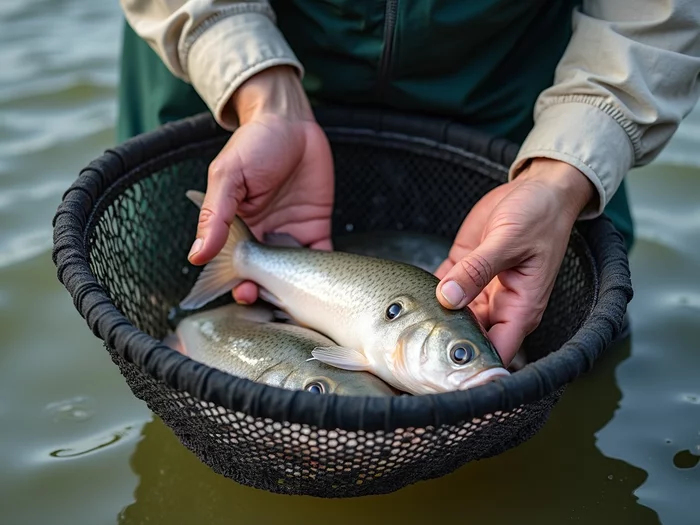
Your breeding preparation begins 4-6 weeks before planned spawning with a comprehensive assessment of your facilities, broodstock condition, and resource availability. Start by thoroughly inspecting all breeding tanks, checking for leaks, cracks, or structural damage that could compromise spawning success. Clean and disinfect tanks using potassium permanganate solution (2-3 grams per litre) or salt solution (3% concentration), allowing tanks to dry completely before refilling with fresh water.
Test your water source quality, ensuring pH levels between 6.5-8.5, dissolved oxygen above 5mg/L, and minimal levels of ammonia and nitrites. If your water source has quality issues, implement treatment systems or identify alternative sources well before spawning season. Install and test all aeration systems, water pumps, and monitoring equipment to prevent equipment failures during critical spawning periods.
Inventory your hormone supplies, ensuring you have sufficient quantities of the appropriate hormones for your planned breeding schedule. Pituitary gland extract requires proper storage at -20°C, whilst synthetic hormones like Ovaprim or Ovatide need refrigeration at 2-8°C. Order supplies early to avoid shortages during peak breeding season when demand is highest.
Breeder Conditioning
Nutritional conditioning significantly impacts spawning success and egg quality. Begin feeding your broodstock a high-protein diet containing 40-45% crude protein, 8-10% crude fat, and essential vitamins and minerals. Commercial broodstock feeds provide optimal nutrition, but you can supplement with fresh fish, earthworms, or specially formulated breeding diets to enhance reproductive performance.
Feed broodstock twice daily at 3-4% of their body weight, adjusting quantities based on water temperature and feeding response. During conditioning, increase feeding frequency to three times daily, providing smaller portions to improve digestion and nutrient utilisation. Monitor feeding behaviour closely, as reduced appetite often indicates stress, disease, or poor water quality.
Supplement the diet with vitamin E (200-400 IU per kilogram of feed) and vitamin C (1,000-2,000mg per kilogram) to improve egg quality and fertility rates. These vitamins enhance reproductive hormone production and improve resistance to spawning stress. Mix supplements thoroughly into feed or use commercial broodstock feeds already fortified with reproductive vitamins.
Monitoring Conditions
Water quality monitoring becomes critical during the conditioning period, as stressed broodstock rarely spawn successfully. Check water temperature daily, maintaining levels between 26-30°C for African catfish and 22-26°C for channel catfish. Use reliable thermometers and consider installing automatic temperature monitoring systems for early warning of temperature fluctuations.
Monitor pH levels twice daily using digital pH metres or reliable test kits. Maintain pH between 7.0-8.0 for optimal breeding conditions. If pH drifts outside this range, adjust gradually using lime to raise pH or organic acids to lower it.
Sudden pH changes stress broodstock and can trigger premature spawning or spawning failures. Dissolved oxygen levels must remain above 5mg/L throughout the conditioning period. Test oxygen levels early morning before feeding when levels are typically lowest.
Tank Setup and Water Quality Management
Tank Preparation
Proper tank preparation creates the optimal environment for spawning success. Begin by draining and thoroughly cleaning all breeding tanks, removing algae, organic debris, and any accumulated sediments. Scrub tank walls and bottoms with stiff brushes, paying particular attention to corners and crevices where bacteria and parasites can hide.
Disinfect tanks using chlorine solution (100-200ppm) or potassium permanganate (2-3 grams per litre), allowing contact time of 24-48 hours before rinsing thoroughly with clean water. Test for chlorine residue using test strips, ensuring complete removal before introducing fish. Some farmers prefer using salt solutions (3-5% concentration) for disinfection, which provides effective sanitisation without chemical residue concerns.
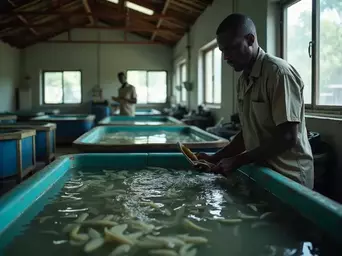
Tank size selection depends on your breeding method and broodstock numbers. For hormone-induced spawning, use tanks of 2-4 cubic metres capacity, allowing 0.5-1 cubic metre per breeding pair. Larger tanks provide better water quality stability but make fish handling more difficult during hormone injection and egg collection.
Water Quality Parameters
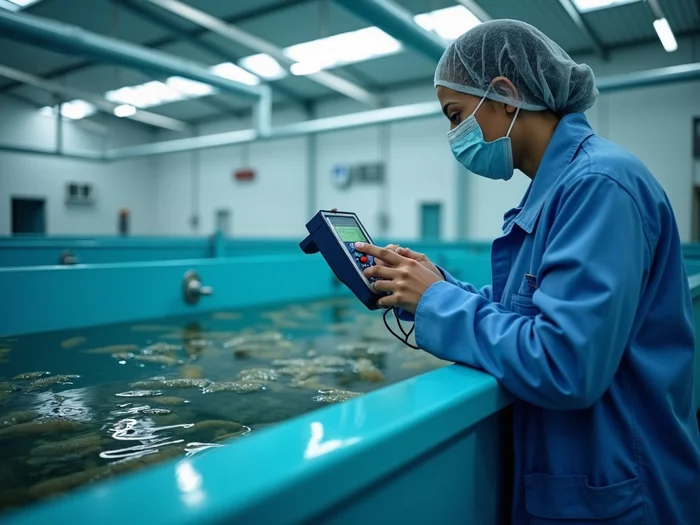
Maintaining optimal water quality management is crucial for successful spawning and high fertilisation rates. Water temperature should remain stable within the species-specific range: 27-30°C for African catfish, 24-27°C for channel catfish. Temperature fluctuations greater than 2°C can disrupt spawning behaviour and reduce egg viability.
Use reliable heating systems with thermostats and backup heaters to maintain consistent temperatures. pH levels between 7.2-8.0 provide optimal conditions for most catfish species. Monitor pH twice daily and adjust gradually if needed.
Sudden pH changes stress fish and can cause spawning failures or egg mortality. Use buffering systems or regular water changes to maintain stable pH levels rather than chemical adjustments. Water hardness should range between 50-150ppm total hardness for optimal spawning conditions.
| Parameter | Optimal Range | Monitoring Frequency |
|---|---|---|
| Temperature | 26-30°C for African catfish; 22-26°C for channel catfish. | Daily |
| pH | 6.5-8.5 | Twice daily |
| Dissolved Oxygen | Above 5mg/L | Daily |
| Water Hardness | 50-150ppm | Weekly |
Preventing Disease and Stress
Disease prevention during breeding season requires proactive management and careful monitoring. Quarantine all new broodstock for 2-3 weeks before introducing them to breeding tanks. During quarantine, treat fish with broad-spectrum antibiotics and anti-parasitic medications to prevent disease transmission to your breeding population.
Implement biosecurity measures including footbaths with disinfectant solutions, equipment sanitisation between tanks, and restricted access to breeding areas. Visitors and staff should follow strict hygiene protocols to prevent introducing pathogens from external sources. Maintain separate equipment for each breeding tank to prevent cross-contamination.
Common breeding season diseases include bacterial infections, fungal problems, and parasitic infestations. Watch for symptoms such as lethargy, loss of appetite, abnormal swimming behaviour, skin lesions, or respiratory distress. Early detection and treatment prevent disease spread and maintain breeding programme integrity.
| Disease | Symptoms | Treatment |
|---|---|---|
| Bacterial Infections | Lethargy, loss of appetite, skin lesions. | Antibiotics and proper sanitisation. |
| Fungal Problems | White patches on skin, abnormal swimming. | Antifungal treatments and improved water quality. |
| Parasitic Infestations | Scratching against surfaces, visible parasites. | Anti-parasitic medications and quarantine. |

Hormone Induction Techniques and Egg Collection
Overview of Hormone Use
Hormonal induction revolutionises catfish breeding by providing precise control over spawning timing and improving spawning rates significantly. Natural spawning depends on environmental triggers that may not occur consistently in artificial pond conditions, leading to unpredictable breeding success. Hormone injection bypasses these natural requirements, triggering ovulation and spawning regardless of seasonal conditions.
Two primary hormone types are used in catfish breeding: pituitary gland extracts and synthetic hormones. Pituitary gland extract, obtained from mature fish, contains natural reproductive hormones including luteinising hormone and follicle-stimulating hormone. This method requires harvesting pituitary glands from donor fish, typically carp or catfish, and preparing fresh extract for each spawning event.
Synthetic hormones like Ovaprim, Ovatide, and Pregnyl offer more consistent results and easier storage. Ovaprim contains salmon gonadotrophin-releasing hormone and domperidone, providing reliable ovulation induction with minimal side effects. These synthetic options eliminate the need for pituitary gland harvesting and provide standardised hormone concentrations for predictable results.
Administration Procedures
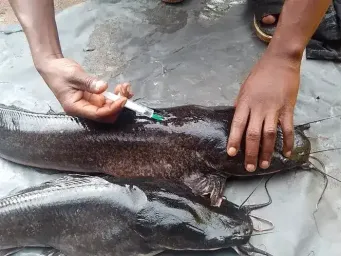
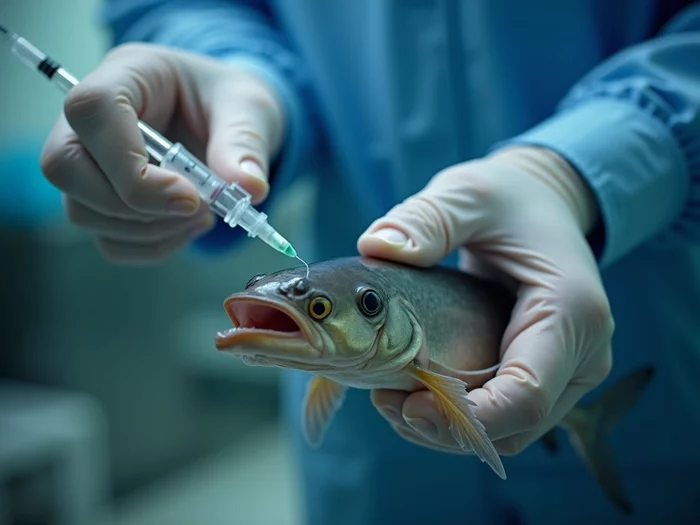
Hormone injection requires careful preparation and precise technique to ensure effective spawning induction. Begin by calculating exact hormone dosages based on fish weight and selected hormone type. For Ovaprim, use 0.5-0.7ml per kilogram of female body weight and 0.3-0.5ml per kilogram for males.
Pituitary gland extract requires 3-4mg per kilogram for females and 2-3mg per kilogram for males. Prepare injection equipment including sterile syringes, needles (21-23 gauge), alcohol for disinfection, and a clean work surface. Draw hormone solutions into syringes just before injection to prevent degradation.
Capture fish gently using appropriate nets and transfer to a shallow holding container with adequate water for handling. Hold the fish firmly but gently, supporting the body to prevent injury during injection. Inject intramuscularly behind the pectoral fin, inserting the needle at a 45-degree angle to avoid internal organs.
Techniques for Egg Collection
Egg collection timing is critical for maximising fertilisation rates and fry survival. African catfish typically spawn 8-12 hours after hormone injection, whilst channel catfish may require 12-18 hours depending on water temperature and hormone type. Monitor spawning tanks closely for signs of spawning activity including increased swimming activity, chasing behaviour, and egg deposition on spawning substrates.
Natural spawning collection involves allowing fish to spawn on kakaban or other substrates, then carefully removing the substrate with attached eggs for incubation. Handle spawning substrates gently to avoid damaging eggs, and transfer immediately to incubation tanks with optimal water conditions. This method works well for African catfish that readily accept artificial spawning substrates.
Strip spawning provides greater control over fertilisation and timing. Once the female shows signs of readiness (soft, swollen abdomen and protruding genital papilla), gently strip eggs by applying light pressure to the abdomen while supporting the fish over a clean, dry container. Collect milt from males using similar techniques, then mix eggs and milt immediately using clean feathers or soft brushes.
Post-Spawning Management
Caring for Fry
Newly hatched catfish fry require immediate attention to ensure high survival rates and healthy development. During the first 3-5 days after hatching, fry survive on their yolk sacs and don't require external feeding. Maintain water temperature 1-2°C higher than spawning temperature (28-32°C for African catfish) to promote rapid yolk sac absorption and early development.
Water quality becomes even more critical for fry survival. Maintain dissolved oxygen levels above 6mg/L, pH between 7.0-8.0, and ammonia levels below 0.25ppm. Fry are extremely sensitive to water quality fluctuations, so implement gentle but continuous water circulation and filtration systems.
Change 10-20% of water daily using aged, temperature-matched water to maintain optimal conditions. Begin feeding fry once they start swimming actively and their yolk sacs are nearly absorbed. Start with live foods like newly hatched Artemia (brine shrimp), microworms, or finely ground commercial fry feed.
| Stage | Water Temperature | Feed Type | Feeding Frequency |
|---|---|---|---|
| First 3-5 Days | 28-32°C | Yolk sac, live foods (e.g., Artemia). | None (yolk sac feeding). |
| After 5 Days | 26-30°C | Commercial starter feeds, live foods. | 4-6 times daily. |
Troubleshooting Common Issues
Spawning failures can occur despite careful preparation and proper hormone administration. Common causes include poor broodstock condition, inadequate hormone storage, incorrect dosages, or suboptimal environmental conditions. If spawning doesn't occur within 24 hours of injection, check water temperature, pH, and dissolved oxygen levels.
Consider re-injecting with fresh hormone solutions if environmental conditions are optimal. Low fertilisation rates often result from poor egg or sperm quality, improper timing of egg collection, or contamination during fertilisation. Ensure eggs are collected at optimal timing when they're fully mature but haven't begun to over-ripen.
High fry mortality during the first week typically indicates water quality problems, disease, or nutritional deficiencies. Test water parameters immediately and correct any issues. Examine dead fry for signs of bacterial or fungal infections, treating surviving fry with appropriate medications if disease is detected.
Record Keeping and Analysis
Comprehensive record keeping enables continuous improvement of your breeding programme and helps identify factors contributing to success or failure. Document all aspects of each spawning event including broodstock identification, conditioning protocols, hormone types and dosages, environmental conditions, spawning timing, and results. Create breeding records for each female broodstock, tracking spawning frequency, egg production, fertilisation rates, and fry survival.
A typical record might show: "Female #23, 1.8kg Clarias gariepinus, spawned 15th March using 1.0ml Ovaprim, produced 6,200 eggs with 85% fertilisation rate and 78% fry survival to 2 weeks." This information guides future breeding decisions and identifies your most productive broodstock. Environmental data logging helps correlate spawning success with specific conditions.
Record daily water temperature, pH, dissolved oxygen, and weather conditions throughout the breeding season. Analyse this data to identify optimal conditions for spawning and adjust your management practices accordingly. Economic analysis of breeding operations helps optimise resource allocation and improve profitability by tracking costs per spawning event and revenue from fingerling sales.
Conclusion
Successful catfish breeding starts with systematic preparation and attention to detail, not chance. By following the 4-6 week conditioning timeline, maintaining optimal water quality parameters, and using proper hormone induction techniques, you can achieve spawning rates of 3,000-5,000 fry per kilogram of female broodstock with survival rates exceeding 80%. Remember the fundamentals: select healthy broodstock, condition them with high-protein feeds, maintain stable water conditions, and handle spawning procedures with precision and care.
You now have the knowledge to implement a professional breeding programme that can transform your farm's profitability and sustainability. Yes, breeding requires more technical skill than grow-out operations, but thousands of Nigerian farmers have mastered these techniques through practice and persistence. Start with small batches to build your confidence and refine your methods before scaling up production.
Keep detailed records of every spawning event—this data becomes invaluable for improving your success rates and identifying your best-performing broodstock. Each breeding season teaches you something new about your fish, your facilities, and your local conditions. With reliable fingerling production established, you'll have consistent stock for your grow-out ponds and potential income from selling excess fingerlings to other farmers.
Frequently Asked Questions
Why is consistent water temperature so critical during the conditioning and spawning periods for African catfish?
Maintaining a stable water temperature between 26-30°C for African catfish is crucial because fluctuations greater than 2°C can severely disrupt spawning behaviour and reduce egg viability. Stable temperatures also prevent stress, which can lead to reduced feeding and increased susceptibility to disease during this critical time.
How can I tell if my female catfish is ready for egg collection after hormone injection?
After hormone injection, monitor your female catfish for signs of readiness such as a soft, swollen abdomen and a protruding genital papilla. These indicators suggest the eggs are fully mature and ready for strip spawning, typically occurring 8-12 hours post-injection for African catfish. Timely collection maximises fertilisation rates and fry survival.
What are the key advantages of using synthetic hormones like Ovaprim compared to pituitary gland extracts for inducing spawning?
Synthetic hormones like Ovaprim offer more consistent results and are easier to store than pituitary gland extracts. They eliminate the need for harvesting pituitary glands from donor fish, providing standardised concentrations for predictable spawning outcomes. This allows for precise planning of your breeding schedule year-round.
What should I do if my catfish don't spawn within 24 hours of hormone injection, despite optimal conditions?
If spawning doesn't occur within 24 hours of injection, first re-check your water temperature, pH, and dissolved oxygen levels to ensure environmental conditions are truly optimal. If conditions are satisfactory, you might consider re-injecting with fresh hormone solutions, as poor broodstock condition or inadequate hormone storage can sometimes lead to initial failures.
How often should I replace my broodstock to maintain genetic diversity and vigour in my breeding programme?
You should aim to replace 20-30% of your broodstock annually with new genetic material to prevent inbreeding and maintain vigour. Sourcing broodstock from at least three different genetic lines initially also helps ensure a strong foundation. Maintaining detailed records of each broodstock's origin and performance will guide these replacement decisions.


Yomi Adisa Lead Researcher
Yomi Adisa is the lead researcher at Fish Farming Business, where he studies what makes aquaculture ventures profitable across Africa. His research focuses on market patterns, buyer preferences, and the business decisions that determine success or failure in fish farming.